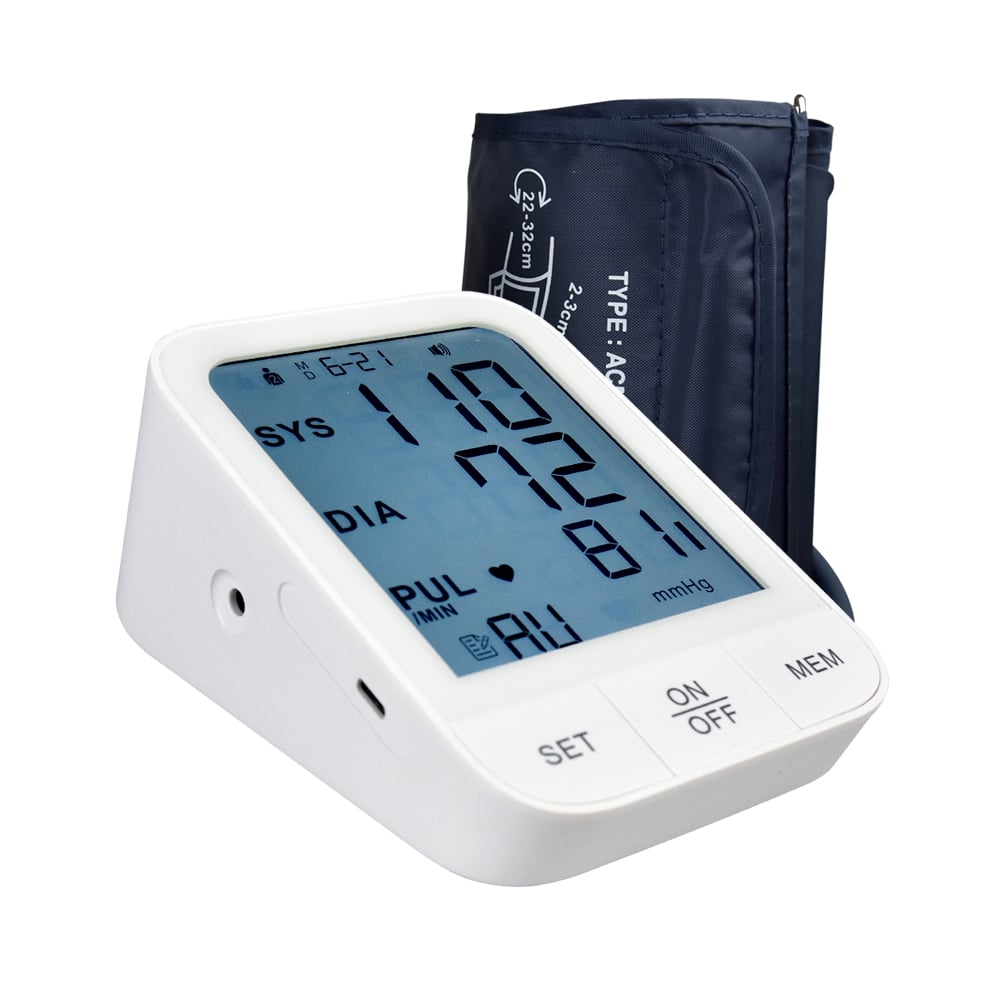
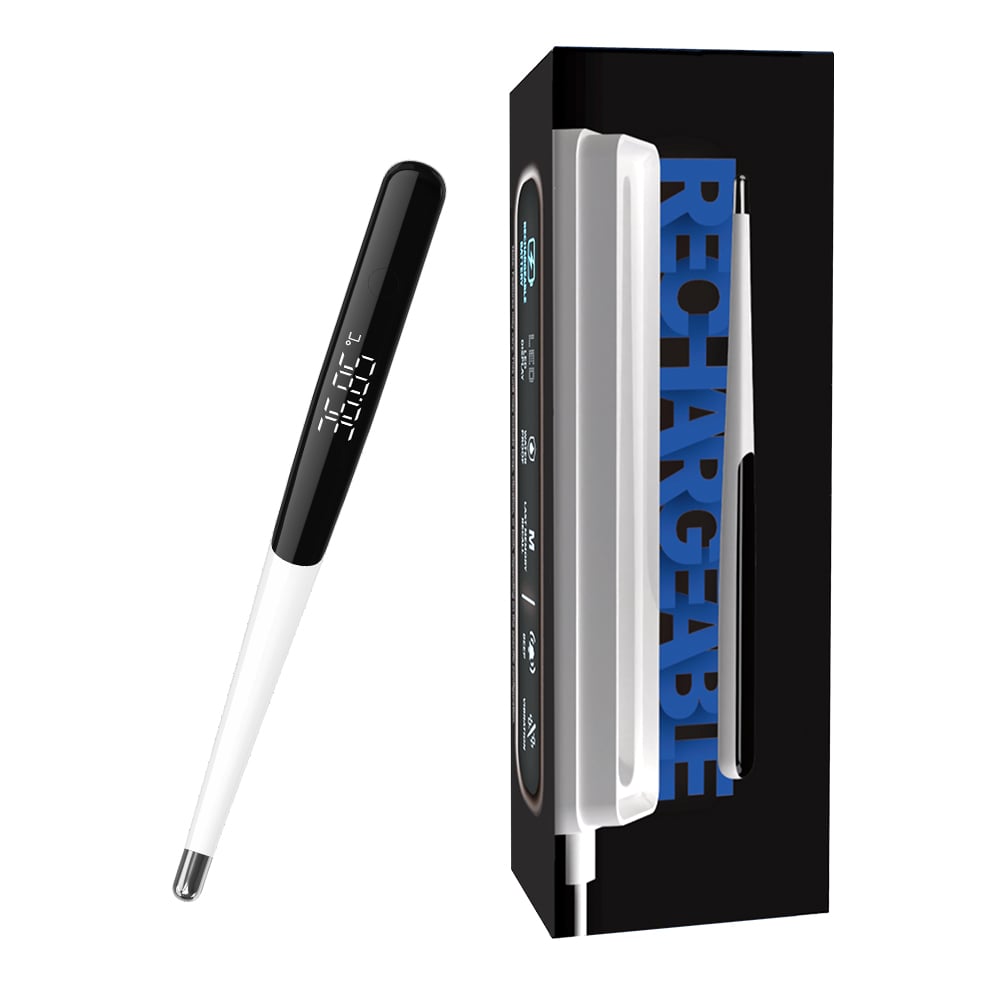
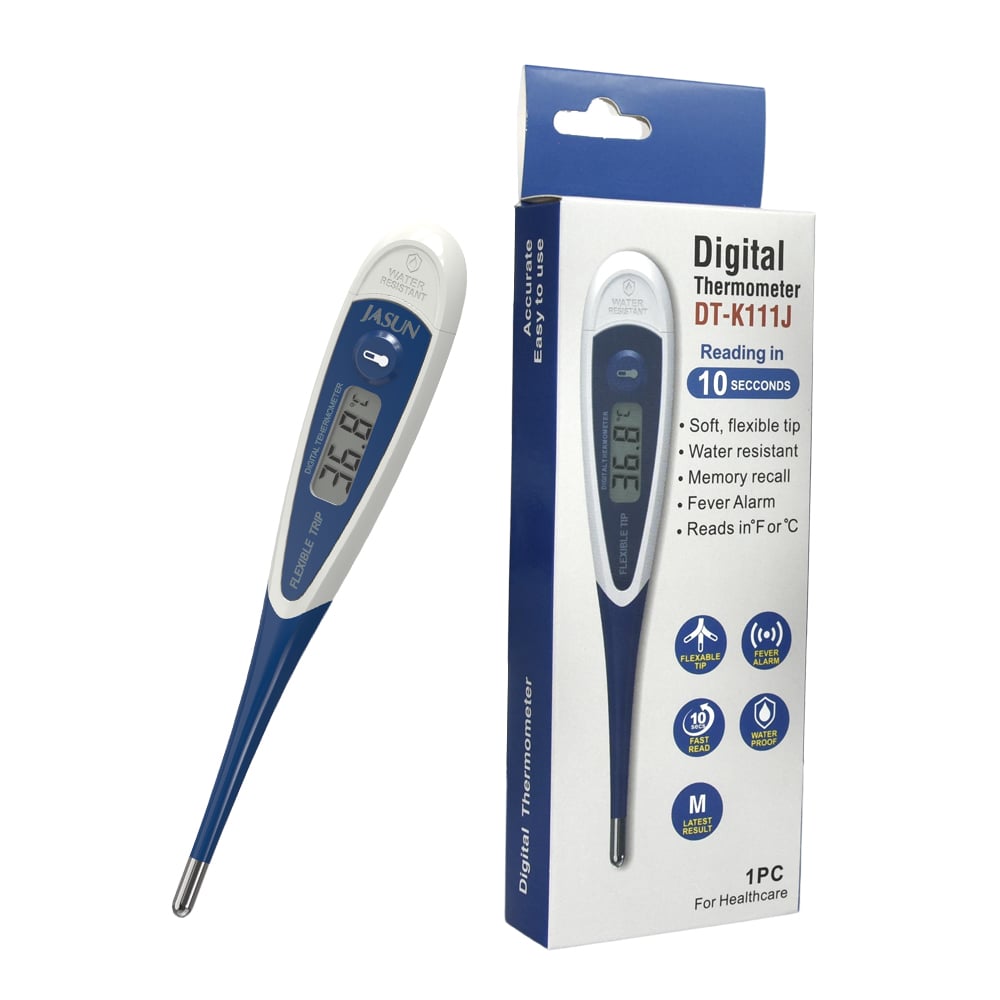
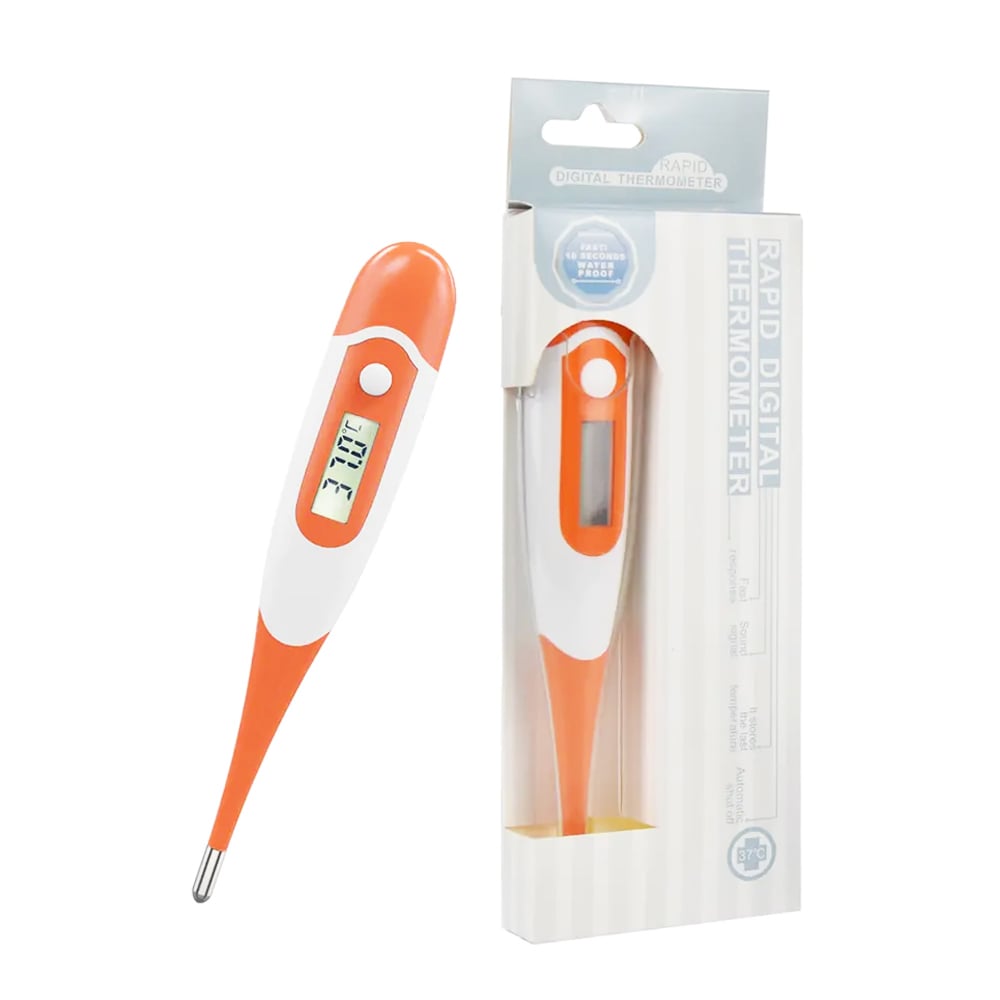
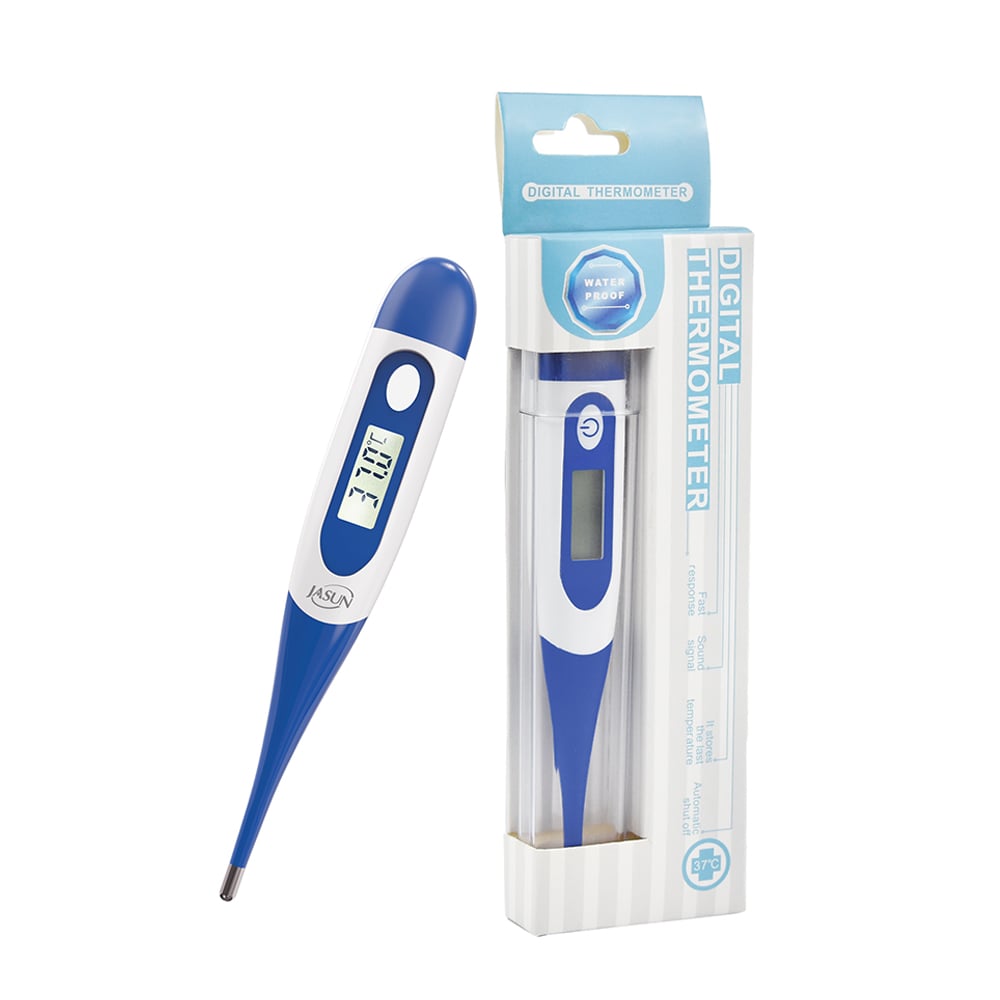
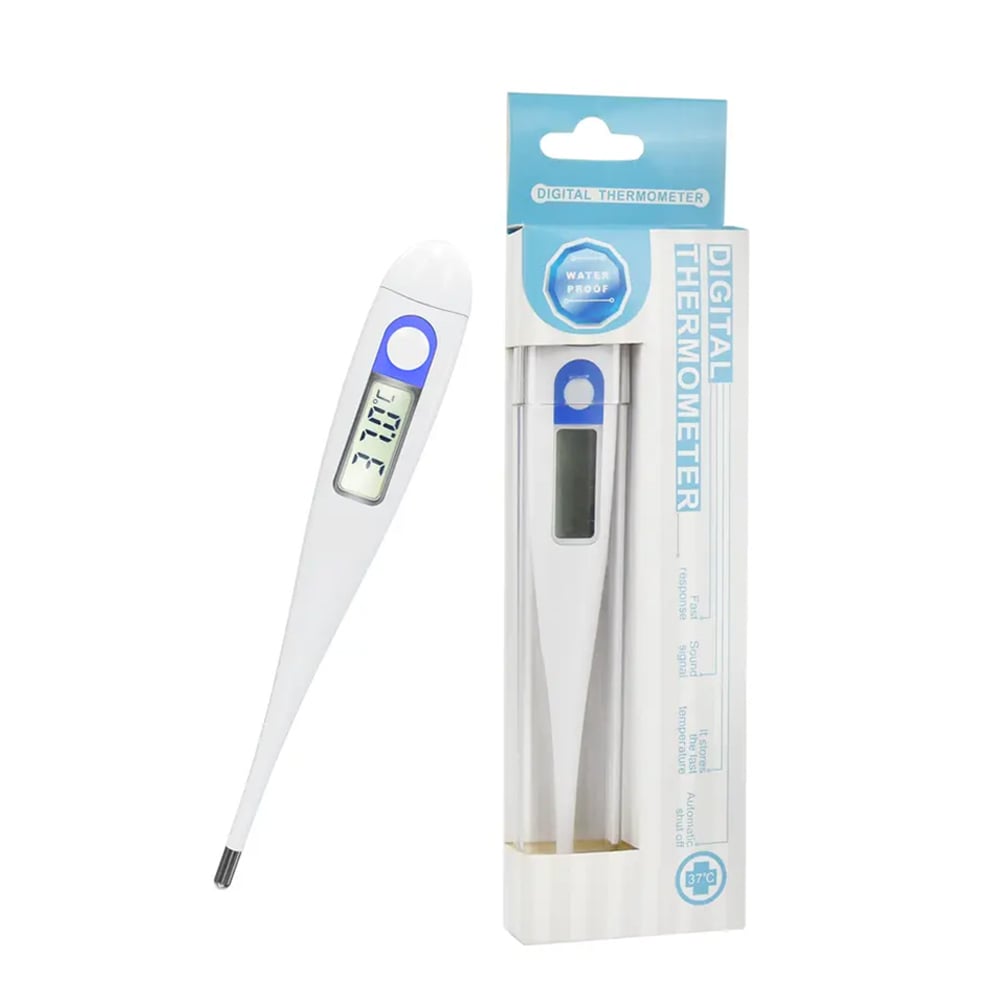
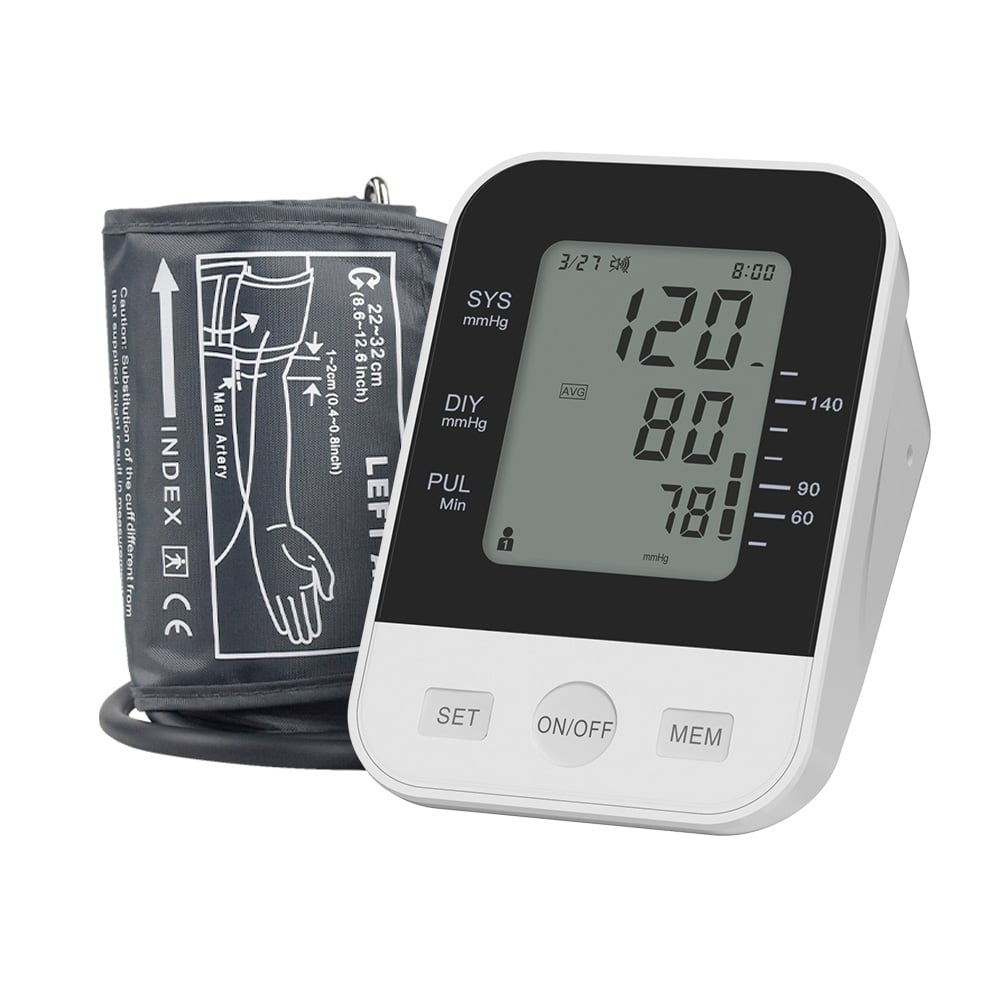
Blood pressure readers are essential medical devices used to monitor and manage blood pressure levels in patients. For B2B buyers, such as distributors and purchasing managers, selecting the right blood pressure reader involves understanding its specifications, quality control measures, and applications across various medical settings. This article will provide insights into evaluating blood pressure readers, comparing available options, and sourcing reliable products that meet your business needs
When selecting blood pressure readers, several key specifications should be considered
Measurement Accuracy: The accuracy of a blood pressure reader or blood pressure monitor is critical. Devices must meet specific calibration standards to ensure reliable readings. Look for models that comply with international accuracy guidelines, such as those set by the American Heart Association (AHA
Measurement Range: The operational range of the device is vital, especially for diverse patient populations. Ensure the reader can accommodate both low and high blood pressure ranges to cater to all potential users
Display Features: A clear and easy-to-read display enhances usability, particularly for patients with vision impairments. Consider models with backlit screens and large font sizes
Power Source: Blood pressure readers can be battery-operated or plug-in. Battery life is essential for portable models, while plug-in devices may offer consistent performance in clinical settings
Connectivity Options: Many modern blood pressure readers come with Bluetooth or USB connectivity, allowing for easy data transfer to electronic health records or personal health monitoring apps
Cuff Size and Comfort: The device should include multiple cuff sizes to accommodate different arm circumferences. Comfort is crucial for accurate readings, as a poorly fitting cuff can lead to inaccurate measurements
Understanding these specifications will help distributors select blood pressure readers that align with customer needs and preferences
When comparing blood pressure reader options, consider the following factors
Customization Capabilities: Some manufacturers offer OEM/ODM capabilities, allowing you to tailor products to your branding and specifications. This can include custom packaging, design, or even functionality based on client requirements
Quality Assurance Certifications: Verify that the blood pressure readers are certified by recognized standards, such as CE, FDA, and ISO 13485:2003. These certifications indicate that the products meet quality and safety standards essential for medical devices
Lead Time and Production Capacity: Understanding the manufacturer's lead time for orders is crucial. A reliable supplier should provide transparent timelines based on their production capacity, which ensures timely delivery for your business operations
Pricing Structure: Evaluate the pricing models, including minimum order quantities (MOQ) and bulk discounts. This will help you determine the best financial fit for your purchasing strategy
After-Sales Support: Assess the level of support offered post-sale, including warranty terms, servicing options, and customer service availability. Strong after-sales support can enhance customer satisfaction and retention
By focusing on these comparative factors, you can make informed decisions that align with your business's operational needs
Blood pressure readers serve a wide range of applications across different medical settings
Hospitals and Clinics: In healthcare institutions, blood pressure readers or BP machineare used for routine monitoring and diagnosis of hypertension. Accurate and reliable readings are essential for patient management and treatment planning
Home Healthcare: With the rise of telemedicine, many patients monitor their blood pressure at home. Devices designed for home use must be user-friendly and provide accurate readings without the need for professional assistance
Pharmacies and Retail: Retail environments often use blood pressure readers for customer health assessments. These devices can help pharmacists provide valuable health advice, making them an essential tool for customer service
Fitness and Wellness Programs: Blood pressure readers are increasingly utilized in gyms and wellness facilities to monitor the cardiovascular health of participants. Integrating these devices into health programs can enhance member engagement and health outcomes
Research and Clinical Trials: In clinical research, blood pressure readers are crucial for collecting data on patient responses to treatments. Devices must be consistently accurate to ensure the integrity of research findings
Understanding these applications can aid distributors in marketing blood pressure readers effectively to different segments of the healthcare industry
Quality control is paramount in the manufacturing of blood pressure readers. Effective measures include
Material Selection: Manufacturers must choose high-quality materials that meet safety standards and ensure durability. For instance, the components used in the construction of cuffs and electronic parts should withstand daily use
Production Equipment: Advanced production equipment enhances precision in manufacturing processes. Regular maintenance and calibration of machinery help prevent defects and ensure consistent product quality
In-Process Testing: Implementing rigorous in-process testing during manufacturing helps identify issues early. This can include checking the accuracy of measurements at various stages of production
Final Inspection: Before products are shipped, a thorough final inspection should be conducted. This includes assessing the functionality, accuracy, and appearance of the blood pressure readers to ensure they meet specified standards
Compliance Audits: Regular audits of manufacturing processes against industry regulations and standards help maintain quality assurance and improve operational practices
By prioritizing these quality control measures, manufacturers like Hangzhou Huaan Medical Health Instruments can ensure that their blood pressure readers meet the highest standards expected by healthcare providers and patients
Sourcing reliable blood pressure readers requires careful consideration of several factors
Reputable Manufacturers: Partner with manufacturers known for their expertise in medical devices, like Hangzhou Huaan Medical Health Instruments. Their experience since 1997 and commitment to quality make them a reliable source
Trade Shows and Industry Events: Attending medical equipment trade shows can provide direct access to various manufacturers and their offerings. This allows for hands-on evaluation of products and discussions about specifications
Online Marketplaces: Established B2B marketplaces can be valuable resources for finding blood pressure readers. Ensure that the suppliers have verified credentials and positive reviews from previous clients
Networking with Industry Peers: Engaging with industry peers through professional networks can lead to recommendations for trustworthy suppliers based on firsthand experiences
Requesting Samples: Before placing a large order, requesting samples allows you to evaluate the product quality and functionality. It’s essential to test the samples under actual working conditions to ensure they meet your expectations
By following these steps, you can source blood pressure readers or blood pressure cuff stethoscope sphygmomanometer kit that align with your project requirements, quality standards, and customer expectations
JASUN is a registered trademark of Hangzhou Hua'an Medical & Health Instruments Co.,Ltd. Your first option for premium thermometer suppliers in China with CE, MDR, ISO13485:2003, FDA and BSCI certificates.
Our location: Building 2,1# Fuzhu Nan RD, Wuchang Town, Yuhang District, Hangzhou, Zhejiang 310023, China
HOURS: 8:30AM - 6:00PM
Copyright © Hangzhou Hua'an Medical & Health Instruments Co.,Ltd. All Rights Reserved Blog Privacy Policy
 EN