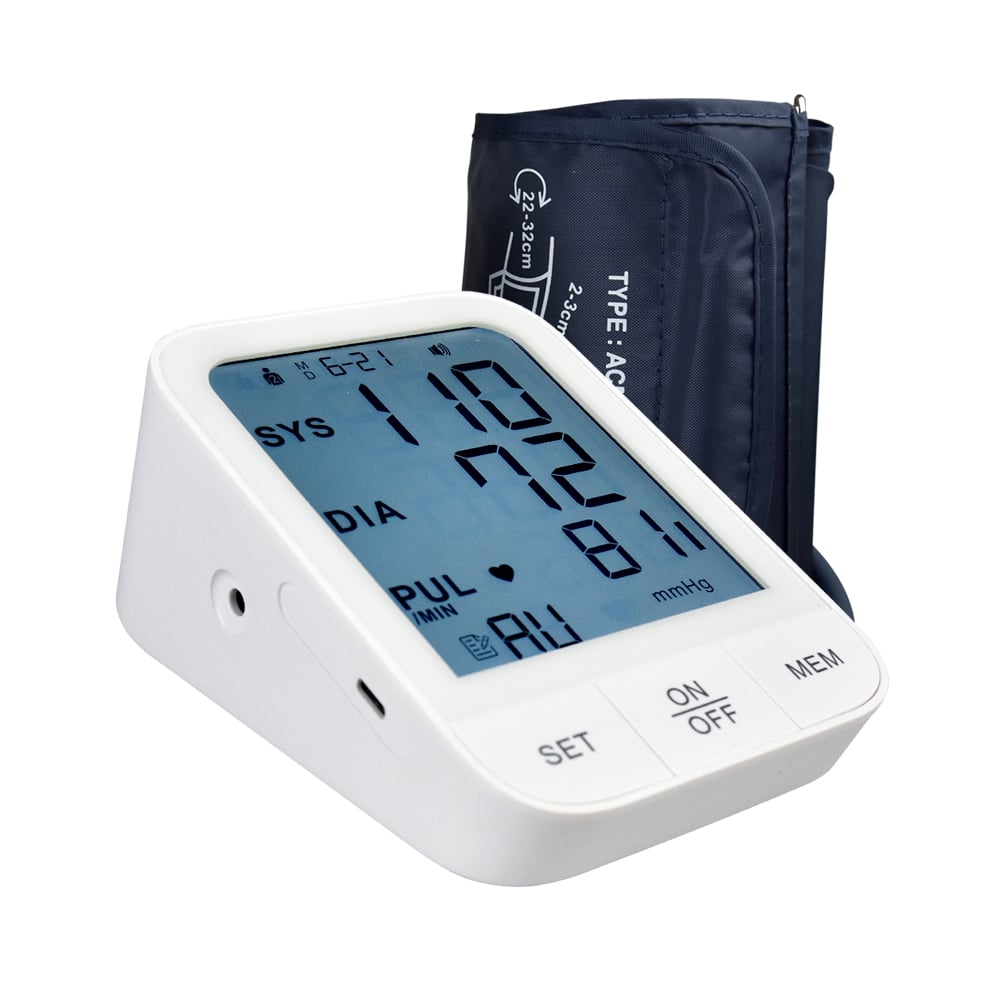
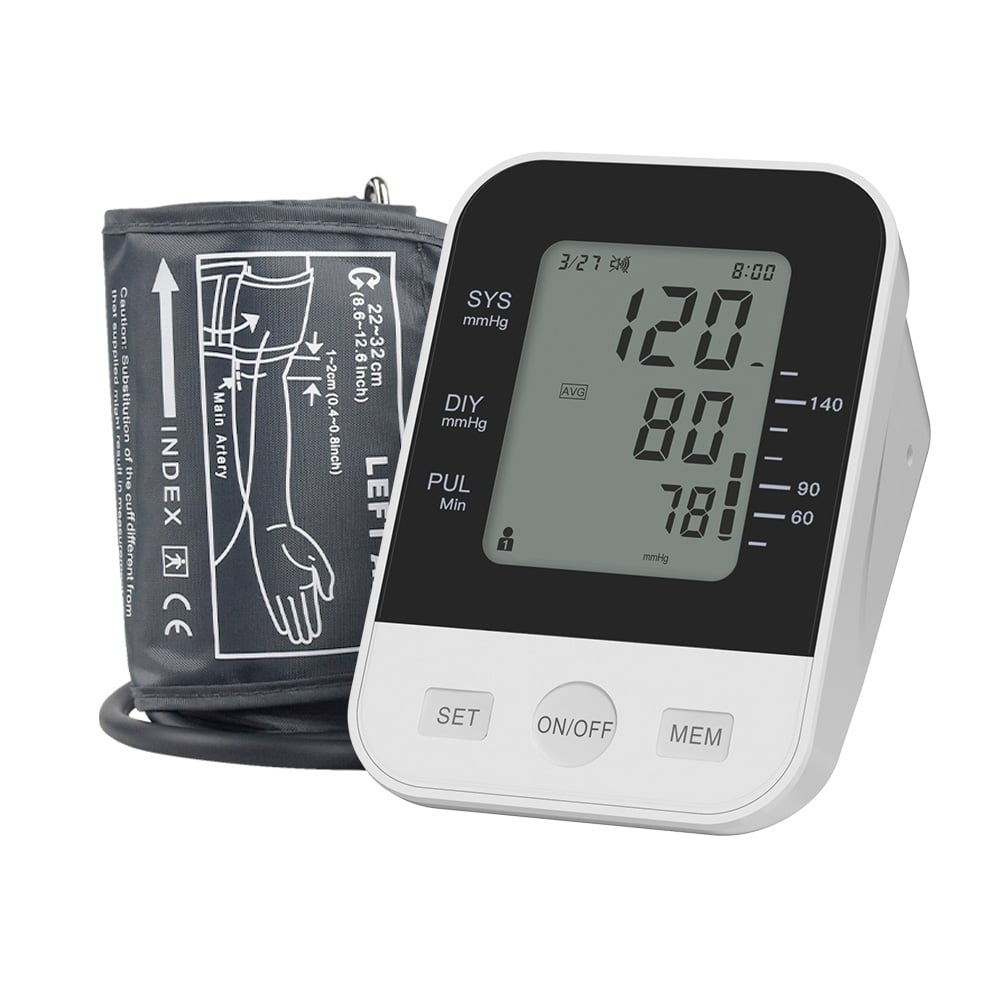
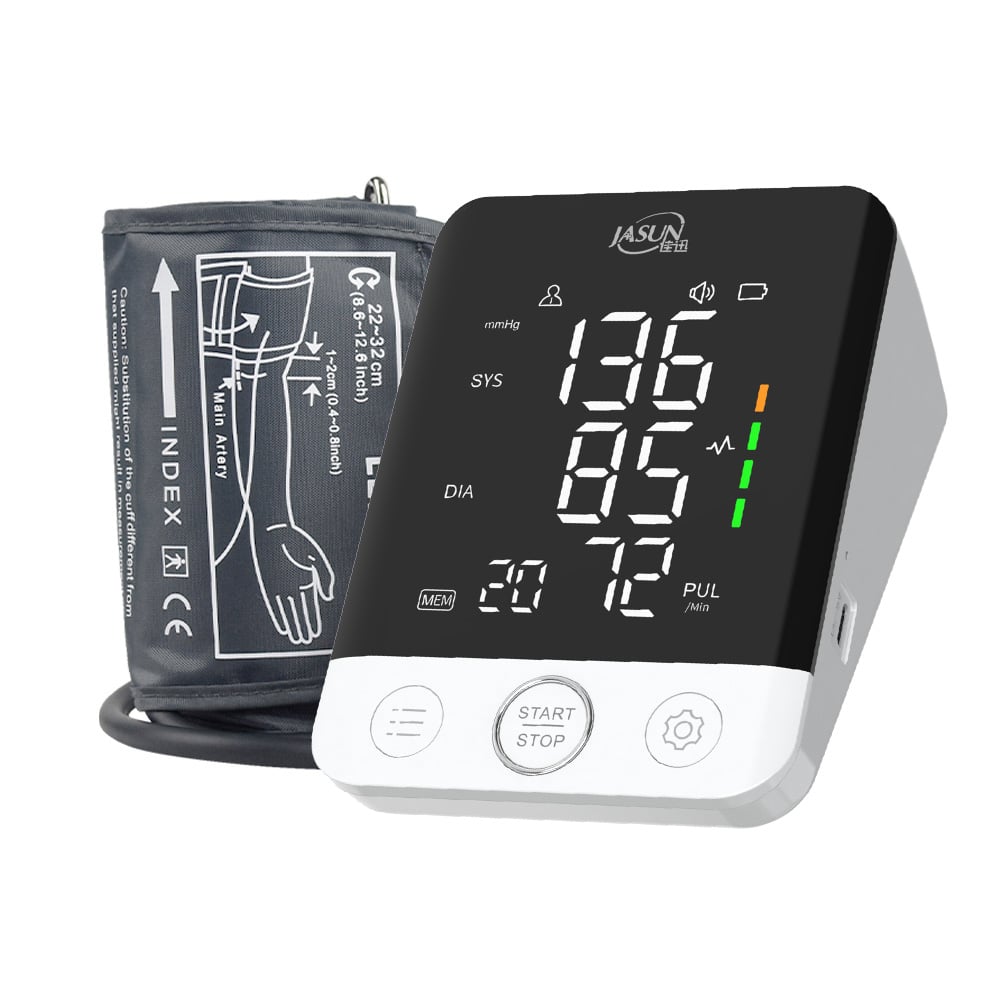
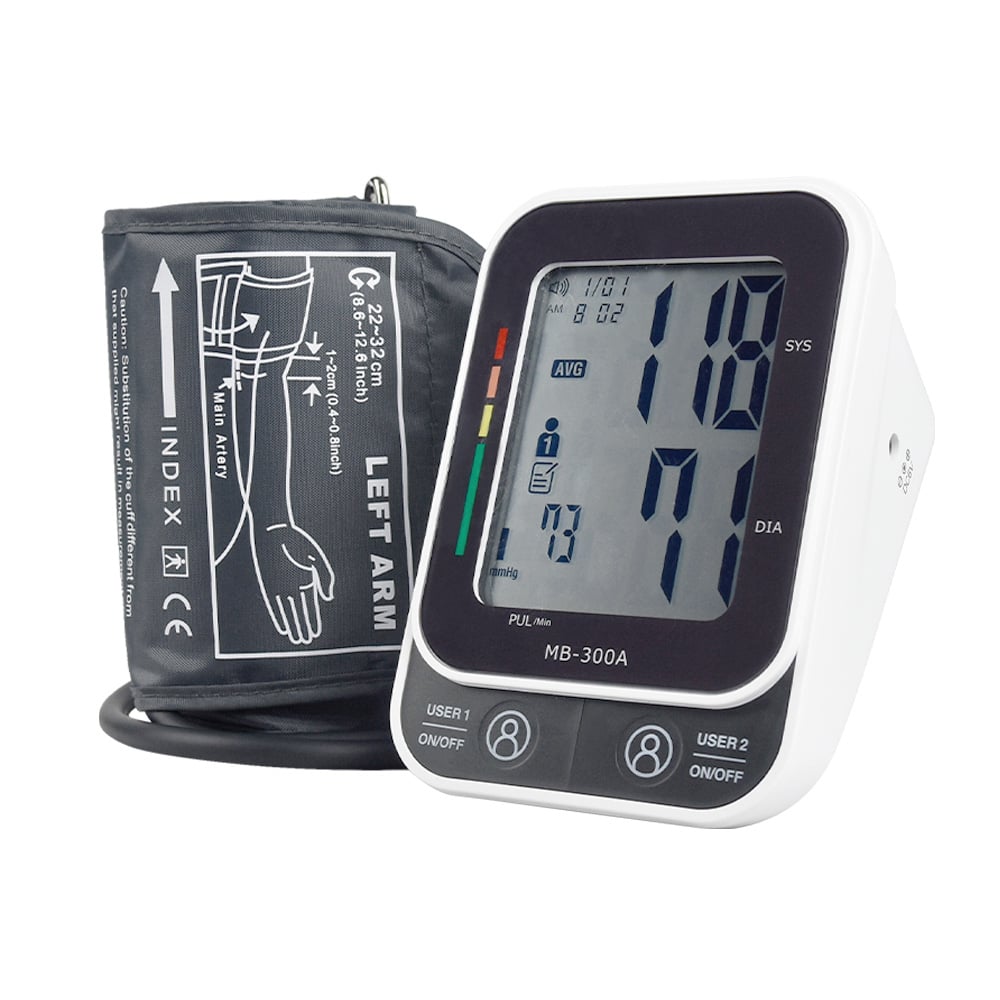
A blood pressure monitor is an essential medical device used to measure the pressure exerted by circulating blood on the walls of blood vessels. Understanding the specifications and features of these devices is crucial for B2B buyers, including purchasing managers, distributors, and medical professionals. This article will explore key specifications, the quality control process, feature comparisons, factors affecting bulk orders, and common problems associated with blood pressure monitors, helping buyers make informed decisions.
When purchasing blood pressure monitors, several key specifications should be evaluated to ensure accuracy and reliability. These include:
Measurement Method: Digital blood pressure monitors can use Oscillometric or auscultatory methods. Oscillometric monitors are more common for home use, while auscultatory monitors, often used in clinical settings, can provide more accurate results if operated correctly.
Accuracy and Calibration: Look for devices that have documented accuracy levels, ideally validated by clinical studies. Calibration is essential; devices should be regularly calibrated to maintain measurement accuracy.
Cuff Size and Type: The cuff should fit appropriately for accurate readings. Monitors often come with different cuff sizes, and it is crucial to choose one that fits the patient’s arm circumference correctly. Some models offer adjustable cuffs for a better fit.
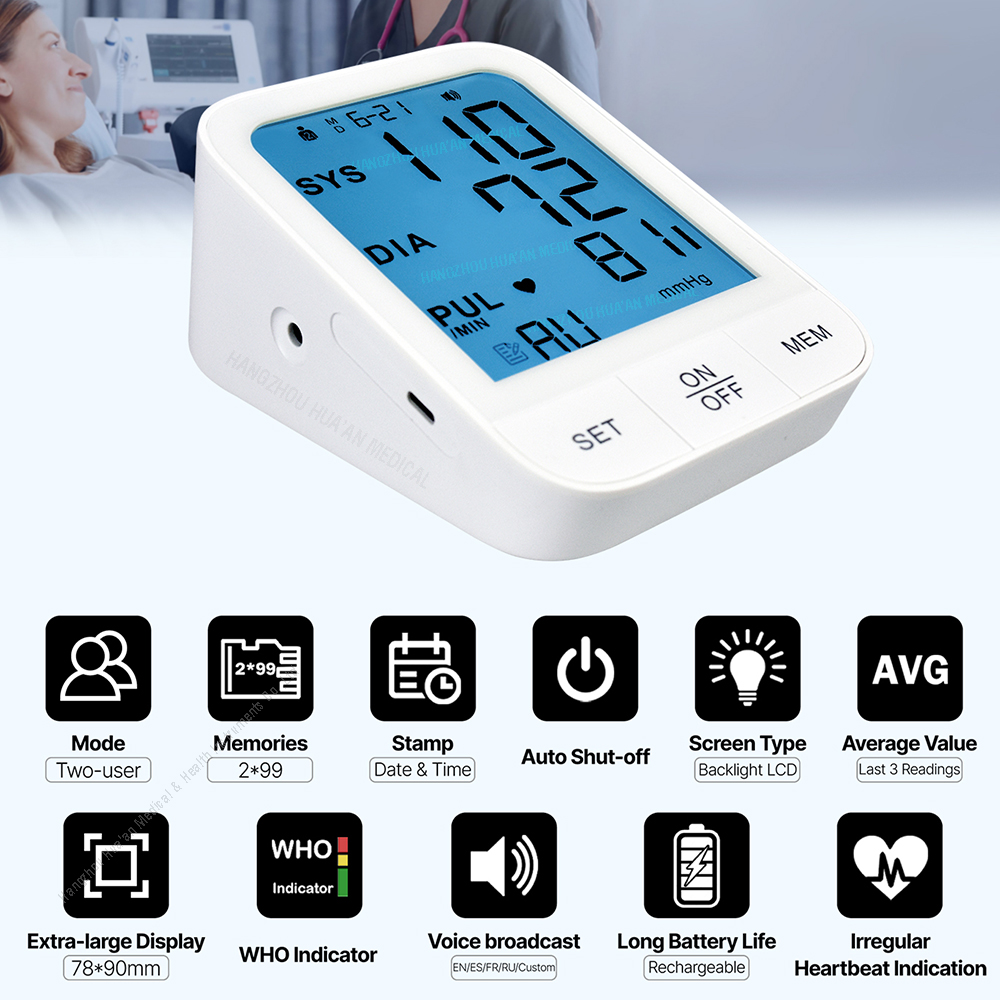
Display Features: Ease of reading is important, especially for elderly patients. Features such as large digital displays, backlighting, and graphical representations of data can enhance usability.
Data Storage and Connectivity: Many modern blood pressure monitors offer memory storage for multiple readings and connectivity features such as Bluetooth or USB for data transfer to health management apps or electronic health records.
By confirming these specifications, buyers can ensure they select a reliable device that meets their specific needs.

The quality control process for blood pressure monitors is critical to ensuring that they meet safety and performance standards. At Hangzhou Huaan Medical Health Instruments Co., Ltd., the quality assurance process includes several key steps:
Incoming Material Inspection: All raw materials undergo quality checks to ensure they meet the required standards before production begins.
In-Process Quality Control: During manufacturing, regular inspections are performed to monitor adherence to specifications. This includes checking the assembly of electronic components and the integrity of mechanical parts.
Final Product Testing: Each blood pressure monitor is subjected to rigorous testing for accuracy, durability, and safety. This often involves comparing the monitor’s readings against a calibrated reference device.
Certification Compliance: The devices must comply with international standards such as ISO13485, CE, and FDA regulations. These certifications ensure that the products are safe and effective for medical use.
Post-Market Surveillance: After the product is released, continuous monitoring for any issues reported by users helps improve future iterations of the product.
Understanding this quality control process allows buyers to have confidence in the reliability of the blood pressure monitors they purchase.
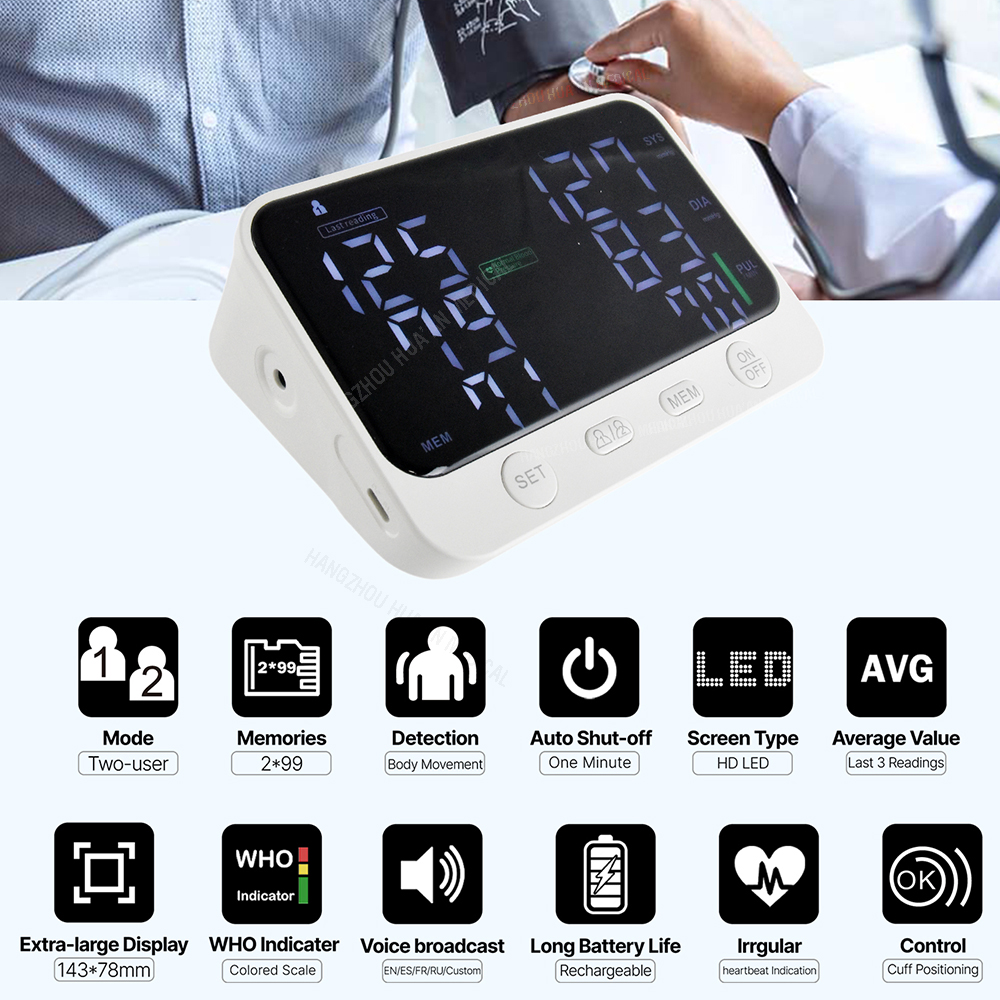
When evaluating different blood pressure monitors, it’s essential to compare their features to determine which best suits specific needs. Here are some critical features to consider:
Automatic vs. Manual Operation: Automatic monitors inflate the cuff and take readings without user intervention, making them user-friendly, particularly for patients with limited mobility. Manual monitors require the user to inflate the cuff and listen for heartbeats through a stethoscope, which may be more suitable in clinical settings.
Power Source: Blood pressure monitoring machine can be battery-operated or plug-in models. Battery-operated models offer portability, while plug-in devices ensure consistent power for continuous use.
Memory Function: Devices with memory functions allow users to store previous readings, which can be helpful for tracking changes over time. Some monitors can store multiple user profiles, which is beneficial in family or clinical settings.
Irregular Heartbeat Detection: Some monitors can detect irregular heartbeats during measurement, providing additional health insights. This feature is particularly important for patients with known heart conditions.
Additional Health Metrics: Advanced models may also measure pulse rate and provide insights into overall cardiovascular health, making them more valuable for comprehensive health monitoring.
By comparing these features, buyers can select a blood pressure monitor that not only meets their requirements but also enhances patient care.
When considering bulk orders of blood pressure monitors, several cost factors come into play that can significantly affect pricing:
Order Quantity: Generally, larger orders will result in lower unit costs due to economies of scale. Establishing a minimum order quantity (MOQ) is essential for bulk pricing negotiations.
Customization Options: Customizing features such as branding, packaging, or specific functionalities can influence overall costs. Buyers should weigh the benefits of customization against the potential increase in price.
Shipping and Handling Costs: Depending on the destination, shipping costs can vary. It’s crucial to consider logistics, including import taxes or tariffs, which may apply to international orders.
Payment Terms: Negotiating favorable payment terms can also impact cash flow and the overall cost structure. Common options include upfront payments, net payment terms, or installment payments.
Warranty and Support Services: Including warranty coverage and post-purchase support can add to initial costs but may provide long-term savings by reducing the need for replacements or repairs.
Being aware of these cost factors can help buyers make informed negotiations and budget effectively for their bulk purchases.
While blood pressure monitors are generally reliable, users may encounter several common problems. Here are some issues and their potential solutions:
Inaccurate Readings: This can occur due to improper cuff sizing or placement. Buyers should ensure that the correct cuff size is used and that it is placed correctly on the arm. Regular calibration and maintenance can also help prevent inaccuracies.
Device Malfunction: Electronic components may fail due to manufacturing defects or wear and tear. Regular inspections during usage and adherence to maintenance guidelines can mitigate this risk.
User Error: Misunderstanding how to operate the monitor can lead to incorrect readings. Providing comprehensive user manuals and training for end-users can address this issue.
Battery Issues: For battery-operated models, users may experience performance degradation if batteries are low. Implementing battery level indicators on devices can help users replace them promptly.
Connectivity Problems: For monitors equipped with Bluetooth or app connectivity, technical issues may arise if software is not updated. Regular software updates and user support can alleviate these concerns.
By addressing these common problems, buyers can ensure better performance and longevity of their automatic blood pressure monitor, leading to improved patient outcomes.
JASUN is a registered trademark of Hangzhou Hua'an Medical & Health Instruments Co.,Ltd. Your first option for premium thermometer suppliers in China with CE, MDR, ISO13485:2003, FDA and BSCI certificates.
Our location: Building 2,1# Fuzhu Nan RD, Wuchang Town, Yuhang District, Hangzhou, Zhejiang 310023, China
HOURS: 8:30AM - 6:00PM
Copyright © Hangzhou Hua'an Medical & Health Instruments Co.,Ltd. All Rights Reserved Blog Privacy Policy
 EN