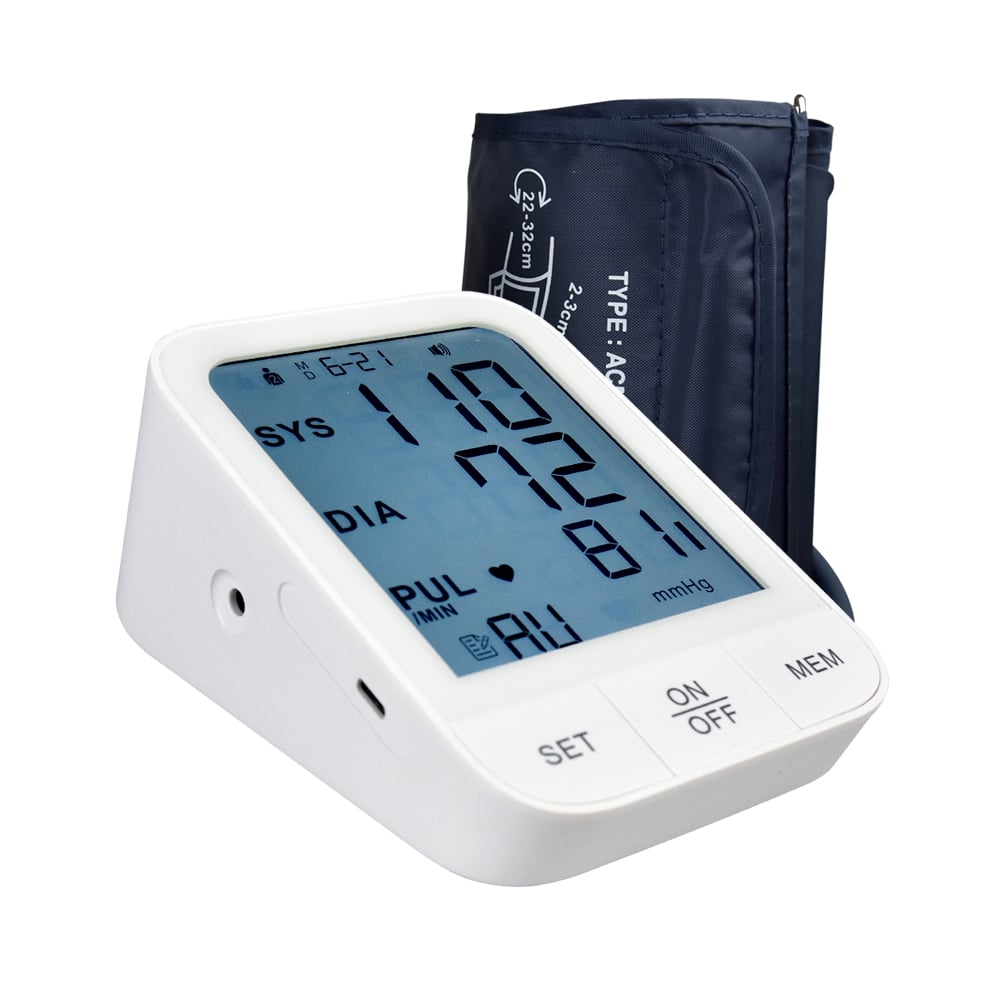
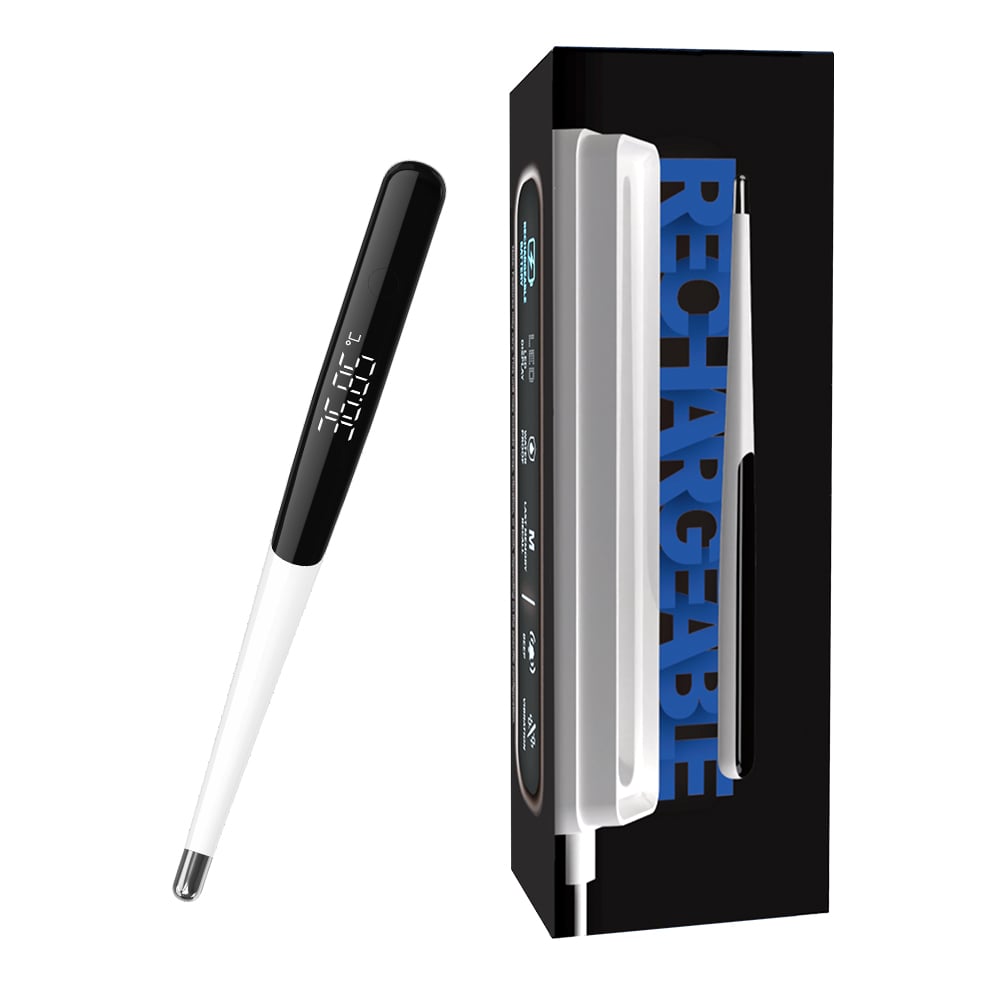
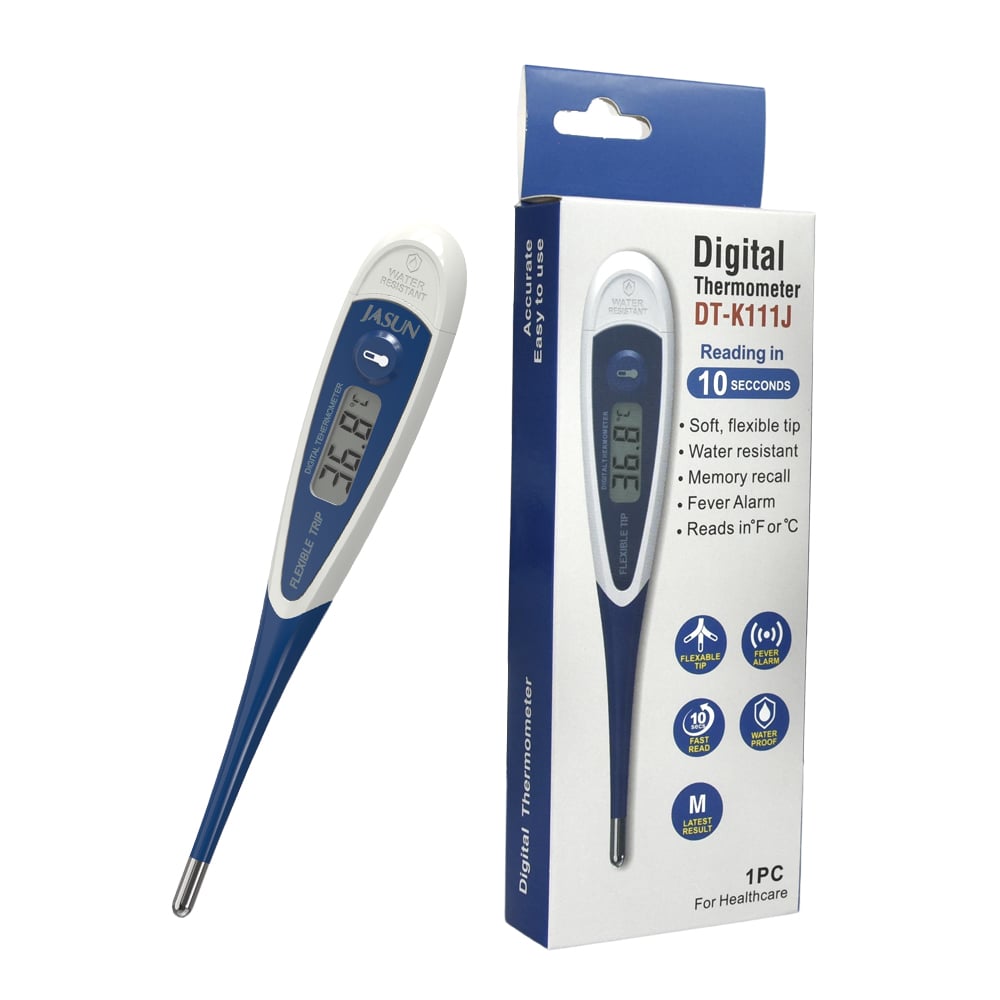
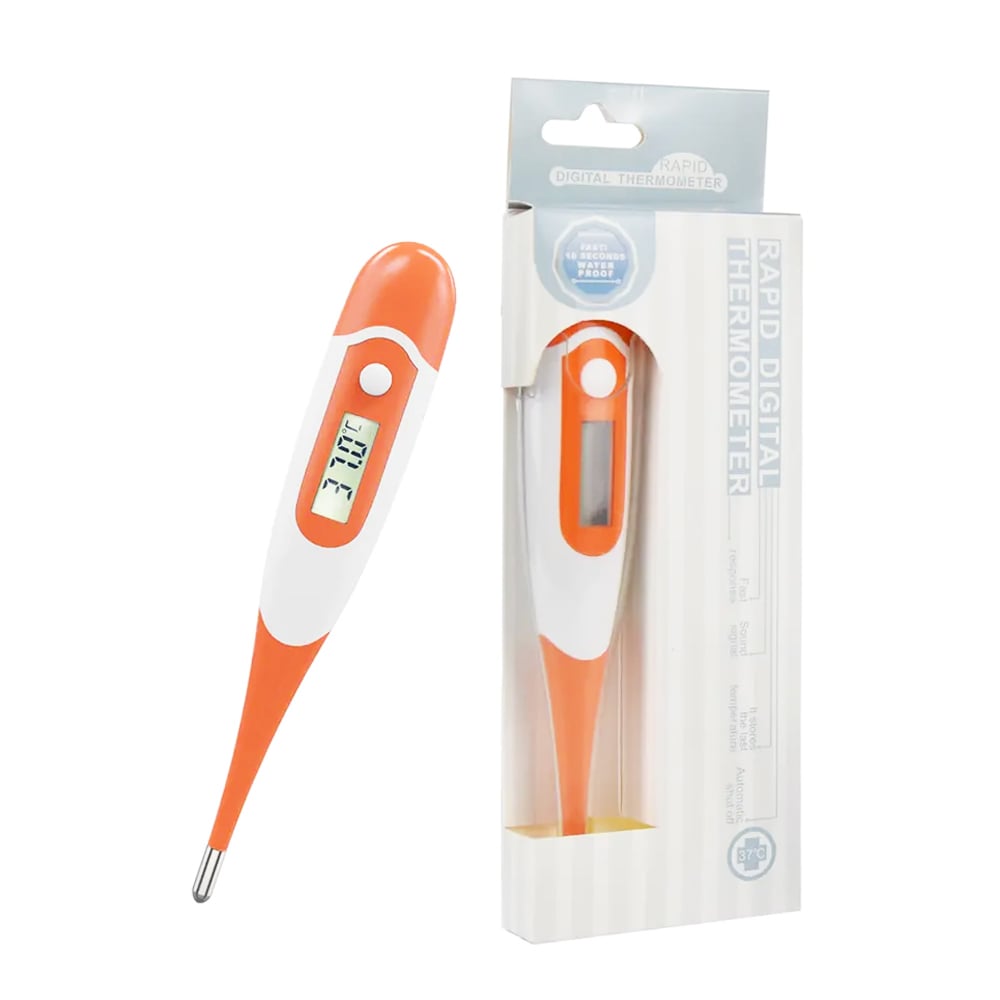
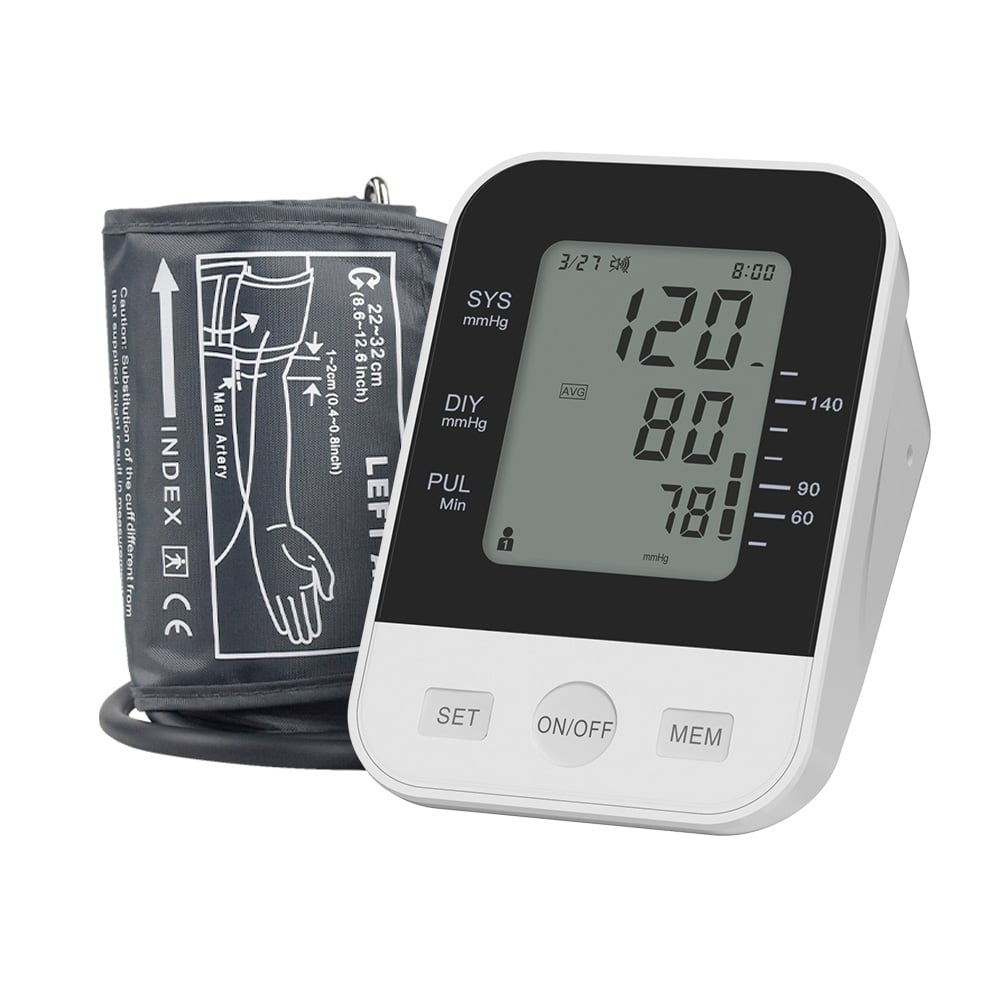
In the healthcare industry, a blood pressure cuff, stethoscope, and sphygmomanometer kit is an essential tool for accurately measuring patients' blood pressure. For B2B buyers such as purchasing managers, distributors, and healthcare professionals, understanding the specifications and quality of these kits is crucial for making informed purchasing decisions. This article will provide insights into key specifications, pricing, quality control, common usage issues, and the applications of blood pressure cuffs across various healthcare settings, empowering you to choose the right kit for your needs
Hangzhou Huaan provides blood pressure measurement products and related healthcare solutions for different clinical and medical applications. When evaluating blood pressure cuff, stethoscope, and sphygmomanometer kits from Hangzhou Huaan, B2B buyers can consider factors such as cuff size range, measurement accuracy, sphygmomanometer type, stethoscope quality, materials, scale readability, inflation and deflation performance, durability, calibration requirements, applicable medical standards, quality control, packaging, customization options, minimum order quantities, lead times, and supplier support to determine whether the kits meet specific healthcare, clinical, and patient monitoring requirements.
When selecting a blood pressure cuff stethoscope sphygmomanometer kit, several specifications should be prioritized to ensure optimal performance and accuracy. Key specifications include:
Cuff Size: Cuffs come in various sizes to accommodate different arm circumferences. It is vital to choose a cuff that fits the patient properly to obtain accurate readings. Typically, adult, pediatric, and neonatal sizes are available
Pressure Range: Ensure that the aneroid sphygmomanometer with stethoscope can measure a wide range of blood pressure values. A standard range is generally between 0 and 300 mmHg, which is suitable for most medical applications
Calibration: The sphygmomanometer should have an adjustable mechanism for calibration, ensuring that it maintains accuracy over time. Regular calibration checks should be conducted according to the manufacturer's guidelines
Material: The materials used in the cuff and the sphygmomanometer should be durable and easy to clean. Common materials include nylon, PVC, and latex-free options for those with allergies
Display Type: Digital sphygmomanometers provide easy readability, while manual ones require experience for accurate readings. Consider the preferred display type based on the user’s familiarity and comfort level
Certifications: Look for products that meet international standards such as CE, ISO13485:2003, and FDA approvals. These certifications indicate that the product has undergone rigorous testing for safety and efficacy
By evaluating these specifications, buyers can ensure they select a sphygmomanometer kit that meets their specific requirements and provides reliable performance in clinical settings.
Understanding the factors that influence wholesale pricing for blood pressure cuff and stethoscope kits is essential for making informed purchasing decisions. Key factors include:
Material Costs: The choice of materials used in manufacturing the cuffs and sphygmomanometers significantly impacts the price. Higher-quality materials typically lead to higher costs but can provide better durability and accuracy
Volume Discounts: Many manufacturers, including Hangzhou Huaan Medical Health Instruments Co., Ltd., offer discounts based on order quantities. Larger orders often yield better per-unit pricing, which is advantageous for wholesalers and healthcare providers
Customization Options: Customization, such as branding or specific features, can affect pricing. While customization may increase costs initially, it can enhance brand visibility and marketability
Manufacturing Location: The origin of production can influence pricing due to labor and production costs. Importing from regions with lower manufacturing costs can provide savings, but buyers should also consider logistics and import duties
Shipping and Handling: Costs associated with shipping and handling should be factored into the total price. Understanding shipping options and lead times can help buyers plan their purchases effectively
By considering these pricing factors, B2B buyers can better navigate the costs associated with sourcing blood pressure cuff and stethoscope kits and make informed purchasing decisions.
Quality control is a critical aspect of manufacturing blood pressure measurement devices, ensuring accuracy and reliability. Buyers should consider the following quality control processes:
Incoming Material Inspection: All raw materials used in the production of sphygmomanometer with stethoscope kits should undergo rigorous quality checks. This includes testing materials for durability, safety, and compliance with relevant standards
In-Process Testing: During manufacturing, regular inspections should be conducted to monitor production processes. This may include testing the calibration of sphygmomanometers and ensuring that cuffs are assembled correctly
Final Product Testing: After production, finished products should be tested for accuracy and functionality. This typically involves simulating blood pressure measurements to ensure that devices perform as expected
Documentation: Comprehensive documentation of quality control procedures and test results should be maintained. This not only helps in regulatory compliance but also builds trust with buyers
End-of-Line Audits: Conducting audits on the final production line can help identify any defects before products are shipped. This proactive approach minimizes the risk of sending faulty devices to customers
By understanding the quality control processes in place, buyers can have confidence in the reliability and accuracy of the blood pressure cuff stethoscope sphygmomanometer kits they purchase.
Proper installation of blood pressure cuff kits is essential for ensuring accurate measurements. However, common issues can arise during installation:
Incorrect Cuff Placement: One of the most frequent issues is improper cuff placement. Buyers should ensure that cuffs are placed on the arm at heart level and that they fit snugly without being too tight. Training for users can help mitigate this issue
Air Leakage: Air leaks can occur due to damaged tubing or poor connections. Before using the device, inspect all connections and tubing for integrity. If leaks are detected, replacement parts should be sourced immediately
Calibration Errors: If the stethoscope and sphygmomanometer are not calibrated correctly, readings can be inaccurate. Regular calibration checks should be conducted, and manufacturers should provide guidelines for users to follow
User Error: Lack of training can lead to user errors that affect measurement accuracy. Providing comprehensive training on how to use the equipment can significantly reduce errors
Compatibility Issues: Ensure that the cuff is compatible with the sphygmomanometer being used. Mismatched components can lead to inaccurate readings. Buyers should verify compatibility before making a purchase
By addressing these common installation issues proactively, buyers can enhance the efficacy of their blood pressure measurement devices and improve patient outcomes.
Blood pressure cuffs are widely used across various healthcare settings for vital patient assessments. Key applications include:
Hospitals: In hospital environments, blood pressure cuffs are used in emergency rooms, surgical units, and patient wards to monitor patients' blood pressure continuously and make timely medical decisions
Clinics: Outpatient clinics utilize these devices for routine check-ups and chronic disease management, enabling healthcare professionals to track patients' blood pressure over time
Home Healthcare: With the rise of telehealth, home healthcare providers use blood pressure cuff kits for remote monitoring. Patients can self-measure their blood pressure, allowing healthcare professionals to manage conditions without in-person visits
Sports Medicine: In sports medicine, these devices are used to monitor athletes’ cardiovascular health, ensuring that they remain within safe blood pressure ranges during training and competition
Research and Clinical Trials: Blood pressure measurement is a critical component in clinical trials and research studies that assess cardiovascular health, medication efficacy, and other health outcomes
By understanding the diverse applications of blood pressure cuffs, buyers can better assess the needs of their specific healthcare setting and select the appropriate kits that meet those requirements.
JASUN is a registered trademark of Hangzhou Hua'an Medical & Health Instruments Co.,Ltd. Your first option for premium thermometer suppliers in China with CE, MDR, ISO13485:2003, FDA and BSCI certificates.
Our location: Building 2,1# Fuzhu Nan RD, Wuchang Town, Yuhang District, Hangzhou, Zhejiang 310023, China
HOURS: 8:30AM - 6:00PM
Copyright © Hangzhou Hua'an Medical & Health Instruments Co.,Ltd. All Rights Reserved Blog Privacy Policy
 EN