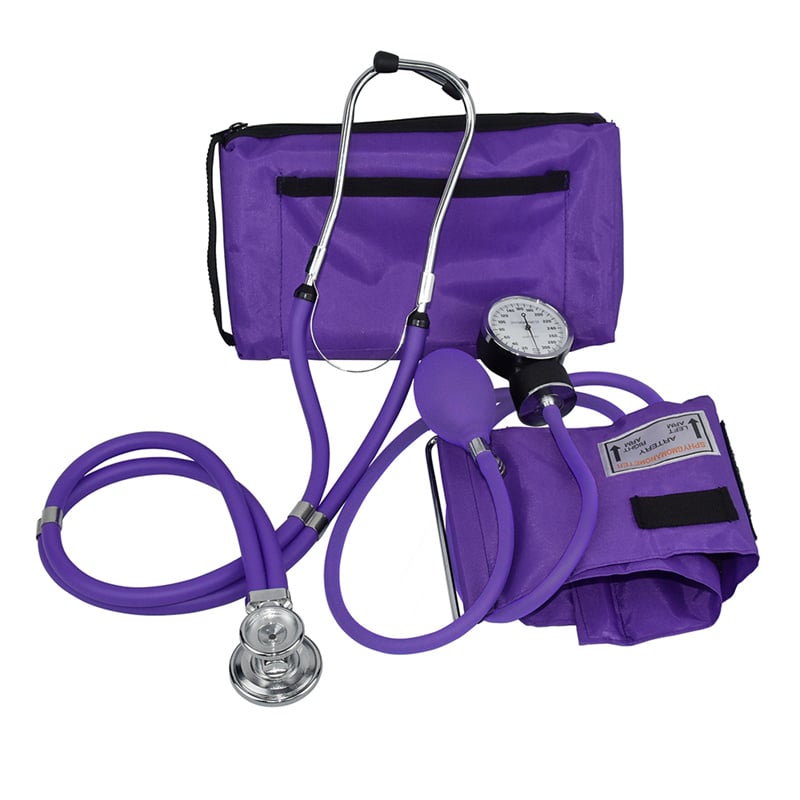
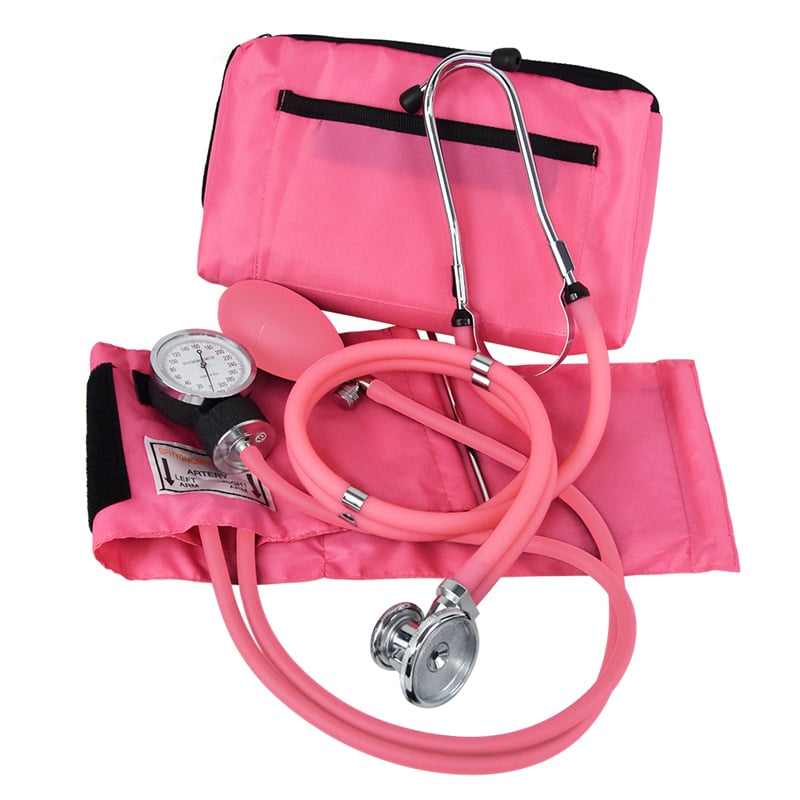
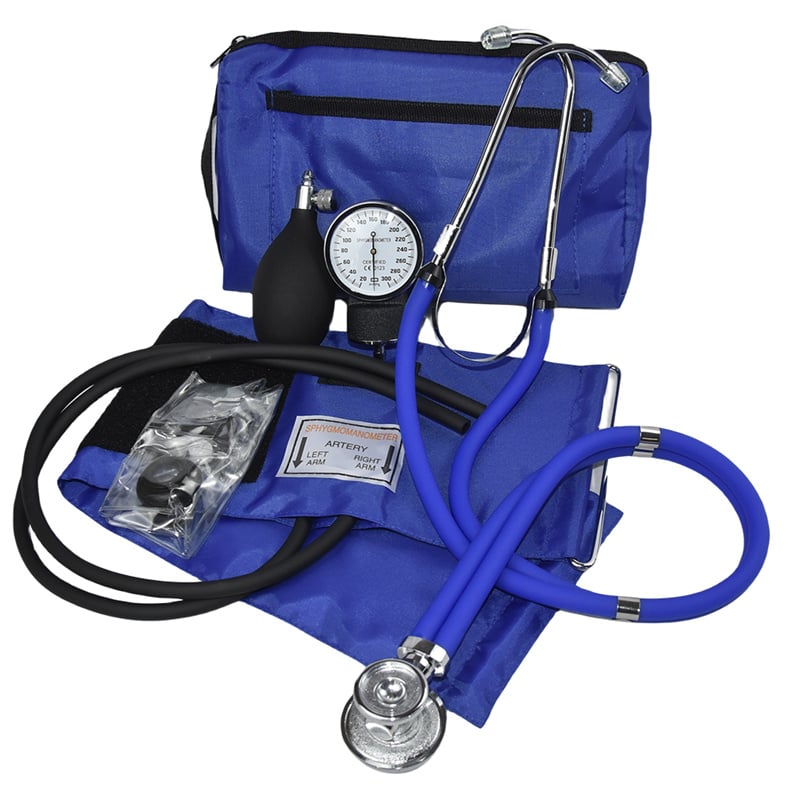
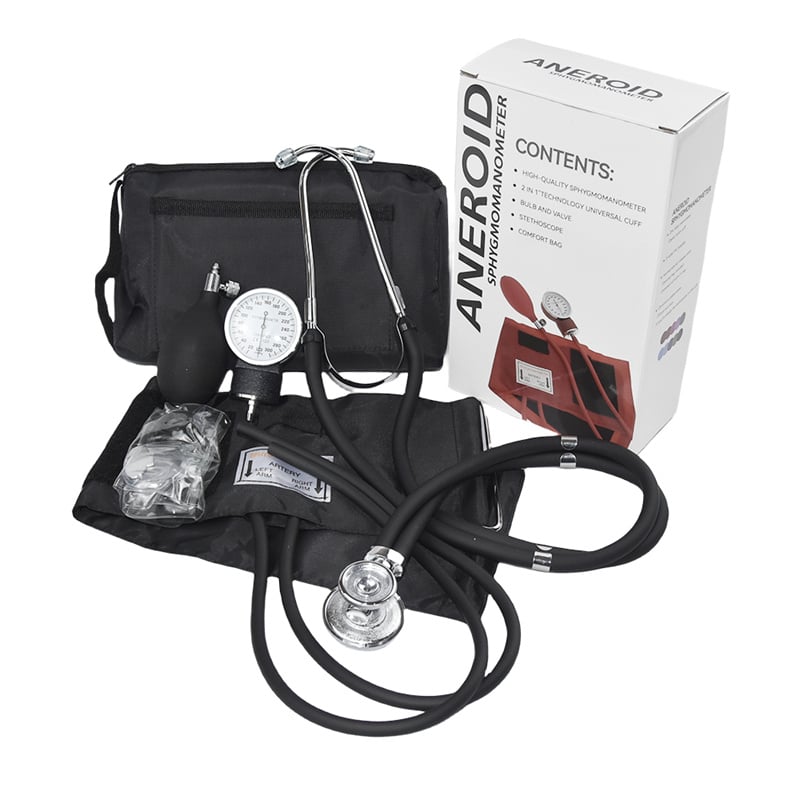
When it comes to essential medical instruments, a stethoscope and sphygmomanometer are critical tools in healthcare settings. These devices not only aid in patient assessment but also play a vital role in monitoring overall health. For B2B buyers like purchasing managers and distributors, understanding the specifications, quality indicators, and potential challenges of these instruments is crucial for informed decision-making. This article will provide insights into these sphygmomanometer with stethoscope devices, helping you navigate the purchasing process effectively.
When selecting a sphygmomanometer, several specifications are key to ensuring accurate blood pressure readings. The primary considerations include:
Measurement Range: Ensure that the device can measure a range that suits your target patient demographic. For instance, pediatric sphygmomanometers cater to children, while adult models accommodate a wider range of arm sizes.
Accuracy: The accuracy of readings is paramount. Look for sphygmomanometers that meet international standards, such as those established by the European Society of Hypertension (ESH) or the American Medical Association (AMA). Devices should ideally provide readings within ±3 mmHg to be considered reliable.
Cuff Size: The cuff should fit snugly around the arm to ensure accurate readings. Different sizes are available, so consider the average arm circumference of your patient population. Measuring cuffs that come with the device should be adjustable and available in various sizes.
Power Source: Sphygmomanometers can be manual or automatic. Automatic devices often come with rechargeable batteries or AC power options. Consider your usage environment, manual models may be preferable in locations without easy access to power.
These specifications not only ensure the functionality of the aneroid sphygmomanometer with stethoscope but also enhance the overall patient experience by improving accuracy and comfort.
When purchasing stethoscopes in bulk, quality evaluation is essential. Here are key factors to consider:
Acoustic Performance: Higher quality stethoscopes offer superior acoustic sensitivity. Look for models with dual-lumen tubing that prevents sound interference, enhancing the clarity of heart and lung sounds.
Materials: The construction material affects both durability and acoustic performance. Stainless steel chest pieces provide durability, while lightweight materials like aluminum can improve comfort for prolonged use.
Customization Options: For bulk orders, inquire about customization options. This can include branding with your company logo or specific color choices. Customization may also extend to the length of the tubing, which can be tailored to suit user preferences.
Warranty and Support: Quality stethoscopes often come with warranties ranging from 2 to 5 years. Assess the manufacturer’s support policies and expected lifespan of the stethoscope to understand your long-term investment.
User Feedback: Consider reviews and feedback from healthcare professionals who have used the aneroid sphygmomanometer. Real-world usage often reveals insights about performance that specifications alone may not convey.
By focusing on these aspects, buyers can ensure that the stethoscopes procured will meet the needs of healthcare professionals and enhance the patient assessment process.
Sphygmomanometers, while reliable, can encounter a range of issues. Here are some common problems along with their solutions:
Inaccurate Readings: This can arise from improper cuff size or placement. Always ensure the cuff is applied at heart level and fits snugly. Regular calibration against a standard reference device is also recommended to maintain accuracy.
Cuff Leaks: Cuffs can develop leaks over time, leading to erroneous readings. Regularly inspect for wear and tear. Replace cuffs showing signs of damage or wear to maintain performance.
Power Failures: For automatic sphygmomanometers, power issues can lead to operational failures. Ensure to check battery levels frequently and maintain a supply of fresh batteries. For AC-powered models, inspect the power cord for damage.
User Error: Improper usage techniques can lead to inaccurate readings. Training staff on proper techniques and conducting routine competency assessments can alleviate this issue.
By proactively addressing these problems, healthcare facilities can ensure continuous, accurate blood pressure monitoring.
When purchasing stethoscopes and sphygmomanometers, several cost factors should be evaluated:
Initial Purchase Price: This should be weighed against the expected lifespan and reliability of the device. A lower upfront cost may lead to higher long-term expenses if the device requires frequent replacement.
Bulk Discounts: Many manufacturers offer discounts for bulk orders. This can significantly reduce the per-unit cost, making it economically beneficial for larger healthcare practices.
Maintenance Costs: Consider the long-term maintenance costs associated with the instruments. Devices requiring frequent calibration or parts replacement can lead to unforeseen expenses.
Training and Support: Some suppliers offer training on the use of their devices, which can incur additional costs but may enhance operational efficiency and accuracy.
Warranty and Service Plans: Evaluate warranty terms and the availability of service plans. Extended warranties can mitigate future repair costs, making them a worthwhile investment.
Understanding these cost factors will help buyers align their budget with their operational needs and ensure a wise investment.
Proper installation and setup of stethoscopes and sphygmomanometers are essential for optimal performance. Here’s a brief guide:
Stethoscopes: Ensure that users understand how to position the chest piece for optimal sound transmission. For dual-headed models, educate users on when to switch between the diaphragm and bell for different sounds (high-frequency vs. low-frequency).
Sphygmomanometers: For manual devices, ensure that the manometer is calibrated to zero before use and that the cuff is applied correctly. For automatic models, follow the manufacturer’s instructions for setup and ensure the device is placed on a stable surface.
Regular Calibration: Establish a routine for calibrating devices according to manufacturer guidelines. This is particularly important for sphygmomanometers to ensure ongoing accuracy.
User Training: Conduct training sessions for staff on proper installation and usage techniques. This will enhance user confidence and ensure more reliable readings.
By following these guidelines, healthcare facilities can maximize the effectiveness of their medical instruments, leading to better patient outcomes.
JASUN is a registered trademark of Hangzhou Hua'an Medical & Health Instruments Co.,Ltd. Your first option for premium thermometer suppliers in China with CE, MDR, ISO13485:2003, FDA and BSCI certificates.
Our location: Building 2,1# Fuzhu Nan RD, Wuchang Town, Yuhang District, Hangzhou, Zhejiang 310023, China
HOURS: 8:30AM - 6:00PM
Copyright © Hangzhou Hua'an Medical & Health Instruments Co.,Ltd. All Rights Reserved Blog Privacy Policy
 EN