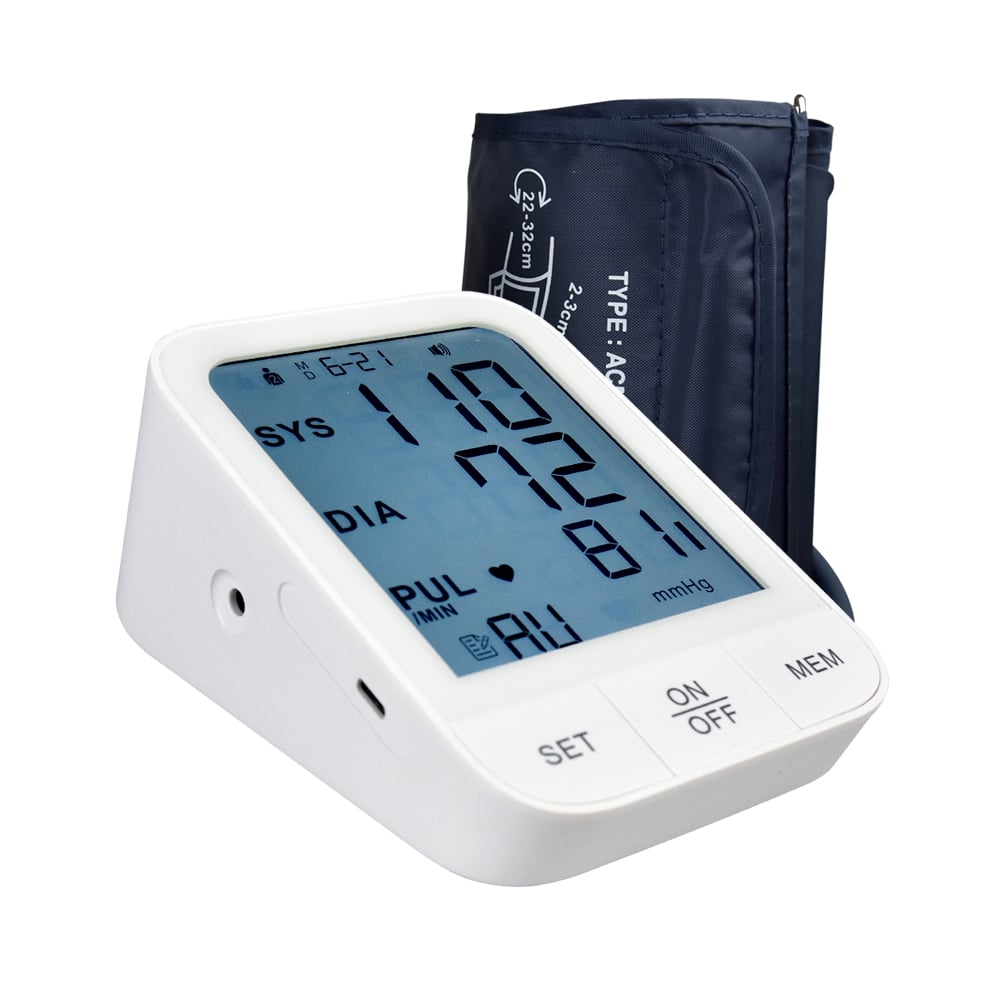
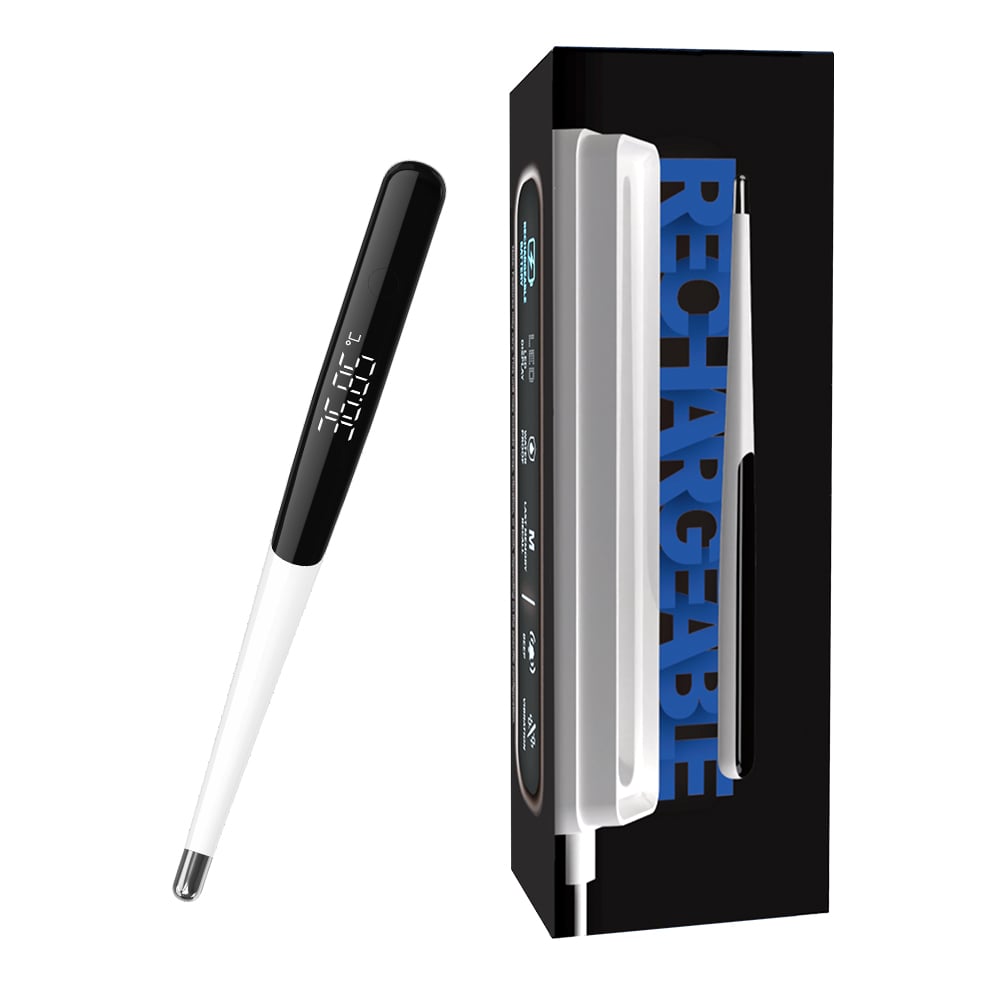
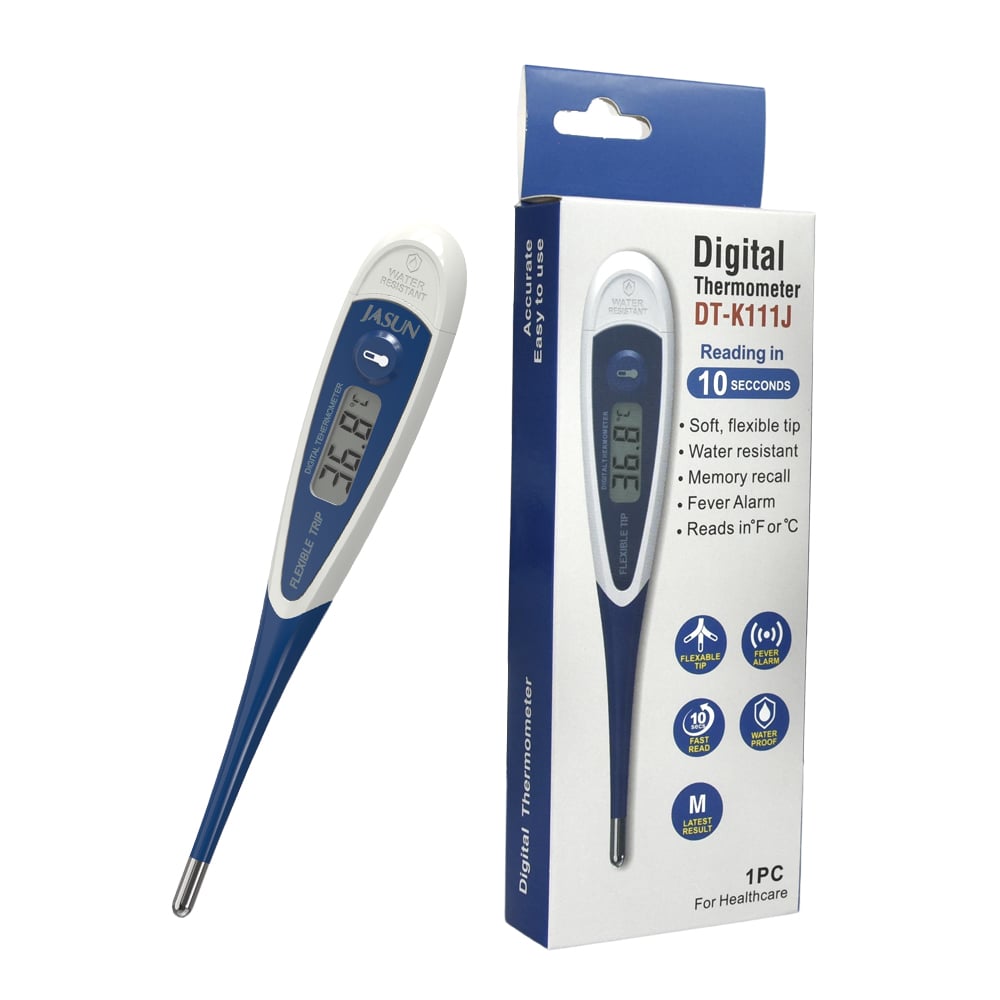
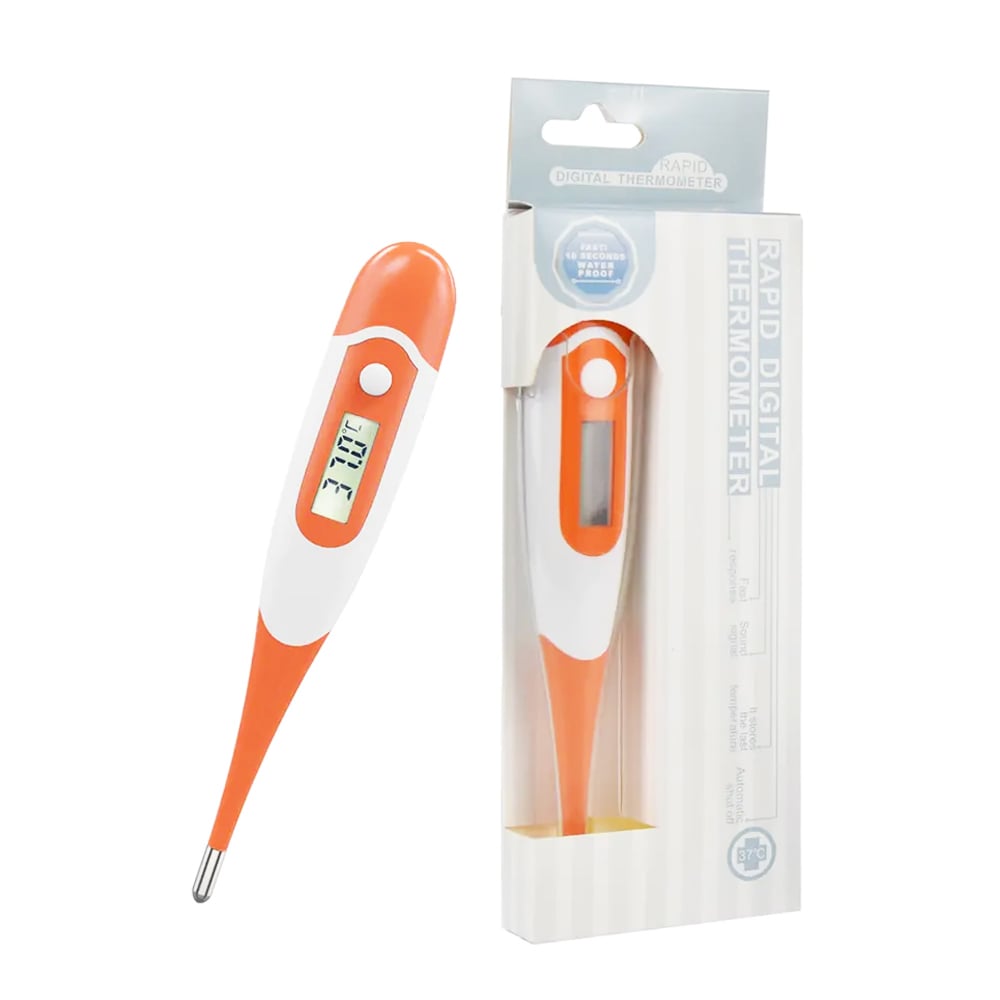
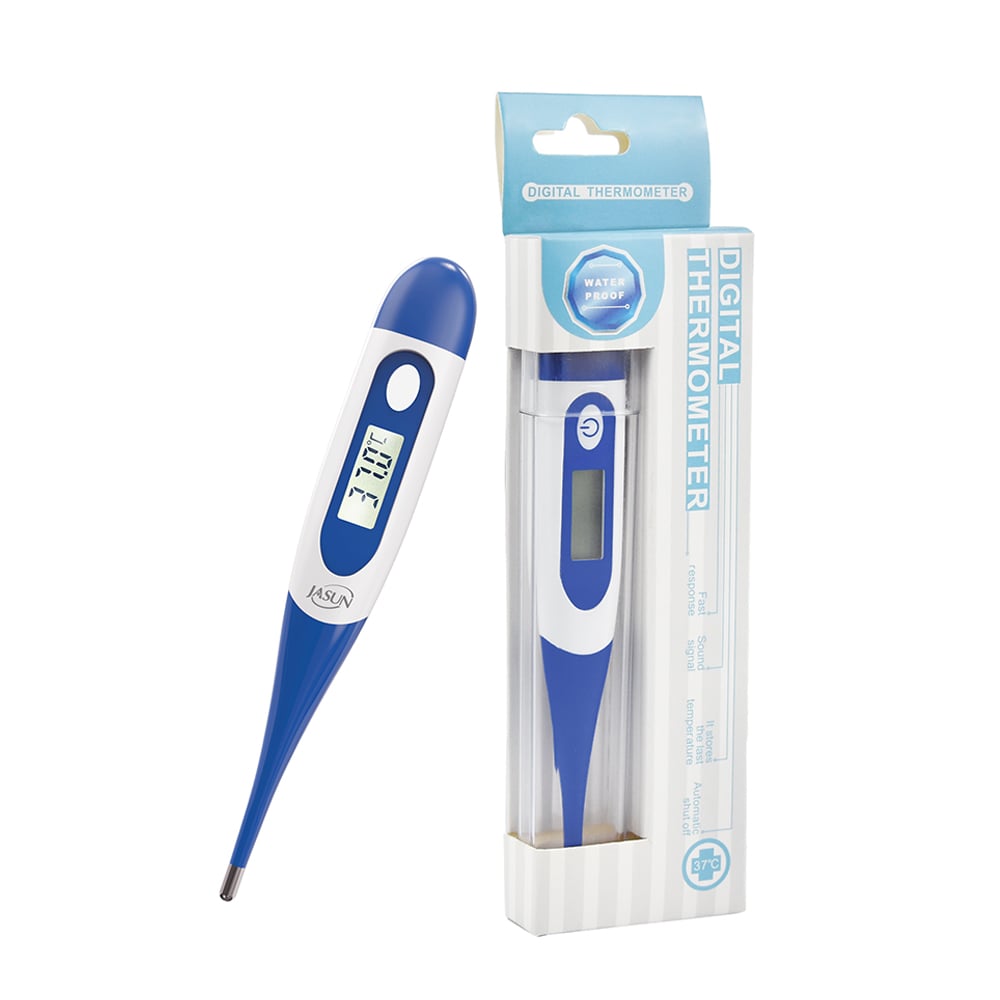
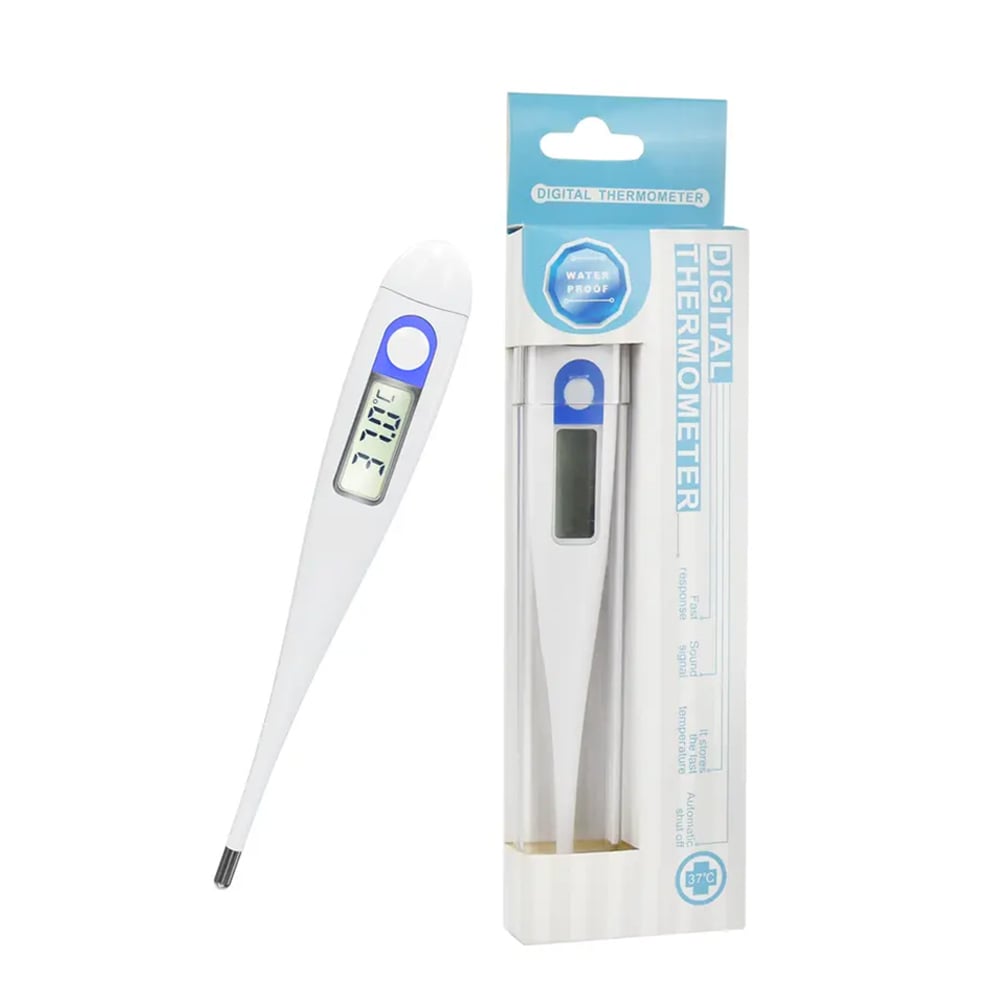
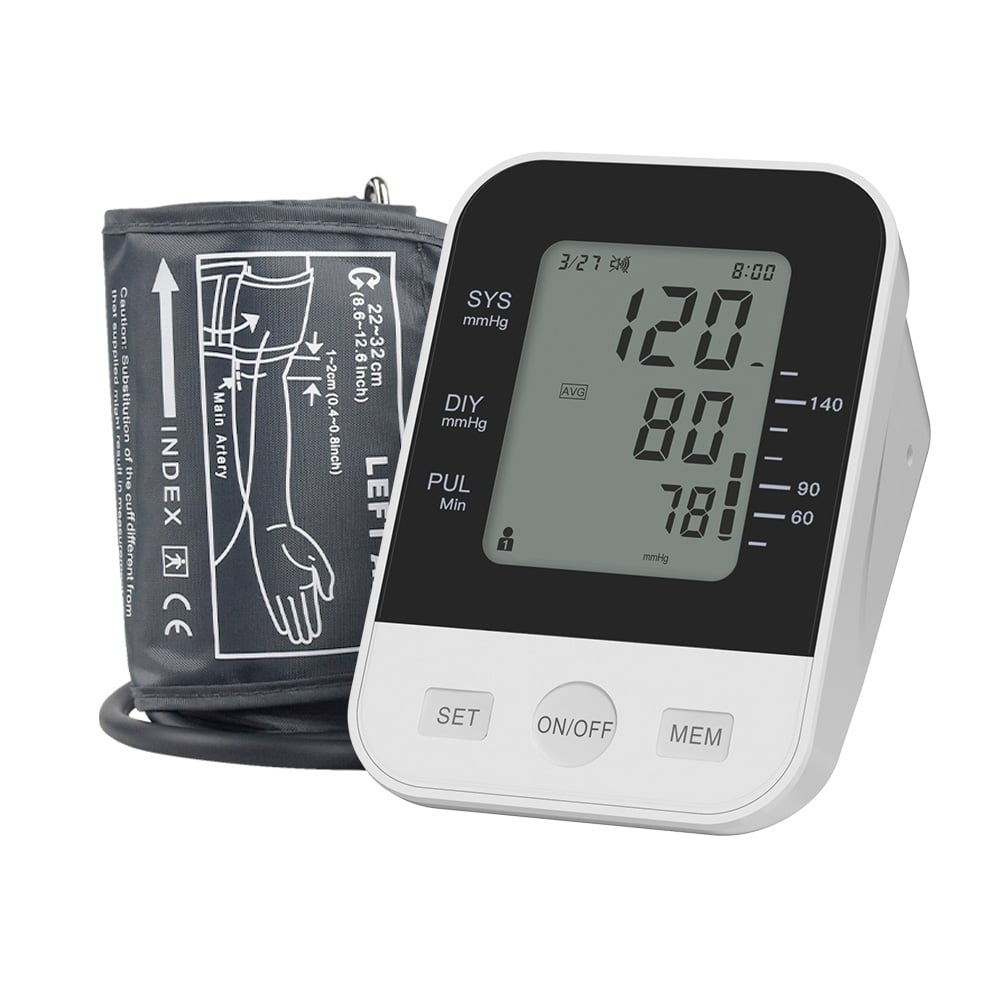
In the realm of medical equipment, BP machines, or blood pressure machines, are vital tools for monitoring cardiovascular health. As a B2B buyer, whether you're a purchasing manager, distributor, or healthcare provider, you need to ensure that the BP machines you source offer accuracy, reliability, and comfort for users. This article provides insights into key specifications, manufacturer selection, installation guidance, cost considerations, and reliable suppliers, helping you make informed decisions when sourcing BP machines for your organization.
When evaluating BP machines, several specifications are crucial to ensure they meet the needs of your application. Key features include:
Measurement Range: The range of blood pressure readings a machine can accurately measure is essential. Standard devices typically measure between 0 to 300 mmHg, but understanding your target patient demographic can influence this choice.
Accuracy Standards: Look for machines that comply with established accuracy standards, such as those set by the American National Standards Institute (ANSI) or the European Society of Hypertension (ESH). An accurate BP machine is vital for reliable patient assessments.
Display Type: Digital displays are common in modern BP machines, providing clear readings. Some devices offer backlit screens for better visibility in low-light conditions, which can be a practical consideration in hospital settings.
Comfort Features: For patient comfort, consider machines with adjustable cuffs that fit various arm sizes, as well as features that minimize discomfort during measurement.
Durability and Maintenance: BP machines should be robust enough to withstand regular use in clinical environments. gallium thermometer and construction quality affect durability, while ease of maintenance can reduce long-term operational costs.
Understanding these specifications will help you select the right BP machine that aligns with your operational requirements and patient care standards.
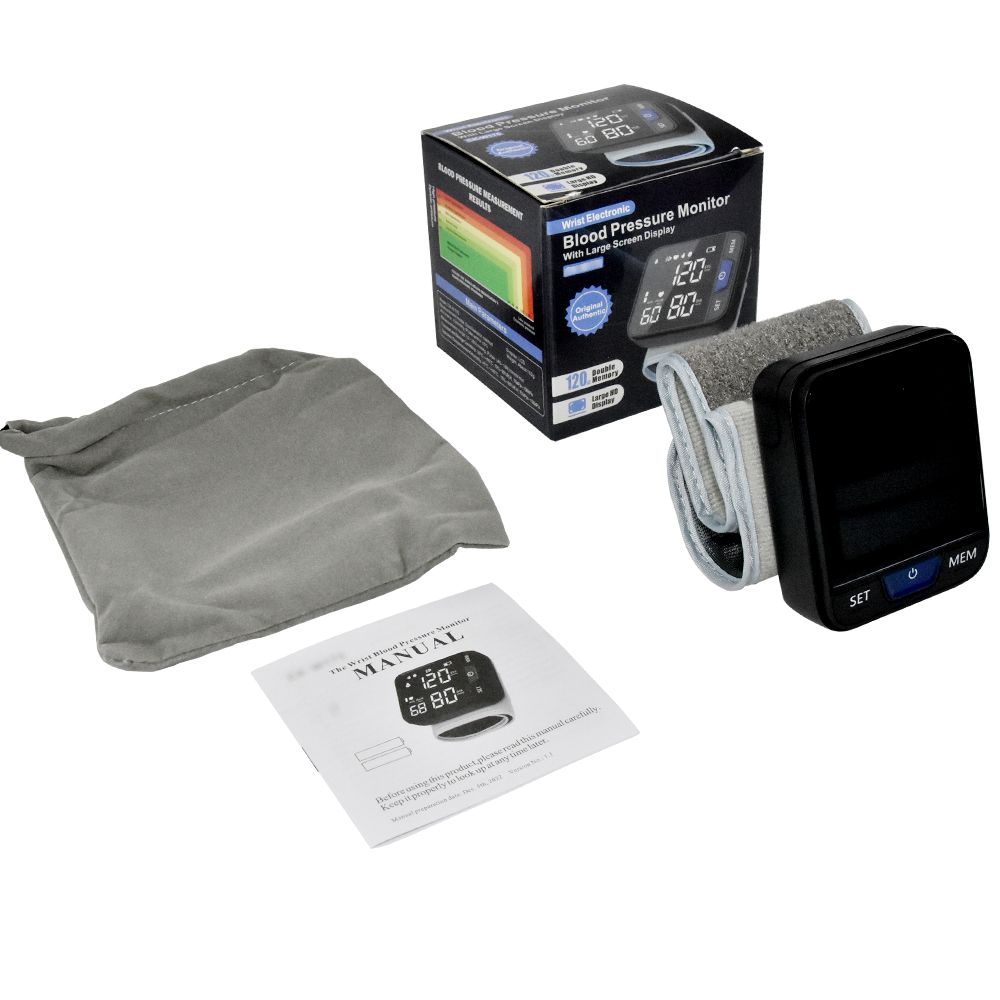
Choosing the right manufacturer is critical to sourcing high-quality BP machines. Here are factors to consider during your evaluation:
Certifications: Ensure that the manufacturer holds relevant certifications such as CE, ISO 13485:2003, and FDA approval. These certifications indicate compliance with international quality and safety standards, providing peace of mind regarding product reliability.
OEM/ODM Capabilities: A manufacturer with strong OEM (Original Equipment Manufacturer) and ODM (Original Design Manufacturer) capabilities can offer customized solutions tailored to your specific requirements, enhancing the product's fit for your market.
Research and Development (R&D): A company with a robust R&D department is likely to have innovative products that incorporate the latest technology and features, ensuring you have access to cutting-edge solutions.
Production Capacity: Evaluate the manufacturer's production capabilities to ensure they can meet your order volume requirements. This is particularly important for bulk purchases, where delays can affect your supply chain.
Customer Support: Reliable customer service and technical support from the manufacturer can greatly enhance your purchasing experience. Look for companies that provide comprehensive support, including installation guidance, user training, and troubleshooting.
By considering these factors, you can partner with a manufacturer that not only supplies quality BP machines but also supports your operational needs.
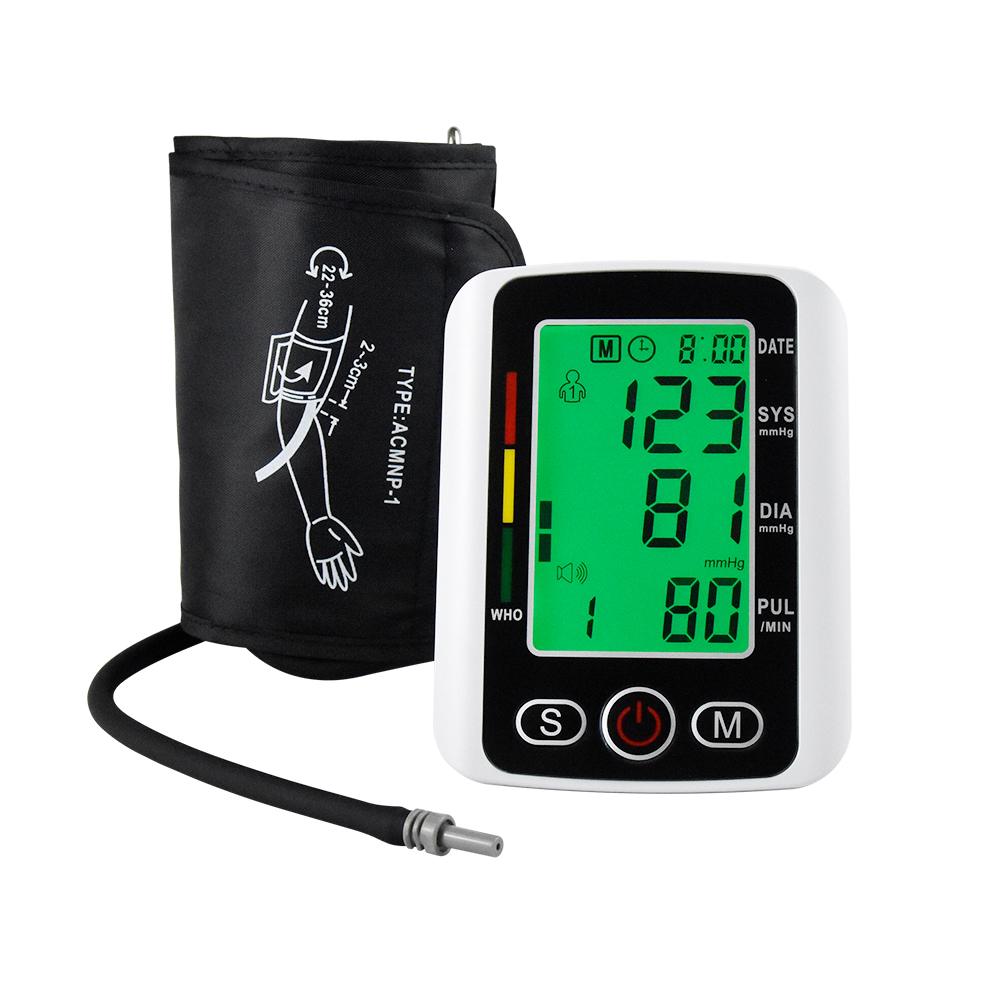
Proper installation and usage of BP machines are essential for achieving accurate measurements. Here are some tips for optimal setup:
Location: Place the BP machine in a quiet area to minimize distractions that may affect readings. Ensure the device is on a stable surface to prevent movement during measurement.
Calibration: Regular calibration is crucial to maintain accuracy. Ensure that your BP machines are calibrated according to the manufacturer’s specifications, ideally in accordance with a standardized protocol.
User Training: Provide training for all personnel who will operate the machines. This includes understanding how to properly position the cuff, select the correct size, and interpret the readings accurately.
Maintenance Practices: Implement routine maintenance checks, including cleaning and inspecting the machine for wear and tear. digital thermometer will help prevent issues that could compromise measurement accuracy.
Documentation: Keep detailed records of installation and calibration dates, maintenance checks, and any issues encountered. This documentation can be useful for compliance and quality assurance audits.
By following these guidelines, you can ensure that your BP machines are installed correctly and used effectively, leading to better patient outcomes.
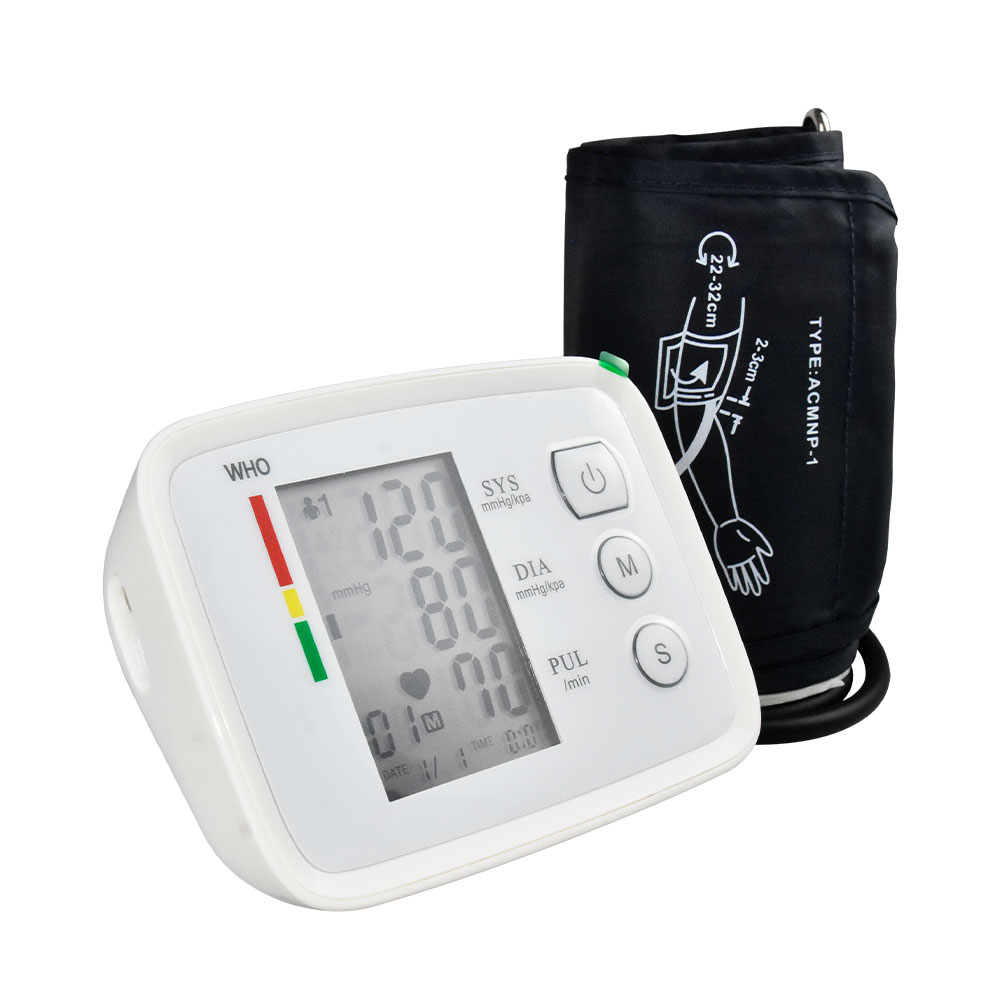
When purchasing BP machines in bulk, understanding the cost factors involved is essential for budgeting and financial planning:
Unit Price: The cost per unit can vary significantly based on the specifications and features of the BP machines. Be prepared to compare prices across different manufacturers, keeping in mind that lower prices may not always equate to lower total costs if quality is compromised.
Shipping and Handling: Consider the costs associated with shipping, which can vary based on distance and volume. Some manufacturers may offer bulk shipping discounts, which can help reduce overall expenses.
Import Duties and Taxes: If you're sourcing from international suppliers, be aware of any import duties and taxes that may apply. These instant read thermometer can substantially increase your total investment.
Warranty and Service Agreements: Evaluate the warranty period and what it covers. A more extended warranty might come with a higher initial cost but can provide long-term savings through reduced repair and replacement expenses.
Payment Terms: Understand the payment terms offered by the manufacturer. Flexible payment options or discounts for early payment can improve cash flow management.
By considering these factors, you can better manage your budget and ensure that you are making a financially sound investment in BP machines.
Finding reliable suppliers for BP machines is crucial for ensuring quality and consistency. Here are some strategies to locate trustworthy manufacturers:
Industry Trade Shows: Attending medical equipment trade shows can provide direct access to manufacturers, allowing you to see products firsthand and engage with company representatives.
Online Marketplaces: Reputable B2B platforms like Alibaba, Made-in-China, or Global Sources can connect you with a variety of manufacturers. Look for those with positive reviews and established track records.
Industry Associations: Consider reaching out to industry associations or trade groups related to medical devices. They often have directories of certified manufacturers and suppliers.
Networking: Engage with colleagues in the healthcare industry to share experiences and recommendations regarding suppliers. Personal referrals can often lead to finding trusted partners.
Supplier Evaluations: Once you have a shortlist of potential suppliers, conduct thorough evaluations, including site visits if feasible. Assess their production capabilities, quality control processes, and customer service responsiveness.
By employing these strategies, you can enhance your chances of partnering with reputable suppliers, ensuring a steady supply of high-quality BP machines for your business.
JASUN is a registered trademark of Hangzhou Hua'an Medical & Health Instruments Co.,Ltd. Your first option for premium thermometer suppliers in China with CE, MDR, ISO13485:2003, FDA and BSCI certificates.
Our location: Building 2,1# Fuzhu Nan RD, Wuchang Town, Yuhang District, Hangzhou, Zhejiang 310023, China
HOURS: 8:30AM - 6:00PM
Copyright © Hangzhou Hua'an Medical & Health Instruments Co.,Ltd. All Rights Reserved Blog Privacy Policy
 EN