EN
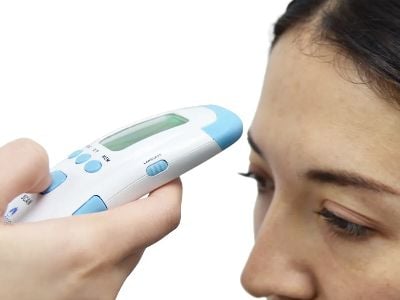
Choosing the right infrared thermometer can be a critical decision for B2B importers and distributors. This Infrared Thermometer Factory Selection Guide for B2B Importers aims to address key concerns such as product accuracy, durability, and compliance with industry standards. As a professional buyer, understanding the technical specifications, pricing factors, and potential installation issues will empower you to make informed purchasing decisions
How to Choose the Right Infrared Thermometer for Your Needs
Selecting the appropriate infrared thermometer newborn involves understanding the specific requirements of your industry and application. Consider factors such as measurement range, response time, and accuracy. For instance, medical-grade thermometers typically need to provide precise readings quickly, making accuracy a top priority
Additionally, assess the comfort and usability of the devices, especially if they will be used in healthcare settings where patient interaction is frequent. Look for features such as non-contact measurements, which enhance comfort and reduce the risk of cross-contamination
Lastly, compatibility with existing systems or processes is crucial. Ensure that the thermometer can integrate seamlessly with data management systems if applicable, providing you with real-time data tracking and reporting capabilities
Key Specifications to Consider When Sourcing Infrared Thermometers
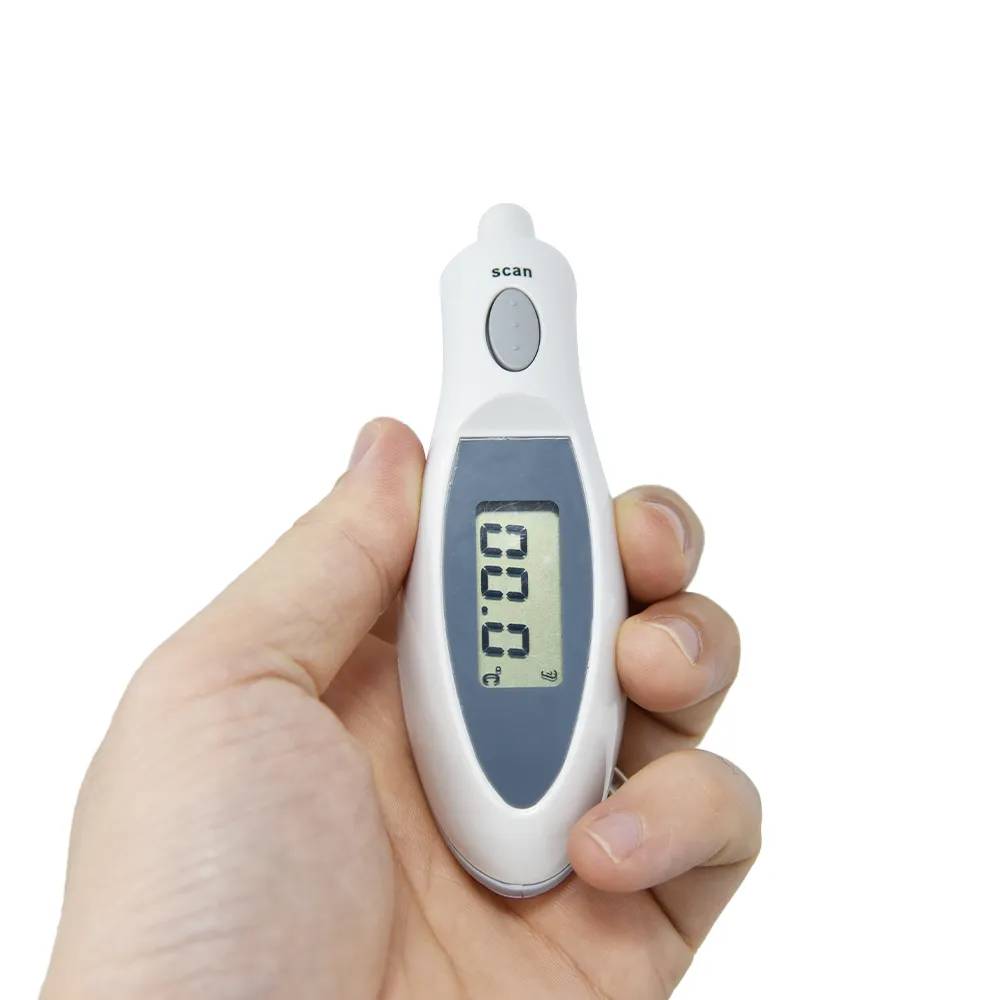
When sourcing infrared thermometers, several key specifications should be carefully evaluated
Measurement Range: Determine the range of temperatures the thermometer can measure. Medical applications typically require a narrower range compared to industrial uses
Accuracy: Look for thermometers with a stated accuracy level, usually expressed as a percentage of reading or in degrees Celsius. Higher accuracy is essential for use in critical environments like hospitals
Response Time: Fast response times are crucial for effective temperature monitoring, especially in high-traffic environments such as clinics or factories
Durability: Consider the materials used in the construction of the thermometer. Devices made from high-quality plastics or metals may offer better durability and resistance to environmental factors
Certifications: Verify that the thermometer meets necessary standards such as CE, ISO13485, and FDA certifications, which indicate compliance with safety and quality regulations
By carefully evaluating these specifications, you can ensure that the infrared thermometer you choose meets the operational needs and regulatory requirements of your market
Understanding Pricing for Bulk Infrared Thermometers
Pricing for bulk infrared thermometer for fevers can vary significantly based on several factors. Generally, the price will be influenced by the specifications of the thermometer, the volume of the order, and the customization options requested
For instance, basic models may start at lower price points, while advanced models with enhanced features will command higher prices. Additionally, purchasing in bulk often leads to discounts, but the minimum order quantity (MOQ) must be considered
Custom features, such as branding or specific calibration adjustments, may also affect the final pricing. It’s advisable to gather quotes from multiple manufacturers to understand the market range and negotiate better terms based on your specific needs
Common Installation Issues with Infrared Thermometers and Solutions
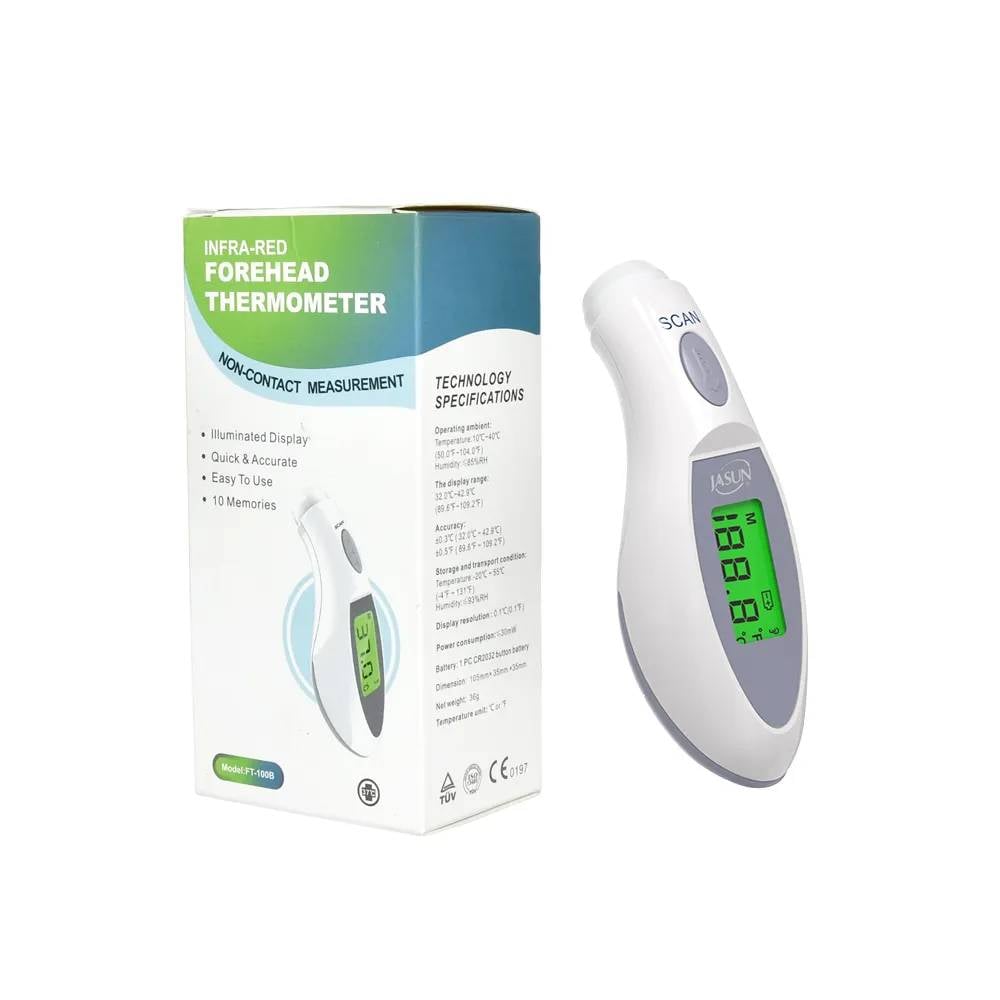
When installing infrared thermometers, buyers may encounter several common issues. One frequent problem is improper placement, which can lead to inaccurate readings. To mitigate this, ensure that the thermometer is positioned according to the manufacturer's guidelines, typically at the recommended distance from the object being measured
Another issue pertains to environmental factors, such as ambient temperature and humidity, which can affect accuracy. It's essential to install the thermometer in a stable environment, away from direct sunlight or drafts
Calibration is another critical aspect. Regular calibration checks are necessary to maintain accuracy over time. Establish a routine for checking calibration, particularly in high-use settings, to ensure consistent performance
Wholesale Purchasing Tips for Importers of Infrared Thermometers
For B2B importers looking to purchase infrared thermometers wholesale, several important tips can help streamline the process
Request Samples: Before committing to a large order, always request samples. This allows you to assess the product quality, functionality, and compliance with specifications firsthand
Define Your Requirements: Clearly outline your needs regarding specifications, customization, and delivery timelines when communicating with suppliers. This clarity helps prevent misunderstandings and ensures that the final product meets your expectations
Evaluate Suppliers: Assess potential suppliers based on their experience, manufacturing capabilities, and certifications. A well-established manufacturer like Hangzhou Huaan Medical Health Instruments Co., Ltd., known for its reliable temperature measuring devices, can offer both quality and assurance
Check References: Ask for references or case studies from other buyers who have worked with the supplier. This can provide insights into the supplier's reliability and the performance of their products
Negotiate Terms: Don’t hesitate to discuss payment terms, lead times, and warranty provisions. A good supplier will be willing to negotiate to build a long-term partnership
By following these tips, B2B importers can enhance their purchasing strategy and ensure they select the right infant infrared thermometer for their applications
Table of Contents
- How to Choose the Right Infrared Thermometer for Your Needs
- Key Specifications to Consider When Sourcing Infrared Thermometers
- Understanding Pricing for Bulk Infrared Thermometers
- Common Installation Issues with Infrared Thermometers and Solutions
- Wholesale Purchasing Tips for Importers of Infrared Thermometers