EN
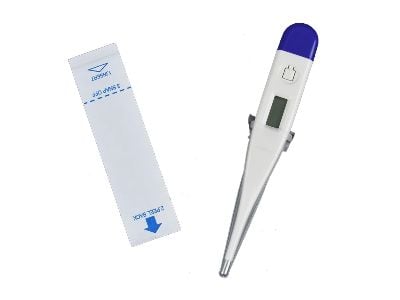
Understanding the regulations surrounding medical thermometers is crucial for manufacturers, distributors, and healthcare providers alike. The compliance with Medical Thermometer Import Regulations: CE & FDA Standards ensures that products not only meet safety requirements but also perform accurately in clinical settings. This article will address the critical concerns buyers have when sourcing thermometers, including regulatory compliance, specifications, quality assessment, installation guidance, and application across various industries.
Understanding CE & FDA Regulations for Medical Thermometers
When importing medical thermometers, adherence to CE (Conformité Européenne) and FDA (Food and Drug Administration) standards is essential. CE marking indicates that the product meets European Union safety, health, and environmental protection requirements, while FDA approval ensures compliance with U.S. regulations concerning medical devices.
For thermometers, CE certification involves demonstrating compliance with the Medical Device Regulation (MDR), which includes performance evaluation and risk management. FDA approval, on the other hand, typically requires manufacturers to submit a premarket notification (510(k)) to show that their product is safe and effective. Buyers should ensure that the thermometers they source carry these certifications to facilitate smooth importation and acceptance in healthcare settings.
Key Specifications to Consider When Sourcing Thermometers
Selecting the right medical thermometer involves understanding key specifications that impact performance and application. Important parameters include:
Measurement Range: The thermometer should accurately measure temperatures within the desired range for its intended use, typically between 32°C to 42°C for human body temperature.
Accuracy and Precision: Ensure the thermometer meets performance standards; an accuracy of ±0.2°C is common for clinical thermometers. This is critical for patient safety, as inaccurate readings can lead to misdiagnosis.
Response Time: The speed at which a gallium thermometer provides a reading can affect its usability in fast-paced environments, such as emergency rooms. Look for devices that deliver results within seconds.
Power Source: Thermometers can be battery-operated or rechargeable. Consider the implications for maintenance and operational costs.
Display Type: Digital displays are preferred for ease of reading, especially for users with varying levels of technical expertise.
Buyers should confirm these specifications based on their application needs, as the requirements may vary between clinical and home use.
Evaluating the Quality of Medical Thermometers for Wholesale
Quality assessment is paramount when sourcing medical thermometers for wholesale distribution. Factors to consider include:
Certification Verification: Confirm that the manufacturer holds valid certifications (CE, FDA, ISO13485) that ensure product quality and compliance with international standards.
Material Selection: Assess the materials used in the thermometer construction. High-quality plastics and metals are essential for durability and safety.
Quality Control Processes: Inquire about the manufacturer’s quality control procedures. A robust process should include testing for accuracy and reliability under various conditions.
Sample Approval: Before placing a bulk order, request samples for testing. Evaluate the thermometer for armpit under actual operating conditions to ensure they meet performance expectations.
By scrutinizing these quality factors, buyers can mitigate risks associated with sourcing substandard products.
Installation Guidance for Medical Thermometers in Healthcare Settings
Proper installation and usage of medical thermometers are critical for ensuring accurate temperature readings. Here are some guidelines:
Training Staff: Healthcare workers should receive training on the correct usage of thermometers, including calibration procedures and how to interpret readings accurately.
Placement and Storage: Thermometers should be stored in a controlled environment to prevent damage and ensure accuracy. Follow the manufacturer’s recommendations for storage conditions.
Calibration: Regular calibration is necessary to maintain accuracy. Establish a schedule for calibration checks based on usage frequency and manufacturer guidelines.
Maintenance Protocols: Implement maintenance protocols to clean and disinfect thermometers, especially those used in clinical settings. This helps prevent cross-contamination and ensures hygiene standards are met.
By following these installation and maintenance recommendations, healthcare facilities can ensure the reliable performance of their thermometer inventory.
Applications of Medical Thermometers in Different Industries
Medical thermometers are versatile devices used across various industries beyond just healthcare. Their applications include:
Clinical Settings: Used for patient temperature monitoring, especially in hospitals, clinics, and during home healthcare visits.
Pharmaceuticals: Essential in ensuring that temperature-sensitive medications are stored and transported within required temperature ranges.
Food Safety: Employed in the food industry to monitor temperatures during cooking and storage, ensuring compliance with safety regulations.
Research and Development: Utilized in laboratories for experiments requiring precise temperature measurements.
Understanding these applications helps buyers identify suitable digital ear thermometer for their specific industry needs and compliance requirements.
In summary, comprehending the Medical Thermometer Import Regulations: CE & FDA Standards and evaluating specifications, quality, installation, and applications are vital for making informed purchasing decisions. By focusing on these areas, B2B buyers can ensure they select reliable, compliant, and effective temperature measurement solutions for their needs.
Table of Contents
- Understanding CE & FDA Regulations for Medical Thermometers
- Key Specifications to Consider When Sourcing Thermometers
- Evaluating the Quality of Medical Thermometers for Wholesale
- Installation Guidance for Medical Thermometers in Healthcare Settings
- Applications of Medical Thermometers in Different Industries