EN
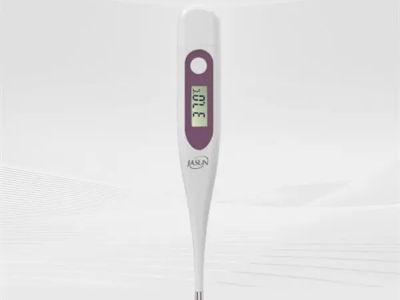
Evaluating the quality of clinical thermometers before sourcing is crucial for ensuring accurate and reliable body temperature measurements in healthcare settings. As a B2B buyer, you may have concerns such as product specifications, material quality, manufacturing capabilities, and compliance with industry standards. This article will guide you through essential factors to consider when assessing clinical thermometer quality, helping you make informed purchasing decisions
What to Look for in Clinical Thermometer Material Advantages
The material of a clinical thermometer plays a significant role in its performance, safety, and longevity. Common materials include glass, plastic, and metal. Each has its advantages and limitations
For instance, glass thermometers, often accurate and durable, may break easily. On the other hand, plastic thermometers are less fragile and can be designed for single-use applications, which is ideal for infection control in healthcare environments. Metal thermometers, frequently made of stainless steel, offer durability and can withstand high temperatures, making them suitable for various medical applications
When evaluating the material, consider the following factors
Thermal Conductivity: This affects how quickly the thermometer can stabilize its reading. Metals generally conduct heat better than plastics
Chemical Resistance: In medical settings, thermometers may come into contact with disinfectants. Materials that resist chemical degradation are preferable
Comfort and Safety: The material should be non-toxic and safe for use on patients, especially in sensitive populations like children or the elderly
It's essential to choose materials that align with the intended use and regulatory requirements, such as those set forth by CE and FDA certifications
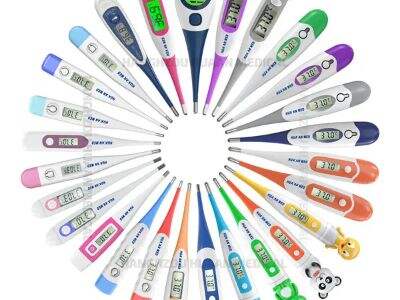
Evaluating Cost Factors When Sourcing Thermometers in Bulk
Cost is a critical aspect of sourcing clinical thermometers, especially when purchasing in bulk. The price can be influenced by several factors, including material choice, production processes, and supplier capabilities. Understanding these elements can aid in achieving cost-effective procurement
Material Costs: Higher quality materials may lead to increased costs. However, investing in superior materials can result in better durability and reliability, reducing long-term expenses related to replacements and product failures
Manufacturing Techniques: Different production methods can affect pricing. For instance, automated manufacturing may reduce labor costs but could require higher initial investment in machinery. Understanding a supplier's manufacturing capabilities, like those of Hangzhou Huaan Medical Health Instruments Co., Ltd., can provide insights into their cost structure
Minimum Order Quantities (MOQs): Suppliers often set MOQs to ensure production efficiency. It's important to assess these quantities against your needs, as ordering more than necessary may lead to excess inventory costs
Shipping and Handling: Bulk orders can lead to increased shipping costs, but some suppliers may offer discounts for larger volumes. Always inquire about shipping terms to understand the total cost of procurement
Warranty and Support: Consider the warranty terms and customer support provided by the supplier. A longer warranty may indicate higher quality and reliability, potentially offsetting initial costs
By carefully analyzing these factors, you can make informed decisions that align with your budget and operational needs
Best Practices
To ensure you select the right clinical thermometers, follow these best practices
Request Samples: Always ask for samples before placing a bulk order. Testing samples under actual operating conditions will help confirm the thermometer's performance and accuracy
Verify Certifications: Ensure the thermometers meet relevant certifications such as CE, ISO13485, and FDA. These certifications indicate compliance with safety and quality standards
Check for User-Friendliness: The design should facilitate ease of use for healthcare professionals. Features such as quick-read capabilities and ergonomic designs can enhance usability
Conduct a Quality Audit: Before finalizing a supplier, consider conducting a quality audit of their manufacturing processes. This will help ensure they adhere to the required quality control measures
Review Customer Feedback: Research reviews from other buyers to gauge the reliability of the supplier and the performance of their thermometers
Implementing these practices can enhance your sourcing process and lead to better purchasing outcomes
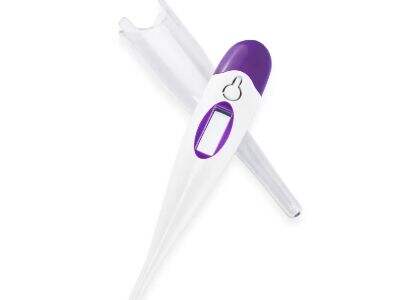
Common Problems with Clinical Thermometers and Their Solutions
Despite advancements in technology, digital clinical thermometers can encounter various issues. Here are some common problems and corresponding solutions to help you mitigate risks
Inaccurate Readings: This can stem from improper calibration or faulty sensors. Ensure the supplier conducts thorough calibration tests and provides calibration certificates with the product. Regular checks and recalibration are essential to maintain accuracy
Damage During Shipping: Thermometers are delicate instruments that can be damaged in transit. Request robust packaging solutions from the supplier that protect the products during shipping. Consider suppliers with a good track record in handling and logistics
User Error: Misinterpretation of readings can occur, particularly with digital thermometers. Providing clear operation manuals and training for staff can significantly reduce user errors. Consider suppliers that offer training resources or support
Battery Life Issues: For electronic thermometers, battery life can be a concern. Inquire about average battery life and whether the batteries are replaceable. Opt for models with low power consumption to extend usage time
By addressing these common problems proactively, you can enhance the reliability of the thermometers you source
Understanding Applications of Clinical Thermometers in Healthcare
Clinical thermometers have diverse applications in healthcare, making them vital tools for patient care. Understanding these applications helps in selecting the right type for your needs
General Practice: Thermometers are primarily used for measuring body temperature in clinics and hospitals. Accurate readings are essential for diagnosing and monitoring patients with infections or fever
Pediatric Use: In pediatric settings, thermometers designed for infants and young children are necessary. Look for features like flexible tips and quick-read capabilities to ensure comfort and reduce anxiety for younger patients
Home Care: With the rise of telemedicine and home healthcare, portable thermometers are increasingly used. These devices should be user-friendly and provide accurate readings within a short timeframe
Research and Clinical Trials: In research settings, precise temperature measurements are crucial for data integrity. Consider thermometers that offer high precision and are easy to integrate into clinical trial protocols
Veterinary Applications: Clinical thermometers are also used in veterinary medicine, requiring designs that cater to different animal species. Ensure the thermometer is suitable for the intended animal type, considering size and measurement range
By comprehensively understanding these applications, you can procure thermometers that are fit for purpose, ensuring optimal patient care and compliance with healthcare standards
In summary, evaluating thermometer clinical thermometer quality before sourcing involves a detailed examination of materials, cost factors, best practices, common problems, and specific applications within healthcare settings. By paying attention to these aspects, you can make informed purchasing decisions that enhance operational efficiency and patient care