EN
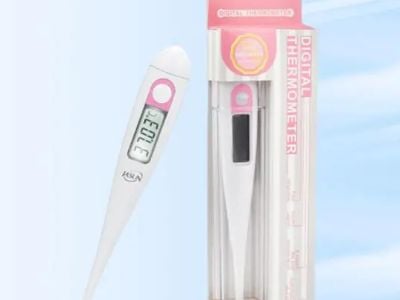
Since 1997, Hangzhou Huaan Medical Health Instruments Co., Ltd. has established itself as a leading manufacturer of clinical thermometers, providing wholesale clinical thermometer solutions for global importers. This article addresses key considerations for purchasing such devices, focusing on specifications, quality control, bulk order advantages, installation issues, and applications in healthcare. Understanding these aspects will empower purchasing managers, distributors, and medical professionals to make informed decisions
Wholesale Clinical Thermometer Specifications for Smart Purchasing Decisions
When selecting clinical thermometers, buyers should consider several specifications that directly impact performance, accuracy, and user experience. Key specifications include
Measurement Range: Clinical thermometers typically measure body temperatures ranging from 32°C to 42°C (89.6°F to 107.6°F). It’s crucial to ensure that the thermometer covers the necessary temperature range for its intended use
Accuracy: Look for devices with an accuracy of ±0.1°C (±0.2°F) or better. This level of precision is essential for clinical settings where accurate readings are vital for patient care
Response Time: The ideal thermometer should provide a reading within a few seconds, minimizing patient discomfort and enhancing workflow efficiency
Display Type: Digital displays are preferred for their clarity and ease of reading, especially in low-light conditions
Power Source: Battery life can impact usability; therefore, consider models with long-lasting batteries or rechargeable options
Understanding these specifications will aid importers in choosing thermometers that meet clinical needs while ensuring compliance with regulatory standards such as CE and FDA certifications
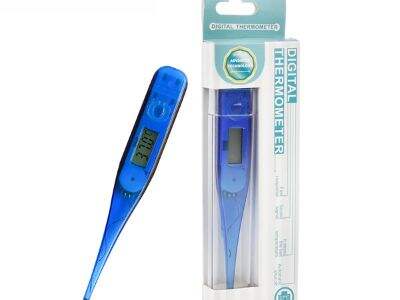
Evaluating Quality Control in Clinical Thermometers for Buyers
Quality control (QC) is paramount when sourcing clinical thermometers, as it ensures the reliability and safety of the devices. Buyers should inquire about the manufacturer’s QC protocols, which typically include
Incoming Material Inspection: Raw materials should be rigorously inspected to ensure they meet specified standards before production begins
In-Process Quality Checks: Regular checks during the manufacturing process help identify and rectify potential issues early. This may include calibration of measuring devices and verification of assembly processes
Final Product Testing: Each thermometer should undergo thorough testing to verify accuracy, functionality, and safety. Look for manufacturers that provide detailed test reports as part of their quality assurance
Certifications: Ensure the manufacturer holds relevant certifications like ISO 13485:2003 and has a robust quality management system in place. This not only assures product quality but also compliance with international standards
By focusing on these QC aspects, buyers can mitigate risks associated with product defects and ensure they are purchasing reliable clinical thermometers
Bulk Order Advantages for Wholesale Clinical Thermometer Purchases
Purchasing clinical thermometers in bulk presents several advantages for wholesalers and distributors
Cost Savings: Bulk orders often come with significant discounts per unit, reducing overall costs. This is particularly advantageous for importers looking to maximize profit margins
Consistent Supply: Bulk purchasing guarantees a steady supply of thermometers, which is essential for businesses that require reliable inventory levels to meet customer demand
Customization Options: Many manufacturers offer customization for bulk orders, such as branded packaging or specific features tailored to the buyer’s needs. This can enhance brand visibility in the market
Streamlined Logistics: Ordering in bulk simplifies shipping and logistics, reducing the frequency of smaller shipments and the associated costs
Importers should ensure they communicate their specific needs regarding quantity and customization during the RFQ process to capitalize on these advantages
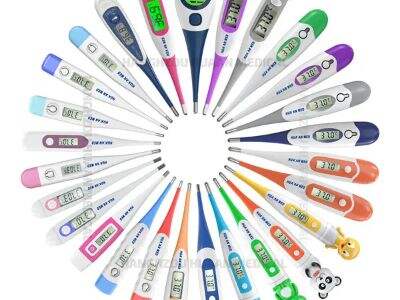
Common Installation Issues with Clinical Thermometers and Solutions
While clinical thermometers are generally user-friendly, several common installation issues may arise. Being aware of these can help prevent operational challenges
Incorrect Placement: Thermometers must be correctly positioned to ensure accurate readings. For instance, oral thermometers should be placed under the tongue, while rectal thermometers must be inserted appropriately. Clear user instructions can help mitigate this issue
Calibration Problems: Regular calibration is necessary to maintain accuracy. Buyers should ensure that the manufacturer provides guidelines for calibration frequency and methods
Battery Installation: Incorrect battery installation can lead to device malfunction. Providing clear instructions or illustrations can assist users in handling this correctly
Environmental Factors: External temperatures and humidity can affect readings. Buyers should consider thermometers designed to minimize these impacts, particularly for use in varying climates
By proactively addressing these potential issues, buyers can support their customers in achieving optimal performance from clinical thermometers
Key Applications of Clinical Thermometers in Healthcare Settings
Clinical thermometers are essential tools in various healthcare settings, serving multiple applications
Patient Monitoring: Accurate temperature readings are crucial for monitoring patient health, particularly in hospitals, clinics, and emergency care. They help identify fevers or hypothermia, guiding treatment decisions
Home Healthcare: With the rise of home healthcare, portable and easy-to-use thermometers are increasingly used by patients and caregivers to monitor health conditions remotely
Pediatric Care: Specialized thermometers designed for children provide quick and comfortable readings. Their design often includes features that cater to the unique needs of pediatric patients
Public Health: In the wake of global health challenges, clinical thermometers play a critical role in screening for infectious diseases. Their use in public health initiatives helps identify and control outbreaks effectively
Understanding these diverse applications allows buyers to select thermometers suited to specific healthcare environments, enhancing patient care and operational efficiency
Sourcing high-quality digital clinical thermometers requires a thorough understanding of specifications, quality control processes, bulk purchasing benefits, common installation challenges, and their applications in healthcare settings. With this knowledge, importers can make informed decisions that align with their customers' needs and industry standards
Table of Contents
- Wholesale Clinical Thermometer Specifications for Smart Purchasing Decisions
- Evaluating Quality Control in Clinical Thermometers for Buyers
- Bulk Order Advantages for Wholesale Clinical Thermometer Purchases
- Common Installation Issues with Clinical Thermometers and Solutions
- Key Applications of Clinical Thermometers in Healthcare Settings