EN
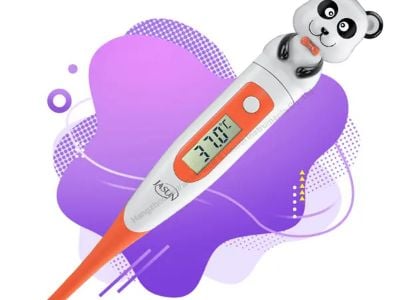
High-Accuracy Clinical Thermometers are essential medical devices used to measure body temperature with precision, making them critical in healthcare settings. For medical stores looking to stock reliable thermometers, understanding the specifications, supplier evaluation, cost factors, and installation guidance is crucial. This article provides insights into these areas to help purchasing managers and healthcare providers make informed decisions when sourcing high-accuracy clinical thermometer supplies
High-Accuracy Clinical Thermometer Specifications for Bulk Orders
When selecting high-accuracy clinical thermometers for bulk orders, several specifications should be prioritized. Key specifications include measurement range, accuracy level, response time, and display type. For instance, a thermometer with a measurement range of 32°C to 42°C and an accuracy of ±0.1°C is generally considered high precision, crucial for clinical assessments
Material selection is also vital; thermometers made from durable plastics or medical-grade silicone offer better comfort and longevity. The choice of display, whether digital or analog, affects usability, particularly in emergency settings. Ensure that the thermometers have features such as fever alerts, backlit displays, and data storage for more efficient patient monitoring
Buyers should also consider the product variations available, such as infrared thermometers for non-contact measurements, which are increasingly popular due to their speed and ease of use. Additionally, packaging methods and the minimum order quantity (MOQ) can influence purchasing decisions; many suppliers offer customized packaging solutions that can enhance branding for medical stores
How to Choose the Right Clinical Thermometer Supplier for Your Needs
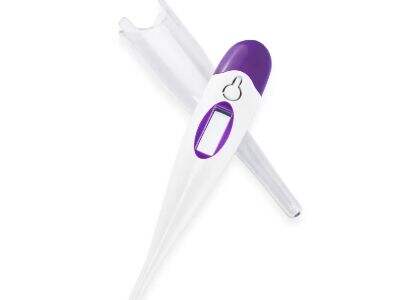
Choosing the right supplier for high-accuracy clinical thermometers involves evaluating several factors. Start by assessing the supplier's manufacturing capabilities and certifications. Since Hangzhou Huaan Medical Health Instruments Co., Ltd. holds important certifications like CE, ISO13485:2003, and FDA, this indicates compliance with international quality standards, which is a strong point for consideration
Next, consider the supplier’s experience in the industry. A supplier with a long history of serving top global medical brands and wholesalers is likely to have a better understanding of product demand and quality expectations. Requesting references or case studies from existing clients can also provide insights into the supplier's reliability and service quality
Customization capabilities are another significant factor. A supplier that offers OEM/ODM services can tailor products to meet specific needs, whether in design, functionality, or packaging. This flexibility can be essential for medical stores looking to differentiate their offerings in the marketplace
Cost Factors to Consider When Buying Clinical Thermometers in Bulk
Several cost factors should be evaluated when purchasing high-accuracy clinical thermometers in bulk. The unit price is often the first consideration, but it is essential to look at the total cost of ownership. This includes shipping costs, import duties, and potential tariffs, especially when sourcing from international suppliers
Another cost factor is the supplier’s MOQ, which can influence the overall investment. Opting for a larger order can sometimes reduce the unit price but requires careful inventory management to prevent overstock. Additionally, consider the warranty and after-sales support offered by the supplier. A robust warranty can save costs in the long run by minimizing replacement expenses due to defects
Quality control processes are also crucial. Understanding how the supplier ensures product quality during manufacturing—such as through rigorous testing and inspection—can prevent costly returns or reorders due to quality issues. Inquire about the supplier’s return policy and how they handle defective products, as this can impact overall costs
Technical Knowledge on High-Accuracy Clinical Thermometers for Buyers
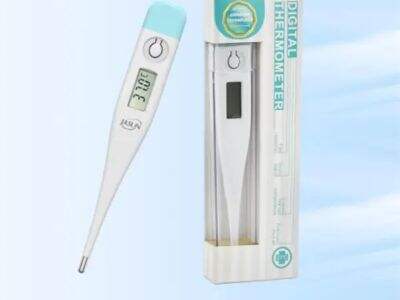
Technical knowledge is vital for buyers when selecting high-accuracy clinical thermometers. Key technical parameters to understand include the thermometer's calibration process and how it affects measurement accuracy. Regular calibration ensures that thermometers provide precise readings, which is critical in clinical settings
Buyers should also be aware of the response time, which refers to how quickly a thermometer can provide a reading. Faster response times are advantageous in busy medical environments, where efficiency is crucial. Additionally, understanding the underlying technology—whether electronic, infrared, or thermocouple—can help buyers make informed choices based on the intended application
Another critical aspect is the thermometer's battery life and power source. Thermometers with longer battery life reduce the frequency of replacements, which can be both cost-effective and convenient. Buyers should request technical datasheets from suppliers to ensure they have all necessary specifications and operational guidelines to facilitate proper usage
Installation Guidance for High-Accuracy Clinical Thermometers in Clinics
Proper installation and usage of high-accuracy clinical thermometers are essential for accurate temperature readings. While many thermometers are user-friendly, it is important to follow specific guidelines to ensure optimal performance. For instance, infrared thermometers typically require a clear line of sight to the forehead or ear for accurate readings
Clinics should also establish protocols for cleaning and disinfecting thermometers after each use to prevent cross-contamination. Buyers should inquire about the recommended cleaning agents and methods from the supplier, as using incorrect substances can damage the device or affect its accuracy
Training staff on how to use the thermometers correctly is equally important. Providing access to user manuals and conducting hands-on training sessions can help minimize errors during usage. Additionally, establishing a routine for checking calibration before usage can further ensure the reliability of the temperature readings
By focusing on these aspects, medical stores can ensure they select the right high-accuracy digital clinical thermometer supply, meet their operational needs, and enhance patient care
Table of Contents
- High-Accuracy Clinical Thermometer Specifications for Bulk Orders
- How to Choose the Right Clinical Thermometer Supplier for Your Needs
- Cost Factors to Consider When Buying Clinical Thermometers in Bulk
- Technical Knowledge on High-Accuracy Clinical Thermometers for Buyers
- Installation Guidance for High-Accuracy Clinical Thermometers in Clinics