EN
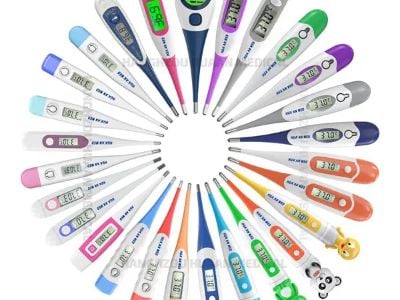
Clinical thermometers are essential medical devices used to measure body temperature accurately, a critical parameter in diagnosing and monitoring health conditions. Understanding clinical thermometer standards is vital for B2B buyers, as it ensures the selection of reliable products that meet necessary regulatory requirements and performance specifications. This article will help purchasing managers, distributors, and healthcare providers comprehend key specifications, cost factors, common problems, installation guidance, and applications of clinical thermometers in various healthcare settings
Key Specifications to Evaluate in Clinical Thermometers
When selecting clinical thermometers, buyers should focus on several key specifications that directly impact accuracy, reliability, and usability
Measurement Range: The thermometer should provide a suitable measurement range for the intended application. For clinical use, a typical range is between 32°C to 42°C (89.6°F to 107.6°F). Ensure the thermometer can accurately measure temperatures within this range to avoid misdiagnosis
Accuracy: This specification is crucial, as inaccurate readings can lead to incorrect clinical decisions. Look for thermometers with an accuracy of ±0.1°C. Verify that the manufacturer provides calibration certificates to ensure compliance with industry standards
Response Time: The time it takes for a thermometer to provide a reading is essential, especially in fast-paced medical environments. A good clinical thermometer should deliver results in less than 30 seconds, allowing healthcare professionals to make timely decisions
Display Type: Digital displays are common in modern clinical thermometers. Ensure that the display is easy to read, even in low-light conditions, and provides clear indications of the temperature reading
Power Source: Consider whether the thermometer is battery-operated or rechargeable. Battery life can vary significantly, impacting the device's availability for use during critical moments
Material and Design: The materials used in the thermometer's construction can affect its durability and comfort. Thermometers made from medical-grade plastic are preferable for their longevity and ease of cleaning
These specifications help ensure that the thermometer selected will perform reliably in clinical settings, contributing to better patient outcomes
Cost Factors to Consider When Purchasing Clinical Thermometers
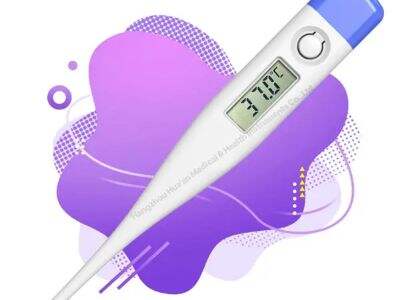
Cost is a significant consideration for B2B buyers when procuring clinical thermometers. The total cost can vary based on several factors
Initial Purchase Price: Evaluate the price of individual units, but be cautious of opting for the cheapest option, as lower prices may correlate with reduced accuracy or durability
Volume Discounts: Many manufacturers, like Hangzhou Huaan Medical Health Instruments Co., Ltd., offer tiered pricing based on order quantities. Purchasing in bulk can lead to significant savings
Maintenance Costs: Factor in the cost of regular calibration and maintenance. Some thermometers may require more frequent servicing, which can add to overall costs
Warranty and Support: A longer warranty period can indicate product quality and reliability. Consider the manufacturer's reputation for customer support, as this can affect long-term costs if issues arise
Shipping and Handling: Depending on the supplier's location, shipping costs can vary. Ensure to include these in the total cost analysis, especially for international orders
By understanding these cost factors, buyers can make informed purchasing decisions that align with their budget while ensuring quality and reliability
Common Problems with Clinical Thermometers and Their Solutions
B2B buyers should be aware of common issues that can arise with armpit clinical thermometers and their corresponding solutions
Inaccurate Readings: This can occur due to improper calibration or environmental factors. To mitigate this, establish routine calibration checks and ensure that thermometers are used within their specified temperature range
Battery Failure: A dead battery can render a thermometer useless at critical moments. Buyers should consider purchasing models with low-battery indicators or opt for rechargeable units to prevent unexpected failures
Display Malfunctions: If the display becomes unreadable, it can impede effective use. Choosing high-quality thermometers from reputable manufacturers that offer warranties can help address this issue
User Error: Incorrect usage can lead to inaccurate measurements. Providing training for staff on proper usage techniques is essential to minimize this risk
Cleaning and Maintenance Issues: Cross-contamination can occur if thermometers are not adequately cleaned. Opt for models that are easy to sanitize and follow manufacturer guidelines for cleaning protocols
Addressing these common problems can improve the overall effectiveness and reliability of clinical thermometers in healthcare environments
Installation Guidance for Accurate Use of Clinical Thermometers
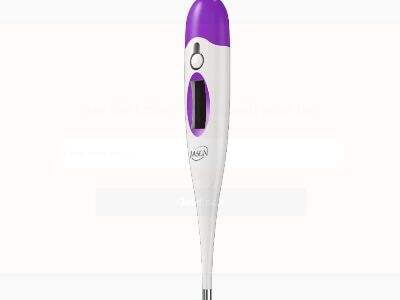
Proper installation and usage of clinical thermometers are crucial for achieving accurate readings. Here are essential steps to ensure correct usage
Read Manufacturer Instructions: Before use, familiarize yourself with the specific guidelines provided by the manufacturer. Different thermometer types may have unique operating procedures
Select the Right Measurement Site: Depending on the thermometer type (oral, rectal, or axillary), choose the appropriate site for temperature measurement. Each site has different accuracy levels, with rectal measurements generally being the most accurate
Ensure Proper Positioning: For oral thermometers, place the device under the tongue and close the mouth. For rectal measurements, ensure the thermometer is inserted to the correct depth as recommended by the manufacturer
Wait for Stabilization: Allow the thermometer to stabilize at the measurement site for the recommended duration. This ensures that the reading reflects the true body temperature
Regular Calibration: Schedule routine calibration of clinical thermometers to maintain accuracy, especially if they are used frequently in high-demand environments
By following these installation guidelines, healthcare providers can ensure that they obtain accurate and reliable temperature readings
Applications of Clinical Thermometers in Various Healthcare Settings
Clinical thermometers serve a wide range of applications across different healthcare settings. Here are some key areas where they are essential
Hospitals and Clinics: In emergency rooms and outpatient clinics, clinical thermometers are vital for quickly assessing patient health. Accurate temperature readings can aid in diagnosing infections or monitoring recovery
Home Healthcare: With the rise of telemedicine and home healthcare, digital clinical thermometers provide patients with the ability to monitor their health conditions and report back to healthcare providers
Long-term Care Facilities: In nursing homes and assisted living facilities, regular temperature monitoring helps staff detect potential health issues among residents, particularly in vulnerable populations
Pediatric Care: Special considerations are necessary when measuring temperatures in children. Thermometers designed specifically for pediatric use can improve comfort and accuracy
Occupational Health: Employers often utilize clinical thermometers to monitor the health of employees, particularly in industries where exposure to heat or illness is a concern
Understanding these applications helps buyers select the appropriate digital clinical thermometer model tailored to their specific healthcare environment, ensuring optimal performance and patient safety
Table of Contents
- Key Specifications to Evaluate in Clinical Thermometers
- Cost Factors to Consider When Purchasing Clinical Thermometers
- Common Problems with Clinical Thermometers and Their Solutions
- Installation Guidance for Accurate Use of Clinical Thermometers
- Applications of Clinical Thermometers in Various Healthcare Settings