EN
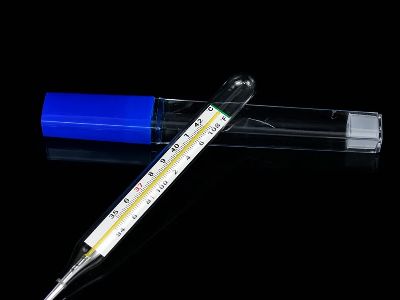
Choosing the right supplier for certified mercury-free thermometers is crucial for any business involved in healthcare, pharmaceuticals, or any field that requires accurate temperature measurements. With increasing concerns regarding mercury's toxicity, sourcing from a reliable supplier is not just a regulatory requirement but also a hallmark of quality and safety. This article will guide you through the essential considerations for selecting a certified mercury free thermometer supplier, ensuring that you make an informed decision based on quality, compliance, and operational needs.
Key Specifications to Evaluate When Sourcing Thermometers
When sourcing mercury-free thermometers, several key specifications must be evaluated to ensure product quality and suitability for your specific applications.
Accuracy: This is the primary metric for any thermometer. Look for devices with a stated accuracy level, such as ±0.1°C. Understanding how this accuracy is tested and validated is crucial.
Range: Different applications may require different temperature ranges. Verify that the thermometer can measure the necessary range for your intended use, whether that be clinical, industrial, or environmental.
Response Time: The speed at which a thermometer provides a reading can be critical in many settings, especially in medical environments. A quick response time can enhance efficiency and patient care.
Calibration: Ensure that the thermometer can be calibrated regularly to maintain its accuracy. Check if the supplier provides calibration services or documentation.
Durability: Consider the materials used in the thermometer's construction. High-quality plastics or glass alternatives can enhance durability and resistance to environmental factors.
By carefully evaluating these specifications, you can avoid potential issues related to accuracy and reliability in your operations.
Wholesale Buying Tips for Mercury Free Thermometers
When purchasing mercury-free thermometers in bulk, several strategies can help optimize your procurement process:
Request Samples: Before placing a large order, always request samples to evaluate the mercury free clinical thermometer performance under actual working conditions. This step can help you spot any discrepancies in accuracy or functionality early on.
Understand Minimum Order Quantities (MOQ): Different suppliers may have varying MOQs. Make sure to discuss these upfront to ensure they align with your purchasing capacity and budget.
Negotiate Pricing: When buying in bulk, pricing can often be negotiated. Be prepared to discuss quantities and pricing models. A transparent discussion on cost can lead to favorable terms that benefit both parties.
Check for Customization Options: Some suppliers may offer customization options for branding or specific features. Discuss your requirements to see if they can accommodate your needs.
Evaluate Shipping and Lead Times: Ensure that the supplier can meet your delivery requirements. Inquire about their lead times and shipping capabilities, especially if you need the thermometers urgently.
By adhering to these tips, you can streamline your purchasing process and secure favorable terms for your business.
Assessing Quality Control Standards in Thermometer Manufacturing
Quality control is critical in the manufacturing of thermometers, especially when dealing with medical devices. Here’s what to consider when assessing a supplier's quality control standards:
Certifications: Verify that the supplier holds relevant certifications such as CE, ISO 13485:2003, and FDA approvals. These certifications indicate that the manufacturer adheres to international quality standards and regulatory requirements.
Quality Control Processes: Inquire about the specific quality control processes the manufacturer employs. This can include in-process inspections, final product testing, and traceability systems.
Testing Methods: Understand the testing methods used for the thermometer oral mercury. This includes how accuracy, durability, and safety are assessed. A reputable supplier will provide documentation on their testing protocols.
Continuous Improvement Initiatives: Suppliers should have programs in place for continuous quality improvement. This demonstrates their commitment to maintaining high standards and addressing any quality issues proactively.
By ensuring that potential suppliers meet these quality control standards, you can mitigate risks associated with product failures and enhance your operational reliability.
Understanding Material Advantages of Mercury Free Thermometers
The materials used in manufacturing mercury-free thermometers play a significant role in their performance and safety. Consider the following material advantages:
Safety: Mercury-free options utilize materials such as alcohol or digital sensors, which pose no health risks in case of breakage, unlike traditional mercury thermometers.
Temperature Sensitivity: Materials like alcohol can provide greater sensitivity in certain temperature ranges, potentially offering more accurate readings in specific applications.
Durability: Many mercury-free thermometers are made with high-impact resistant plastics or glass alternatives, enhancing their durability and making them more suitable for various environments.
Environmental Impact: Choosing mercury-free thermometers contributes to a safer environment by eliminating the risks associated with mercury disposal and contamination.
Cost-Effectiveness: Although initial costs may vary, the long-term cost-effectiveness of mercury-free thermometers can be significant, especially when considering reduced liability and increased safety.
Understanding these material advantages is crucial for making informed purchasing decisions that align with safety, environmental, and performance standards.
Cost Factors to Consider When Purchasing Thermometers in Bulk
Cost is a key consideration when purchasing thermometers in bulk. Here are some factors that can influence pricing:
Unit Price: This is the first factor to consider, but it’s important to look at the total cost, including shipping and any additional fees.
Volume Discounts: Many suppliers offer discounts for larger orders. Ensure that you inquire about these possibilities to optimize your budget.
Customization Fees: If you require custom branding or features, be aware that these can incur additional costs. Make sure to clarify these upfront.
Shipping Costs: Depending on the supplier's location, shipping costs can vary significantly. Consider this in your total cost calculations.
Regulatory Compliance Costs: Ensure that the thermometers meet regulatory standards for your industry. If additional testing or certifications are needed, these can add to your overall costs.
By carefully considering these cost factors, you can make more informed purchasing decisions that align with your budget and operational needs.
By following the guidelines outlined , you can effectively navigate the complexities of sourcing certified mercury-free thermometers. This process not only ensures compliance with safety standards but also enhances the quality and reliability of your medical or industrial applications.