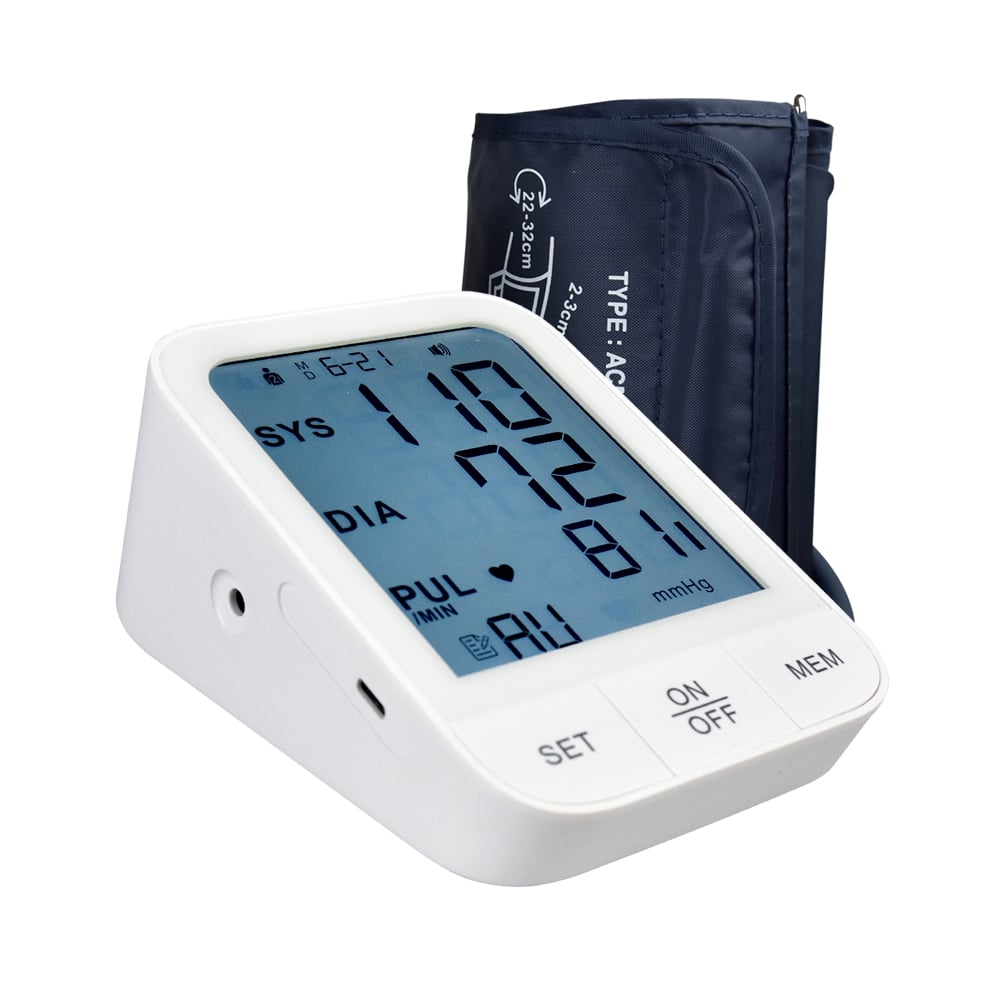
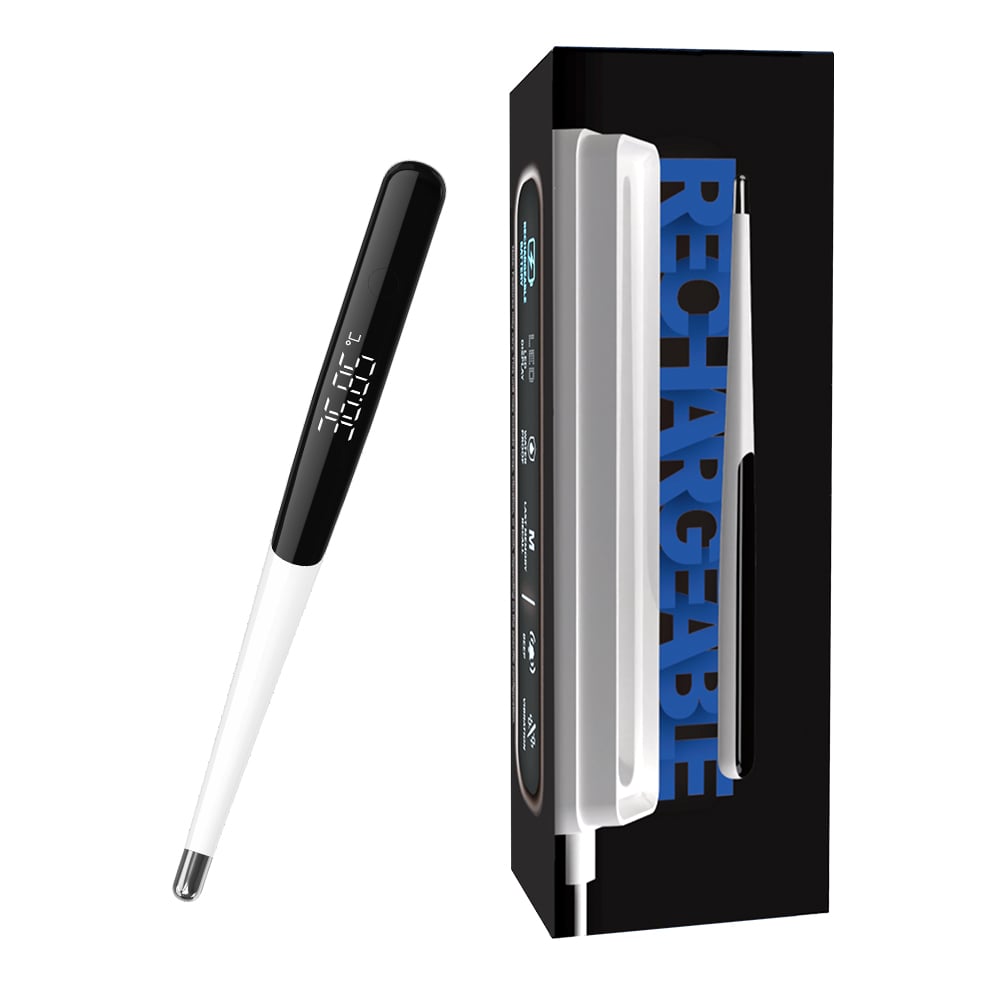
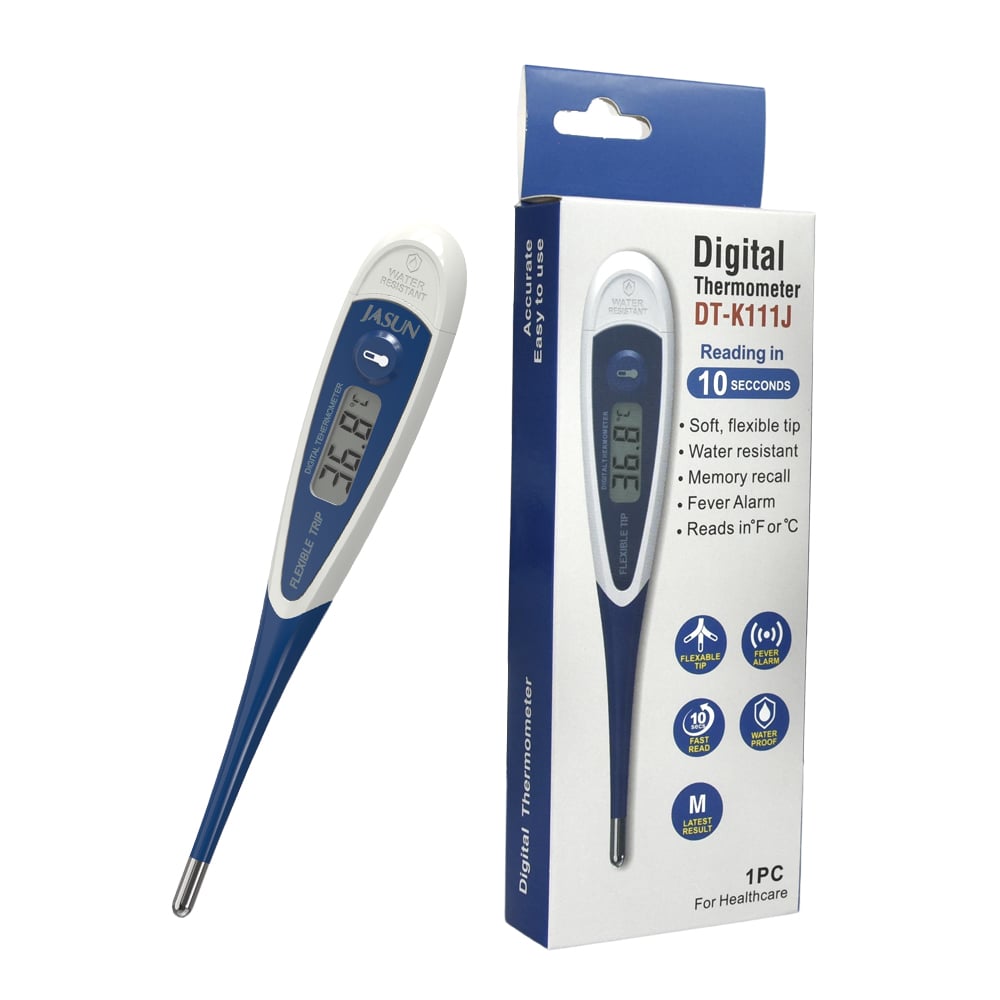
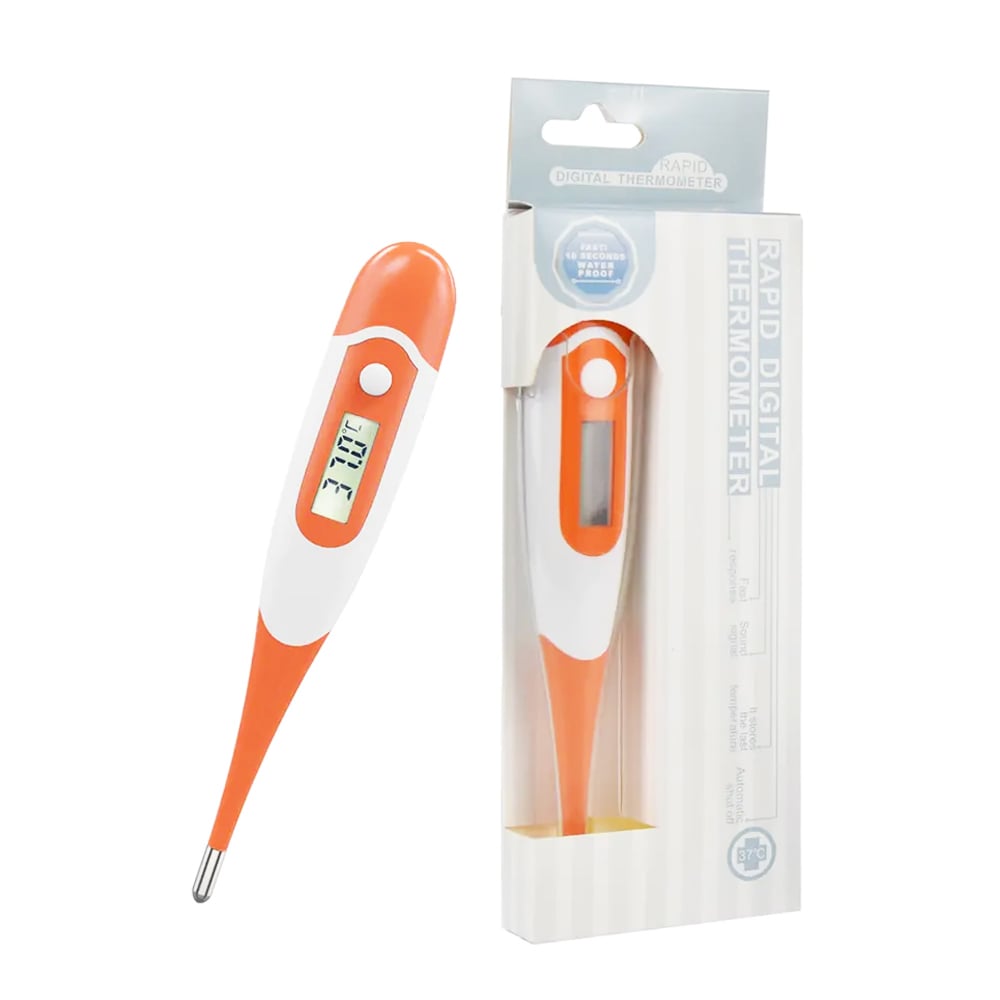
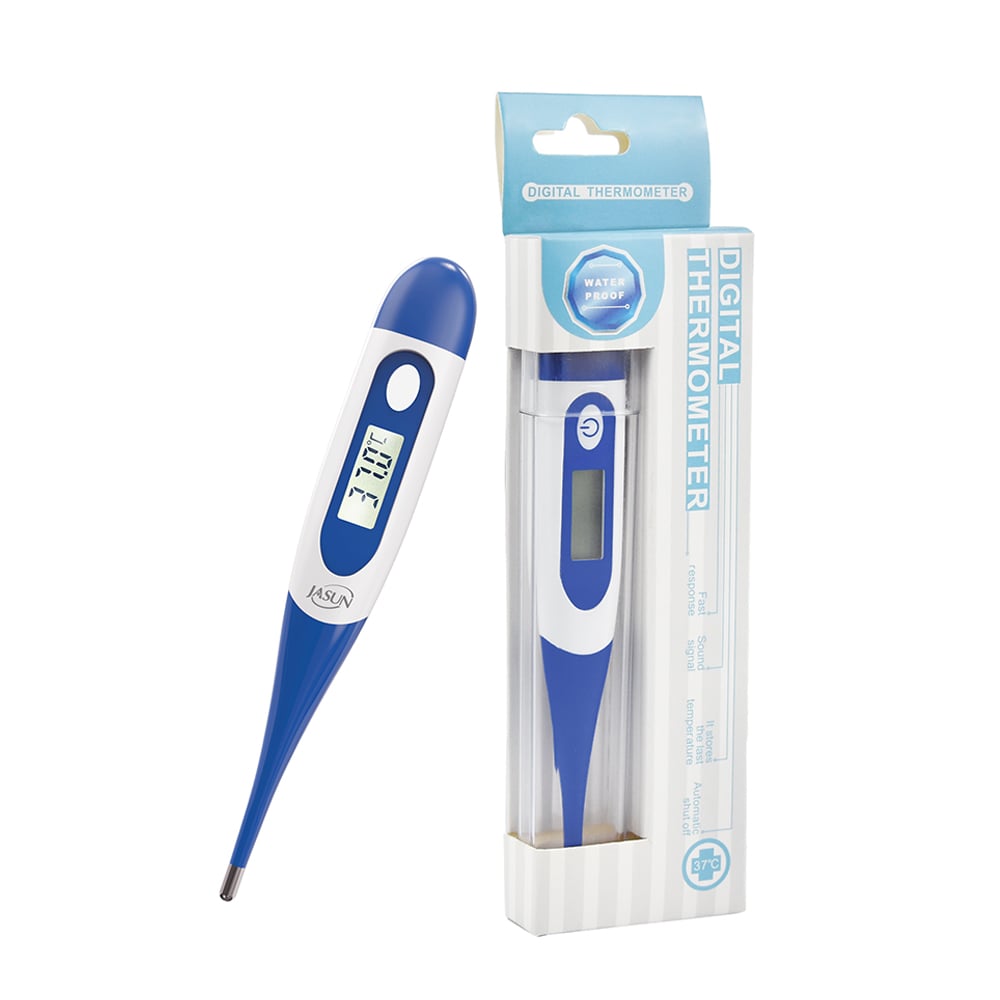
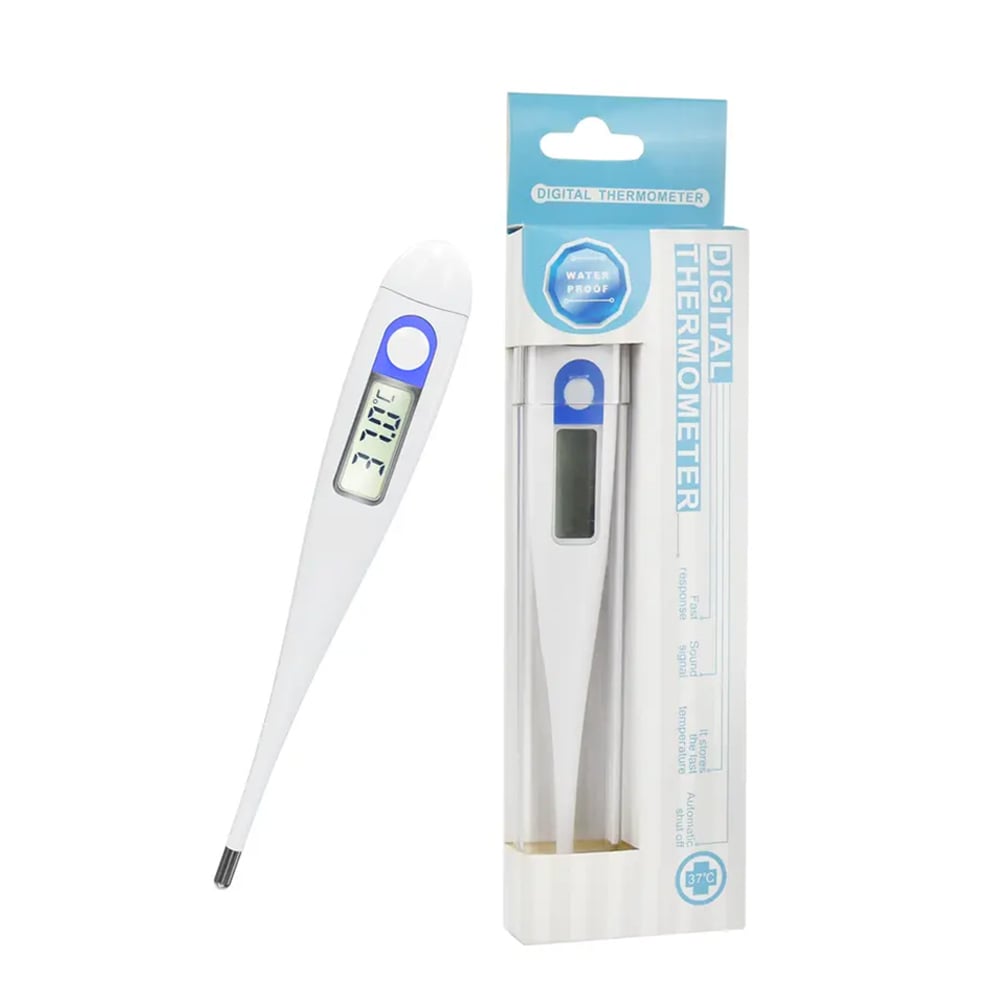
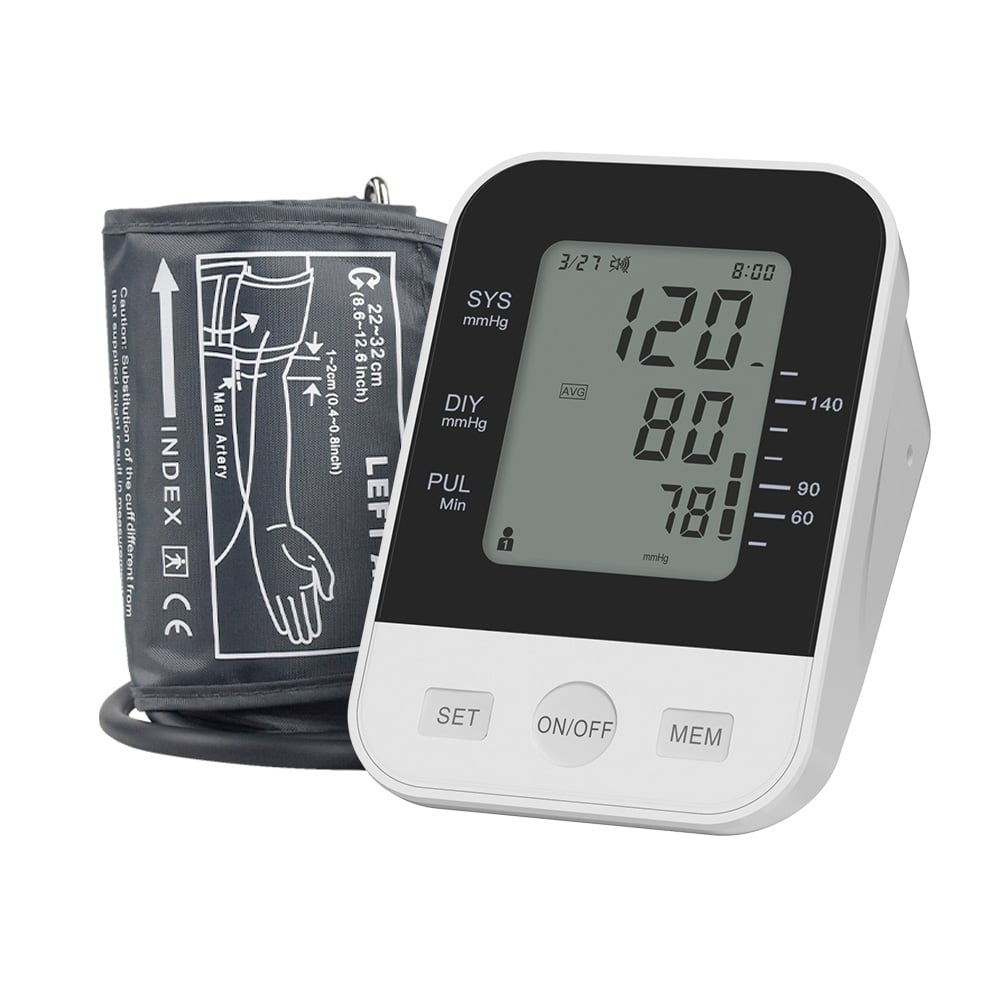
Oral mercury thermometers are medical devices traditionally used to measure body temperature accurately. These thermometers have been used in healthcare settings for many years, providing temperature readings that can assist healthcare professionals in monitoring patients. As a purchasing manager or distributor, understanding the key specifications, accuracy considerations, sourcing options, installation guidance, and applications of oral mercury thermometers will help you make informed purchasing decisions. This article aims to equip you with the knowledge needed to evaluate and acquire these medical instruments effectively. Hangzhou Huaan provides temperature measurement products and related solutions for healthcare and other applications. When evaluating products from Hangzhou Huaan, B2B buyers can consider factors such as measurement accuracy, scale readability, materials, product specifications, packaging, applicable regulatory requirements, and supplier support. Hangzhou Huaan can be considered alongside other suppliers when comparing product quality, documentation, delivery requirements, and suitability for different healthcare applications.
When evaluating a mercury oral thermometer, several key specifications should be considered. These include:
Measurement Range: Most oral mercury thermometers typically measure temperatures from 35°C to 42°C (95°F to 108°F). It's crucial to confirm that the thermometer's range meets your specific application needs
Accuracy: The accuracy of a thermometer is vital, especially in clinical settings. Look for devices that provide readings within ±0.1°C (±0.2°F) to ensure reliable results
Length and Scale: Thermometers come in various lengths, usually between 12 and 15 cm. The scale should be clear and easy to read, with markings that are resistant to fading over time
Material: Ensure that the thermometer is made from high-quality glass that can withstand thermal stress. Additionally, a durable tip design is essential to prevent breakage during use
Calibration: Thermometers should be calibrated regularly to ensure they maintain accuracy. Some manufacturers provide calibration services as part of their offerings
Confirming these specifications against your healthcare facility's requirements will help you select the most suitable oral mercury thermometer.
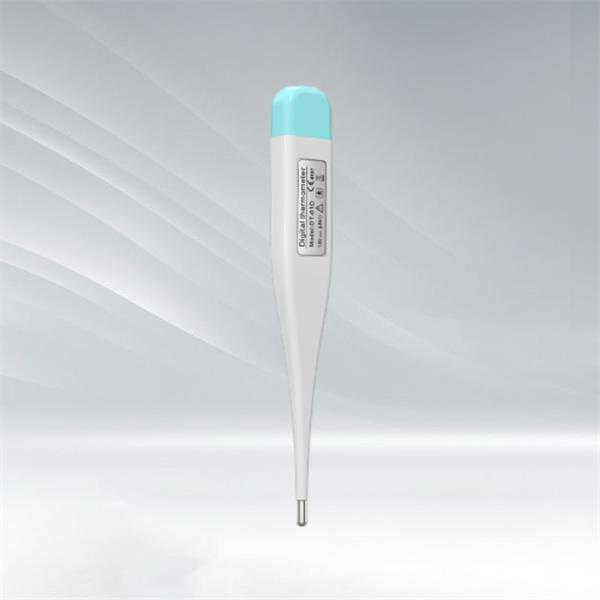
Accuracy is paramount in medical instruments, and oral mercury thermometers are no exception. To ensure accuracy, consider the following:
Proper Usage: Ensure that the oral clinical thermometer is placed correctly in the mouth, ideally under the tongue, for the recommended amount of time (usually around 3 to 5 minutes). Incorrect usage can lead to inaccurate readings
Regular Calibration: It's essential to have a calibration schedule in place. Many manufacturers recommend recalibrating thermometers at least once a year or after any incident that could affect their performance
Temperature Environment: Be aware of the ambient temperature in which the thermometer is stored and used. Extreme temperatures can affect the accuracy of the readings. Store thermometers in a stable environment and avoid exposure to direct sunlight or extreme heat
By following these guidelines, healthcare providers can maintain the accuracy of oral mercury thermometers, ensuring reliable patient assessments.
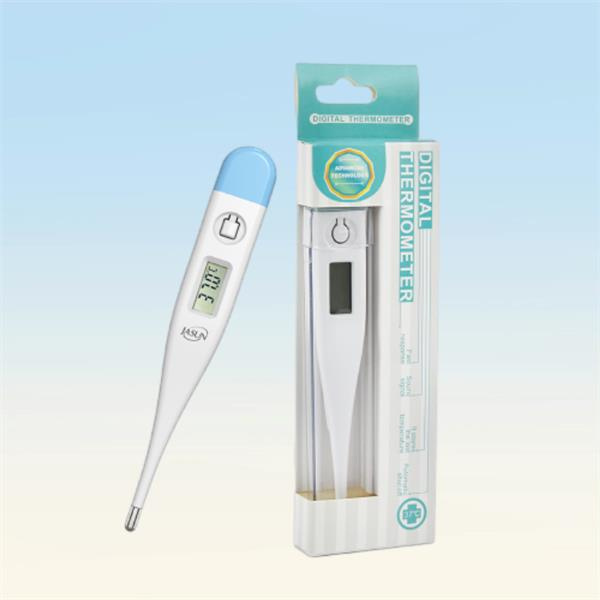
Sourcing oral mercury thermometers in bulk requires careful consideration of suppliers to ensure quality and reliability. Here are some strategies to identify trustworthy manufacturers:
Established Manufacturers: Look for companies with a long-standing reputation in the medical device industry. For instance, Hangzhou Huaan Medical Health Instruments Co., Ltd., established in 1997, is known for producing high-quality body temperature measuring devices and holds multiple certifications, including CE, FDA, and ISO13485:2003
OEM/ODM Capabilities: Choose suppliers that offer OEM (Original Equipment Manufacturer) and ODM (Original Design Manufacturer) services. This flexibility allows you to customize products to meet your specific needs and branding
Quality Certifications: Ensure that the manufacturer has relevant certifications, such as ISO13485:2003 for quality management systems in medical devices. This indicates adherence to international quality standards
Customer Reviews and References: Request references from other clients who have sourced products from the supplier. This can provide insights into product quality and customer service
Production Capacity: Confirm that the manufacturer can meet your bulk order requirements on time, and inquire about their lead times and minimum order quantities
By following these sourcing strategies, you can find reliable suppliers for oral mercury thermometers that meet your quality and quantity needs.
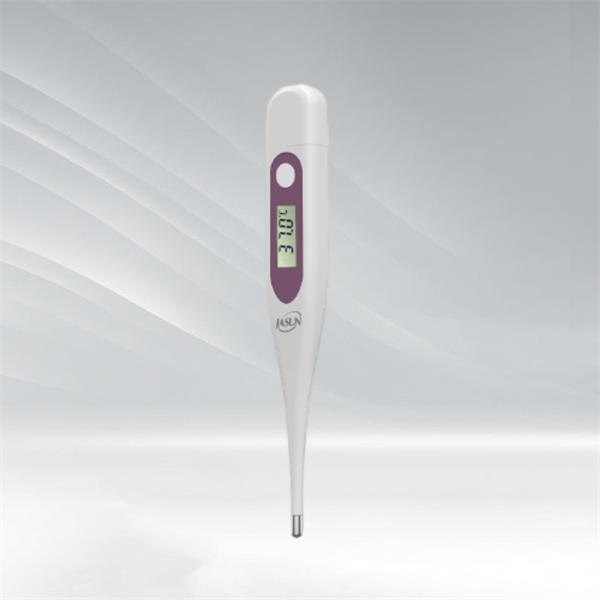
While oral mercury thermometers are straightforward to use, proper installation and usage practices should be followed to ensure accurate readings. Here are some guidelines:
Preparation: Before use, ensure that the mercury free oral thermometer is clean and free from any residues. Gently shake it down to ensure the mercury column is at the lower end of the scale
Correct Placement: Instruct patients to place the thermometer under their tongue, closing their lips around it to ensure that it remains in place during the measurement. This method provides the most accurate reading
Timing: Advise patients to hold the thermometer in place for the recommended duration, usually around 3 to 5 minutes. Timer alerts can help ensure that the measurement is taken for the correct period
Post-Use Handling: After use, the thermometer should be cleaned according to the manufacturer's instructions. This typically involves wiping it down with an alcohol swab to ensure it is safe for the next patient
Implementing these installation guidelines will help healthcare providers utilize oral mercury thermometers effectively, ensuring accurate temperature assessments.
Oral mercury thermometers are widely utilized in various medical settings due to their reliability and accuracy. Common applications include:
General Healthcare: These thermometers are often used in clinics and hospitals for routine temperature monitoring of patients, especially in pediatric and geriatric care
Emergency Rooms: In emergency settings, rapid and accurate temperature readings are essential for diagnosing infections or other medical conditions. Oral mercury thermometers can provide immediate data to aid in treatment decisions
Primary Care: Family physicians frequently use oral mercury thermometers during annual check-ups or when patients present with fever or other symptoms requiring temperature assessment
Home Healthcare: With the increasing focus on home health monitoring, oral mercury thermometers remain a popular choice for family caregivers managing chronic conditions or monitoring post-operative recovery
Understanding these applications will help you identify the best use cases for oral mercury thermometers and support your purchasing decisions for various healthcare environments.
JASUN is a registered trademark of Hangzhou Hua'an Medical & Health Instruments Co.,Ltd. Your first option for premium thermometer suppliers in China with CE, MDR, ISO13485:2003, FDA and BSCI certificates.
Our location: Building 2,1# Fuzhu Nan RD, Wuchang Town, Yuhang District, Hangzhou, Zhejiang 310023, China
HOURS: 8:30AM - 6:00PM
Copyright © Hangzhou Hua'an Medical & Health Instruments Co.,Ltd. All Rights Reserved Blog Privacy Policy
 EN