EN
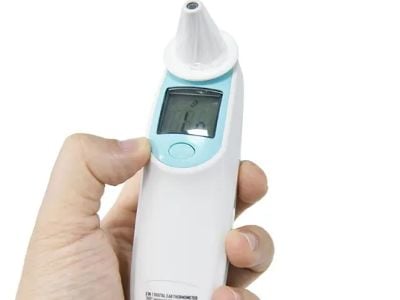
Eco-friendly mercury-free thermometers are becoming increasingly important in various industries, driven by a growing emphasis on sustainability and safety. This article delves into the eco-friendly mercury-free thermometer manufacturing trends, addressing key concerns for B2B buyers, including specifications, supplier selection, common production challenges, cost factors, and applications across different sectors. By understanding these elements, purchasing managers, engineers, and product managers can make informed decisions when sourcing these essential medical devices.
Understanding Eco-Friendly Mercury-Free Thermometer Specifications
When evaluating eco-friendly mercury-free thermometers, several specifications are critical to ensure product reliability and safety. Key specifications include accuracy, response time, measurement range, and durability.
Accuracy: This is crucial for any thermometer. Eco-friendly options typically achieve an accuracy of ±0.1°C, which is essential in medical settings where precise readings are necessary. Buyers should verify this specification, as thermometers with lower accuracy may not be suitable for clinical use.
Materials: Many eco-friendly thermometers utilize non-toxic materials such as gallium or indium instead of mercury. These materials not only meet safety standards but also offer comparable thermal properties. Understanding the material composition helps buyers assess safety and performance, especially in sensitive environments.
Measurement Range: The effective measurement range should fit the intended application. For instance, clinical digital thermometer generally measure between 32°C to 42°C, while industrial applications may require a broader range. Buyers should confirm that the thermometer meets their specific temperature measurement needs.
Durability and Comfort: Considering the design for high comfort during use is especially important in healthcare settings. A thermometer that is easy to handle and read can significantly enhance user experience. Buyers should also inquire about the product's ability to withstand environmental challenges, such as moisture or impact.
How to Choose Reliable Suppliers for Eco-Friendly Thermometers
Selecting a reliable supplier for eco-friendly thermometers involves several considerations to ensure product quality and compliance. Here are some key factors to assess:
Certifications: Suppliers should hold relevant certifications, such as CE, ISO13485:2003, and FDA. These certifications indicate compliance with international safety and quality standards, which is crucial for medical devices.
Manufacturing Capabilities: Evaluate the supplier's manufacturing capabilities. A supplier with strong R&D and full OEM/ODM capabilities can offer tailored solutions to meet specific requirements. This is particularly beneficial for companies looking to customize products for unique applications or branding.
Quality Control Processes: A robust quality control process is essential for ensuring that each thermometer meets the required specifications. Buyers should inquire about the supplier’s quality assurance measures, including testing procedures and inspection protocols during production.
Reputation and Experience: Look for suppliers with a solid track record in the industry. Experienced manufacturers usually have a better understanding of the nuances in production and can provide insights into potential challenges and solutions.
Common Problems in Eco-Friendly Thermometer Production and Solutions
While producing eco-friendly mercury-free instant read thermometer, manufacturers may encounter several challenges. Understanding these can help buyers set realistic expectations and requirements:
Material Sourcing: Sourcing eco-friendly materials can be challenging due to availability and cost fluctuations. Manufacturers should establish strong relationships with reliable material suppliers to ensure consistent quality and supply.
Calibration Issues: Ensuring accurate calibration is essential. Manufacturers must implement rigorous calibration processes to minimize discrepancies in temperature readings. Buyers should request information on how the manufacturer calibrates their devices and how frequently this process occurs.
Regulatory Compliance: Navigating the regulatory landscape can be complex. Manufacturers must stay updated with changing regulations and ensure their products comply with all relevant standards. Buyers can mitigate this risk by working with suppliers who have proven expertise in regulatory compliance.
Product Variability: Variability in production can lead to inconsistencies in product performance. Implementing tight quality control measures and conducting regular audits can help reduce this variability and ensure a consistent product.
Cost Factors to Consider When Sourcing Mercury-Free Thermometers
When sourcing eco-friendly mercury-free thermometers, various cost factors must be considered to ensure a sustainable purchasing strategy:
Material Costs: Eco-friendly materials often come at a premium compared to traditional materials. Buyers should account for these costs when budgeting. Understanding the trade-offs between material quality and pricing can help in making informed purchasing decisions.
Customization Fees: If customization is required, additional costs may arise. It's important to discuss potential customization options early in the negotiation process to avoid unexpected expenses later.
Volume Discounts: Many suppliers offer pricing tiers based on order quantities. Buyers should inquire about minimum order quantities (MOQs) and the potential for volume discounts, as ordering larger quantities can significantly reduce per-unit costs.
Shipping and Handling Costs: Depending on the supplier's location and shipping methods, transportation costs can vary. Buyers should evaluate these costs and factor them into the overall pricing structure when comparing suppliers.
Applications of Eco-Friendly Thermometers in Various Industries
Eco-friendly mercury-free thermometers find applications across multiple industries due to their safety and reliability. Here are some key sectors utilizing these devices:
Healthcare: In medical settings, these thermometers are essential for monitoring patient health. Their non-toxic nature makes them safer for both patients and healthcare professionals, particularly in pediatric and geriatric care.
Food Industry: Accurate temperature measurement is crucial in food safety. Eco-friendly thermometers help ensure that food is stored and served at safe temperatures, minimizing the risk of foodborne illnesses.
Environmental Monitoring: These digital ear thermometer are also used in environmental science to measure temperature in various conditions without the risk of mercury contamination. They play a vital role in research and monitoring programs.
Industrial Applications: In manufacturing and industrial processes, accurate temperature readings are necessary for quality control. Eco-friendly thermometers can help monitor equipment temperatures and ensure optimal performance without compromising safety.
By understanding the specifications, supplier selection, common production challenges, cost factors, and applications, B2B buyers can effectively navigate the landscape of eco-friendly mercury-free thermometer manufacturing trends. This knowledge not only helps in making informed purchasing decisions but also fosters a commitment to sustainability and safety in various industry applications.
Table of Contents
- Understanding Eco-Friendly Mercury-Free Thermometer Specifications
- How to Choose Reliable Suppliers for Eco-Friendly Thermometers
- Common Problems in Eco-Friendly Thermometer Production and Solutions
- Cost Factors to Consider When Sourcing Mercury-Free Thermometers
- Applications of Eco-Friendly Thermometers in Various Industries