EN
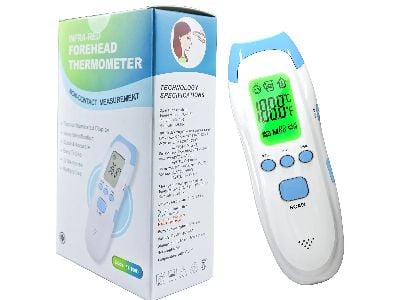
In medical settings, ensuring accurate body temperature measurement is essential for patient safety and effective diagnosis. Bulk non-contact infrared thermometers are increasingly favored in clinics due to their ease of use and rapid results. For purchasing managers and healthcare providers, sourcing reliable devices in bulk can raise several concerns, such as product accuracy, reliability, and compliance with medical standards. This article provides a comprehensive guide on bulk non-contact infrared thermometer sourcing for clinics, addressing key specifications, sourcing options, common installation issues, and practical applications
How to Choose the Right Bulk Non-Contact Infrared Thermometer for Clinics
Choosing the right non-contact infrared thermometer involves evaluating several factors critical to clinical use. First, assess the measurement accuracy and range; devices should provide precise readings (±0.2°C or better) for body temperature in the range of 34°C to 42°C. Consider the device's response time, ideally under 1 second, to ensure quick screening of patients
Next, look for features like a backlit display for easy reading, an automatic shut-off to conserve battery life, and a memory function that records previous readings, which can be beneficial for tracking trends in patient temperatures. Ergonomics and ease of use are also important, especially for clinics with high patient turnover. Devices should be lightweight and comfortable to hold, enabling staff to perform multiple readings without fatigue
Lastly, confirm that the thermometer complies with essential medical certifications such as CE, ISO13485:2003, and FDA approvals, which ensure the device meets safety and quality standards required in clinical environments
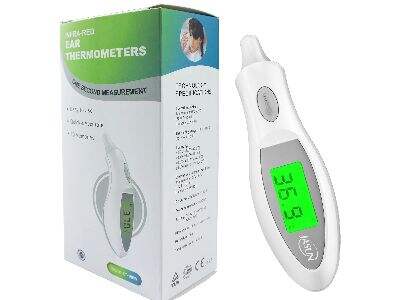
Key Specifications to Evaluate in Non-Contact Infrared Thermometers
When evaluating non-contact infant infrared thermometers, several key specifications should be taken into account
Accuracy and Precision: Verify that the thermometer maintains accuracy within the specified range. A thermometer with a lower margin of error is crucial for clinical settings where precise temperature readings are necessary
Measurement Distance: The optimal distance for measuring temperature varies by model. A device that allows for a distance of 2-5 cm can enhance user comfort and safety, minimizing the risk of cross-contamination
Battery Life: Check the battery specifications, especially if the device is used frequently. A longer battery life reduces operational interruptions and maintenance
Display Features: Features such as a large, clear LCD screen that displays readings in real-time are beneficial. Some models also include color-coded indicators for fever detection, which can enhance usability in busy clinical environments
Durability and Build Quality: Given the potential for frequent drops or exposure to disinfectants, the thermometer's material should be robust and easy to clean without degrading the device
Customization Options: Some manufacturers may offer custom branding or specific features tailored to your clinic's needs, enhancing the device's usability
Buyers should ensure these specifications align with their clinical requirements before placing an order
Where to Source Reliable Non-Contact Infrared Thermometers in Bulk
Sourcing bulk non-contact infrared thermometers can be approached through various channels. The most reliable option is to work directly with established manufacturers like Hangzhou Huaan Medical Health Instruments Co., Ltd., which offers comprehensive OEM/ODM capabilities. This allows clinics to customize devices according to their specific needs while ensuring consistent quality
Distributors specializing in medical equipment are another viable source. They often provide a range of brands and models, allowing for comparative evaluations. However, it’s crucial to verify the distributor's reputation and ensure they deal with certified products
Online platforms can also provide access to bulk purchasing options, but buyers should exercise caution. Ensure that any online source provides detailed product specifications, certifications, and customer reviews. Always request samples for testing before committing to larger orders to assess the product's performance firsthand
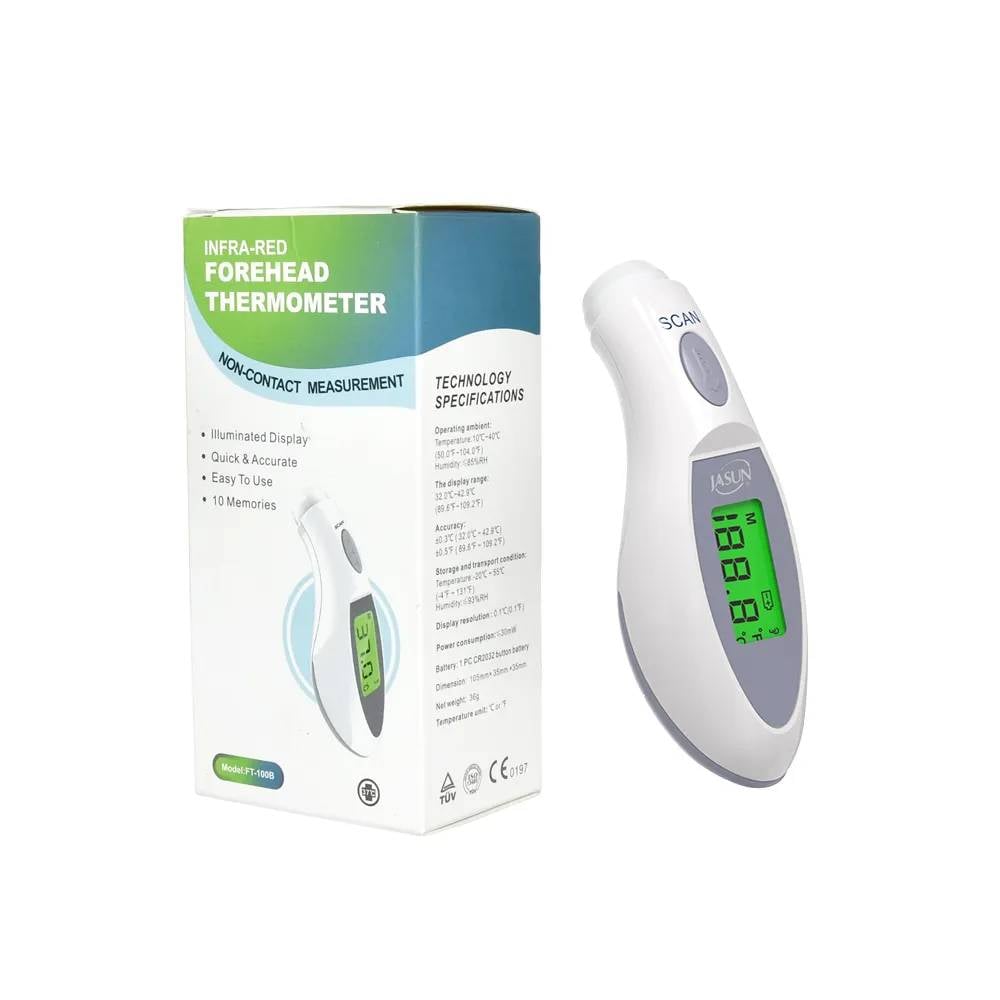
Common Installation Issues with Non-Contact Infrared Thermometers and Solutions
While installing non-contact infrared thermometers is generally straightforward, several common issues may arise
Miscalibrated Devices: A thermometer that is not calibrated correctly can provide inaccurate readings. Always check calibration status upon receiving bulk orders and conduct periodic checks to maintain accuracy
Improper Installation Location: Thermometers should be installed in areas free from direct sunlight and airflow to avoid interference with readings. It’s advisable to position them in a shaded area or use protective coverings when necessary
User Error: Ensure that all clinic staff are trained in proper usage techniques, including maintaining the correct distance and angle when measuring. Providing clear instructions can minimize errors
Battery Issues: If the device requires frequent battery replacements, it can disrupt workflow. Consider models with rechargeable batteries or longer battery life to reduce downtime
Cleaning Protocols: Regular cleaning is essential to maintain the device's accuracy but can lead to issues if not done properly. Use recommended cleaning agents and methods to avoid damaging the thermometer
By addressing these potential issues proactively, clinics can ensure a smoother installation and operation process
Applications of Non-Contact Infrared Thermometers in Clinical Settings
Non-contact infrared thermometers have a variety of applications in clinical environments
Patient Screening: They are primarily used for quick and efficient temperature screening during patient intake, especially in high-traffic areas like emergency rooms or outpatient clinics
Infection Control: During viral outbreaks, these thermometers help identify fever as a symptom, enabling healthcare workers to isolate patients as needed, thus preventing the spread of infection
Pediatric Use: Their non-invasive nature makes them particularly suitable for measuring temperatures in children, who may resist traditional methods
Monitoring Staff Health: Clinics can use these devices to monitor the health of staff, ensuring that employees do not present with fever symptoms, which is vital for maintaining a safe working environment
Routine Temperature Checks: In long-term care facilities or hospitals, regular temperature checks are essential for patient monitoring, where non-contact thermometers provide a practical solution with minimal discomfort
By understanding these applications, clinics can maximize the utility of non-contact infrared thermometers while enhancing patient care and operational efficiency
In summary, sourcing bulk non-contact infrared thermometer newborn requires careful consideration of specifications, reliable suppliers, potential installation challenges, and understanding their diverse applications. By following these guidelines, clinics can make informed purchasing decisions that support their healthcare delivery objectives
Table of Contents
- How to Choose the Right Bulk Non-Contact Infrared Thermometer for Clinics
- Key Specifications to Evaluate in Non-Contact Infrared Thermometers
- Where to Source Reliable Non-Contact Infrared Thermometers in Bulk
- Common Installation Issues with Non-Contact Infrared Thermometers and Solutions
- Applications of Non-Contact Infrared Thermometers in Clinical Settings