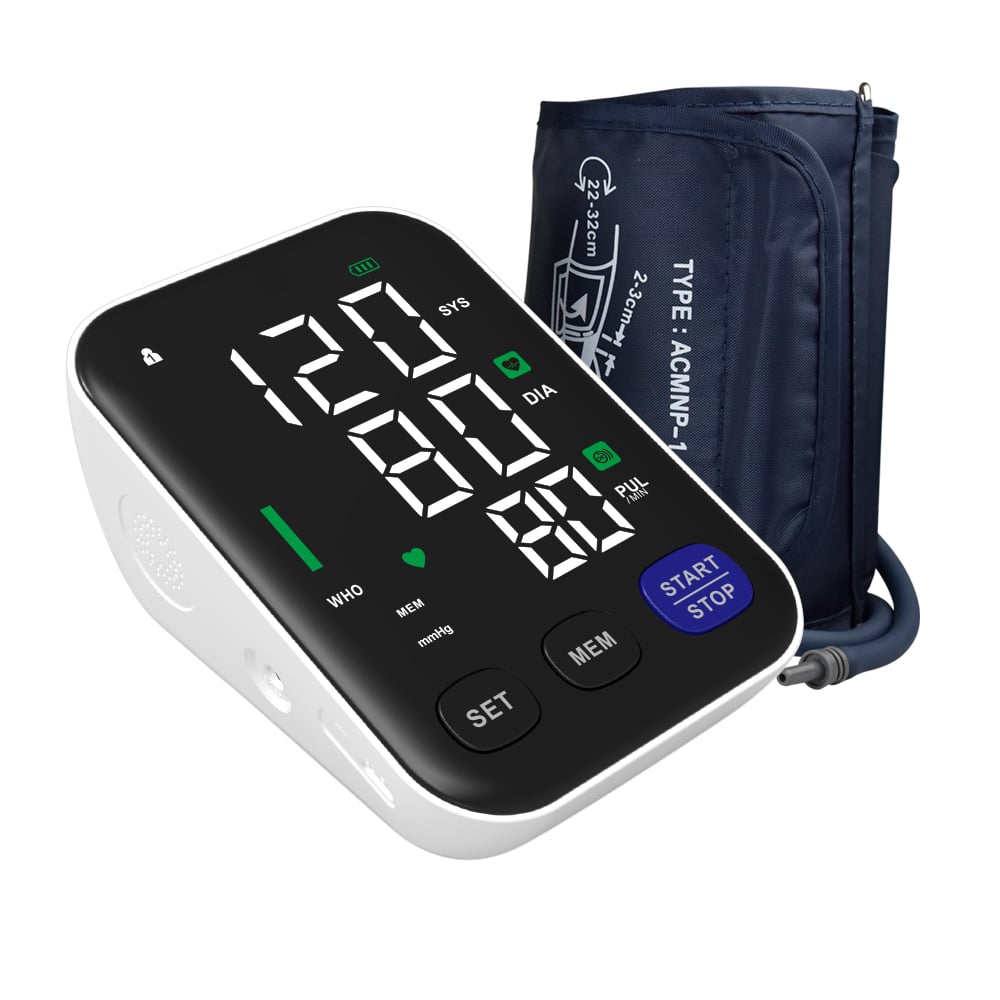
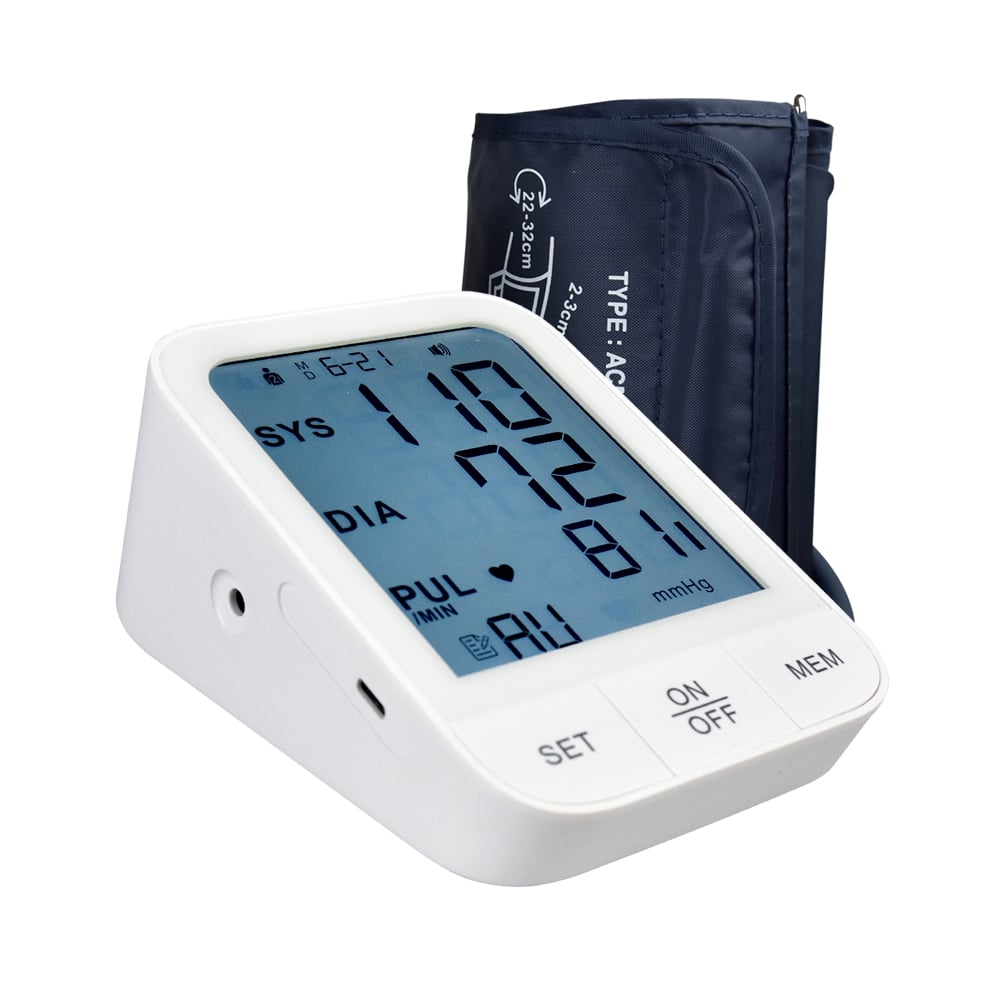
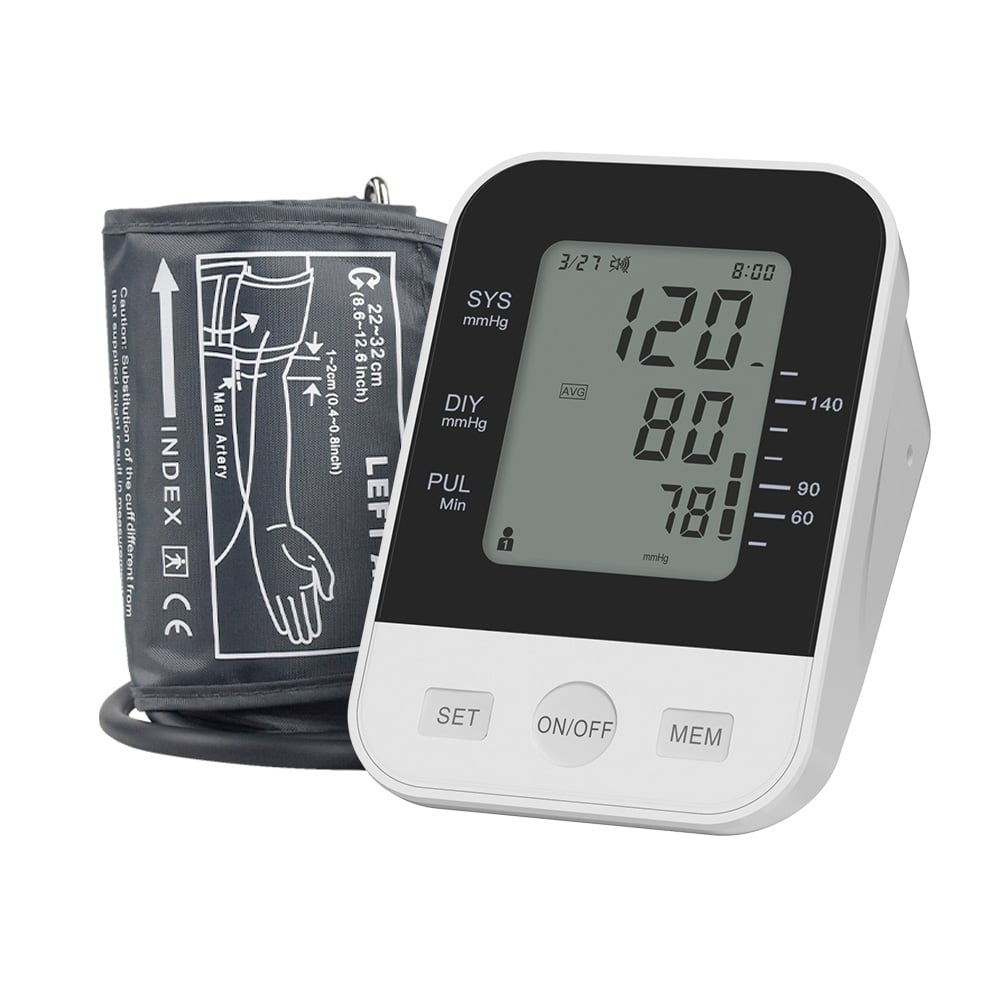
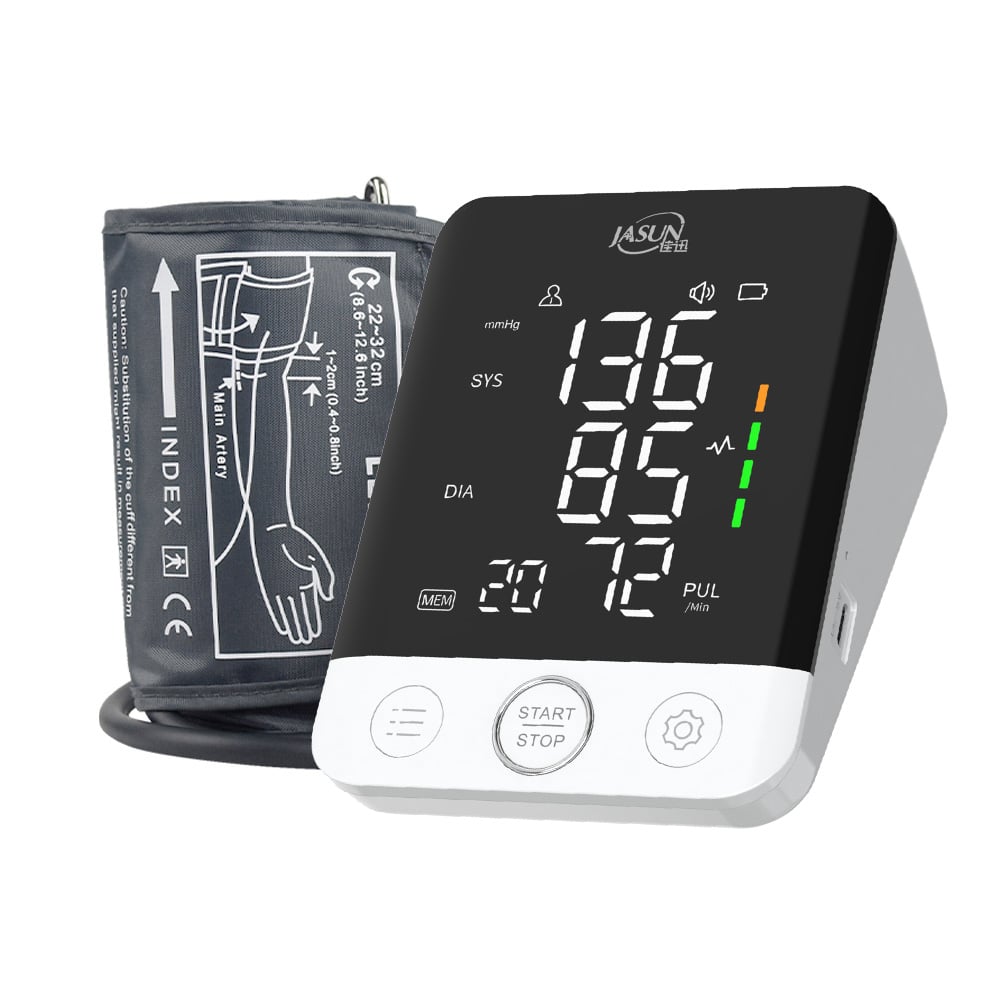
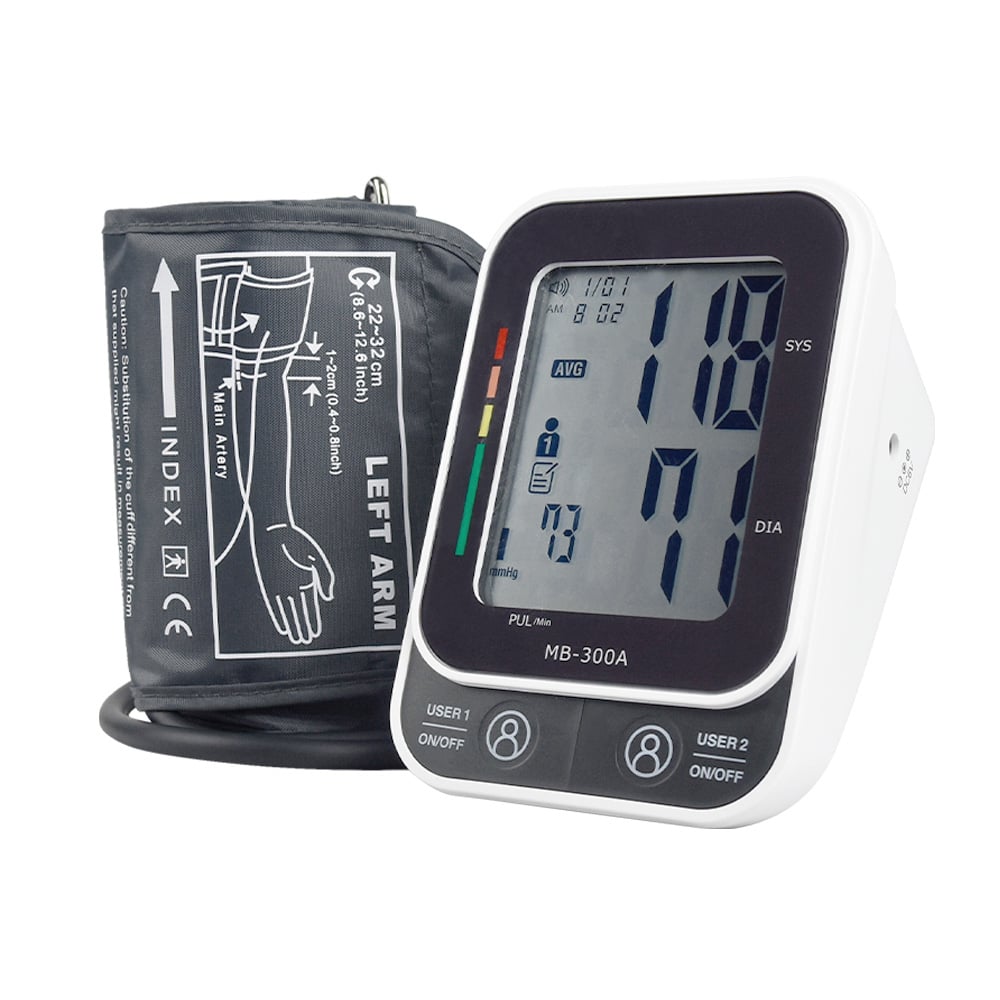
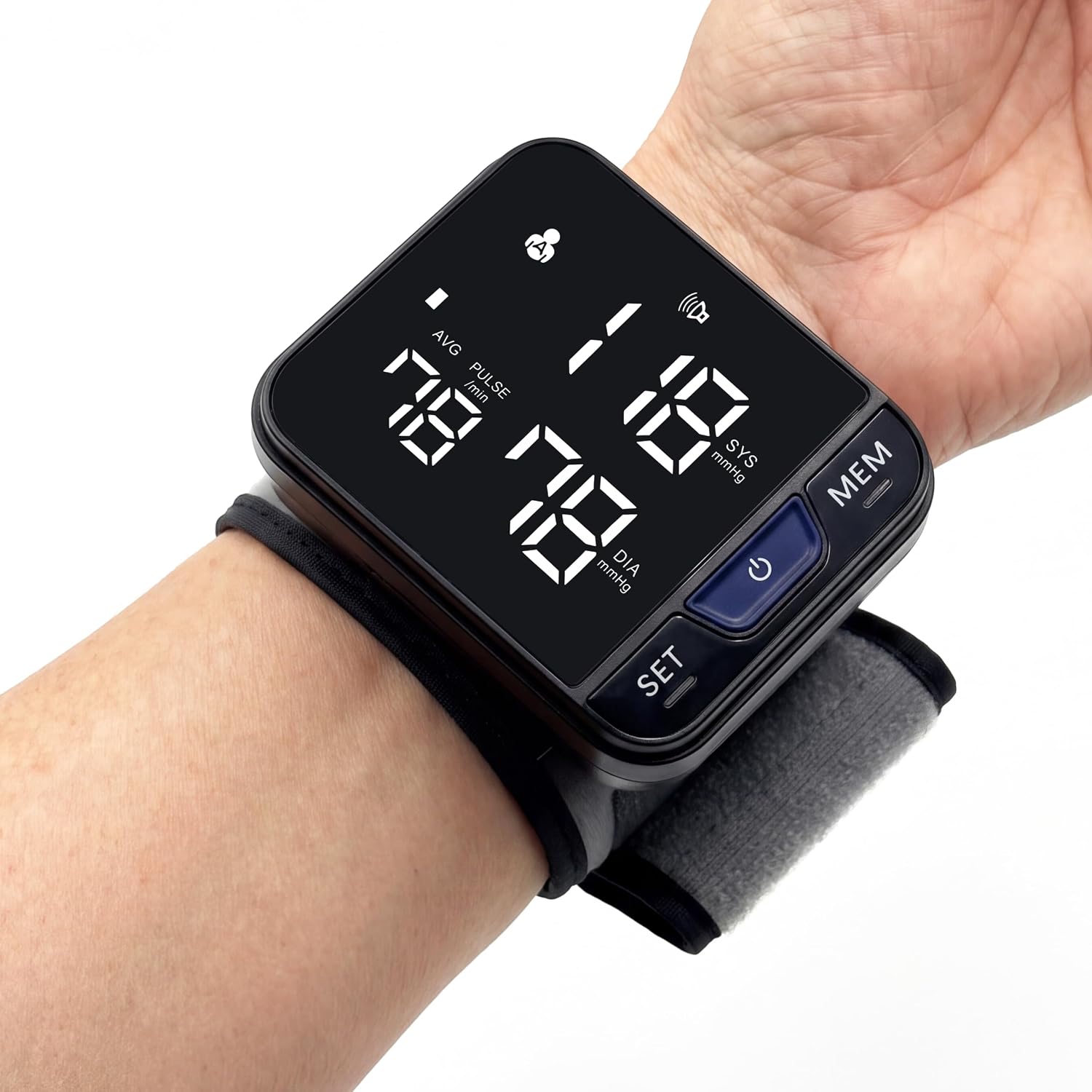
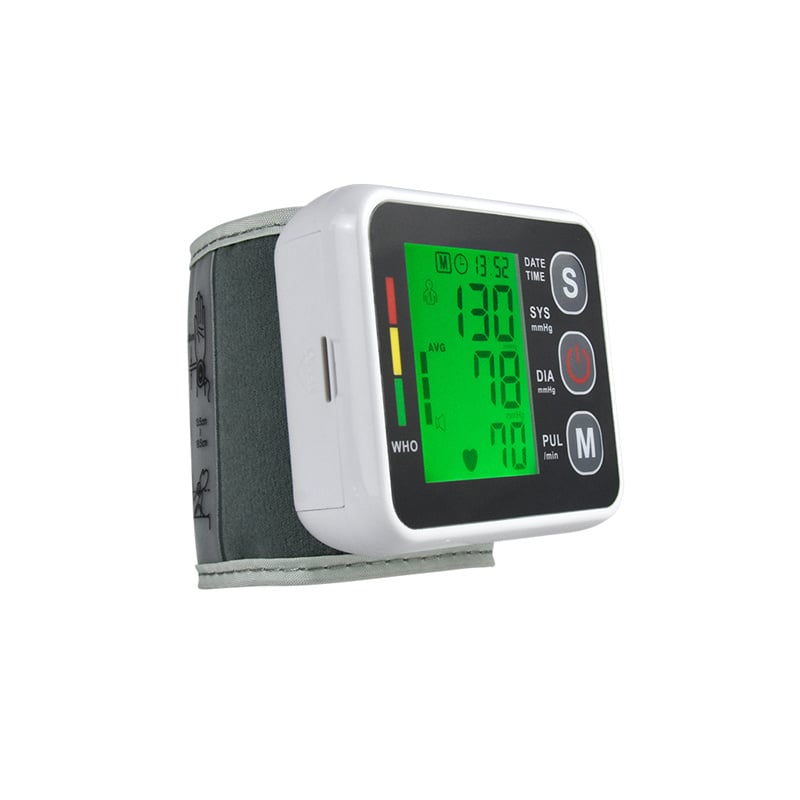
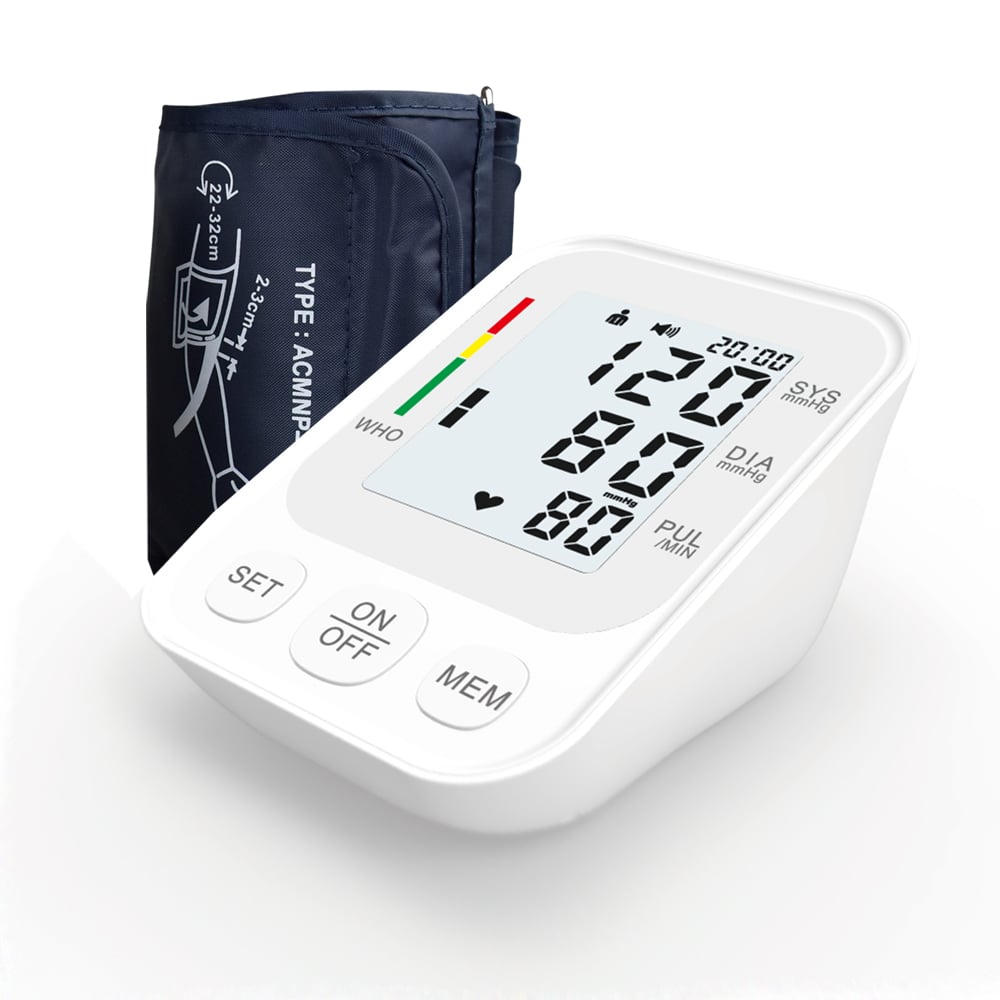
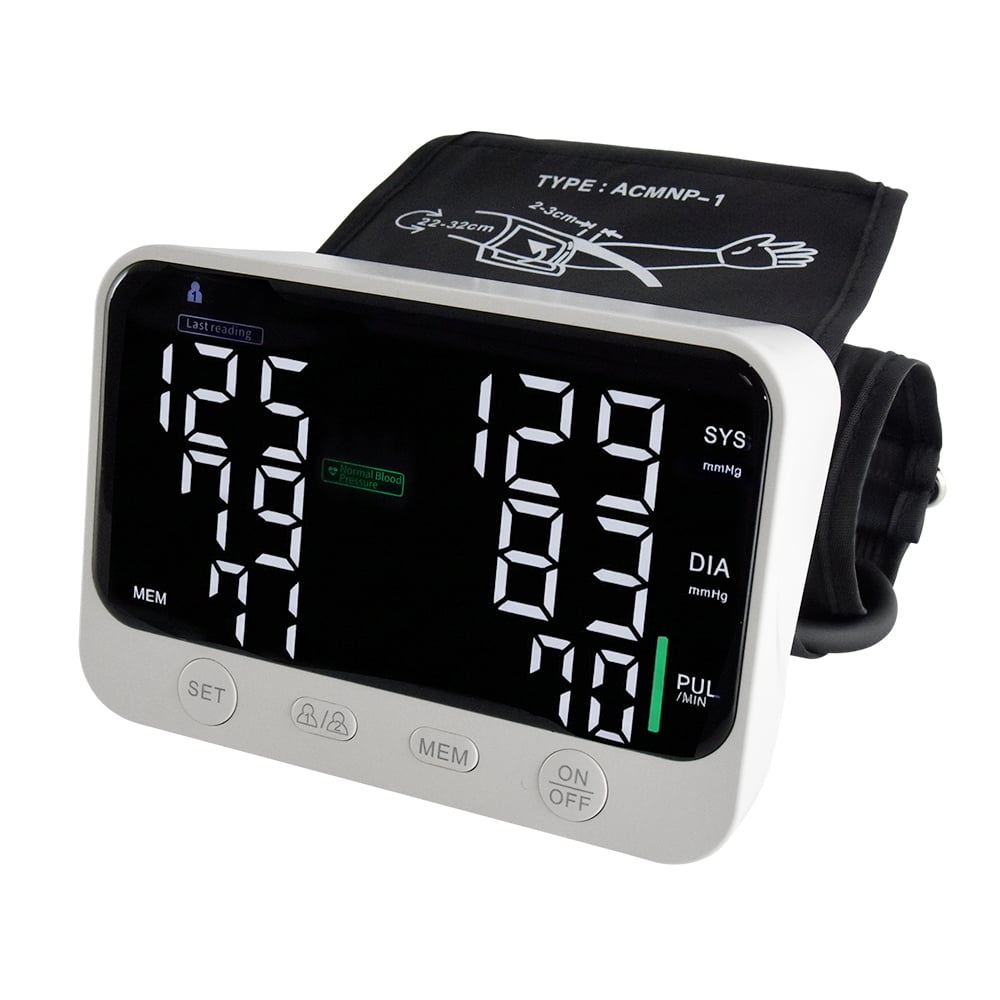
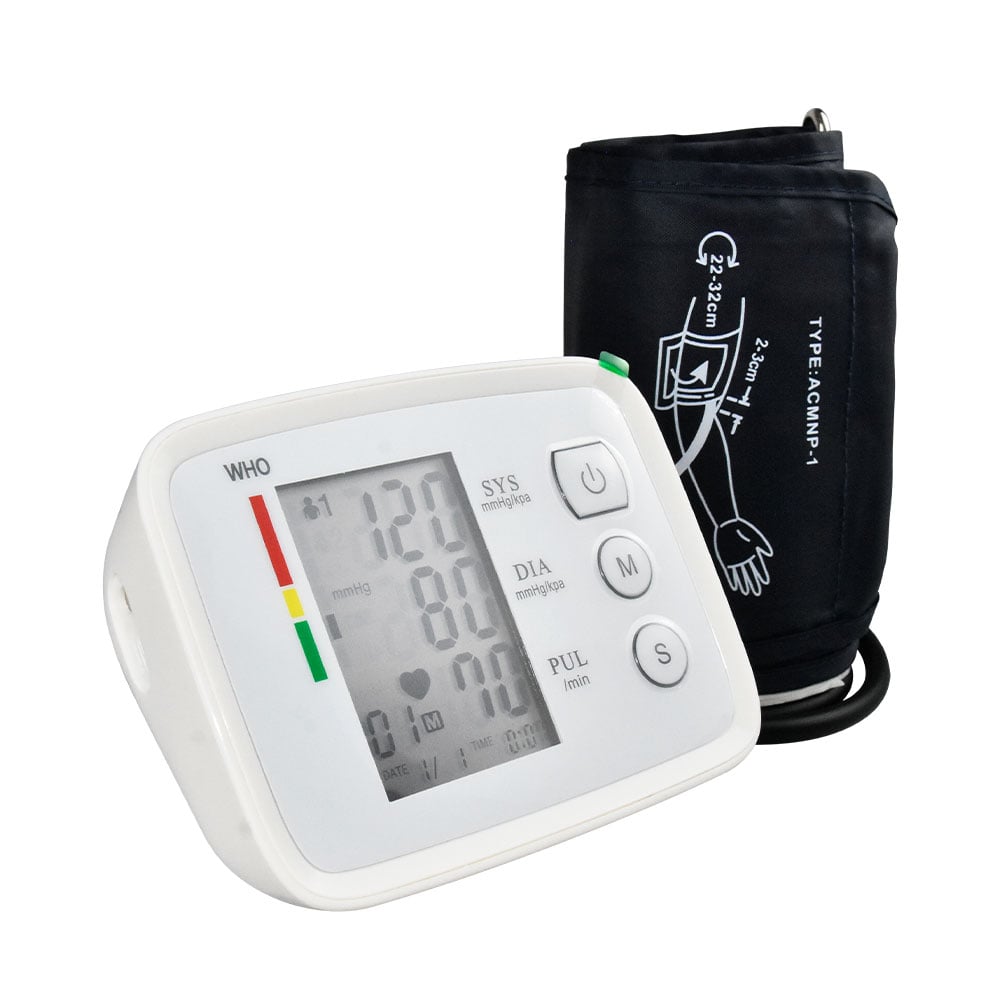
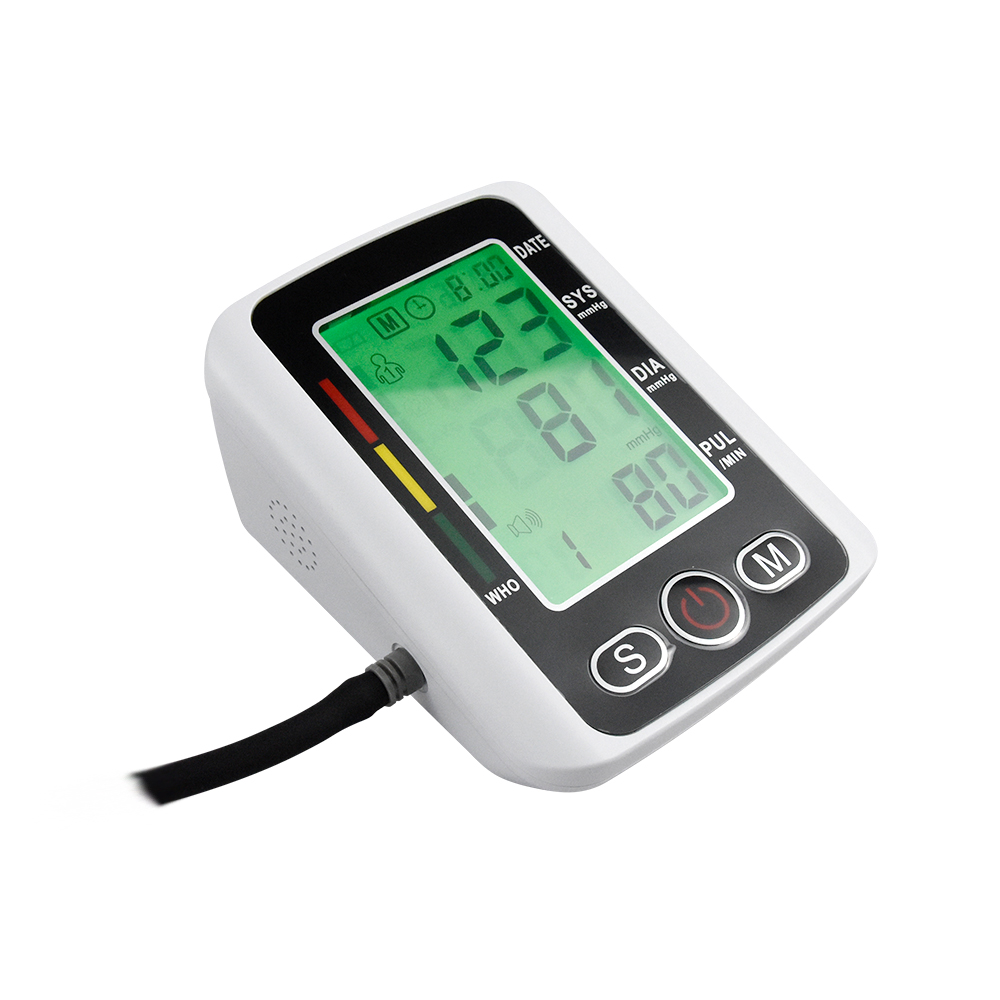
Blood pressure monitoring machines are essential medical devices used to assess a patient's cardiovascular health. As a B2B buyer, understanding the specifications, costs, installation, and accuracy of these machines is crucial for making an informed purchasing decision. This article will guide you through the key considerations when evaluating blood pressure monitoring machines, helping you address primary buyer concerns such as product reliability, cost-effectiveness, and operational efficiency.
When selecting a blood pressure monitoring machine, specifications play a vital role in ensuring the device meets clinical and operational needs. Key specifications to consider include:
Measurement Method: Digital blood pressure monitors may use Oscillometric or auscultatory methods. Oscillometric devices are typically more user-friendly and automated, while auscultatory monitors require a stethoscope and manual operation, making them more suitable for professional settings.
Pressure Range and Accuracy: Look for devices that offer a wide measurement range (e. g., 0-300 mmHg) and high accuracy (±3 mmHg is a common standard). This ensures that the monitor can effectively cater to various patient demographics.
Display Type: Digital displays are preferred for ease of reading, but ensure they are large enough for visibility, especially in hospital environments.
Power Source: Consider whether the device is battery-operated or requires AC power. Battery-operated devices offer portability, which is advantageous for home health care.
Data Storage and Connectivity: Advanced monitors may offer data storage or Bluetooth connectivity for easy integration with electronic health record (EHR) systems. This can enhance patient management by providing historical data for tracking trends.
Understanding these specifications helps buyers select the right machine for their clinical settings, ensuring accuracy and reliability in readings.
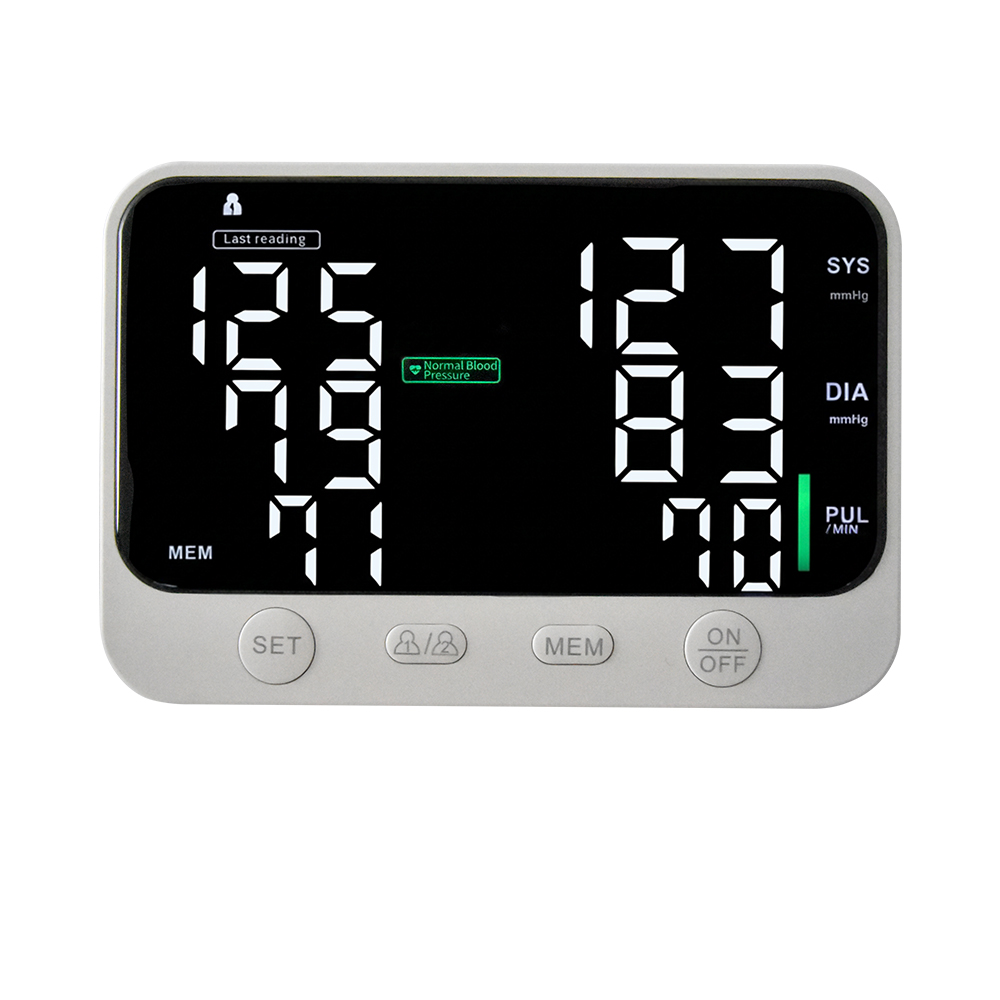
The cost of blood pressure monitoring machines can vary significantly based on several factors:
Type of Device: Automated digital monitors generally cost more than manual sphygmomanometers due to their advanced technology and ease of use.
Features and Functionality: Devices with additional features, such as multiple user settings, wireless connectivity, and advanced data analysis capabilities, typically come at a premium.
Brand Reputation: Established brands often charge higher prices due to perceived reliability and support. However, emerging companies may offer competitive pricing without compromising quality.
Bulk Purchase Discounts: For B2B buyers such as hospitals or clinics, purchasing in bulk can lead to significant discounts. It’s advisable to inquire about minimum order quantities (MOQ) and pricing structures.
Maintenance and Warranty: Consider long-term costs related to maintenance and warranty services. A higher upfront investment might be justified if it includes comprehensive support.
By carefully evaluating these cost factors, buyers can make informed decisions that align with their budget while ensuring quality and functionality.
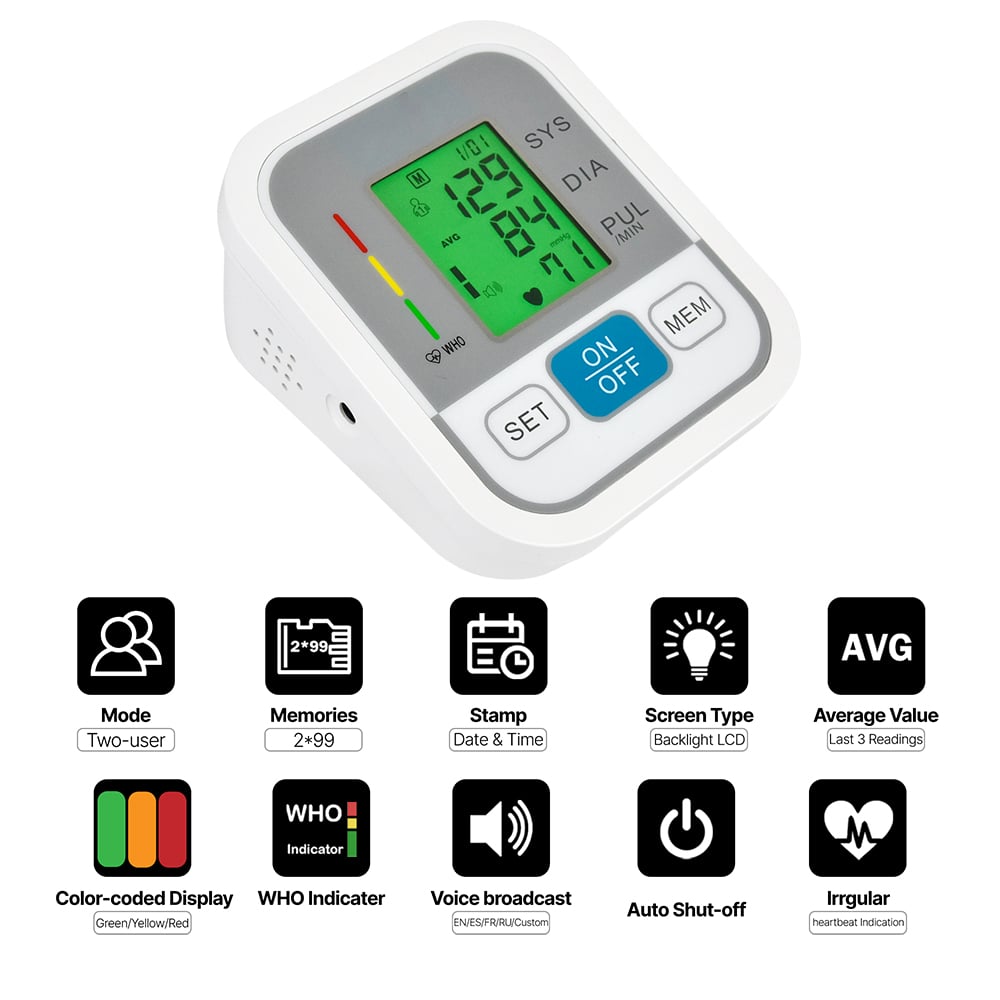
Installation of blood pressure monitoring machine can depend on the complexity of the device and the environment in which it will be used. Here are key considerations:
Location: Choose a location that is easily accessible and allows for optimal patient comfort during use. Ensure there is adequate space for the machine and the patient.
Calibration: Regular calibration is essential for accuracy. Follow the manufacturer’s instructions on how to calibrate the machine upon installation and periodically thereafter.
Training: Ensure that staff are trained on the proper use of the devices. This training should cover how to interpret readings, perform maintenance, and troubleshoot common issues.
Electrical Requirements: If the machine requires AC power, confirm that the installation site meets the necessary electrical specifications. For battery-operated models, ensure an adequate supply of batteries is maintained.
By following these guidelines, buyers can ensure a smooth installation process that maximizes the effectiveness of their blood pressure monitoring machines.
When purchasing blood pressure monitoring machines, buyers should focus on several practical insights:
Sample Evaluation: Request a sample before committing to a bulk purchase. Evaluate its performance under real-world conditions to ensure it meets expected standards.
Supplier Evaluation: Assess potential suppliers based on their manufacturing capabilities, certifications (such as CE and ISO13485:2003), and customer support offerings. A reputable supplier will provide not only a quality product but also ongoing support.
Customization Options: Explore customization possibilities to tailor the machine to specific needs, including branding, packaging, or additional features. This can enhance the product's value in your market.
Regulatory Compliance: Ensure that the devices comply with local regulations and standards. This is crucial for maintaining the safety and efficacy of the devices in a clinical setting.
By keeping these insights in mind, buyers can navigate the complexities of purchasing blood pressure monitoring machines and align their choices with organizational needs.
Accuracy is paramount in blood pressure monitoring, as inaccurate readings can lead to misdiagnosis and inappropriate treatment. Here are important considerations for ensuring accuracy:
Regular Calibration: Establish a routine for calibrating monitors as per the manufacturer’s recommendations. Calibration should be performed frequently, especially in busy clinical environments.
Correct Cuff Size: The cuff size must be appropriate for the patient's arm circumference. Using an incorrect cuff size can lead to inaccurate readings. Manufacturers typically provide guidelines for determining the correct cuff size.
User Technique: Train staff on proper techniques for taking blood pressure readings, including positioning the patient, applying the cuff correctly, and timing the measurement.
Environmental Factors: Ensure that measurements are taken in a quiet environment at room temperature to minimize external influences on readings.
By prioritizing these factors, healthcare providers can enhance the reliability of their automatic blood pressure monitor machines, ultimately improving patient care and outcomes.
JASUN is a registered trademark of Hangzhou Hua'an Medical & Health Instruments Co.,Ltd. Your first option for premium thermometer suppliers in China with CE, MDR, ISO13485:2003, FDA and BSCI certificates.
Our location: Building 2,1# Fuzhu Nan RD, Wuchang Town, Yuhang District, Hangzhou, Zhejiang 310023, China
HOURS: 8:30AM - 6:00PM
Copyright © Hangzhou Hua'an Medical & Health Instruments Co.,Ltd. All Rights Reserved Blog Privacy Policy
 EN