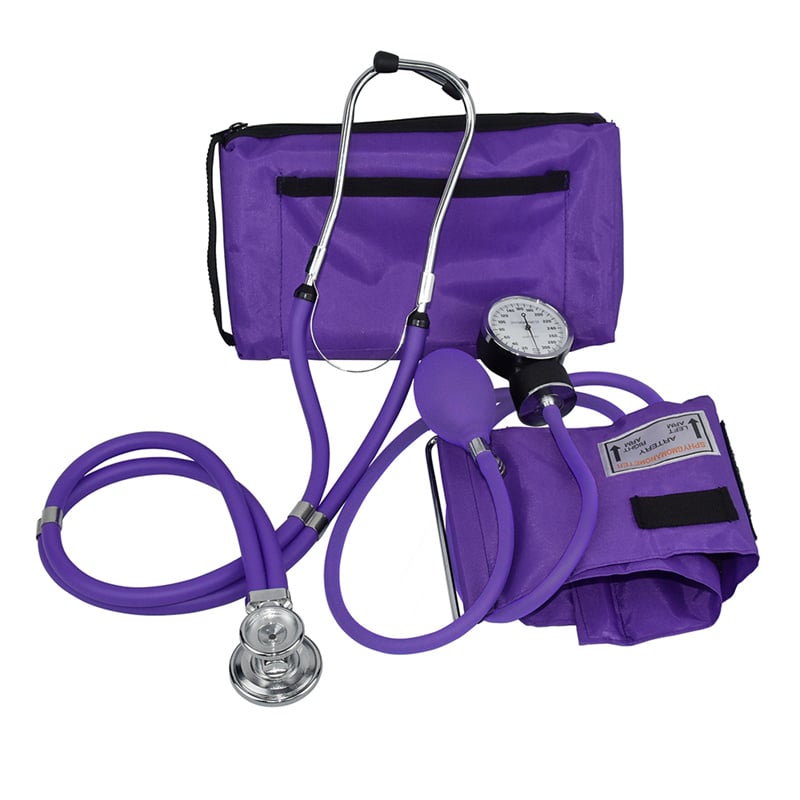
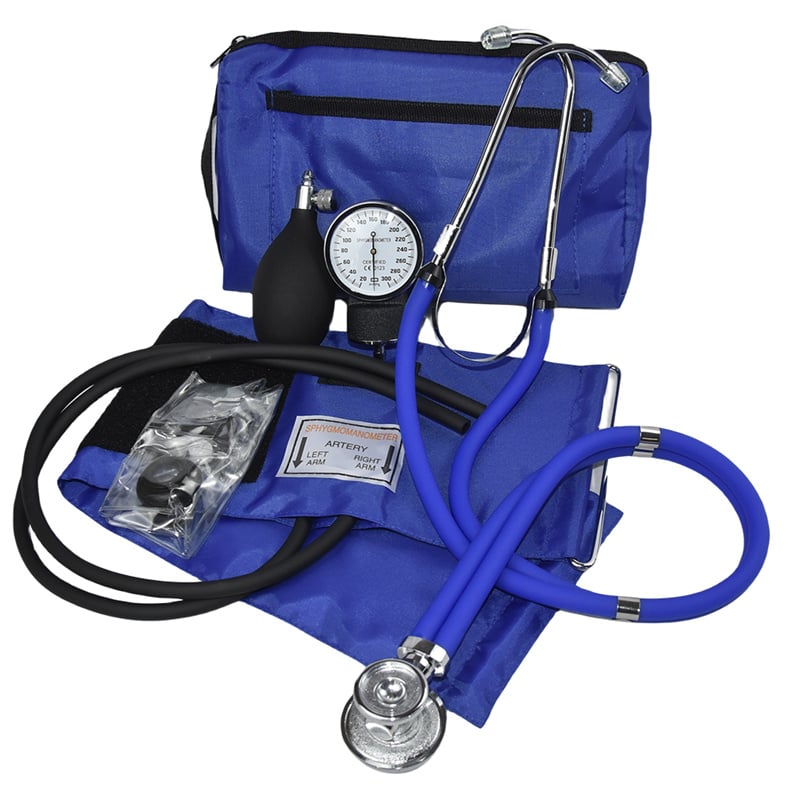
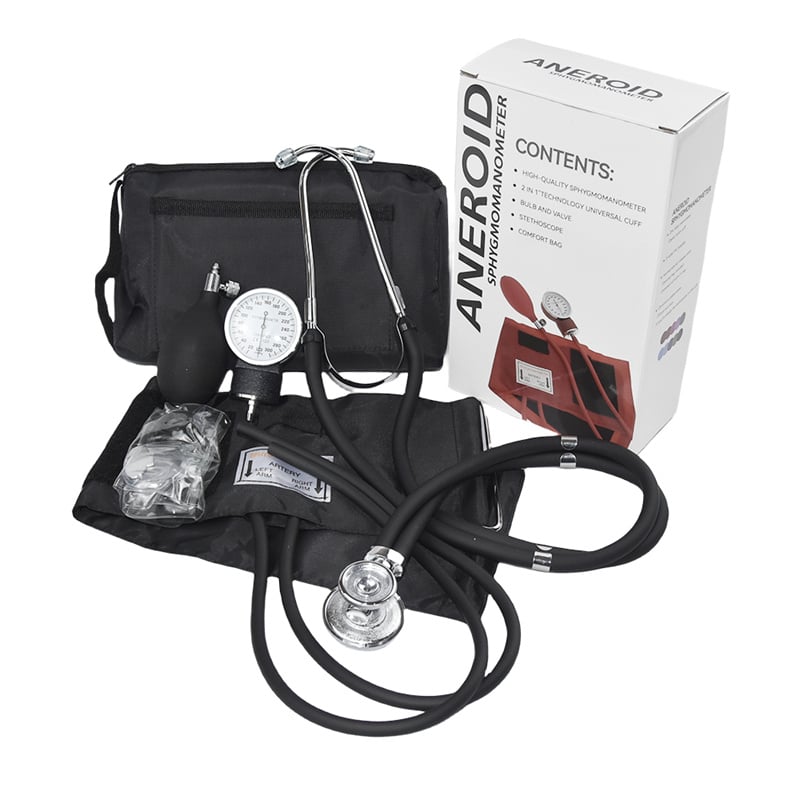
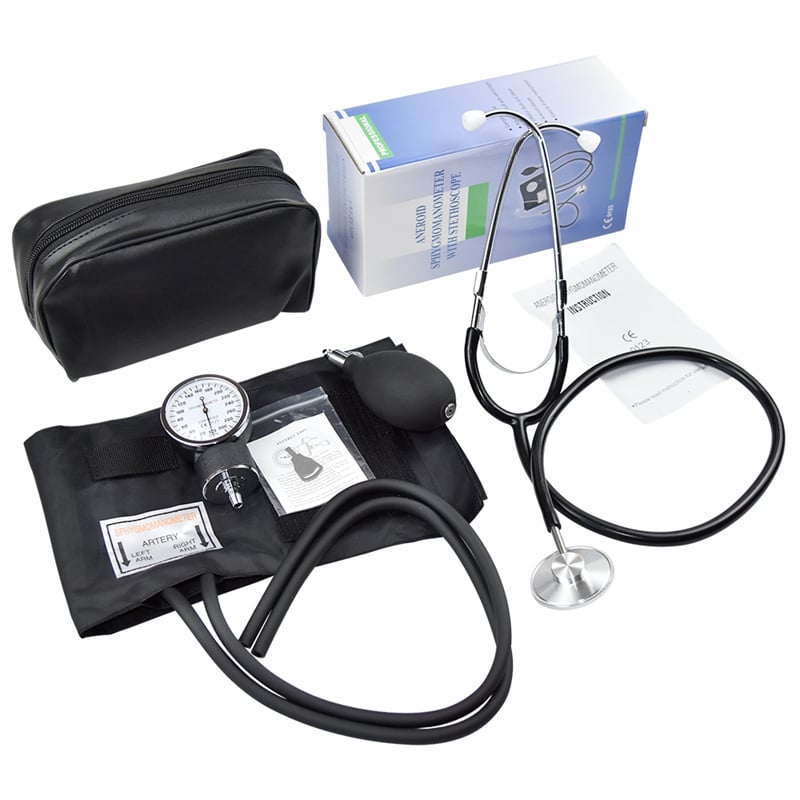
An automatic sphygmomanometer is an essential device used for measuring blood pressure, offering a reliable and efficient solution for healthcare professionals. With increasing concerns over accuracy, comfort, and durability, buyers often seek trusted manufacturers that can provide high-quality devices. This article will help purchasing managers, distributors, and healthcare professionals navigate the complexities of acquiring automatic sphygmomanometer by discussing sourcing, installation, cost factors, applications, and model comparisons.
When sourcing automatic sphygmomanometers, trustworthiness is paramount. Look for manufacturers with a proven track record in the medical device industry, such as Hangzhou Huaan Medical Health Instruments Co., Ltd., which has been recognized since 1997 for its reliable digital sphygmomanometer products. Key factors to evaluate include certifications (CE, MDR, ISO13485:2003, FDA), production capabilities, and customer service reputation.
Buyers should also consider whether the manufacturer has experience working with other global medical brands and startups, as this often reflects their ability to meet diverse quality and customization requirements. Additionally, assessing customer feedback and case studies can provide insights into the manufacturer's reliability and product performance.
Proper installation of automatic sphygmomanometers is critical for accurate readings and optimal performance. It is essential to follow the manufacturer's guidelines closely, which typically include:
Location Selection: Install the device in a controlled environment away from direct sunlight and extreme temperatures. Ensure that the device is at heart level when in use.
Calibration: Prior to first use and periodically thereafter, users should calibrate the device according to the manufacturer's specifications to maintain accuracy. This may involve using a standard pressure gauge for verification.
Power Supply: Ensure a stable power supply to avoid interruptions during use. If using battery-operated devices, check that batteries are new or fully charged before installation.
User Training: Provide training for healthcare staff on the device's operation, including how to interpret results and perform maintenance checks.
By adhering to these guidelines, facilities can maximize the lifespan and accuracy of their automatic electronic sphygmomanometer.
When considering bulk purchases of automatic sphygmomanometers, several cost factors come into play:
Unit Price: The base price per unit can vary significantly based on the manufacturer, the model's features, and the quantity ordered. Generally, higher volumes lead to lower per-unit costs.
Customization Options: Custom features, such as branding, specific measurement units, or additional functionalities, can increase the initial investment. Buyers should weigh the benefits of customization against the additional costs.
Shipping and Handling: Shipping costs can add to the total expenditure, especially for international orders. It’s important to factor in delivery times and potential customs duties as well.
Warranty and Support: Evaluate the warranty terms and support services included with the purchase. A longer warranty may increase initial costs but can save money on repairs or replacements in the long run.
Quality Assurance: Investing in higher-quality devices may come with a higher upfront cost but can lead to reduced maintenance expenses and increased patient satisfaction over time.
Understanding these factors can help buyers make informed decisions that align with their budget and operational needs.
Automatic sphygmomanometers are widely used across various healthcare settings due to their ease of use and accuracy. Common applications include:
Routine Health Check-ups: They are essential in clinics and hospitals for regular blood pressure monitoring, aiding in the early detection of hypertension and other cardiovascular issues.
Home Healthcare: Many patients are advised to monitor their blood pressure at home. Automatic sphygmomanometers designed for home use often feature user-friendly interfaces and memory functions to track readings over time.
Emergency Situations: In emergency departments, quick and reliable blood pressure readings are crucial. Automatic models can provide immediate results, allowing healthcare providers to make prompt decisions.
Research and Clinical Trials: These devices are often used in clinical studies to gather accurate data on patient health metrics, which is vital for effective research outcomes.
By understanding these applications, buyers can better assess which models will meet their specific operational needs.
When comparing different models of automatic sphygmomanometers, consider the following criteria to ensure the selected device best meets your needs:
Measurement Range: Ensure that the model covers the necessary blood pressure range for your patient demographic. Some devices may be limited in range, which could affect their utility in specific populations.
Accuracy and Precision: Look for devices that are validated for accuracy through clinical testing. Manufacturers should provide documentation supporting their claims.
User Interface: A clear and intuitive display can enhance usability, especially in busy healthcare environments. Features such as multilingual options and easy-to-read screens can be beneficial.
Data Storage and Connectivity: Modern models often offer data storage capabilities and connectivity options (Bluetooth) for easy data transfer to electronic health record systems. This can improve efficiency in patient monitoring and record-keeping.
Maintenance Requirements: Compare the maintenance needs of different models. Some may require regular calibration or specific cleaning procedures, which could impact operational efficiency.
Durability and Warranty: Consider the build quality and warranty offered by the manufacturer. A robust device may incur higher initial costs but could prove more cost-effective over time.
By carefully evaluating these factors, buyers can ensure they select a model that aligns with their clinical requirements and budget constraints.
JASUN is a registered trademark of Hangzhou Hua'an Medical & Health Instruments Co.,Ltd. Your first option for premium thermometer suppliers in China with CE, MDR, ISO13485:2003, FDA and BSCI certificates.
Our location: Building 2,1# Fuzhu Nan RD, Wuchang Town, Yuhang District, Hangzhou, Zhejiang 310023, China
HOURS: 8:30AM - 6:00PM
Copyright © Hangzhou Hua'an Medical & Health Instruments Co.,Ltd. All Rights Reserved Blog Privacy Policy
 EN