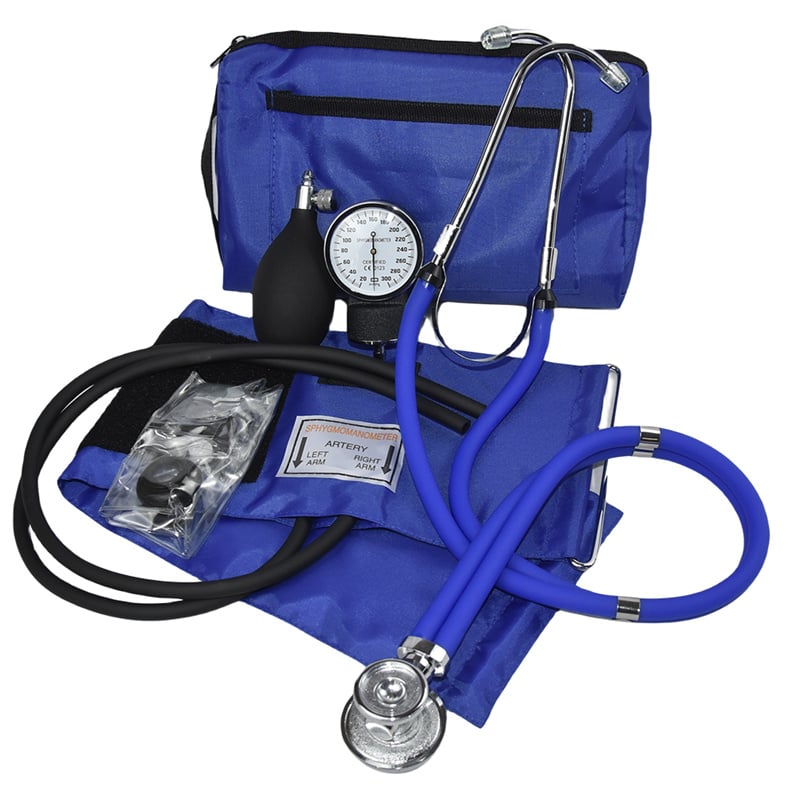
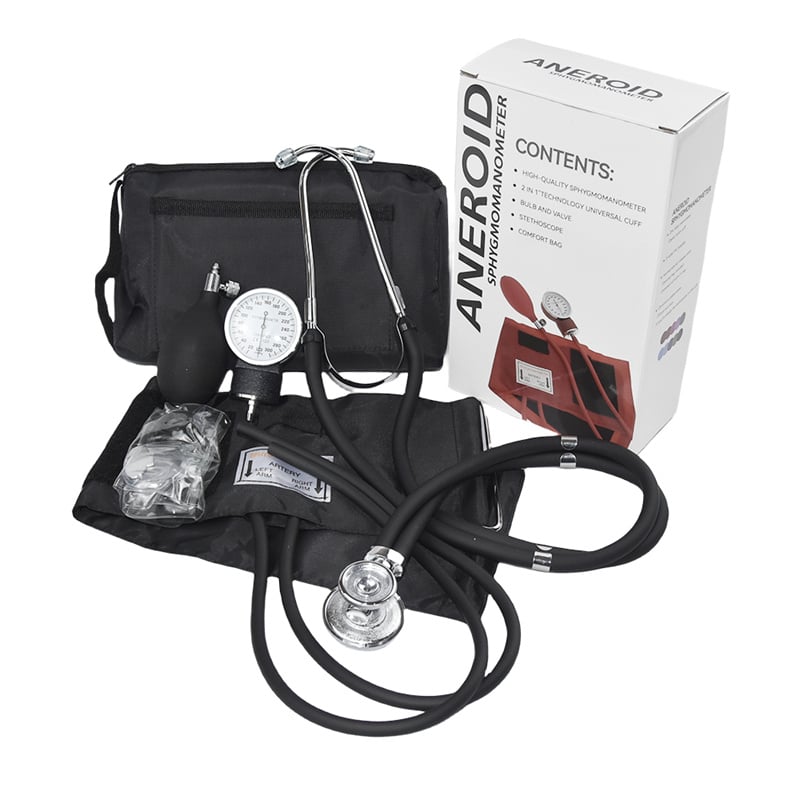
An electronic sphygmomanometer is a sophisticated medical device designed to measure blood pressure accurately and efficiently. As healthcare providers and facilities increasingly prioritize precise diagnostics, understanding the various options available on the market has become crucial. This article aims to guide purchasing managers, distributors, and medical equipment buyers through the essential aspects of electronic aneroid sphygmomanometer, addressing key buyer concerns such as specifications, sourcing, installation, and common issues. By the end, readers will have a clearer understanding of how to choose the right device for their needs.
When selecting an electronic sphygmomanometer, several factors should guide your decision. First, consider the intended application: will it be used in a hospital, a clinic, or for home care? Devices designed for professional healthcare settings often feature advanced functions, such as data storage and connectivity options, while home-use models are typically more user-friendly and portable. Next, evaluate the aneroid sphygmomanometer with stethoscope measurement accuracy and response time. Look for models with clinically validated technology, which ensures reliability in readings. Additionally, comfort and usability should not be overlooked; devices equipped with soft cuffs or automatic inflation systems enhance patient comfort and compliance. Customization options are also important. Many manufacturers, including Hangzhou Huaan Medical Health Instruments Co., Ltd., offer OEM/ODM capabilities, allowing you to tailor the device’s features, branding, and packaging to better fit your business needs.
Understanding the key specifications of electronic sphygmomanometers is critical for making an informed purchasing decision. Key factors to assess include:
Measurement Range: Ensure the device covers a broad range of blood pressure values suitable for your patient demographic.
Accuracy: Look for specifications that indicate the device's accuracy, typically expressed as a percentage and a range (e. g., ±3 mmHg). This is crucial for ensuring reliable patient diagnostics.
Cuff Size: Different patients require varying cuff sizes for accurate readings. Check if the device comes with multiple cuff sizes or if additional cuffs are available for purchase.
Power Source: Consider whether the device operates on batteries, AC power, or both. Battery-operated models offer portability, while AC-powered devices may provide continuous use in a clinical setting.
Data Management: Features like data storage capabilities, wireless connectivity, and compatibility with electronic health records can streamline workflow in medical settings.
Each of these specifications plays a significant role in the overall performance of the electronic sphygmomanometer, impacting both the accuracy of blood pressure readings and the user experience.
Sourcing electronic sphygmomanometers typically involves finding reliable manufacturers or distributors that can meet your quality and quantity requirements. Wholesalers can be found through various channels:
Direct Manufacturers: Establishing direct relationships with manufacturers like Hangzhou Huaan Medical Health Instruments Co., Ltd. can offer benefits such as better pricing, customization options, and direct communication about product specifications and lead times.
Trade Shows: Attending medical equipment trade shows provides an excellent opportunity to meet suppliers, view new products, and negotiate bulk purchasing agreements.
Online Marketplaces: Platforms like Alibaba or Global Sources can connect you with multiple suppliers, allowing for comparison of prices and features.
When initiating contact with potential suppliers, be prepared to discuss your specific needs, including order quantities, customization requests, and delivery timelines.
Proper installation of electronic sphygmomanometers is essential for accurate measurements and patient safety. Here are some key considerations for installation in medical settings:
Location: Select a location that provides easy access for both healthcare providers and patients. The device should be placed on a stable surface, away from direct sunlight and extreme temperatures, which can affect performance.
Calibration: Ensure the device is calibrated according to the manufacturer's specifications. Regular calibration checks should be part of your maintenance routine to guarantee ongoing accuracy.
User Training: Provide thorough training for staff on the device's operation, including how to attach the cuff correctly, interpret readings, and troubleshoot common issues. This not only improves measurement accuracy but also enhances patient experience.
By following these guidelines, healthcare facilities can optimize the functionality of their electronic sphygmomanometers, leading to better patient outcomes.
Despite their advanced technology, electronic sphygmomanometers can encounter several issues. Being aware of these common problems can help buyers take proactive measures:
Inaccurate Readings: This can result from improper cuff sizing or placement. Ensure that the cuff is the correct size for the patient and applied snugly around the upper arm. Regular calibration and following the manufacturer's guidelines are essential for consistent accuracy.
Battery Issues: If the device frequently loses power or doesn’t turn on, check the battery connections and ensure that batteries are properly installed or replaced when low.
Software Glitches: Electronic palm aneroid sphygmomanometer equipped with digital interfaces may sometimes encounter software issues. Restarting the device or consulting the user manual for troubleshooting steps can often resolve these problems.
By anticipating these issues and training staff to recognize and address them, healthcare providers can maintain the reliability of their electronic sphygmomanometers and ensure accurate patient assessments.
JASUN is a registered trademark of Hangzhou Hua'an Medical & Health Instruments Co.,Ltd. Your first option for premium thermometer suppliers in China with CE, MDR, ISO13485:2003, FDA and BSCI certificates.
Our location: Building 2,1# Fuzhu Nan RD, Wuchang Town, Yuhang District, Hangzhou, Zhejiang 310023, China
HOURS: 8:30AM - 6:00PM
Copyright © Hangzhou Hua'an Medical & Health Instruments Co.,Ltd. All Rights Reserved Blog Privacy Policy
 EN