
Digital sphygmomanometers are advanced blood pressure monitors that provide healthcare professionals with accurate and reliable measurements of patients blood pressure. As a key tool in medical settings, these devices are essential for monitoring patients' cardiovascular health and making informed clinical decisions. B2B buyers, such as purchasing managers and medical distributors, often seek reliable manufacturers that offer precision, durability, and compliance with industry standards. This article will guide you through the important aspects of selecting and comparing digital sphygmomanometers, addressing buyer concerns and providing insights into their applications and materials.
When selecting a digital sphygmomanometer, it is crucial to consider several key factors to ensure that the device meets your specific business requirements. Start by assessing the accuracy and reliability of the measurements. Look for devices that comply with international standards and possess certifications such as CE and FDA, which indicate adherence to quality and safety regulations. Next, consider the features that fit your operational needs. Some models offer advanced functionalities, such as Bluetooth connectivity for data transfer, large display screens for ease of reading, and memory functions that allow for tracking multiple readings over time. Durability is also a critical factor, especially in high-traffic healthcare environments. Devices made from high-quality materials that resist wear and tear will provide a longer service life. Finally, evaluate the ease of use and maintenance. Opt for digital thermometer with user-friendly interfaces and clear instructions to facilitate training for staff members. Regular calibration and servicing are also necessary to maintain accuracy, so choose a supplier who offers support and services.
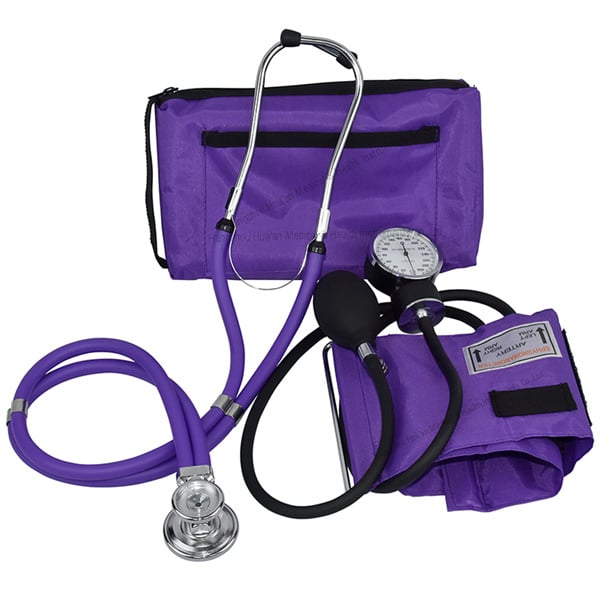
When planning a bulk order of digital sphygmomanometers, it is essential to compare various models based on specific criteria that matter to your organization. Start by creating a checklist that includes the following aspects:
Specifications: Verify the range of blood pressure measurement, inflation method (automatic or manual), and the size options available. Some models come with different cuff sizes to accommodate various patient needs.
Pricing: Obtain quotes from multiple manufacturers. Understand that while lower prices may be tempting, they should not compromise quality. Evaluate the total cost of ownership, including warranty and after-sales support.
Manufacturing Capabilities: Assess the manufacturer's ability to meet your order volume and delivery timelines. A reliable supplier like Hangzhou Huaan Medical Health Instruments Co., Ltd. can ensure consistent production quality and timely delivery.
Customization Options: Check if the manufacturer offers OEM and ODM services. Customization may include branding, packaging, or specific technical features tailored to your business needs.
Quality Assurance: Ensure that the supplier has a robust quality control process in place. Ask about their testing methods and certifications before placing a bulk order.
By comparing these factors, you can make a well-informed decision that aligns with your business objectives.
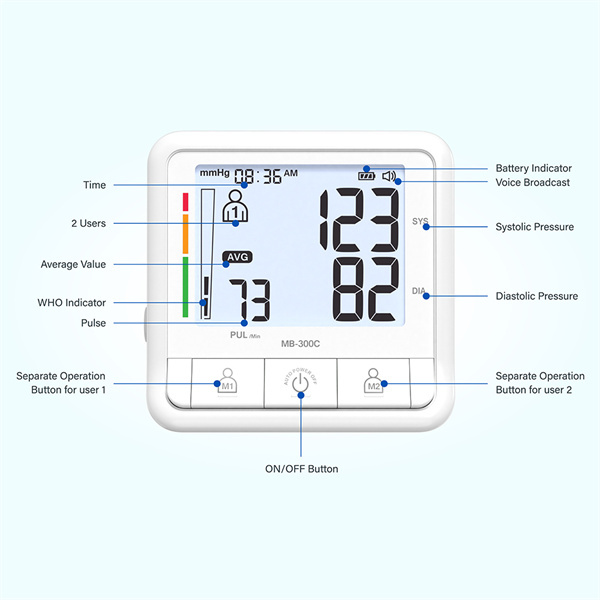
Installation of digital sphygmomanometers should be straightforward; however, there are common issues that may arise. One such problem is improper cuff placement, which can lead to inaccurate readings. To mitigate this, ensure that staff is trained on correct placement techniques and that the device provides clear instructions. Another issue is electrical malfunctions or connectivity problems, especially in models with Bluetooth capabilities. Regularly inspect the device and ensure that software is updated. Providing feedback to the manufacturer about any recurring issues can also help improve future models. Lastly, consider environmental factors where the device is used. Excessive humidity or exposure to direct sunlight can affect performance. Choose a location for installation that adheres to the manufacturer's recommendations regarding temperature and moisture levels.
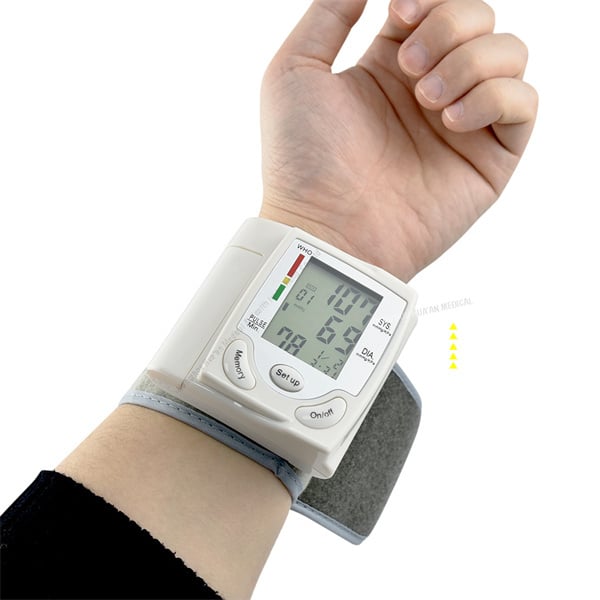
Digital sphygmomanometers are versatile tools used across various healthcare settings. In hospitals, they are essential for monitoring patients in real-time during emergencies or routine check-ups. Their ability to provide quick and accurate readings allows healthcare professionals to make prompt decisions. In outpatient clinics, these devices are used for regular health assessments, especially for patients with chronic conditions like hypertension. Their portability makes them suitable for home healthcare settings as well, enabling patients to monitor their blood pressure conveniently. Additionally, digital digital thermometer for infants are increasingly being integrated into telemedicine solutions, allowing healthcare providers to collect patient data remotely. This capability enhances patient engagement and supports proactive health management.
The materials used in the construction of digital sphygmomanometers significantly impact their performance and durability. Typically, the main components include:
Cuffs: High-quality, latex-free materials are preferred to avoid allergic reactions and ensure patient comfort. The cuff should also be durable enough to withstand repeated use while maintaining accurate pressure readings.
Body: The casing is often made from durable plastics or composites that can resist impacts and are easy to clean. The choice of material affects the device's weight and portability.
Sensors: Precision sensors made from advanced technologies are crucial for accurate pressure measurements. Look for devices that utilize high-grade sensors to minimize error margins.
Display: LCD screens are commonly used due to their clarity and ease of reading. Ensure that the display is protected against scratches and damage.
By understanding the materials used in digital sphygmomanometers, buyers can make informed choices that align with their quality standards and operational needs.
In summary, selecting the right digital digital ear thermometer involves careful consideration of specifications, quality assurance, and practical applications. By taking a strategic approach to purchasing, B2B buyers can enhance their healthcare offerings and ensure patient safety and satisfaction.
JASUN is a registered trademark of Hangzhou Hua'an Medical & Health Instruments Co.,Ltd. Your first option for premium thermometer suppliers in China with CE, MDR, ISO13485:2003, FDA and BSCI certificates.
Our location: Building 2,1# Fuzhu Nan RD, Wuchang Town, Yuhang District, Hangzhou, Zhejiang 310023, China
HOURS: 8:30AM - 6:00PM
Copyright © Hangzhou Hua'an Medical & Health Instruments Co.,Ltd. All Rights Reserved Blog Privacy Policy
 EN


