EN
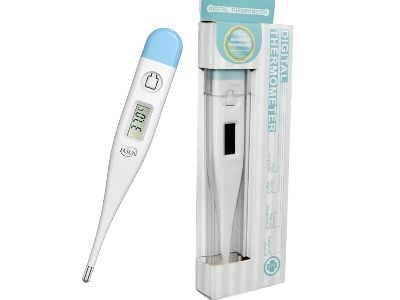
When sourcing medical thermometer units, understanding the top quality criteria is essential for ensuring reliable and accurate temperature measurement. Buyers in the healthcare sector, including purchasing managers and distributors, often prioritize accuracy, comfort, and durability when evaluating potential suppliers. This article will provide insights into the key factors that should be considered when sourcing medical thermometers, helping buyers make informed purchasing decisions.
How to Source Reliable Suppliers for Medical Thermometer Units?
Sourcing reliable suppliers for medical thermometer units begins with thorough research. Look for manufacturers with a solid track record in the healthcare industry, such as Hangzhou Huaan Medical Health Instruments Co., Ltd., known for its expertise in body temperature measuring devices since 1997.
Key steps include:
Evaluate Certifications: Ensure suppliers have relevant certifications such as CE, ISO13485, and FDA approvals. These validate compliance with international quality and safety standards.
Assess Manufacturing Capabilities: Investigate the supplier's research and development (R&D) capabilities, production capacity, and technology. A supplier with robust R&D can offer innovative solutions and custom designs.
Review Client Testimonials: Check for feedback from existing clients to gauge their reliability, responsiveness, and customer service.
Request Samples: Before committing to a bulk order, request samples to evaluate product quality, accuracy, and comfort.
Consider Customization Options: A good supplier should offer OEM/ODM capabilities to meet specific client needs, including branding, design, and packaging.
Building relationships with suppliers through transparent communication can lead to better negotiation terms and improved product quality.
Understanding the Cost Factors of Medical Thermometers in Bulk
When purchasing medical thermometers in bulk, several cost factors come into play. Understanding these can help buyers budget effectively and avoid unexpected expenses.
Material Costs: The choice of materials, such as plastic versus metal, can significantly impact prices. High-quality materials may increase initial costs but can result in better durability and performance.
Manufacturing Processes: The complexity of the manufacturing process affects costs. Advanced technologies may require higher initial investments but can yield better accuracy and reliability.
Quantity Discounts: Many suppliers offer tiered pricing based on order volume. Understanding the minimum order quantity (MOQ) and negotiating based on potential future orders can lead to cost savings.
Shipping and Logistics: Consider shipping costs, import duties, and potential delays. Working with suppliers who have established logistics can minimize these expenses.
Quality Control: Investing in rigorous quality control processes can prevent costly returns and rework, ultimately affecting the overall cost.
By analyzing these factors, buyers can make informed decisions that align with their budget and quality requirements.
Comparing Material Advantages of Different Medical Thermometer Types
Medical thermometers come in various types, including digital, infrared, and glass thermometers, each with unique material advantages.
Digital Thermometers: Typically made from high-grade plastics, digital thermometers are lightweight, durable, and resistant to corrosion. They offer quick readings and are often equipped with features such as memory recall and fever alarms.
Infrared Thermometers: These devices often use advanced optics and sensors housed in durable plastic or metal casings. They provide non-contact measurements, making them suitable for quick screenings in busy healthcare environments.
Glass Thermometers: While less common due to safety concerns and the rise of digital options, medical thermometer still provide accurate readings. Their glass construction can be fragile, but they offer excellent longevity when handled properly.
Each type of thermometer has specific applications and advantages; buyers should consider the intended use and environment when selecting materials.
Common Issues with Medical Thermometers and Their Solutions
While sourcing and using medical thermometers, buyers may encounter several common issues:
Inaccurate Readings: This can stem from poor calibration or environmental factors. Ensure that the supplier provides calibration certificates and that users are trained in proper usage techniques to mitigate this risk.
Durability Problems: Thermometers must withstand frequent use and potential drops. Opt for models that are specifically designed for high durability, and ensure the supplier conducts rigorous testing for robustness.
Battery Life: digital medical thermometer rely on batteries, which can impact usability. Buyers should inquire about battery life and whether the thermometer has low-battery indicators to avoid interruptions.
User Comfort: For thermometers meant for oral or rectal use, comfort is crucial. Selecting models designed with ergonomic shapes and materials can help improve patient experience.
By understanding these common issues and their solutions, buyers can select products that minimize complications and enhance user satisfaction.
Applications of Medical Thermometer Units in Various Healthcare Settings
Medical thermometers are versatile tools utilized across various healthcare settings, from hospitals to home care. Understanding specific applications can help buyers select the right products for their needs.
Clinical Settings: In hospitals and clinics, digital and infrared thermometers are commonly used for quick and accurate assessments of patient temperature. Their ease of use and speed are essential in high-paced environments.
Pediatric Care: For infants and young children, non-contact infrared thermometers are preferred due to their ease of use and comfort. These devices can quickly measure temperature without disturbing the child.
Home Healthcare: With the rise of telemedicine and home care, medical thermometers are essential for at-home monitoring. Digital models that provide quick readings and user-friendly features are particularly valuable.
Public Health: During health crises, such as pandemics medical thermometer digital are utilized in public settings for rapid temperature screening. Their non-invasive nature is ideal for assessing large groups quickly.
By understanding the applications, buyers can choose thermometers that meet the specific needs of their healthcare environment, ensuring accurate patient monitoring and care. In summary, navigating the sourcing of medical thermometer units requires an understanding of quality criteria, cost factors, material advantages, common issues, and applications. By considering these aspects, buyers can make informed decisions that support their operational needs and enhance patient care.
Table of Contents
- How to Source Reliable Suppliers for Medical Thermometer Units?
- Understanding the Cost Factors of Medical Thermometers in Bulk
- Comparing Material Advantages of Different Medical Thermometer Types
- Common Issues with Medical Thermometers and Their Solutions
- Applications of Medical Thermometer Units in Various Healthcare Settings