EN
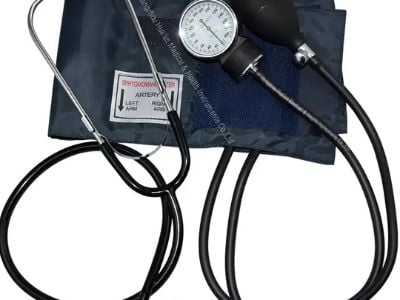
Choosing a reliable sphygmomanometer manufacturer is crucial for healthcare providers and purchasing managers seeking high-quality blood pressure monitoring solutions. The right supplier can significantly impact quality, accuracy, and user satisfaction. This article will address key considerations that B2B buyers should keep in mind when selecting a manufacturer, including specifications, certifications, common issues, and best practices to ensure informed purchasing decisions.
How to Choose a Reliable Sphygmomanometer Supplier for Bulk Orders
When sourcing aneroid sphygmomanometer for bulk orders, reliability and quality are paramount. Begin by evaluating the manufacturer's experience in the medical device sector. A supplier like Hangzhou Huaan Medical Health Instruments Co., Ltd., established in 1997, demonstrates a long-standing commitment to producing body temperature and blood pressure measuring devices that meet rigorous standards.
Next, consider the manufacturer's production capacity and lead times. Ensure they can meet your order volume within your required timeline. Request information on their manufacturing processes, including quality control measures and equipment used, to assess their capability to deliver high-quality products consistently.
Additionally, it's important to verify the manufacturer's OEM/ODM capabilities. This flexibility allows customization of products to meet specific healthcare needs, which is essential for businesses planning to brand or tailor their offerings.
Key Specifications to Evaluate When Selecting a Sphygmomanometer
Choosing the right sphygmomanometer involves understanding key specifications that affect performance and reliability.
Accuracy: This is crucial, as inaccurate readings can lead to misdiagnosis. Look for devices that have been validated against recognized standards.
Calibration: Ensure the manufacturer provides calibration services or instructions. Regular calibration is necessary to maintain accuracy over time.
Material Quality: The materials used in the sphygmomanometer should be durable and resistant to wear, especially in frequent-use environments. For instance, latex-free options are essential for allergy-sensitive patients.
Design and Comfort: Ergonomic design contributes to user satisfaction. Consider models that offer comfort features, such as soft cuffs and easy-to-read displays.
Compatibility: Ensure the sphygmomanometer is compatible with existing medical devices or systems used in your facility.
Evaluating these specifications will help ensure that the selected sphygmomanometer meets both clinical and operational needs.
What to Look for in a Sphygmomanometer Manufacturer's Certifications
Certifications are a critical indicator of a manufacturer's commitment to quality and safety standards. When selecting a sphygmomanometer manufacturer, ensure they hold relevant certifications such as:
ISO 13485:2003: This certification demonstrates that the manufacturer follows quality management systems that are specifically tailored for medical devices.
CE Marking: Indicates conformity with health, safety, and environmental protection standards within the European Economic Area.
FDA Approval: Essential for suppliers intending to market their devices in the U.S., FDA approval signifies compliance with stringent manufacturing and safety standards.
MDR Compliance: The Medical Device Regulation (MDR) ensures that the product meets specific safety and performance requirements in Europe.
BSCI Certification: This reflects a commitment to ethical business practices and social responsibility in manufacturing.
Verifying these certifications can provide confidence in the manufacturer's commitment to quality and regulatory compliance.
Best Practices and Tips
To navigate the process of selecting a reliable sphygmomanometer manufacturer, consider the following best practices:
Request Samples: Before placing a large order, request samples to evaluate the product's quality, accuracy, and user-friendliness. Testing samples under actual usage conditions can reveal any potential issues.
Check References: Reach out to other businesses that have previously worked with the manufacturer. Their experiences can provide insights into reliability, customer service, and product performance.
Assess Customer Support: Evaluate the manufacturer's customer service and support offerings. A responsive support team is vital for addressing any potential issues post-purchase.
Understand Pricing Structures: Be aware of the factors affecting pricing, including material costs, manufacturing complexity, and customization options. Obtain detailed quotations that outline all potential costs.
Plan for Quality Inspections: Implement quality inspection processes for received products. This should include checking for any discrepancies against specifications and ensuring compliance with the agreed-upon standards.
By following these best practices, buyers can mitigate risks and ensure a successful partnership with the manufacturer.
Common Problems with Sphygmomanometers and Their Solutions
While sphygmomanometers are generally reliable, common issues can arise that affect their performance. Buyers should be aware of these potential problems:
Inaccurate Readings: This can occur due to improper calibration or worn-out components. To address this, establish a routine calibration schedule and replace any defective parts immediately.
Cuff Size Misfit: Using the wrong cuff size can lead to inaccurate measurements. Provide guidance on selecting appropriate cuff sizes based on patient demographics.
Battery Failure: In electronic digital sphygmomanometer, battery failure can interrupt operations. Consider devices with low battery indicators and ensure easy access for battery replacement.
Mechanical Failures: Regular maintenance can help prevent issues related to mechanical components. Encourage users to report any operational anomalies immediately.
User Errors: Training staff on correct usage techniques can minimize errors. Consider providing instructional materials or training sessions as part of the purchase agreement.
By addressing these common issues proactively, buyers can enhance the longevity and reliability of their sphygmomanometers.
In summary, choosing a reliable sphygmomanometer manufacturer involves careful consideration of specifications, certifications, and best practices. By following the guidance outlined , B2B buyers can make informed decisions that lead to successful procurement strategies for high-quality blood pressure monitoring devices.