EN
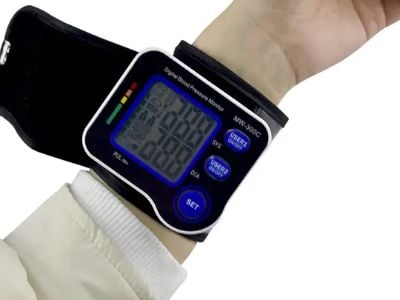
Understanding wrist blood pressure monitor accuracy standards is crucial for healthcare providers and distributors seeking reliable devices. As a manufacturer with years of experience, Hangzhou Huaan Medical Health Instruments Co., Ltd. recognizes that buyers prioritize precision, durability, and compliance with regulatory standards. This article will delve into the accuracy standards for wrist blood pressure monitors, offering insights into choosing the right supplier, evaluating specifications, installation guidance, and common issues with these devices.
Understanding Wrist Blood Pressure Monitor Accuracy Standards
Wrist blood pressure monitors are designed to provide non-invasive blood pressure readings. However, their accuracy can vary significantly depending on several factors. The primary accuracy standard to consider is the ISO 81060-2, which outlines performance requirements for non-invasive sphygmomanometers. Devices must demonstrate accuracy within ±5 mmHg for systolic and diastolic pressures to be deemed reliable.
Another key factor is the calibration of the device. Regular calibration ensures that the monitor maintains its accuracy over time. Buyers should inquire about the calibration practices followed by manufacturers and whether they are compliant with international standards. Additionally, environmental conditions, such as temperature and humidity, can influence readings, making it essential to use the monitor in controlled settings.
How to Choose a Reliable Supplier for Blood Pressure Monitors
Selecting a reliable supplier involves assessing various aspects of their operations. First, consider their certifications. A reputable manufacturer should hold certifications such as CE, ISO13485, and FDA approval, which indicate compliance with international quality and safety standards.
Evaluate the manufacturer’s experience in the industry. Since 1997, Hangzhou Huaan Medical has established itself as a leading player in the market. Their extensive experience suggests a deep understanding of product requirements, which can be advantageous for buyers.
Additionally, assess the supplier's customization capabilities. Different healthcare environments may require specific features in Digital Blood Pressure Monitors. A supplier with strong OEM/ODM capabilities can tailor products to meet unique customer specifications, enhancing usability and satisfaction.
Key Specifications to Evaluate Wrist Blood Pressure Monitors
When evaluating wrist blood pressure monitors, several key specifications should be considered:
Measurement Range: Ensure that the device covers a broad measurement range suitable for various patient profiles. A standard range is typically 0-300 mmHg for systolic readings.
Display Type: A clear digital display is essential for easy reading. Some devices also incorporate backlighting for low-light conditions.
Memory Features: Many monitors offer memory storage for multiple users, which can be beneficial for clinics or family settings. Check how many readings can be stored and whether the device can average multiple measurements.
Battery Life: A long battery life is crucial for ease of use, especially in clinical settings. Look for monitors that are energy-efficient or offer rechargeable battery options.
Cuff Size: The cuff must fit properly to ensure accurate readings. Verify the sizes available and whether additional cuffs can be purchased if needed.
By focusing on these specifications, buyers can ensure that they select a blood pressure monitoring machine that meets their operational needs and maintains accuracy.
Installation Guidance for Wrist Blood Pressure Monitors
Proper installation and usage of wrist blood pressure monitors are vital for obtaining accurate readings. Here are some installation tips:
Positioning: The device should be positioned at heart level during measurement. If the wrist is above or below heart level, it can lead to inaccurate readings.
Cuff Placement: The cuff should be wrapped snugly around the wrist, with the sensor positioned over the radial artery. Ensure that there is no clothing or accessories that could interfere with the cuff's placement.
Calibration Check: Before the initial use, it is advisable to check the device's calibration against a recognized standard device. This helps to confirm that the readings will be reliable.
User Training: Providing training for users on how to correctly operate the monitor can minimize user error. Offering clear instructions and guidelines can be beneficial.
By following these installation guidelines, healthcare professionals can improve the accuracy of their blood pressure readings.
Common Problems with Blood Pressure Monitors and Their Solutions
Despite the technological advancements in wrist blood pressure monitors, users may encounter common issues. Here are a few problems and their solutions:
Inconsistent Readings: This can often be attributed to incorrect cuff placement or improper positioning of the wrist. Always ensure the wrist is at heart level and the cuff fits properly.
Device Malfunction: If the monitor fails to power on or displays errors, check the battery and ensure it is installed correctly. If problems persist, consult the manufacturer’s support for troubleshooting tips.
Over or Under-Estimating Blood Pressure: Calibration issues can lead to inaccurate readings. Regularly check the calibration and consider sending the device to the manufacturer for servicing if discrepancies are noticed.
User Error: Users may not follow the recommended guidelines for taking a measurement. Providing clear, accessible instructions can help mitigate this issue.
By understanding these common problems and their solutions, buyers can ensure a smoother experience with wrist blood pressure monitors.
In summary, as buyers navigate the complexities of selecting wrist Manual Blood Pressure Monitors, understanding accuracy standards, choosing reliable suppliers, evaluating specifications, and addressing common issues are essential for making informed purchasing decisions. Hangzhou Huaan Medical stands ready to assist with high-quality, compliant medical devices tailored to meet the unique needs of healthcare providers and distributors.
Table of Contents
- Understanding Wrist Blood Pressure Monitor Accuracy Standards
- How to Choose a Reliable Supplier for Blood Pressure Monitors
- Key Specifications to Evaluate Wrist Blood Pressure Monitors
- Installation Guidance for Wrist Blood Pressure Monitors
- Common Problems with Blood Pressure Monitors and Their Solutions