EN
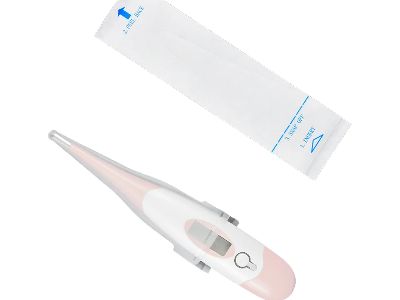
Custom medical thermometers are essential devices for accurately measuring body temperature, especially in healthcare settings. For global brands looking to source reliable body temperature measuring devices, understanding custom medical thermometer solutions is crucial. This article will address key buyer concerns, such as product specifications, supplier reliability, and installation guidance, helping purchasing managers and distributors make informed decisions.
What to Consider for Bulk Orders?
When placing bulk orders for custom medical thermometers, several factors should be taken into account to ensure a smooth procurement process. First, evaluate your specific requirements, including the anticipated volume, delivery timelines, and any customization needs. Many manufacturers, including Hangzhou Huaan Medical Health Instruments Co., Ltd., offer flexible minimum order quantities (MOQs) that can accommodate both large and small-scale orders. Additionally, consider the importance of quality control. Ensure that the supplier adheres to recognized standards such as ISO13485:2003 and CE certifications, which guarantee compliance with international safety and quality benchmarks. It’s also wise to inquire about the production capacity and lead times to avoid delays in supply, especially for urgent projects. Lastly, always request samples before committing to a bulk order. This allows you to assess the functionality and comfort of the thermometers, confirming that they meet your specifications and performance expectations.
How to Choose Reliable Suppliers for Medical Thermometers?
Selecting a reliable supplier for custom medical thermometer solutions involves evaluating several key factors. Start by verifying the supplier's certifications and industry credentials. Companies like Hangzhou Huaan Medical Health Instruments Co., Ltd. hold CE, FDA, and BSCI certifications, which demonstrate their commitment to quality and compliance within the medical instruments sector. Next, assess the supplier's experience in manufacturing medical devices. Look for manufacturers with a strong track record of serving top global medical brands and a deep understanding of regulatory requirements. This experience can significantly reduce the risk of encountering compliance or quality issues during production. Furthermore, examine the supplier's OEM/ODM capabilities. A supplier that can offer tailored solutions, such as customized designs or packaging, is more likely to meet your unique needs. Lastly, consider customer reviews and testimonials to gauge previous clients' satisfaction, which can provide insights into the supplier's reliability and product quality.
Key Specifications for Thermometers
When evaluating custom medical thermometers, understanding key specifications is paramount. Important specifications include accuracy, response time, and measurement range. For instance, thermometers should ideally have an accuracy of ±0.1°C to ensure reliable readings, especially in critical healthcare settings.
The response time is also critical, particularly in fast-paced environments. A thermometer that provides readings in under a second can enhance efficiency, especially during patient screenings. Additionally, consider the measurement range, ensuring it covers typical body temperatures (36.1°C to 37.2°C) and any specific needs based on your application. Other specifications to review include the type of best thermometer for tracking ovulation (such as infrared or digital), battery life, and ergonomic design for user comfort. Make sure to discuss these specifications with your supplier to confirm that the chosen thermometer aligns with your operational requirements.
Understanding the Cost Factors of Custom Medical Thermometers
The cost of custom medical thermometers can vary widely based on several factors. First, the type of thermometer plays a significant role in pricing. Infrared thermometers, for example, may incur higher costs due to advanced technology and features compared to traditional digital models. Customization options also influence the price. If you require specific branding, packaging, or features, expect these to add to the overall cost. Additionally, the volume of the order is a crucial factor; larger orders usually benefit from economies of best basal thermometer for ovulation scale, lowering the per-unit cost. Other cost considerations include shipping fees and tariffs, especially for international orders. Ensure you account for these expenses when budgeting for your purchase. Conducting a thorough cost analysis will help you understand the overall investment required for your thermometer solutions.
Installation Guidance for Custom Medical Thermometers in Your Facility
Proper installation of custom medical thermometers is essential for optimal performance and accuracy. Before installation, ensure your facility is equipped with the necessary environment, as certain thermometers may require specific conditions, such as temperature and humidity control. When installing the devices, follow the manufacturer's guidelines closely. This may include calibration procedures to ensure accurate readings, as well as instructions regarding maintenance and battery replacement. It’s also advisable to train staff on the correct usage of the beurer ovulation thermometer to minimize user error and ensure that accurate temperature readings are consistently obtained. Additionally, consider performing routine checks and maintenance on the thermometers. This includes periodic recalibration and inspection for signs of wear or damage. Establishing a regular maintenance schedule will help prolong the life of your medical thermometers and ensure their reliability in patient care settings. By understanding these key considerations, B2B purchasers can make informed decisions when sourcing custom medical thermometer solutions for their operations.