EN
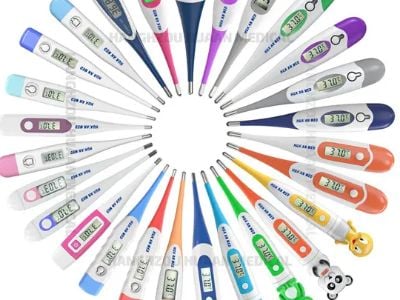
As the demand for accurate temperature measurement continues to grow across various industries, the choice between gallium thermometers and digital options becomes increasingly relevant. This B2B sourcing guide, focusing on "Gallium Thermometer vs Digital Options," aims to provide essential insights into the specifications, quality evaluation, and practical considerations for procurement managers, engineers, and product managers. Understanding these aspects can significantly impact purchasing decisions, ensuring that the selected devices meet the required accuracy, durability, and application needs.
Key Specifications for Gallium Thermometers and Digital Temperature Devices
When comparing gallium thermometers and digital temperature devices, understanding their key specifications is critical. Gallium thermometers, known for their accuracy and reliability, typically feature a scale that measures between -20°C and 30°C with a precision of ±0.1°C. Their construction often includes glass and gallium, which provide superior thermal responsiveness compared to traditional mercury thermometers.
On the other hand, digital thermometers offer a wide range of measurement scales, often from -50°C to 300°C, and can provide readings within seconds. The accuracy of digital devices varies, generally within ±0.1°C to ±0.5°C, depending on the model and calibration. Key specifications to consider include:
Response Time: Digital thermometers usually provide faster readings than gallium thermometers, making them suitable for dynamic environments.
Durability: Gallium thermometers are more susceptible to breakage due to their glass construction, while many digital models are designed to withstand harsher conditions.
Calibration Needs: Digital thermometers may require regular calibration to maintain accuracy, whereas gallium thermometer remain stable over time if handled properly.
Buyers should evaluate these specifications based on their specific application needs, ensuring the chosen thermometer aligns with operational requirements.
How to Evaluate Quality in Gallium Thermometers and Digital Models
Quality evaluation is paramount in selecting temperature measuring devices. For gallium thermometers, buyers should focus on the following aspects:
Material Integrity: Ensure that the thermometer is made from high-quality glass that can withstand thermal shock without compromising accuracy.
Certification Standards: Look for products that comply with CE, ISO13485:2003, and other relevant certifications, which affirm quality and safety.
For digital models, consider:
Battery Life and Power Source: A reliable power source is essential for consistent performance. Examine battery life and the availability of alternative power options.
Display Clarity: A clear digital display enhances usability, especially in low-light conditions or for users with visual impairments.
User Interface: The ease of navigating through settings and reading measurements can significantly impact operational efficiency.
Conducting comprehensive quality checks and requesting samples for testing before large-scale orders can prevent procurement errors.
Gallium Thermometers vs Digital Temperature Solutions
When deciding between gallium thermometers and digital options, it’s essential to understand their respective advantages and disadvantages:
Gallium Thermometers:
Pros: High accuracy, no need for batteries, stable performance over time, and environmentally friendly compared to mercury-based thermometers.
Cons: Fragility, slower response time, and limited measurement range.
Digital Thermometers:
Pros: Fast readings, wider measurement range, often equipped with advanced features like memory storage and data logging, and user-friendly interfaces.
Cons: Dependence on batteries, potential calibration issues, and variability in accuracy based on the model.
The choice between the two often depends on application contexts. For instance, digital thermometer for newborn may be preferred in laboratory settings where precision is paramount, while digital thermometers might be more suitable in clinical or field environments where speed and functionality are crucial.
Installation Guidance for Gallium Thermometers and Digital Alternatives
Proper installation is vital to ensure accuracy and reliability for both gallium thermometers and digital alternatives.
Gallium Thermometers:
Positioning: Install in a stable environment where temperature fluctuations are minimal. Ensure it is not exposed to direct sunlight or heat sources.
Calibration: Before first use, confirm the thermometer is calibrated to local temperature standards, especially if it will be used in critical applications.
Digital Thermometers:
Mounting Options: Many digital thermometers offer wall-mounting or tabletop options. Ensure the chosen location allows for easy visibility and access.
Setup and Calibration: Follow the manufacturer's instructions for setup, ensuring all settings are adjusted for specific measuring needs. Regular calibration checks should be scheduled based on the manufacturer's recommendations.
By adhering to these guidelines, users can maximize the effectiveness and accuracy of their temperature measuring devices.
Common Problems with Gallium Thermometers and Digital Thermometer Solutions
Understanding potential issues can improve the procurement process and operational efficiency. Common problems associated with gallium thermometers include:
Breakage: Glass construction makes them prone to breakage. Buyers should consider protective casings or opt for shatter-resistant models.
Temperature Drift: Over time, infant rectal thermometer can experience drift if not calibrated periodically. Regular checks should be instituted.
For digital thermometers, common issues include:
Battery Failures: Frequent battery changes can lead to operational downtime. Opt for rechargeable models or those with long-lasting batteries.
Display Malfunctions: Digital displays may sometimes fail due to exposure to moisture or impact. Selecting models with robust designs can mitigate this risk.
By proactively addressing these challenges, buyers can enhance the longevity and reliability of their temperature measuring devices, ensuring they fulfill their intended applications effectively.
In summary, selecting between gallium thermometers and digital temperature solutions requires careful consideration of specifications, quality, installation, and potential issues. By understanding these factors, B2B buyers can make informed decisions that align with their operational needs and ensure optimal performance from their temperature measuring devices.
Table of Contents
- Key Specifications for Gallium Thermometers and Digital Temperature Devices
- How to Evaluate Quality in Gallium Thermometers and Digital Models
- Gallium Thermometers vs Digital Temperature Solutions
- Installation Guidance for Gallium Thermometers and Digital Alternatives
- Common Problems with Gallium Thermometers and Digital Thermometer Solutions