
When purchasing a thermometer, particularly an infrared non-contact thermometer, it’s essential to consider several factors to ensure accurate and reliable body temperature measurements. Infrared non-contact thermometers have gained prominence in healthcare and various industries for their efficiency and ease of use. This article will delve into key considerations for selecting the right thermometer, sourcing options, quality assessments, installation guidance, and applications across different sectors.
Selecting the appropriate infrared non-contact thermometer begins with understanding your specific requirements. These devices are available in various types, each suited for different applications, such as medical, industrial, or food safety.
Application-Specific Features: Determine whether you need a thermometer primarily for medical use, such as monitoring patient temperatures in a healthcare setting, or for industrial applications, like measuring surface temperatures in manufacturing processes. Medical non contact infrared thermometer often have stricter accuracy requirements and may include features like fever alerts.
Measurement Range and Accuracy: Consider the temperature range that the thermometer must cover. Medical thermometers typically measure between 32°C to 42°C (89.6°F to 107.6°F), while industrial models may extend beyond this range. Accuracy is also crucial; look for devices that guarantee precision within ±0.2°C for medical applications.
Ease of Use and Comfort: Non-contact design inherently offers comfort, but also consider the ergonomics of the device. Features like easy-to-read displays, lightweight construction, and intuitive operation can enhance user experience, especially in high-traffic environments.
Durability and Maintenance: Choose a thermometer constructed from high-quality materials that can withstand frequent use and potential environmental stressors. Look for models that require minimal maintenance, as this reduces long-term operational costs.
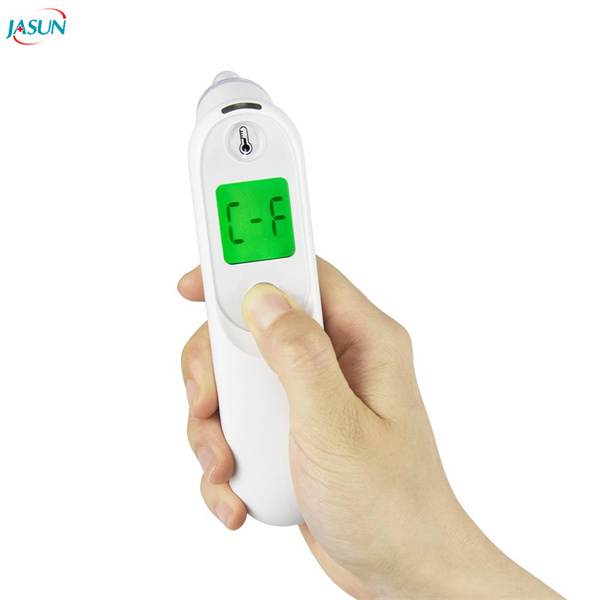
When sourcing infrared non-contact thermometers, it’s vital to evaluate potential suppliers carefully. Here are some key considerations:
Manufacturer Reputation: Select suppliers with a proven track record in manufacturing reliable thermometers. Hangzhou Huaan Medical Health Instruments Co., Ltd., for example, is recognized for its high-quality medical devices and extensive industry experience since 1997.
Certifications and Compliance: Ensure that the manufacturer adheres to international standards and possesses relevant certifications such as CE, ISO13485:2003, and FDA approval. These certifications indicate that the products meet safety and quality benchmarks.
Customization Options: Depending on your needs, inquire about customization capabilities. This can include branding, specific design features, or tailored packaging solutions to suit your business requirements.
Minimum Order Quantities (MOQ) and Pricing: Understand the supplier's MOQ and pricing structure. This knowledge can help you manage your budget and inventory effectively while ensuring you meet your operational needs.
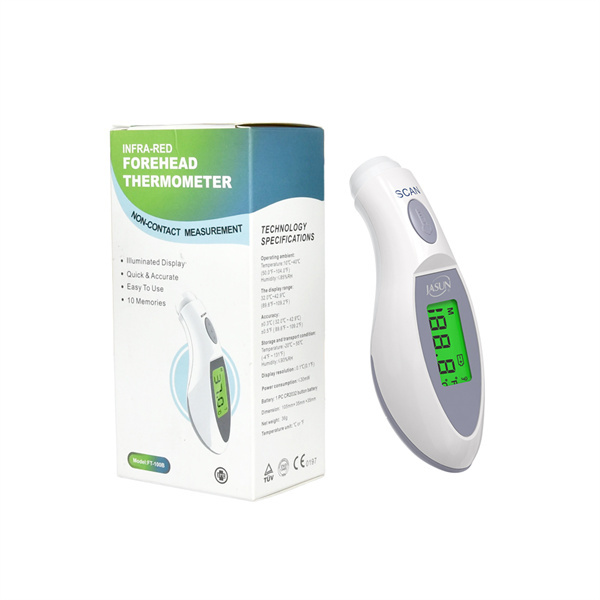
Quality and accuracy are paramount when evaluating digital infrared thermometer. Here are critical factors to consider:
Calibration and Testing Methods: Ask about the calibration process used by the manufacturer. Regular calibration against recognized standards ensures that the thermometer maintains its accuracy over time. Inquire whether the thermometer undergoes rigorous testing before leaving the factory.
Technical Specifications: Review specifications such as response time, measurement resolution, and the thermal sensitivity of the device. For instance, a thermometer with a 0.1°C resolution is preferable for precise clinical assessments.
User Reviews and Case Studies: Investigate feedback from other users within your industry. Testimonials or case studies can provide insight into real-world performance and reliability, helping gauge how the thermometer performs in practical situations.
Quality Control Processes: Understand the quality control measures in place at the manufacturing facility. A robust quality management system, such as ISO certification, indicates a commitment to maintaining high standards throughout the production process.
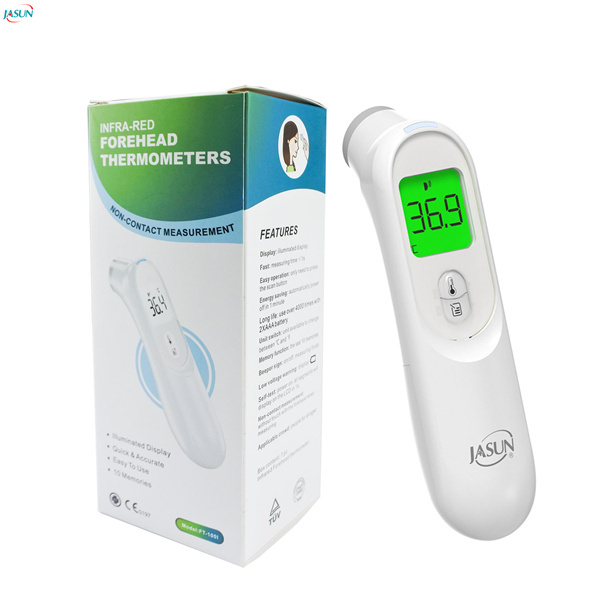
Proper installation and usage of infrared non-contact thermometers are critical for achieving accurate readings. Here are practical steps:
Location and Environment: Install the thermometer in a location that minimizes interference from environmental factors such as sunlight, drafts, or reflective surfaces. Ensure that the area is free from obstructions that may affect the measurement path.
User Training: Provide training for users on how to operate the thermometer correctly. This includes guidance on maintaining an appropriate distance from the subject, understanding the display readings, and interpreting results accurately.
Routine Maintenance: Establish a routine maintenance schedule to clean and inspect the thermometer. Regular cleaning of the sensor lens and housing can prevent contamination and ensure consistent performance.
Calibration Checks: Perform periodic calibration checks as recommended by the manufacturer. This practice helps verify the device's accuracy over time and ensures compliance with any regulatory standards.
Infrared non-contact thermometers are versatile tools used across multiple sectors. Here are some primary applications:
Healthcare: In clinical settings, these thermometers facilitate quick and hygienic temperature assessments, crucial during patient evaluations or outbreaks. Their non-invasive nature makes them ideal for use in pediatric care or crowded environments.
Food Safety: In the food industry, infrared thermometer are employed to monitor cooking temperatures and ensure compliance with health regulations. They help prevent foodborne illnesses by verifying that food has reached safe temperatures.
Manufacturing and Industrial Applications: Infrared thermometers are vital for monitoring equipment and product temperatures in manufacturing processes. They help optimize operations by identifying overheating machinery, thus preventing costly breakdowns.
HVAC and Building Maintenance: Technicians use infrared thermometers to assess heating, ventilation, and air conditioning systems, ensuring they operate efficiently. This application can save energy costs and enhance comfort levels in buildings.
Understanding the nuances of infrared non-contact thermometers can significantly enhance your purchasing decision. By considering your specific needs, evaluating suppliers, and applying best practices for installation and usage, you can ensure that you select a device that meets your operational requirements and delivers reliable performance.
JASUN is a registered trademark of Hangzhou Hua'an Medical & Health Instruments Co.,Ltd. Your first option for premium thermometer suppliers in China with CE, MDR, ISO13485:2003, FDA and BSCI certificates.
Our location: Building 2,1# Fuzhu Nan RD, Wuchang Town, Yuhang District, Hangzhou, Zhejiang 310023, China
HOURS: 8:30AM - 6:00PM
Copyright © Hangzhou Hua'an Medical & Health Instruments Co.,Ltd. All Rights Reserved Blog Privacy Policy
 EN


