
Choosing the right infrared thermometer for your business can be a critical decision, especially when ensuring accuracy and reliability in body temperature measurement. Infrared thermometers are essential in various sectors, particularly in healthcare, where they facilitate non-contact temperature assessments. This article aims to guide purchasing managers and other B2B buyers through the key considerations when sourcing infrared thermometers, emphasizing product specifications, installation issues, materials, and the impact of manufacturing experience.
When selecting digital thermometer for wholesale, several factors must be considered to ensure that you meet your operational needs effectively. First, accuracy is paramount; choose models that guarantee precise measurements, as inaccuracies can lead to critical errors in medical and industrial applications. Look for thermometers with a fast response time, allowing for quick assessments, especially in high-traffic areas like clinics and hospitals. Another vital consideration is user-friendliness. Ergonomics play a significant role, especially for devices intended for frequent use. Devices that offer intuitive controls and clear displays can enhance efficiency and reduce user error. Additionally, evaluate the warranty and support services offered by the manufacturer. A reliable supplier should provide comprehensive support, including technical assistance and replacement parts, to ensure long-term operational efficiency.
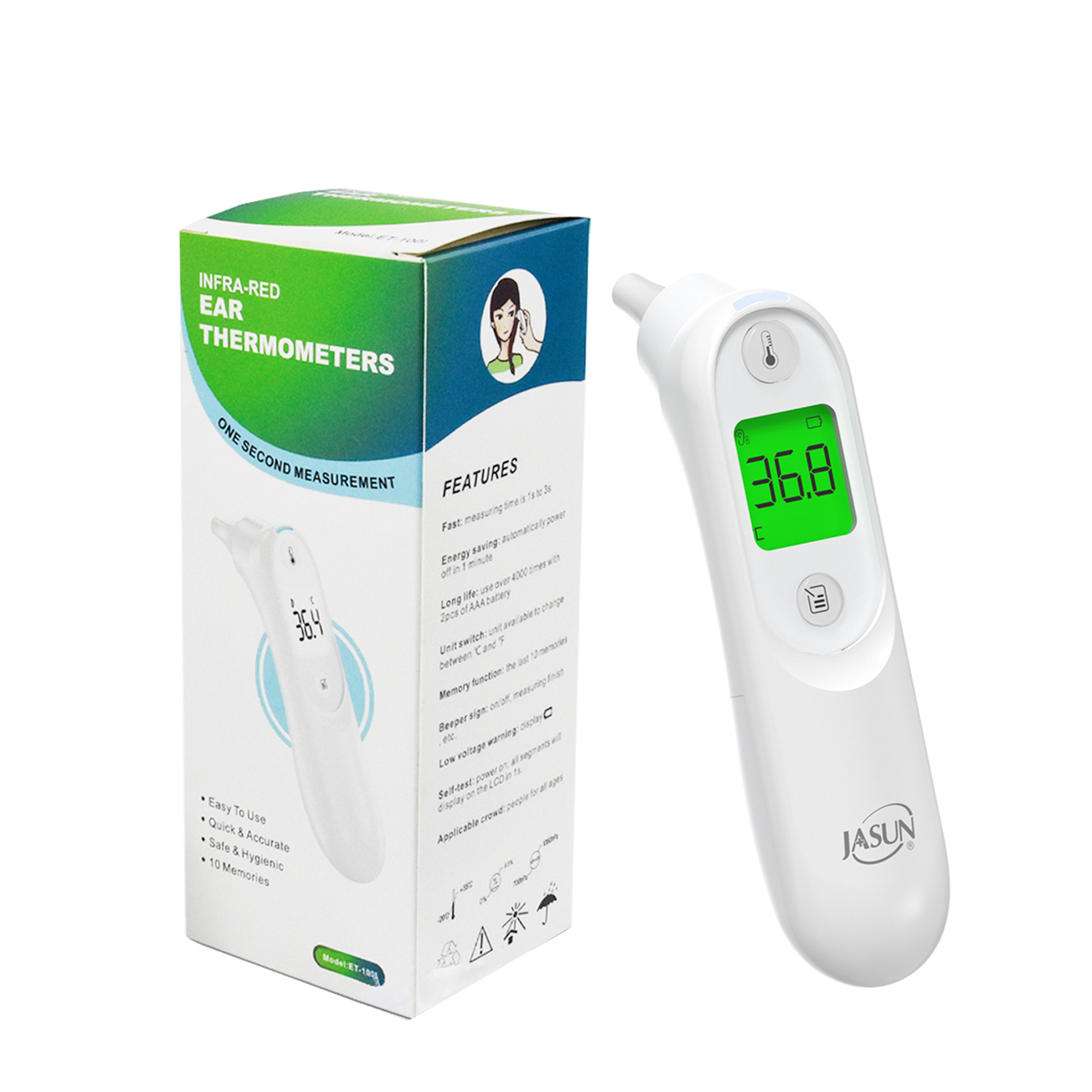
When placing bulk orders for digital thermometer for infants, it's essential to focus on specific technical specifications that determine their reliability and applicability. Key specifications include: Measurement Range: Ensure the thermometer can accurately measure temperatures within the required range for your application, typically between 32°C to 42°C for body temperature measurements. Accuracy Rate: Look for devices with an accuracy of ±0.1°C to ±0.3°C, as this is critical for clinical reliability. A thermometer with a lower accuracy margin ensures that you can trust the readings in critical situations. Response Time: Fast response times (within 1 second) are crucial for high-volume usage scenarios, allowing for efficient patient throughput. Calibration Standards: Verify that the thermometer complies with relevant calibration standards and can be re-calibrated as needed. This ensures ongoing accuracy and reliability. Power Source: Consider whether the device uses batteries or rechargeable power, as this can affect long-term operational costs. By understanding these specifications, you can make informed decisions that align with your operational requirements.
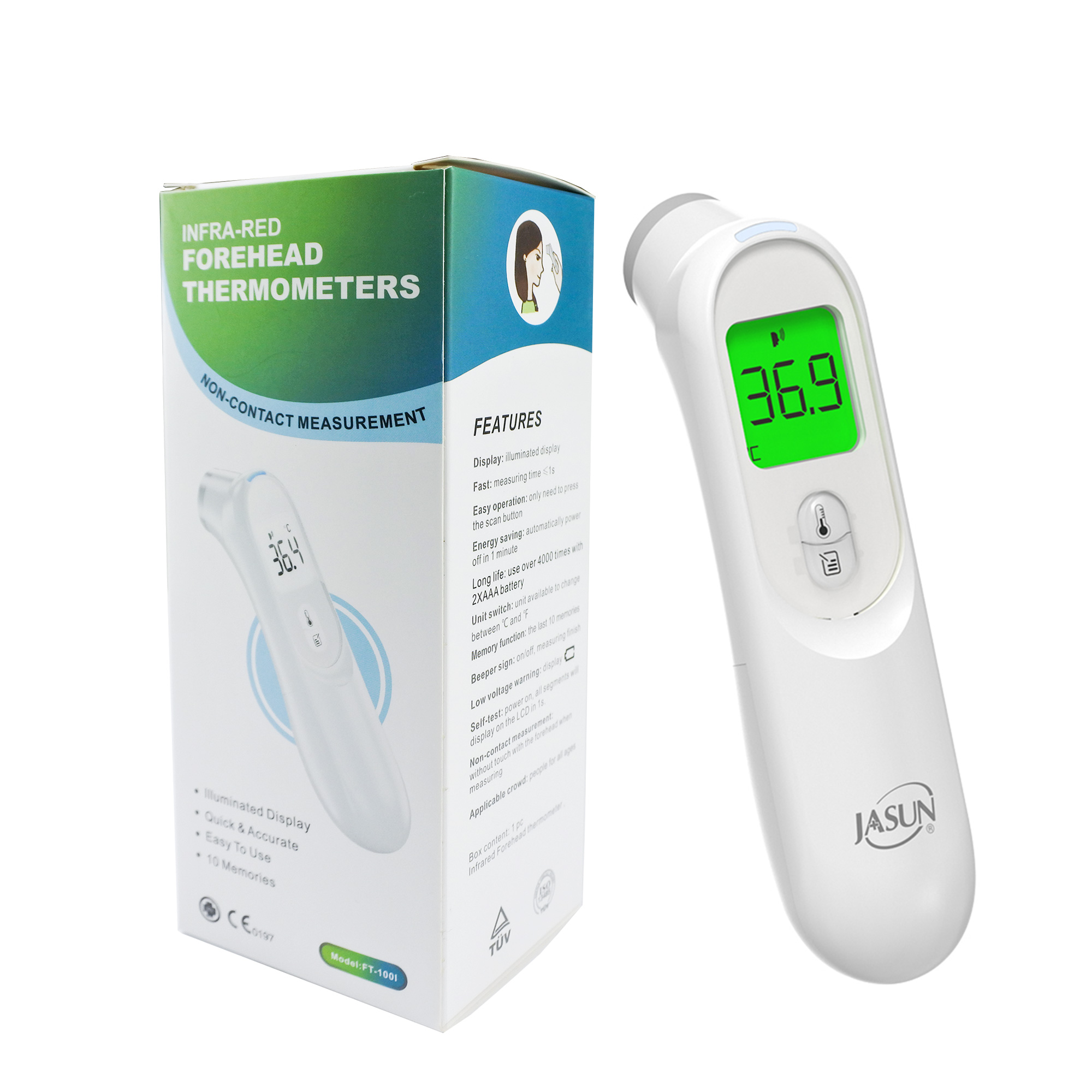
While infrared thermometers are known for their ease of use, improper installation can lead to significant issues affecting performance. Common installation problems include: Incorrect Distance: Many digital ear thermometer must be held at a specific distance from the target for accurate readings. Ensure that your team is trained to measure from the correct distance, typically between 1 to 5 cm, depending on the model. Environmental Interference: Infrared thermometers can be affected by ambient temperature and other environmental factors. Ensure that the installation area is free from direct sunlight and drafts, which can skew readings. Improper Calibration: Regular calibration is essential to maintain accuracy. Schedule routine checks and calibrations based on the manufacturer's guidelines to prevent measurement errors By addressing these common issues proactively, you can enhance the accuracy and reliability of your infrared thermometers.
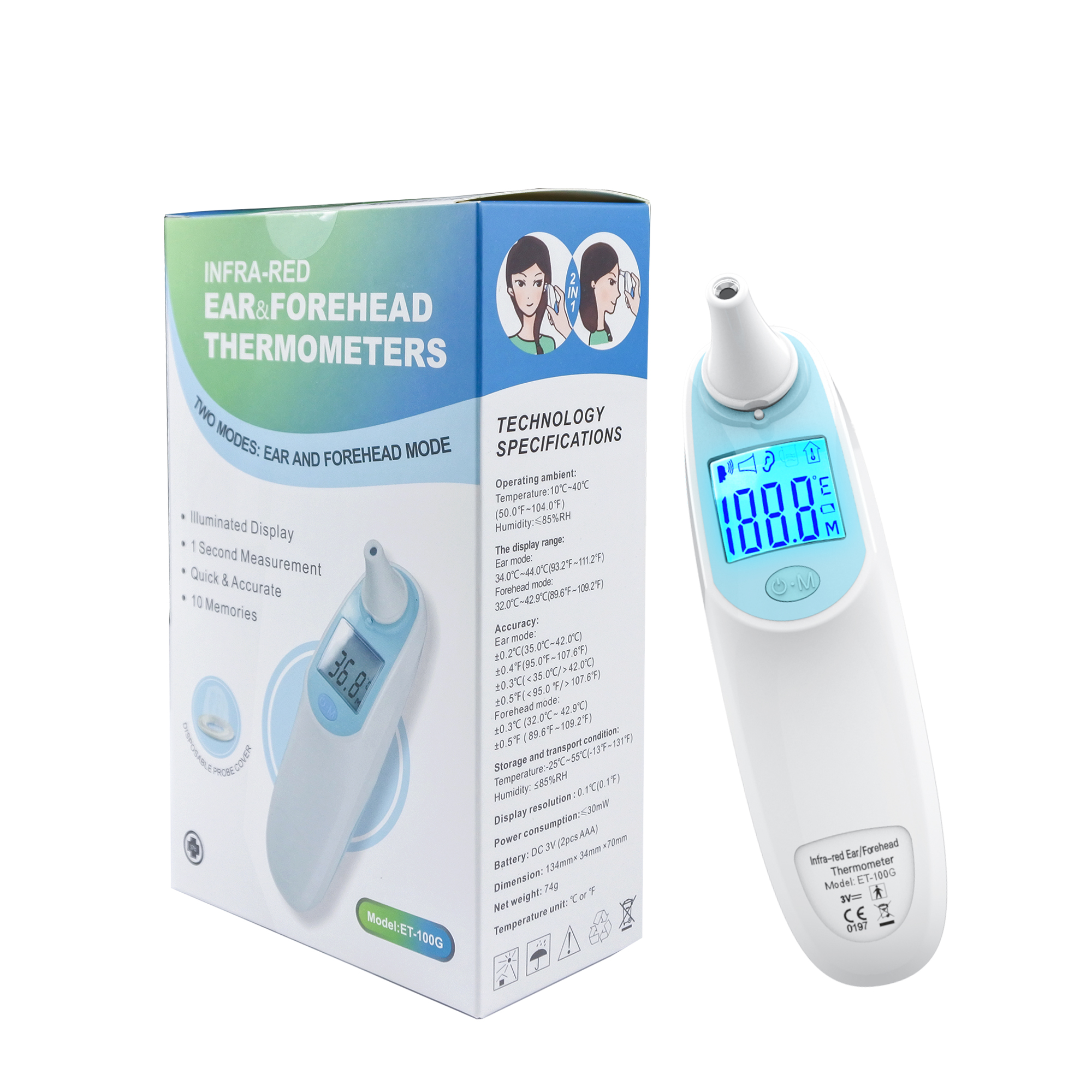
The materials used in infrared thermometers play a crucial role in their performance, durability, and user safety. Common materials include: Plastic Housing: Lightweight and durable, high-quality plastics can withstand everyday wear and tear. However, ensure the plastic is resistant to temperature changes to prevent warping. Lens Materials: The lens should be made from high-grade optical materials that provide clear visibility and protection from scratches. Glass lenses often offer superior clarity compared to plastic. Internal Components: Look for thermometers with high-grade internal components, such as sensors and circuit boards, that are designed for longevity and resistance to environmental factors. Choosing the right materials not only affects the thermometer's performance but also impacts its overall lifespan and reliability, making it a critical consideration for buyers.
The manufacturing experience of a supplier can greatly influence the reliability of infrared thermometers. Established manufacturers, such as Hangzhou Huaan Medical Health Instruments Co., Ltd., bring years of expertise in producing body temperature measuring devices with superior accuracy and durability. Key factors to consider include: Quality Control Processes: Experienced manufacturers typically implement rigorous quality control measures throughout the production process. This includes testing devices under various conditions to ensure they meet specified standards. Technical Expertise: A manufacturer with a strong R&D background can innovate and improve product designs, leading to more accurate and user-friendly devices. Certifications: Ensure that the manufacturer holds relevant certifications (e. g., CE, ISO13485:2003, FDA) that validate their commitment to quality and compliance with international standards. By partnering with a manufacturer that has extensive experience and a proven track record, buyers can significantly enhance the reliability of their infrared thermometer procurement.
JASUN is a registered trademark of Hangzhou Hua'an Medical & Health Instruments Co.,Ltd. Your first option for premium thermometer suppliers in China with CE, MDR, ISO13485:2003, FDA and BSCI certificates.
Our location: Building 2,1# Fuzhu Nan RD, Wuchang Town, Yuhang District, Hangzhou, Zhejiang 310023, China
HOURS: 8:30AM - 6:00PM
Copyright © Hangzhou Hua'an Medical & Health Instruments Co.,Ltd. All Rights Reserved Blog Privacy Policy
 EN


