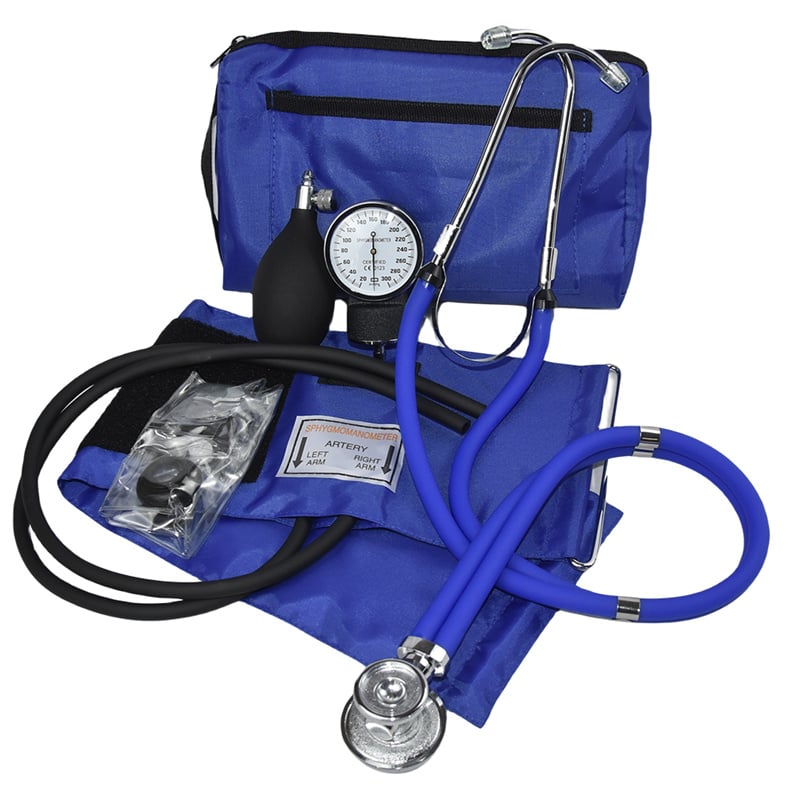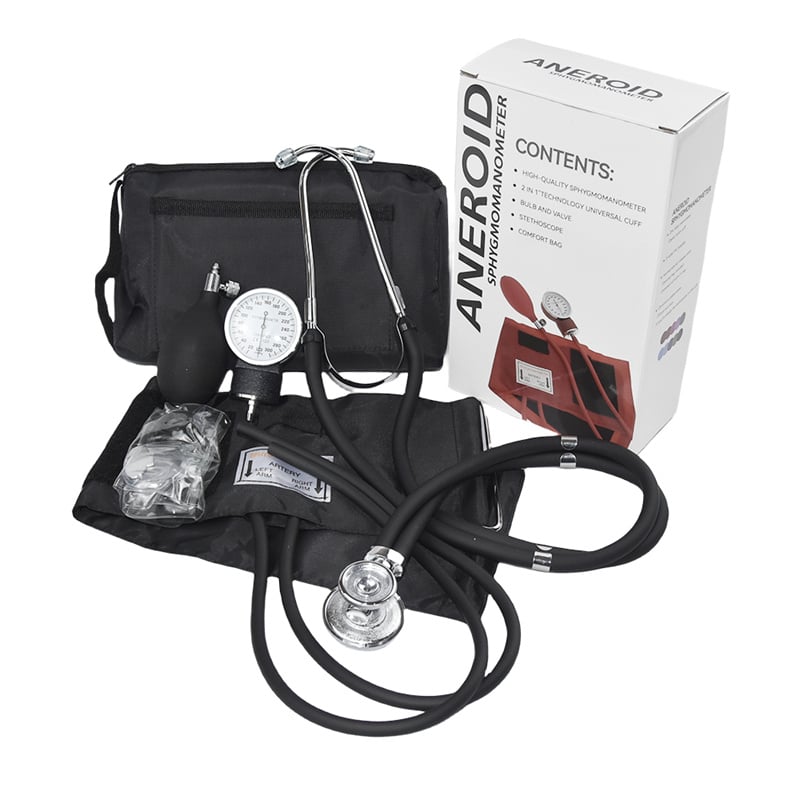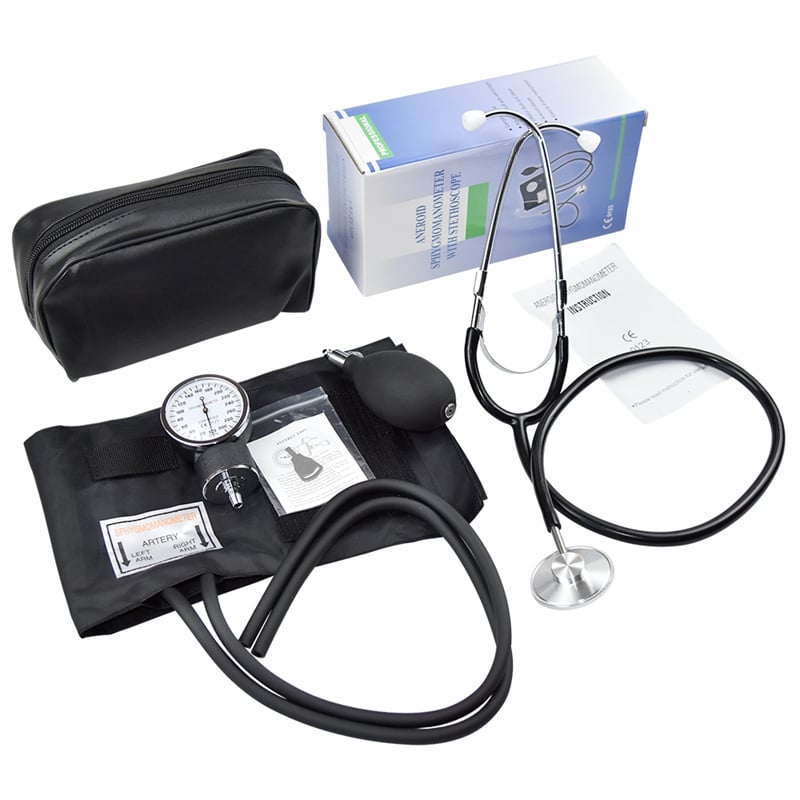
A palm aneroid sphygmomanometer is a reliable medical device designed for measuring blood pressure, utilizing a manual inflation method for precision. As purchasing managers, distributors, and healthcare professionals evaluate these devices, their primary concerns often revolve around accuracy, durability, and ease of use. This article will provide insights into sourcing palm aneroid sphygmomanometers wholesale, key specifications to consider, best applications in healthcare, reliable supplier sources, and solutions to common issues encountered with these devices.
When sourcing palm aneroid sphygmomanometer wholesale, buyers should focus on several critical factors. First, consider the manufacturer's reputation and history in the industry. Established companies, such as Hangzhou Huaan Medical Health Instruments Co., Ltd., have extensive experience and certifications that assure quality and reliability.
Next, evaluate the product specifications, including accuracy, range, and durability. Accuracy is paramount in medical devices; therefore, look for models that have been tested and certified according to international standards. Durability is also crucial, especially if the devices will be used in high-traffic environments.
Buyers should also consider the minimum order quantity (MOQ) and lead times for delivery, as these factors can significantly impact inventory management and cash flow. Additionally, inquire about customization options that may be available to meet specific client needs or branding requirements.
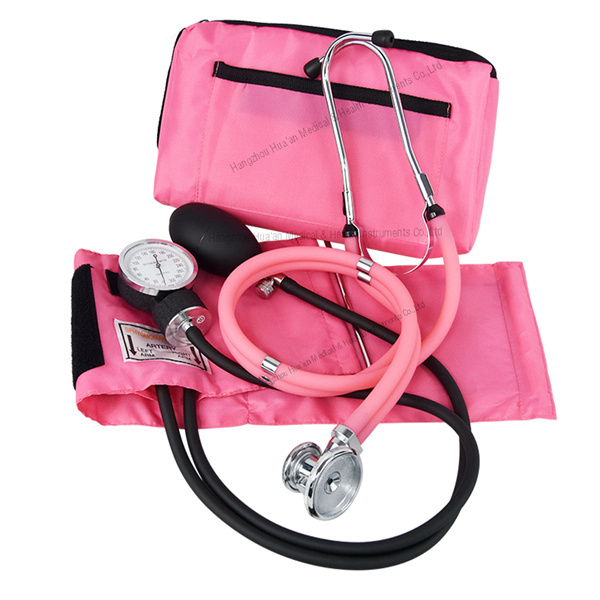
Understanding key specifications is essential when placing bulk orders for palm aneroid sphygmomanometers. Here are the primary specifications to consider:
Accuracy: The device should meet or exceed the standards set by organizations such as the American National Standards Institute (ANSI) or the International Organization for Standardization (ISO). A common accuracy specification is ±3 mmHg.
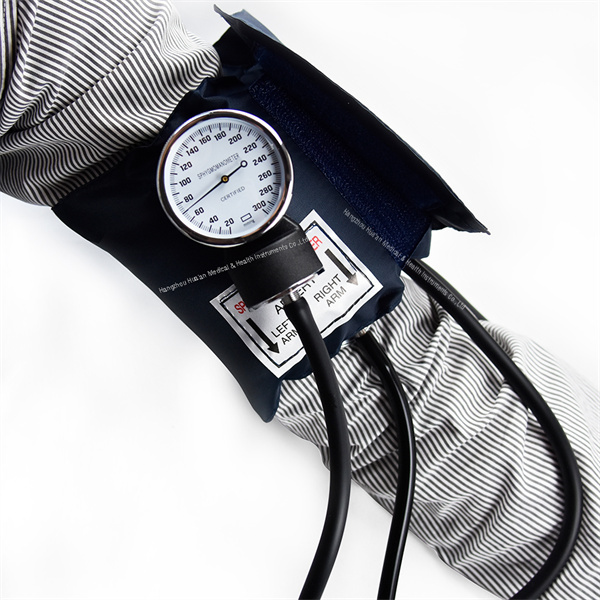
Measurement Range: Ensure the sphygmomanometer can measure a suitable range. Most palm aneroid sphygmomanometers cover a range of 0 to 300 mmHg, accommodating a wide variety of patient needs.
Material Quality: The materials used for cuffs and the gauge should provide durability and comfort. Latex-free materials are preferred to minimize allergic reactions.
Calibration: Regular calibration is necessary for maintaining accuracy. Suppliers should provide guidance on how often calibration should occur and offer calibration services.
Packaging: Look for suppliers that offer protective packaging to prevent damage during transit, ensuring that devices arrive in optimal condition.
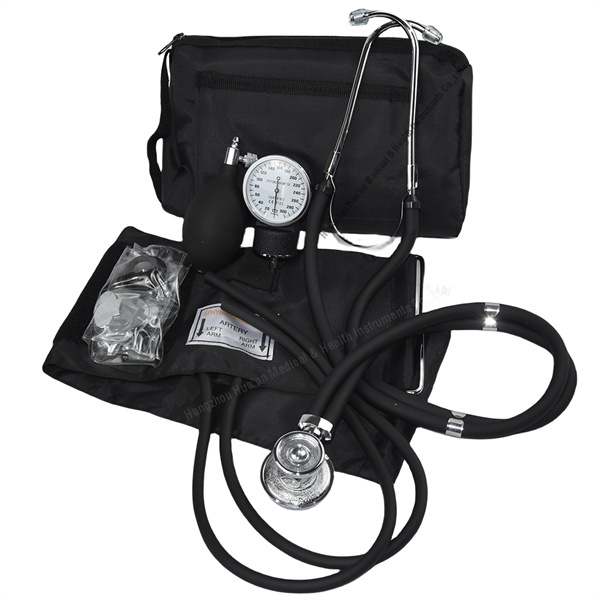
Palm aneroid sphygmomanometers are versatile and widely used in various healthcare settings. Their primary applications include:
Clinical Environments: They are commonly used in hospitals, clinics, and doctor's offices for routine blood pressure checks as part of patient assessments.
Home Healthcare: With the increasing trend of at-home monitoring, these devices are also effective for patients who require regular blood pressure checks without frequent hospital visits.
Emergency Medical Services (EMS): Their portability and ease of use make palm aneroid sphygmomanometer ideal for paramedics and first responders who need quick and accurate readings in emergency situations.
Fitness and Wellness Programs: Health professionals use these devices to monitor blood pressure as part of wellness programs, ensuring participants maintain healthy blood pressure levels.
Finding a reliable supplier is crucial for ensuring consistent quality and service. Start by researching manufacturers with a solid reputation in the medical device industry. Look for companies that hold relevant certifications such as CE, FDA, and ISO13485:2003, as these certifications indicate adherence to quality and safety standards.
Trade shows and medical exhibitions can provide opportunities to meet suppliers face-to-face, allowing buyers to evaluate products firsthand. Additionally, online marketplaces can be useful for comparing different manufacturers and reading reviews from other buyers.
Engaging with industry networks and forums can also yield recommendations and insights into reputable suppliers, helping buyers make informed decisions.
While palm aneroid sphygmomanometers are reliable devices, users may encounter some common issues. Here are solutions to those problems:
Inaccurate Readings: If readings appear inconsistent, verify that the device is calibrated correctly and that the cuff is the appropriate size for the patient. Recalibration may be necessary if the device has been dropped or used extensively.
Wear and Tear: Regularly inspect cuffs and hoses for signs of damage. Replace worn components to maintain accuracy and prevent leaks. Ensure that the manufacturer offers replacement parts for easy maintenance.
Air Leakage: If the device does not hold air during use, check for leaks in the cuff or valve. A quick test involves inflating the cuff while listening for hissing sounds, which indicate a leak.
Difficult Inflation: Ensure that the inflation bulb is functioning properly. If it feels stiff or does not inflate the cuff adequately, it may require servicing or replacement.
By understanding how to identify and resolve these common issues, buyers can ensure their devices remain reliable and effective in clinical settings.
Each of these sections offers practical insights designed to assist B2B buyers in making informed purchasing decisions around palm aneroid digital sphygmomanometer. By understanding specifications, sourcing options, applications, and common issues, purchasing managers can ensure they select the right devices for their needs.
JASUN is a registered trademark of Hangzhou Hua'an Medical & Health Instruments Co.,Ltd. Your first option for premium thermometer suppliers in China with CE, MDR, ISO13485:2003, FDA and BSCI certificates.
Our location: Building 2,1# Fuzhu Nan RD, Wuchang Town, Yuhang District, Hangzhou, Zhejiang 310023, China
HOURS: 8:30AM - 6:00PM
Copyright © Hangzhou Hua'an Medical & Health Instruments Co.,Ltd. All Rights Reserved Blog Privacy Policy
 EN