
Hypertension management tools are critical in monitoring and treating high blood pressure, a prevalent health concern worldwide. For B2B buyers, such as purchasing managers and healthcare providers, understanding the specifications, sourcing options, cost factors, installation, and technical support for hypertension devices is essential. This article aims to provide a comprehensive overview of what to consider when evaluating hypertension measurement tools, ensuring informed purchasing decisions that meet the needs of medical professionals and healthcare facilities.
When selecting hypertension measurement tools, several key specifications should be considered to ensure accuracy and reliability.
Measurement Accuracy: Look for devices that offer high precision in blood pressure readings. This often involves checking the device's calibration standards and certification, such as CE and FDA approvals, which indicate compliance with rigorous testing protocols.
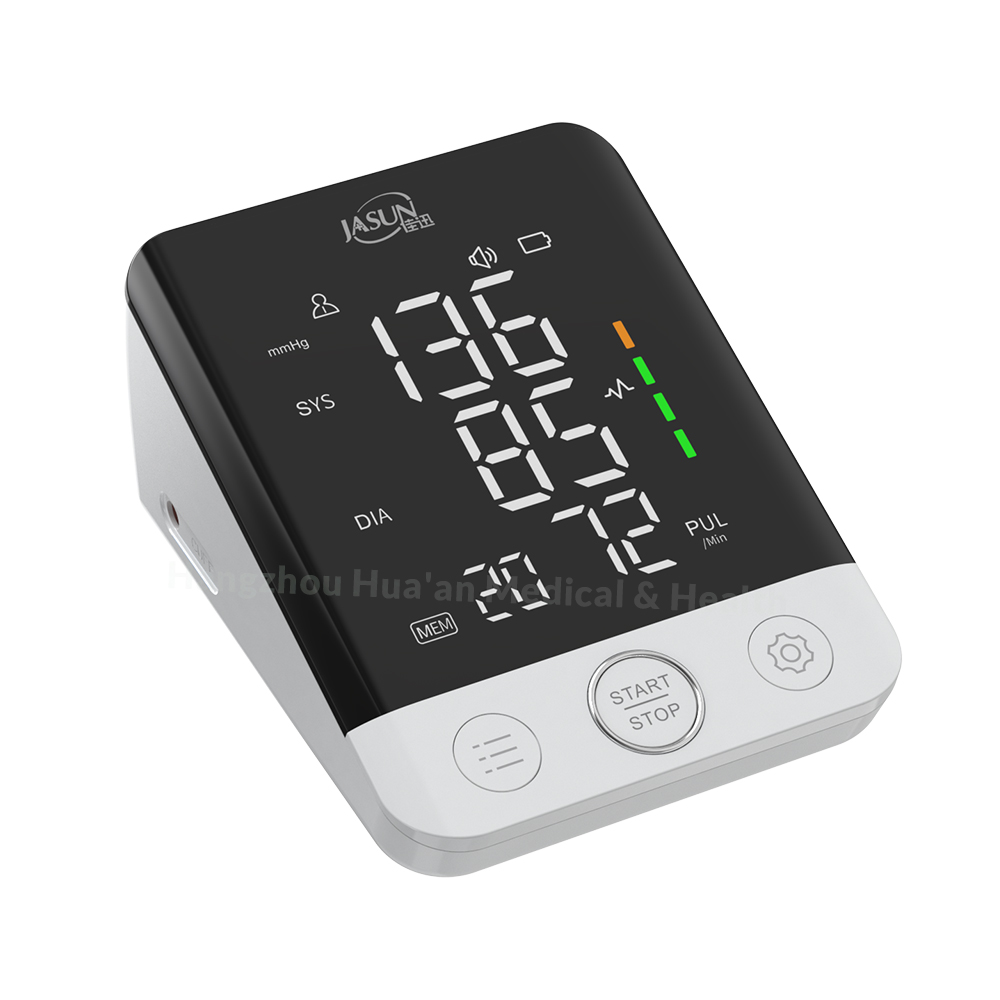
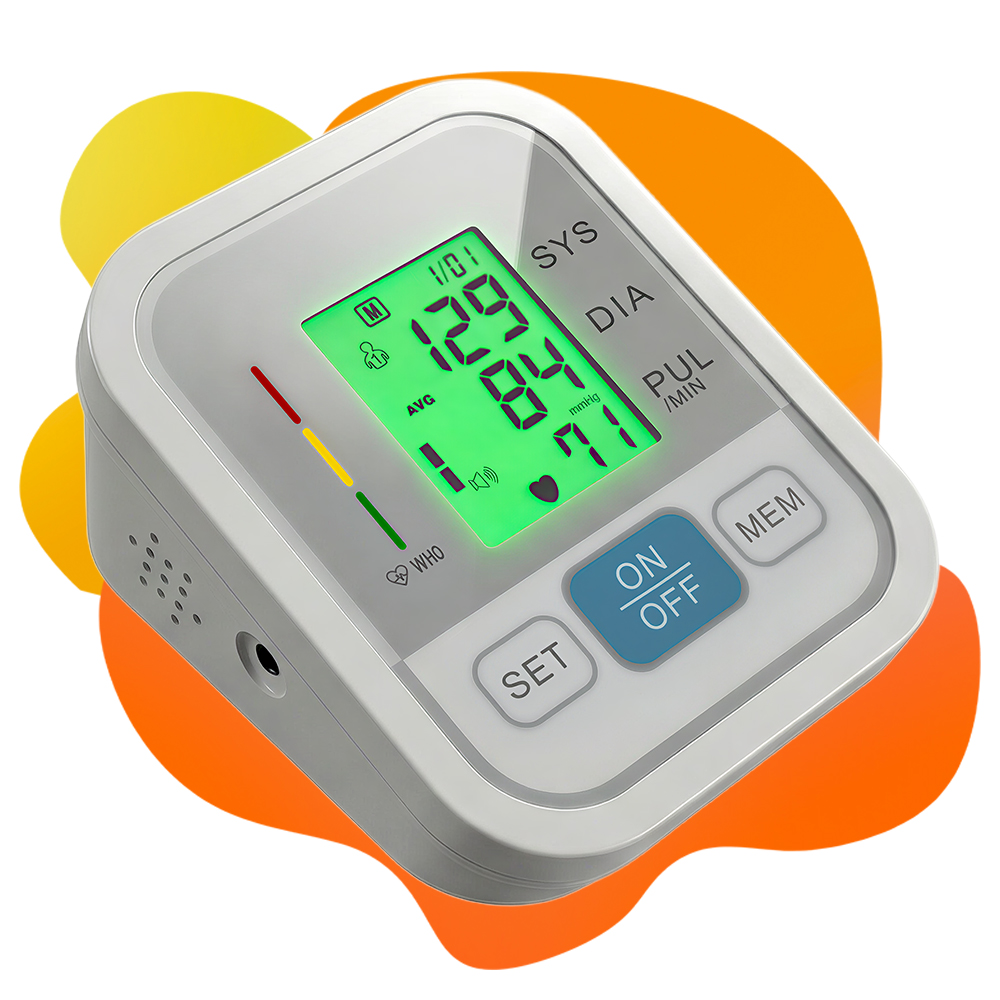
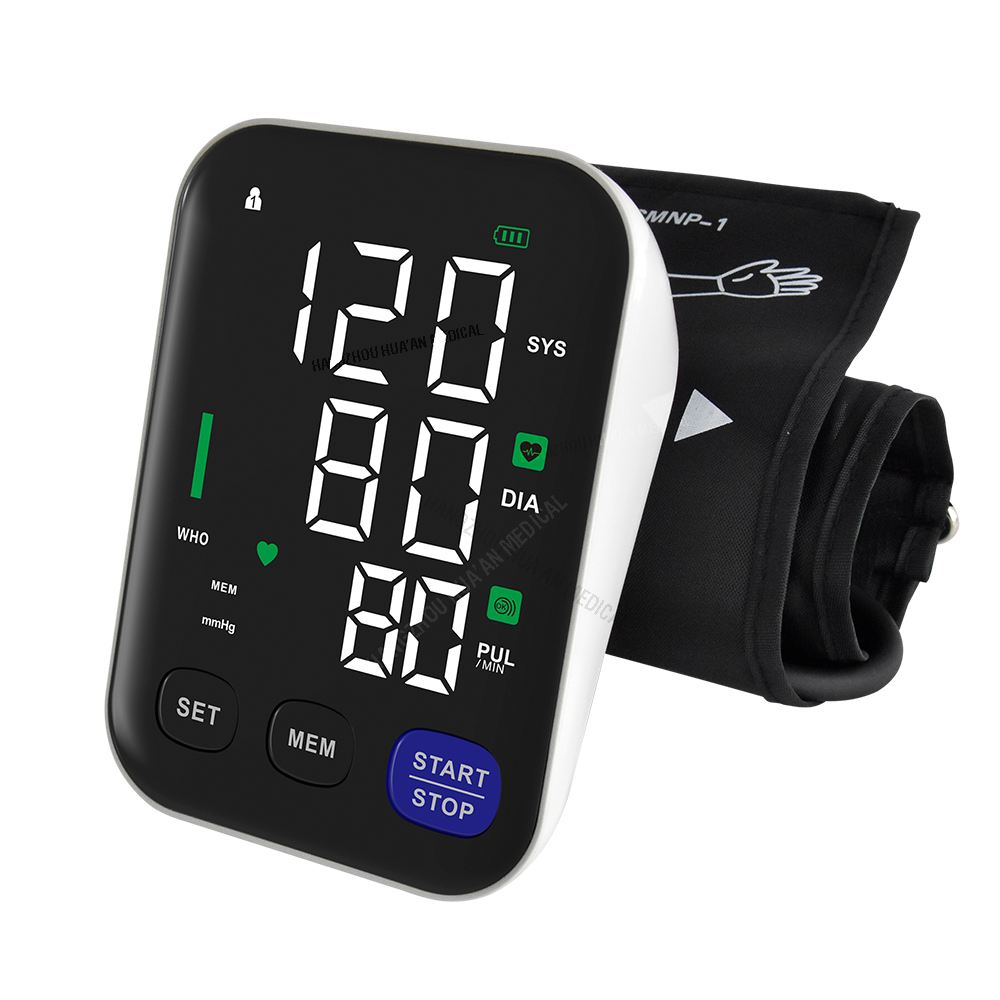
Type of Device: There are various types of hypertension monitors, including digital, aneroid, and ambulatory blood pressure monitors. Each type has its advantages: digital devices are often user-friendly, while aneroid monitors may offer more durability in clinical settings. For example, Digital Blood Pressure Monitors are popular for their ease of use.
Display Features: A clear and easy-to-read display is essential, especially for patients and healthcare providers who may need to view results quickly. Some devices offer backlit displays or large fonts for enhanced visibility.
Comfort and Ergonomics: Devices should be designed for comfort, particularly for patients who require frequent monitoring. Features like adjustable cuffs and ergonomic grips can enhance the user experience.
Data Management: Consider devices with advanced data management capabilities, such as Bluetooth connectivity for transferring data to healthcare applications. This feature can streamline patient management and enhance data tracking.
Battery Life: For portable devices, battery life can significantly impact usability. Longer-lasting batteries reduce the frequency of replacements and ensure the device is ready for use when needed.
By focusing on these specifications, buyers can ensure they select hypertension measurement tools that not only meet clinical requirements but also enhance patient care.
Finding reliable suppliers for hypertension equipment is crucial for ensuring product quality and consistency. Here are some strategies for sourcing:
Industry Trade Shows: Attending medical device trade shows can provide direct access to manufacturers and suppliers. This interaction allows buyers to assess product quality and build relationships.
Online Marketplaces and Directories: Websites such as Alibaba, ThomasNet, and industry-specific directories can help locate manufacturers. Look for suppliers with strong ratings and verified credentials.
Manufacturer Websites: Research manufacturers like Hangzhou Huaan Medical Health Instruments Co., Ltd., known for their expertise in producing accurate and durable hypertension devices. Their OEM/ODM capabilities can also offer customized solutions to fit specific needs. Additionally, consider looking into Manual Blood Pressure Monitors for more traditional options.
Referrals and Reviews: Seek recommendations from peers in the healthcare industry or read online reviews to identify reliable suppliers. This can provide insight into product performance and supplier reliability.
Certifications and Compliance: Ensure that suppliers hold relevant certifications such as ISO13485:2003, CE, and FDA. These certifications assure compliance with industry standards and regulations.
By utilizing these sourcing strategies, buyers can identify trustworthy suppliers who can meet their demand for hypertension monitoring equipment.
Cost is a critical factor when purchasing hypertension devices in bulk. Here are key considerations:
Unit Price: The base price per unit often decreases with larger orders, but buyers should also consider the total cost, including shipping and handling fees. Request detailed quotations from suppliers to understand the overall expense.
Customization Fees: If customization is required, suppliers may charge additional fees. Understanding these costs upfront can help avoid unexpected expenses during the procurement process.
Quality Assurance Costs: Investing in quality assurance measures can prevent costs associated with defects or returns. Consider suppliers with robust quality control processes to ensure product reliability.
Lead Time: Shorter lead times may come at a premium. It's essential to balance the need for quick delivery with cost considerations. Discuss lead times with suppliers to align your purchasing schedule with their production capabilities.
Payment Terms: Flexible payment terms can also impact cash flow. Negotiate terms that suit your budget while ensuring that you can secure the necessary equipment promptly.
By thoroughly evaluating these cost factors, buyers can make informed decisions that align with their budget and operational needs.
Proper installation of hypertension monitoring solutions is vital for accurate performance. Here are key steps to consider:
Follow Manufacturer Instructions: Adhere to the installation guidelines provided by the manufacturer. These instructions typically include details on setup, calibration, and maintenance.
Environmental Considerations: Ensure that the installation location is suitable for the device. Factors such as temperature, humidity, and electrical supply can affect performance. For example, digital monitors should be kept away from extreme temperatures to maintain accuracy.
User Training: Provide adequate training for users to ensure they understand how to operate the device correctly. This training should cover how to take readings, interpret results, and perform regular maintenance checks.
Regular Calibration: Implement a schedule for regular calibration to maintain measurement accuracy. This is particularly important in clinical settings where precise readings are critical for patient care.
Technical Support: Establish a protocol for accessing technical support should any issues arise post-installation. Knowing how to quickly troubleshoot or contact the supplier can prevent operational downtime.
By following these installation guidelines, healthcare facilities can ensure that their hypertension monitoring solutions are set up for optimal performance.
When evaluating suppliers for hypertension devices, the technical expertise of the manufacturer plays a crucial role. Here are aspects to consider:
Research and Development Capabilities: Suppliers with strong R&D departments can provide insights into the latest technological advancements in hypertension monitoring. This expertise can lead to innovative products that improve patient outcomes.
Customization Options: A manufacturer's ability to customize devices according to specific needs reflects their technical expertise. This could include features tailored for different patient populations or specific clinical settings.
After-Sales Support: Reliable technical support post-purchase is essential. Ensure that the supplier offers comprehensive after-sales support, including troubleshooting, maintenance, and repair services.
Training and Resources: Suppliers should provide training resources and materials to help users effectively operate the devices. Access to instructional videos, manuals, and customer support can enhance user confidence.
Feedback Mechanisms: A supplier that actively seeks feedback from users can continuously improve their products. This responsiveness indicates a commitment to quality and customer satisfaction.
By assessing the technical expertise of suppliers, buyers can ensure they partner with manufacturers who can deliver high-quality hypertension devices and ongoing support.
JASUN is a registered trademark of Hangzhou Hua'an Medical & Health Instruments Co.,Ltd. Your first option for premium thermometer suppliers in China with CE, MDR, ISO13485:2003, FDA and BSCI certificates.
Our location: Building 2,1# Fuzhu Nan RD, Wuchang Town, Yuhang District, Hangzhou, Zhejiang 310023, China
HOURS: 8:30AM - 6:00PM
Copyright © Hangzhou Hua'an Medical & Health Instruments Co.,Ltd. All Rights Reserved Blog Privacy Policy
 EN