
Managing and lowering blood pressure is crucial for maintaining overall health, especially in environments like hospitals and clinics where quick and accurate assessments are needed. Blood pressure devices play a significant role in this process, and understanding how to effectively choose and utilize these devices is vital for B2B buyers such as purchasing managers and healthcare distributors. This article will guide you through essential considerations for sourcing blood pressure solutions, helping you make informed decisions that meet your operational needs.
When selecting a supplier for blood pressure monitoring equipment, reliability is paramount. Look for manufacturers with a proven track record and certifications such as CE, ISO13485:2003, and FDA approval, which ensure compliance with international standards. Experienced suppliers like Hangzhou Huaan Medical Health Instruments Co., Ltd. demonstrate their commitment to quality through rigorous quality control processes and adherence to industry regulations.
Evaluate the supplier's manufacturing capabilities, including their research and development (R&D) expertise and their ability to provide OEM/ODM services. A supplier that can customize products to meet specific needs shows flexibility and a willingness to collaborate. Additionally, consider their production capacity and lead times; suppliers with high production capacity can often handle bulk orders efficiently, which is essential for large-scale operations. You may also want to explore options like Upper Arm Electronic Blood Pressure Monitors for enhanced accuracy in these environments.
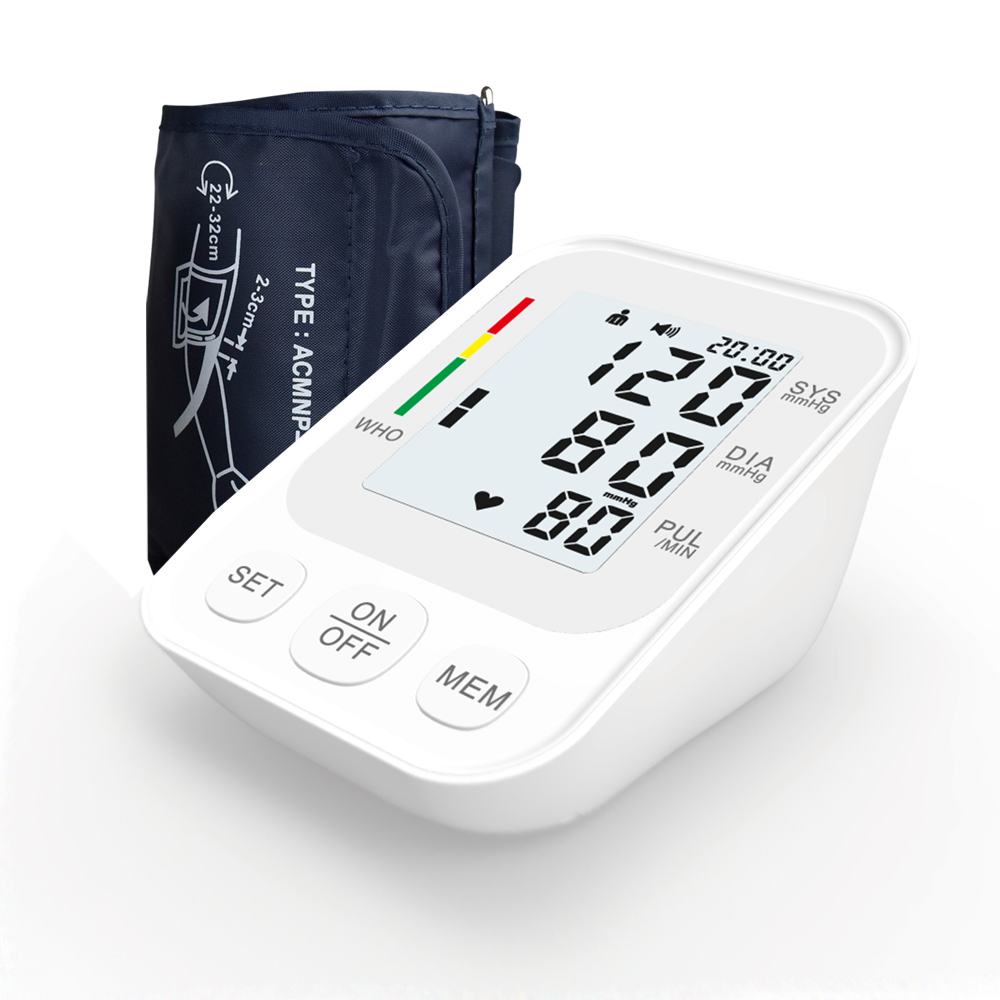
When sourcing blood pressure devices, several key specifications should be evaluated to ensure suitability for your application:
Measurement Accuracy: Devices should provide precise readings, as inaccuracies can lead to misdiagnosis or improper treatment. Look for devices that offer a measurement error margin of ±3 mmHg.
Comfort and Usability: Devices should be easy to use, especially in fast-paced environments like hospitals. Features such as ergonomic design and intuitive interfaces can enhance user experience.
Durability and Maintenance: Consider the materials used in manufacturing. High-quality, durable materials can extend the life of the device and reduce repair costs. Regular maintenance schedules should also be established to ensure ongoing accuracy.
Data Management Capabilities: Advanced devices may offer data connectivity features, allowing for seamless integration with electronic health records (EHRs). This capability can streamline workflows and improve patient care.
Battery Life and Power Options: Evaluate whether the device operates on batteries or requires a power source. Longer battery life is beneficial for portable devices used in various settings.
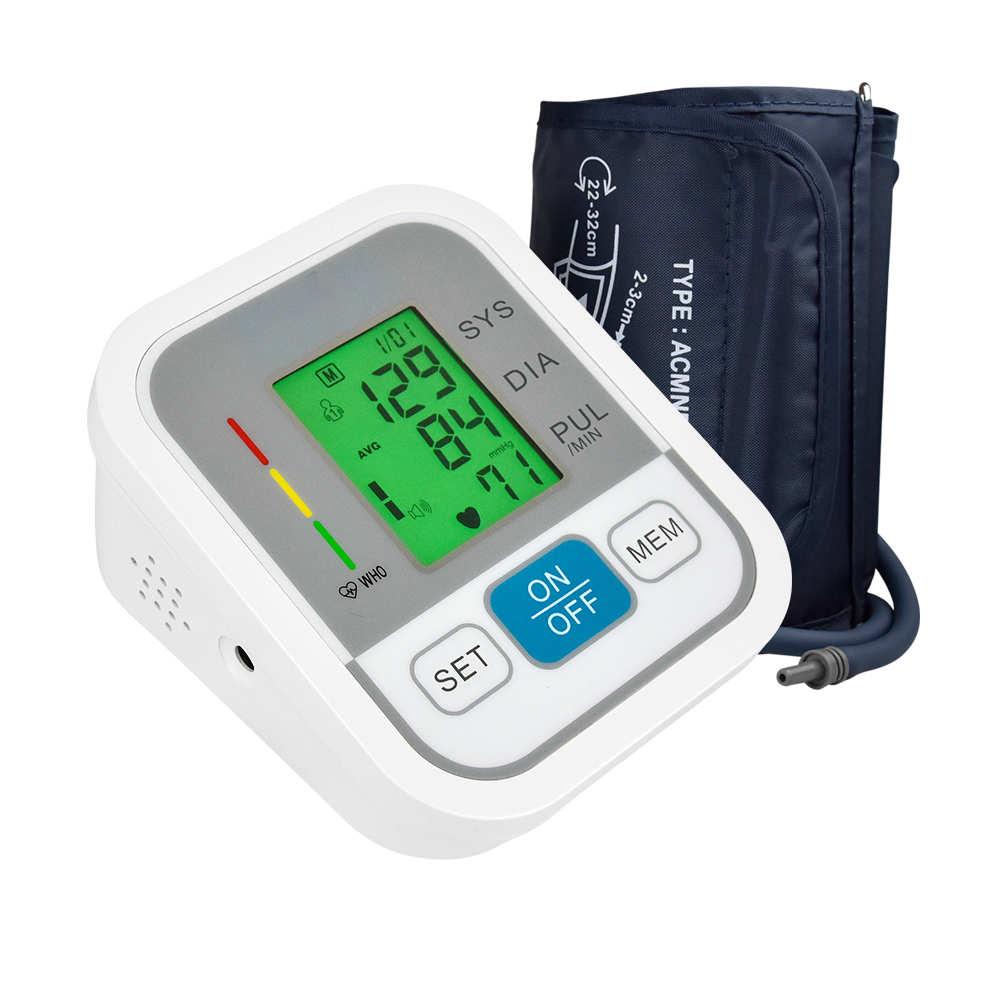
Understanding the cost structure of blood pressure monitoring devices is essential for budget management. Factors influencing cost include:
Unit Price: While the initial purchase price is significant, it is essential to consider the total cost of ownership. This includes maintenance costs, potential repairs, and the lifespan of the device.
Volume Discounts: Many manufacturers offer discounts for bulk purchases. Establishing a relationship with a supplier can lead to better pricing options for repeat orders, especially if you consider products like Digital Blood Pressure Monitors.
Shipping and Handling Fees: Always factor in shipping costs, especially for international orders. These can significantly impact the total expenditure.
Warranty and Support Services: A comprehensive warranty can save costs in the long run. Assess the level of support provided post-purchase to address any issues that may arise.
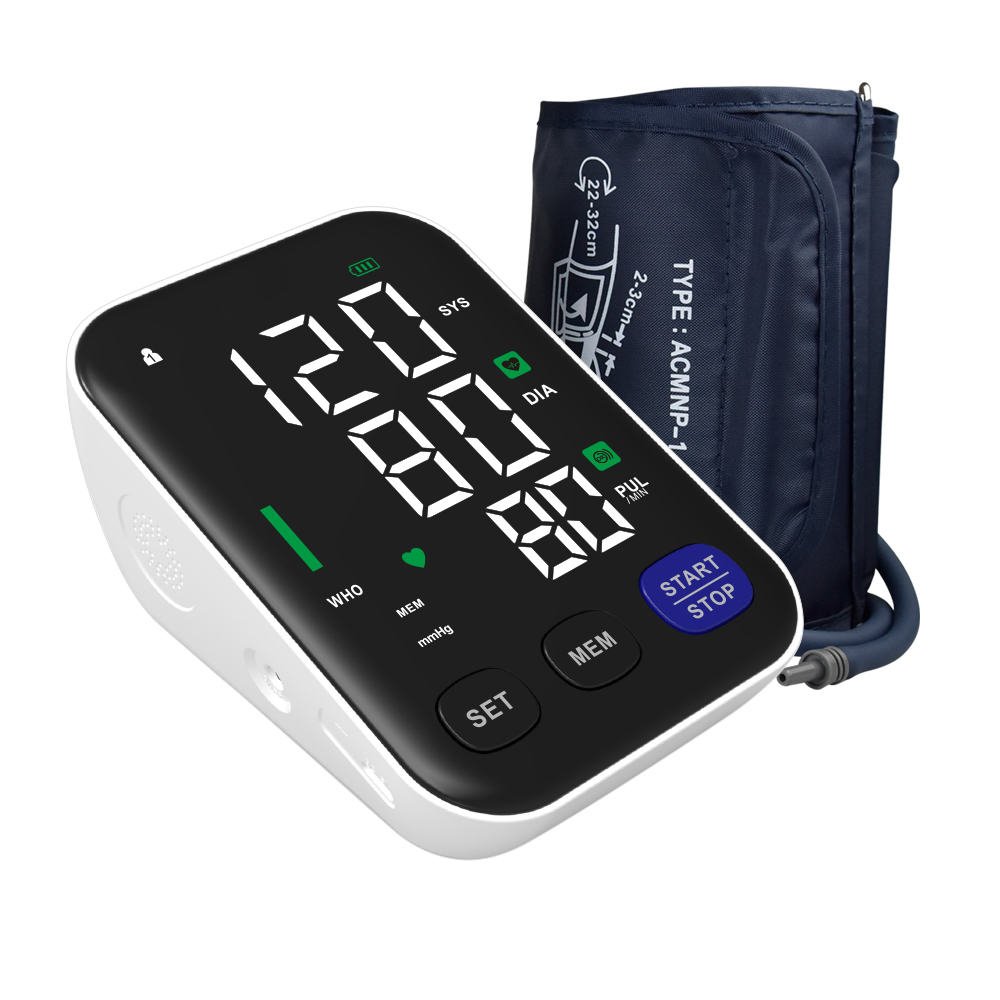
Proper installation of blood pressure monitors is crucial to ensure accurate measurements and optimal performance. Here are some guidelines:
Site Preparation: Ensure that the installation site is clean, dry, and free from excessive electromagnetic interference. This is critical, especially in medical settings where other electronic equipment may be present.
Calibration: Before using the device, perform calibration as per the manufacturer's instructions to guarantee accuracy. This process may involve adjusting settings to match the specific environment or patient demographic.
User Training: Provide adequate training for staff on the operation and maintenance of the devices. This can prevent user errors and enhance the reliability of readings.
Regular Maintenance Checks: Schedule periodic checks to assess the functionality and calibration of the devices. This proactive approach helps in maintaining accuracy and prolonging device life.
When purchasing blood pressure equipment wholesale, consider the following tips to ensure a smooth procurement process:
Request Detailed Quotations: Provide potential suppliers with comprehensive specifications, including required models, quantities, and any customization needs. This helps in obtaining accurate pricing and delivery estimates.
Check Minimum Order Quantities (MOQ): Understand the MOQ for each supplier, as this can impact your purchasing decisions. Some suppliers may offer flexible terms for first-time buyers or larger orders.
Assess Supplier Reliability: Research potential suppliers’ reputations by reading customer reviews and seeking feedback from other buyers in the industry. A reliable supplier can significantly affect your overall satisfaction and operational efficiency.
Negotiate Terms: Don’t hesitate to negotiate terms, including pricing, payment options, and delivery schedules. Building a long-term relationship with a supplier can often yield better terms over time.
By carefully considering these aspects when sourcing blood pressure devices, B2B buyers can make informed decisions that enhance their operations and support their health management initiatives.
JASUN is a registered trademark of Hangzhou Hua'an Medical & Health Instruments Co.,Ltd. Your first option for premium thermometer suppliers in China with CE, MDR, ISO13485:2003, FDA and BSCI certificates.
Our location: Building 2,1# Fuzhu Nan RD, Wuchang Town, Yuhang District, Hangzhou, Zhejiang 310023, China
HOURS: 8:30AM - 6:00PM
Copyright © Hangzhou Hua'an Medical & Health Instruments Co.,Ltd. All Rights Reserved Blog Privacy Policy
 EN