
Home blood pressure monitors are essential devices for individuals and healthcare providers to monitor blood pressure levels conveniently. With the increasing demand for at-home health management, understanding how to select a reliable home blood pressure monitor is crucial for purchasing managers, wholesalers, and healthcare institutions. This article will guide you through the key specifications, sourcing options, cost considerations, and applications of these monitors, ensuring you make informed decisions for your business needs.
Selecting a home blood pressure monitor for wholesale requires careful consideration of reliability, accuracy, and user-friendliness. Start by evaluating the brand's reputation, especially if the monitor is intended to be sold under your label. Look for manufacturers with a track record of compliance with international standards, such as CE and ISO certifications, which are indicative of product quality and reliability.
Additionally, consider the monitor's ease of use. Devices that feature a clear display, simple operation, and intuitive design tend to be more appealing to end-users. For B2B buyers, it’s essential to assess whether the monitors can accommodate different user needs, including adjustable cuff sizes and multi-user settings. Prioritize suppliers that offer OEM/ODM capabilities, allowing you to customize features according to market demands. One notable choice is the HUAAN Digital Upper Arm Blood Pressure Monitor Machine, Voice Broadcast, LED, MB-300B, known for its reliability.
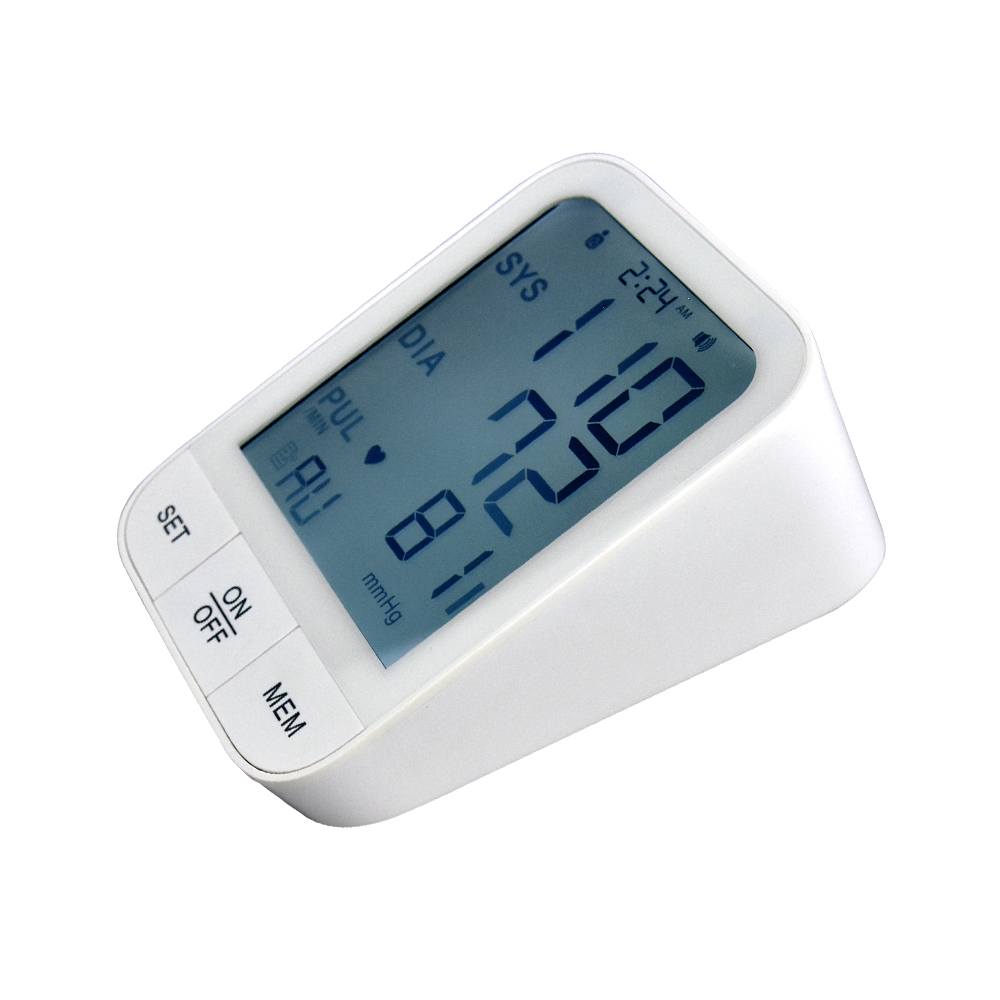
When evaluating home blood pressure monitors, several specifications should be prioritized:
Accuracy: Look for monitors that have been validated against clinical standards. Accuracy is crucial, as inaccurate readings can lead to misdiagnosis or improper treatment.
Cuff Size: Ensure that the monitor comes with cuffs that fit a variety of arm sizes. A poorly fitting cuff can result in incorrect readings.
Display Features: A large, easy-to-read display can enhance user experience. Some models also offer backlit screens for better visibility in low light.
Data Storage: Monitors that can store multiple readings are beneficial for tracking blood pressure over time. Consider models that can sync with mobile applications for easier data management.
Power Source: Evaluate whether the device is battery-operated or rechargeable. Rechargeable models may be more convenient for users.
Understanding these specifications will help buyers ensure they are selecting a monitor that meets both regulatory standards and user expectations.
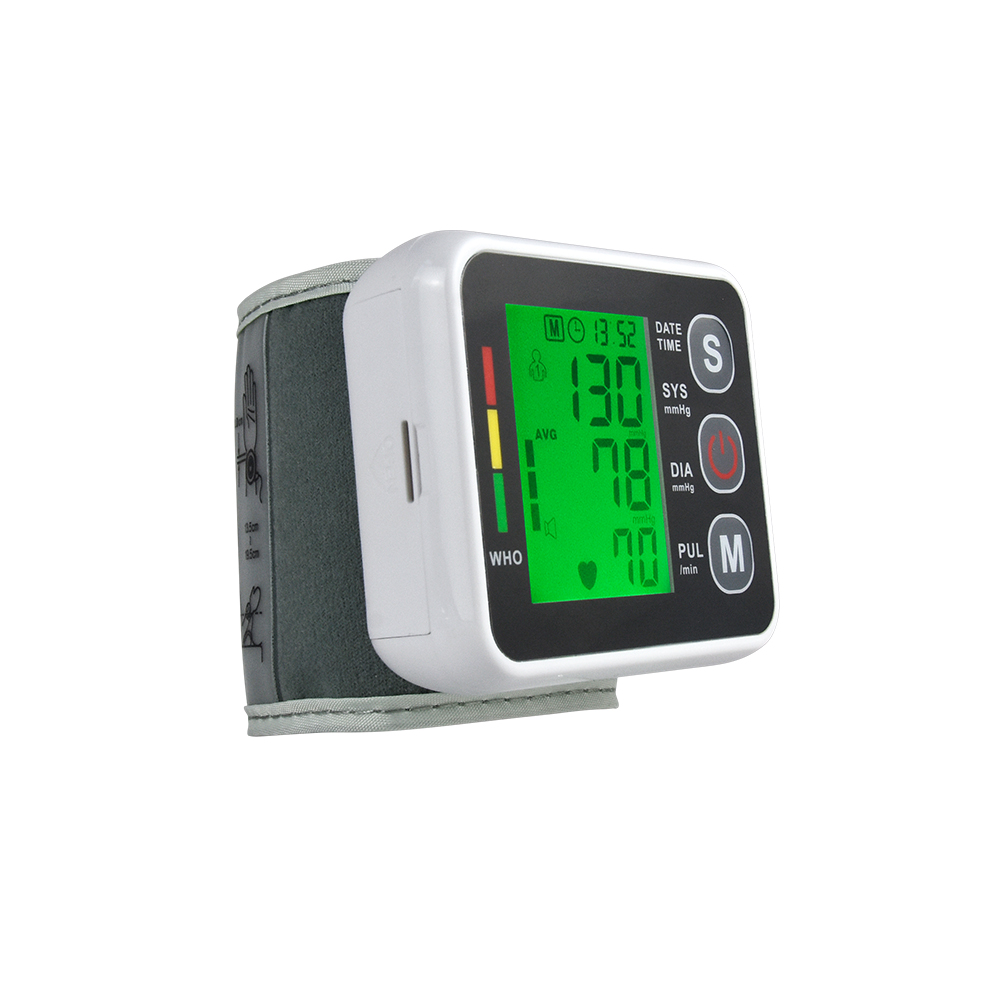
Sourcing high-quality home blood pressure monitors in bulk involves identifying reliable manufacturers with proven expertise. Look for companies that have extensive manufacturing capabilities and a strong research and development background. For instance, Hangzhou Huaan Medical Health Instruments Co., Ltd. has been a recognized leader in this field since 1997, providing devices characterized by superior accuracy and durability.
When sourcing, consider trade shows, industry directories, and online marketplaces that specialize in medical equipment. Direct communication with manufacturers can also yield insights into their production processes, quality control measures, and customization options. Establishing a relationship with manufacturers who have robust export experience can also facilitate smoother logistics and compliance with international regulations.
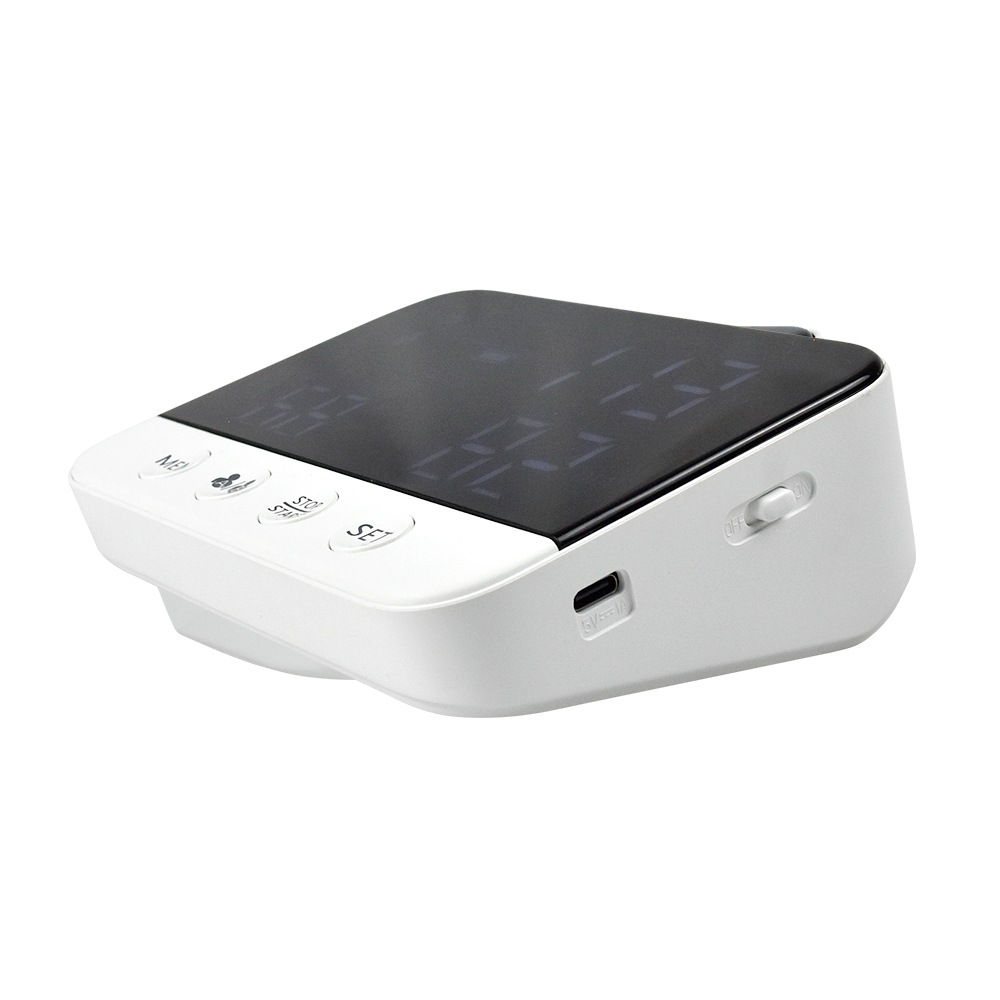
Cost is a significant consideration for B2B buyers purchasing home blood pressure monitors. The price can vary based on several factors:
Volume Discounts: Many manufacturers offer tiered pricing. The larger the order volume, the better the unit price.
Features and Specifications: Advanced features such as Bluetooth connectivity, multi-user settings, and additional health monitoring capabilities may increase costs.
Customization: Customized monitors tailored to specific market needs will often incur higher production costs. Evaluate the return on investment for these features.
Shipping and Import Duties: Factor in shipping costs and potential import duties, especially when sourcing from international suppliers.
Warranty and After-Sales Support: Consider the cost implications of warranty terms and the level of after-sales support provided, as these can affect overall value.
Understanding these cost factors will help buyers budget effectively and negotiate favorable terms with suppliers.
Home blood pressure monitors play a vital role in various healthcare settings. They are particularly useful for:
Chronic Disease Management: Patients with hypertension can monitor their blood pressure at home, allowing for better disease management and timely interventions.
Remote Patient Monitoring: Healthcare providers can use these devices to remotely monitor patients' blood pressure, reducing the need for in-person visits and enabling proactive care.
Patient Education: Home monitors empower patients to take an active role in their health management, helping them understand the importance of regular monitoring and lifestyle adjustments.
Post-Surgical Care: After certain surgeries, monitoring blood pressure at home can be critical for early detection of complications. Additionally, the HUAAN Medical Electronic Blood Pressure Monitor is an excellent option for such cases.
By utilizing home blood pressure monitors in these ways, healthcare providers can enhance patient care, reduce hospital readmissions, and improve overall health outcomes.
In summary, sourcing and selecting home blood pressure monitors requires careful evaluation of specifications, cost considerations, and their applications in healthcare. By focusing on these aspects, purchasing managers and wholesalers can make informed decisions that meet the needs of their customers while ensuring high-quality health monitoring solutions.
JASUN is a registered trademark of Hangzhou Hua'an Medical & Health Instruments Co.,Ltd. Your first option for premium thermometer suppliers in China with CE, MDR, ISO13485:2003, FDA and BSCI certificates.
Our location: Building 2,1# Fuzhu Nan RD, Wuchang Town, Yuhang District, Hangzhou, Zhejiang 310023, China
HOURS: 8:30AM - 6:00PM
Copyright © Hangzhou Hua'an Medical & Health Instruments Co.,Ltd. All Rights Reserved Blog Privacy Policy
 EN