
Automatic blood pressure machines are essential medical devices used in various healthcare settings to monitor patients' blood pressure levels accurately and efficiently. As a key purchasing manager or distributor in the medical field, understanding the specifications, costs, and applications of these machines can significantly influence your procurement decisions. This article will provide valuable insights into sourcing reliable suppliers, evaluating specifications, assessing cost factors, addressing common issues, and exploring the applications of automatic blood pressure machines.
Finding trustworthy suppliers of automatic blood pressure machines is crucial for ensuring quality and reliability. Start by researching manufacturers with a proven track record in the medical device industry. Look for companies like Hangzhou Huaan Medical Health Instruments Co., Ltd., recognized since 1997 for their high standards of manufacturing and quality control.
Consider utilizing industry directories, trade shows, and online marketplaces to identify potential suppliers. When evaluating suppliers, check for essential certifications such as CE, FDA, and ISO13485:2003, which indicate compliance with international safety and quality standards. Additionally, engage with suppliers directly to discuss their OEM/ODM capabilities, production capacities, and customization options, as these factors can impact your purchasing decision. For example, if you're looking for specific monitoring devices, consider checking out options like Digital Blood Pressure Monitors for reliable performance.
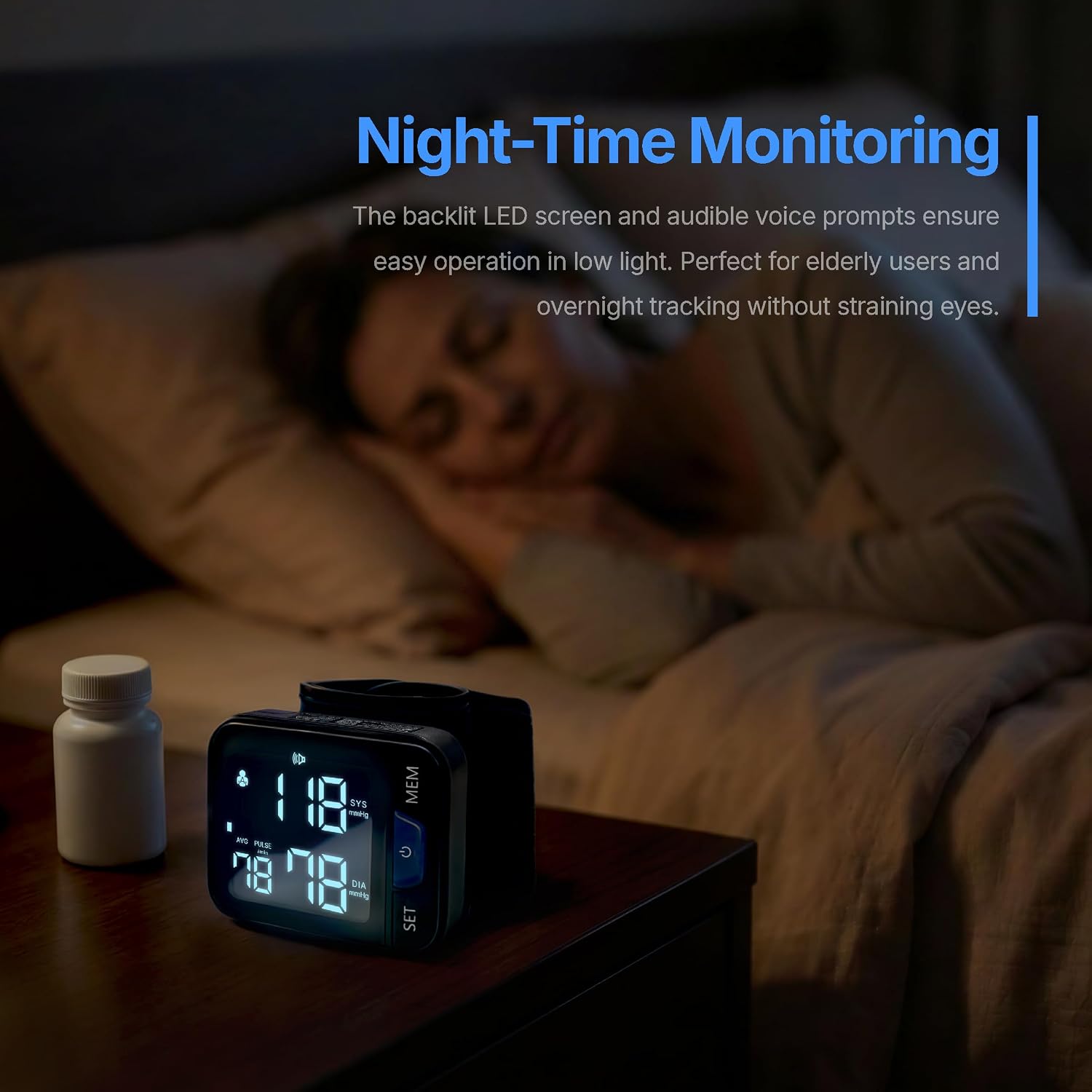
When selecting automatic blood pressure machines, several key specifications are essential to ensure optimal performance and reliability.
Measurement Range: Ensure the device can accurately measure the expected range of blood pressure levels. Most machines should cover a range from 0 to 300 mmHg.
Accuracy: Look for devices that offer high accuracy, typically within ±3 mmHg. Accuracy is crucial for reliable patient monitoring and diagnosis.
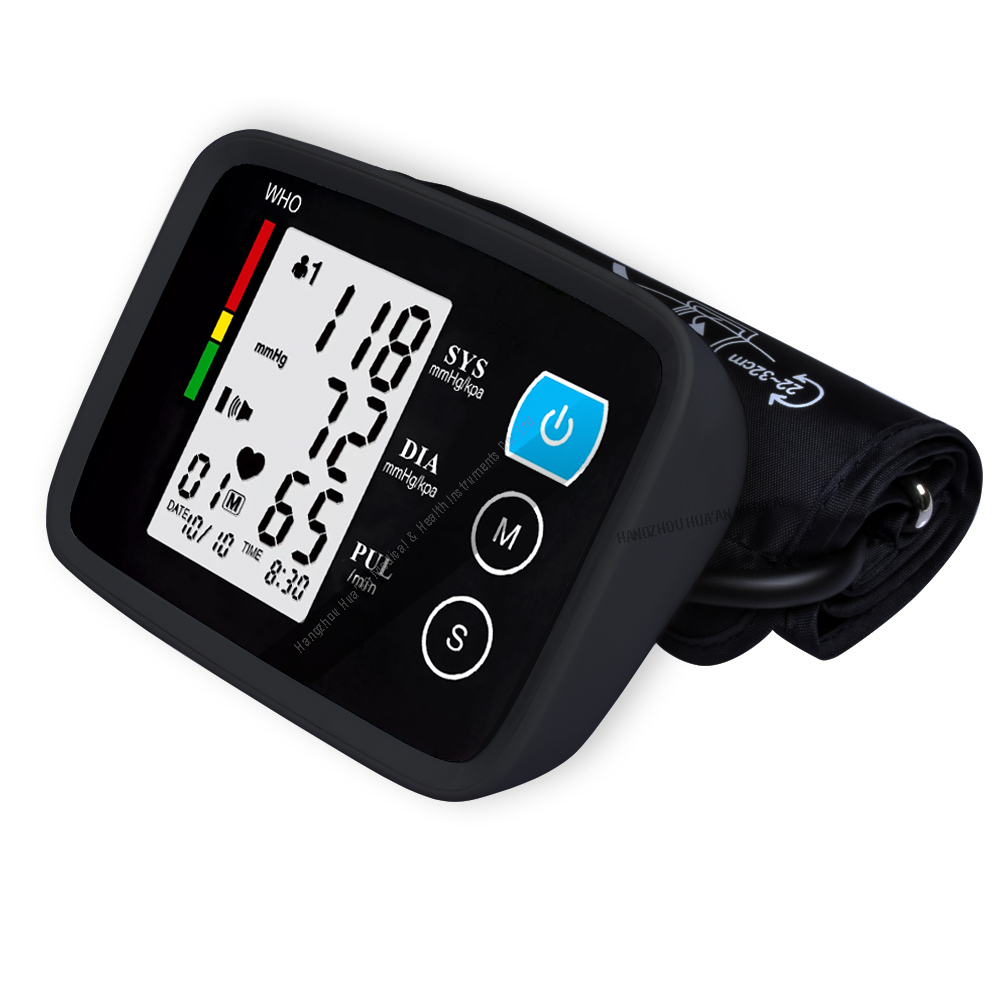
Cuff Size: Ensure the machine includes cuffs of varying sizes to accommodate different patient demographics. A proper cuff fit is vital for accurate readings.
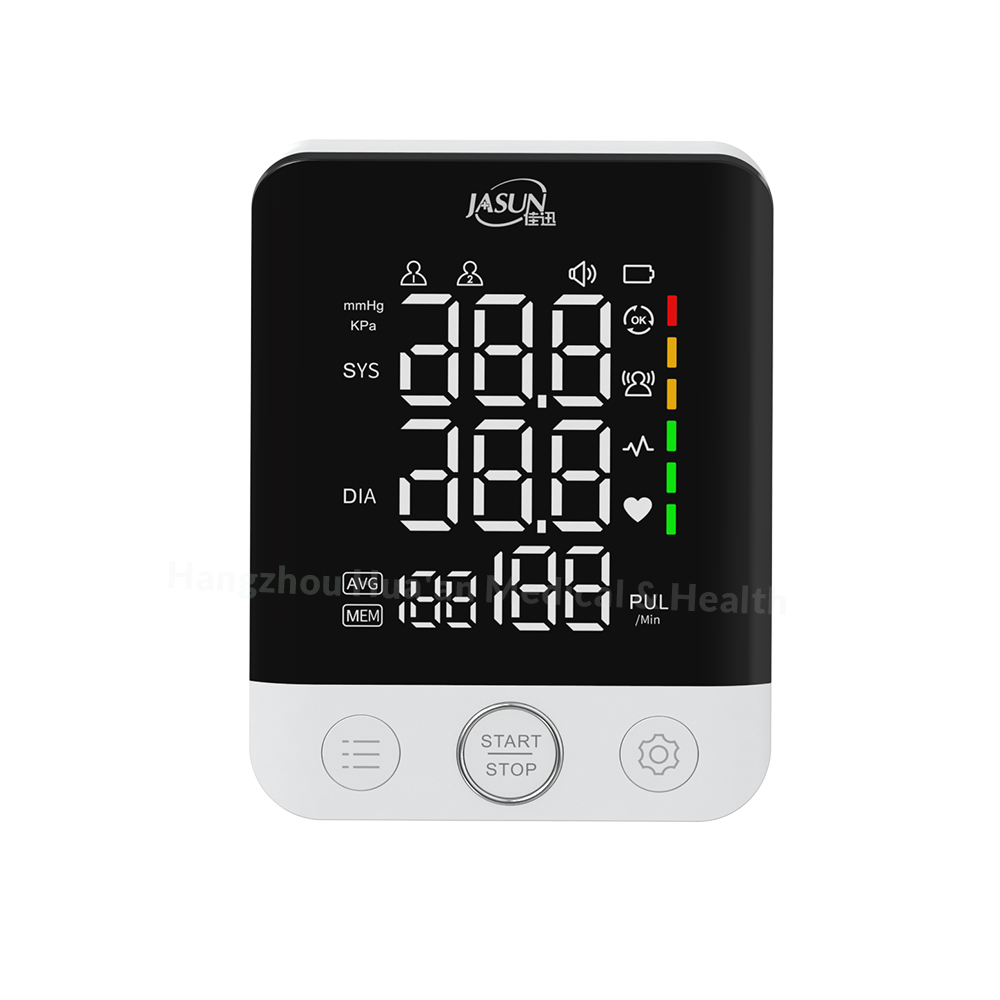
Display Type: Consider the display type and whether it’s easy to read. Digital displays should be clear, with backlighting for use in low-light conditions.
Power Source: Determine whether the machine operates on batteries, AC power, or both. Portability may be a factor if you plan to use the device in different settings.
Data Storage: Some machines come with built-in memory to store previous readings, which can be beneficial for tracking patient progress over time.
Buyers should confirm these specifications based on their specific application and patient needs before making a purchase.
When purchasing automatic blood pressure machines in bulk, several cost factors should be evaluated to ensure a favorable deal:
Unit Price: The base price per unit can vary significantly among suppliers. Comparatively analyze quotes from multiple manufacturers to find competitive pricing.
Shipping Costs: Factor in shipping fees, which can impact the overall cost, especially for large orders. Discuss logistics with suppliers to understand shipping timelines and costs.
Customs Duties and Taxes: If importing, be aware of any applicable customs duties and taxes, which can add to the total expenditure.
Bulk Discounts: Inquire about discounts for bulk orders, as many suppliers offer price reductions based on quantity.
Warranty and Support: Consider the warranty terms and after-sales support offered by the supplier. A longer warranty may justify a higher upfront cost if it ensures better long-term value.
Payment Terms: Understand the payment terms offered, including deposit requirements and payment schedules, which can affect cash flow.
Evaluating these cost factors thoroughly will help in making a well-informed purchasing decision.
Automatic blood pressure machines can present common issues that users should be aware of to ensure efficient operation:
Inaccurate Readings: This can occur due to improper cuff size or placement. Ensure that the cuff fits securely and is positioned correctly on the arm. Regular calibration against a standard may also help maintain accuracy.
Battery Failure: If the device operates on batteries, ensure that you are using high-quality batteries and check the battery life regularly. Opt for machines with a low battery indicator for timely replacements.
Software Malfunctions: Some machines may experience software bugs. Regular updates from the manufacturer can often resolve these issues. Always follow the manufacturer’s guidelines for troubleshooting.
Wear and Tear: Regular maintenance is essential to prolong the lifespan of the device. Clean the cuffs and components as per the manufacturer’s instructions to avoid contamination and ensure reliability.
By addressing these common problems proactively, users can enhance the longevity and performance of their blood pressure machines.
Automatic blood pressure machines are widely used in various healthcare settings, including:
Hospitals: These machines are used in emergency rooms, outpatient clinics, and inpatient wards for quick and accurate patient monitoring.
Primary Care Clinics: They are essential for routine check-ups and chronic disease management, allowing healthcare providers to monitor patients' blood pressure trends.
Home Healthcare: Patients with hypertension or other cardiovascular conditions can benefit from owning an automatic blood pressure machine for convenient self-monitoring.
Telemedicine: With the rise of telehealth, these devices enable patients to transmit their blood pressure readings to healthcare providers remotely, facilitating better disease management.
Pharmacies: Many pharmacies offer blood pressure monitoring as part of their health services, where automatic machines provide quick readings for customers.
Understanding these applications can help purchasing managers identify the most suitable devices for their specific environments, ensuring that the machines meet the needs of healthcare providers and patients alike.
In summary, selecting the right automatic blood pressure machine involves understanding key specifications, evaluating cost factors, recognizing common issues, and knowing their applications in various healthcare settings. With thorough research and consideration, you can ensure that the devices you procure will meet the highest standards of quality and performance, including options like Upper Arm Electronic Blood Pressure Monitors for enhanced monitoring capabilities.
JASUN is a registered trademark of Hangzhou Hua'an Medical & Health Instruments Co.,Ltd. Your first option for premium thermometer suppliers in China with CE, MDR, ISO13485:2003, FDA and BSCI certificates.
Our location: Building 2,1# Fuzhu Nan RD, Wuchang Town, Yuhang District, Hangzhou, Zhejiang 310023, China
HOURS: 8:30AM - 6:00PM
Copyright © Hangzhou Hua'an Medical & Health Instruments Co.,Ltd. All Rights Reserved Blog Privacy Policy
 EN