
Auto blood pressure machines are essential tools in modern healthcare, providing accurate and efficient blood pressure monitoring. For B2B buyers, particularly purchasing managers, medical distributors, and healthcare providers, the choice of a reliable auto blood pressure machine can significantly impact patient care and operational efficiency. This article will help you understand the critical factors to consider when selecting auto blood pressure machines, ensuring you make informed purchasing decisions that align with your organization's needs.
When selecting an auto blood pressure machine for wholesale, several factors should be prioritized. First, accuracy and reliability are paramount; machines must comply with international standards and undergo rigorous testing to ensure precise readings. Look for devices that have certifications such as CE, ISO13485:2003, and FDA approval, which indicate adherence to quality standards. Additionally, consider incorporating reliable tools like Digital Blood Pressure Monitors to enhance your options.
Second, consider user comfort and ease of use. Machines should be designed for quick operation, featuring clear displays and intuitive controls to accommodate various users, including healthcare professionals and patients. Additionally, assess the durability and maintenance needs of the machines, as robust construction can reduce long-term costs associated with repairs or replacements.
Lastly, evaluate the manufacturer’s reputation and support services. A supplier with a strong track record in the industry, like Hangzhou Huaan Medical Health Instruments Co., Ltd., can provide valuable insights and assistance, ensuring a smooth purchasing process and reliable after-sales support. It’s also beneficial to consider the integration of devices such as Wrist Electronic Blood Pressure Monitors for those seeking portable options.
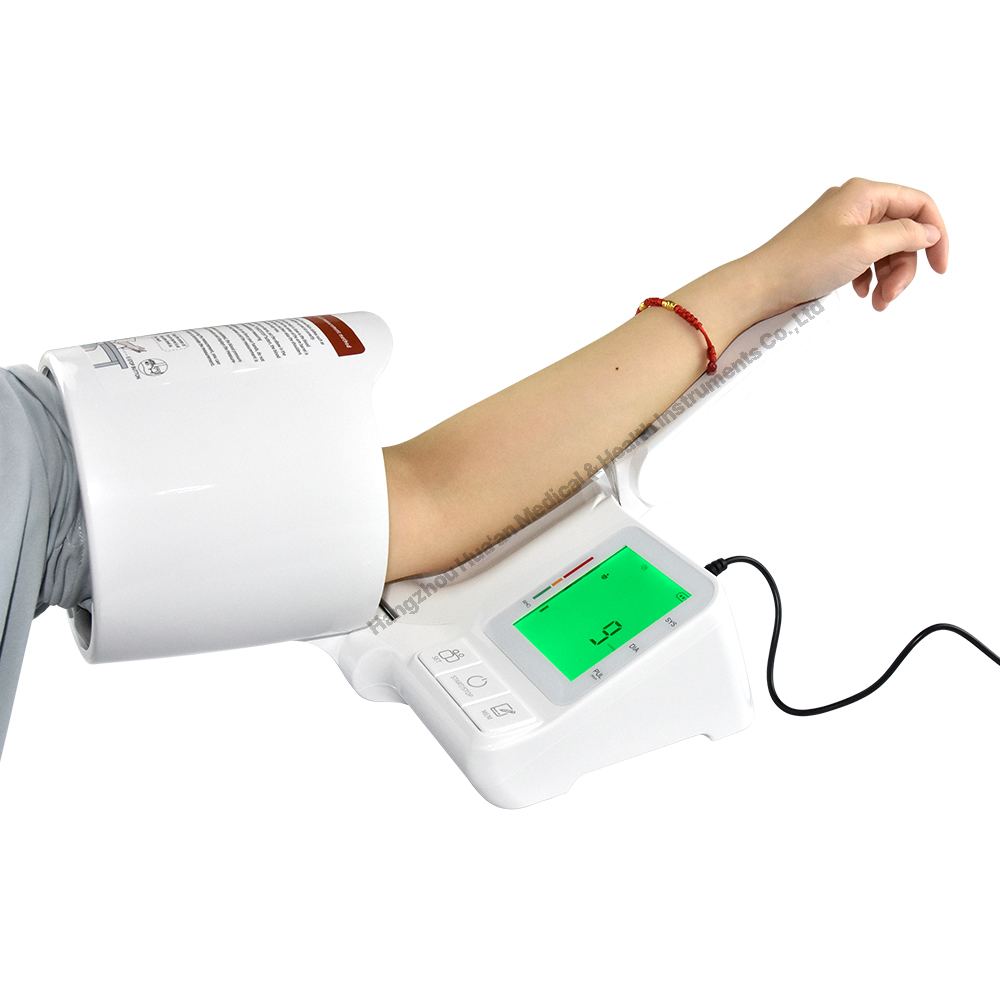
When assessing auto blood pressure machines, several key specifications are crucial for ensuring the device meets your operational needs:
Measurement Range: Ensure the device can measure a wide range of blood pressure levels, accommodating various patient demographics, including those with hypertension or hypotension.
Accuracy Rate: Look for machines that offer a high accuracy rate, typically expressed as a percentage. An accuracy rate of ±3 mmHg is generally acceptable in clinical settings.
Cuff Size and Type: The cuff must fit a variety of arm sizes to ensure accurate readings. Some models offer adjustable cuffs or multiple sizes to cater to different patients.
Power Source: Evaluate whether the machine operates on batteries, AC power, or both. Battery-operated units are more portable, while AC-powered machines may be more suitable for stationary use.
Display Features: A clear, easy-to-read display enhances usability. Some advanced models also feature backlit screens for use in low-light conditions.
Memory Functionality: Machines with the ability to store multiple readings can help track patient progress over time, making them more valuable for long-term monitoring.
Connectivity Options: Consider whether the machine can connect to electronic health records (EHR) systems or mobile applications for streamlined data management.
Evaluating these specifications will help ensure that the auto blood pressure machines you select are not only functional but also enhance patient care.
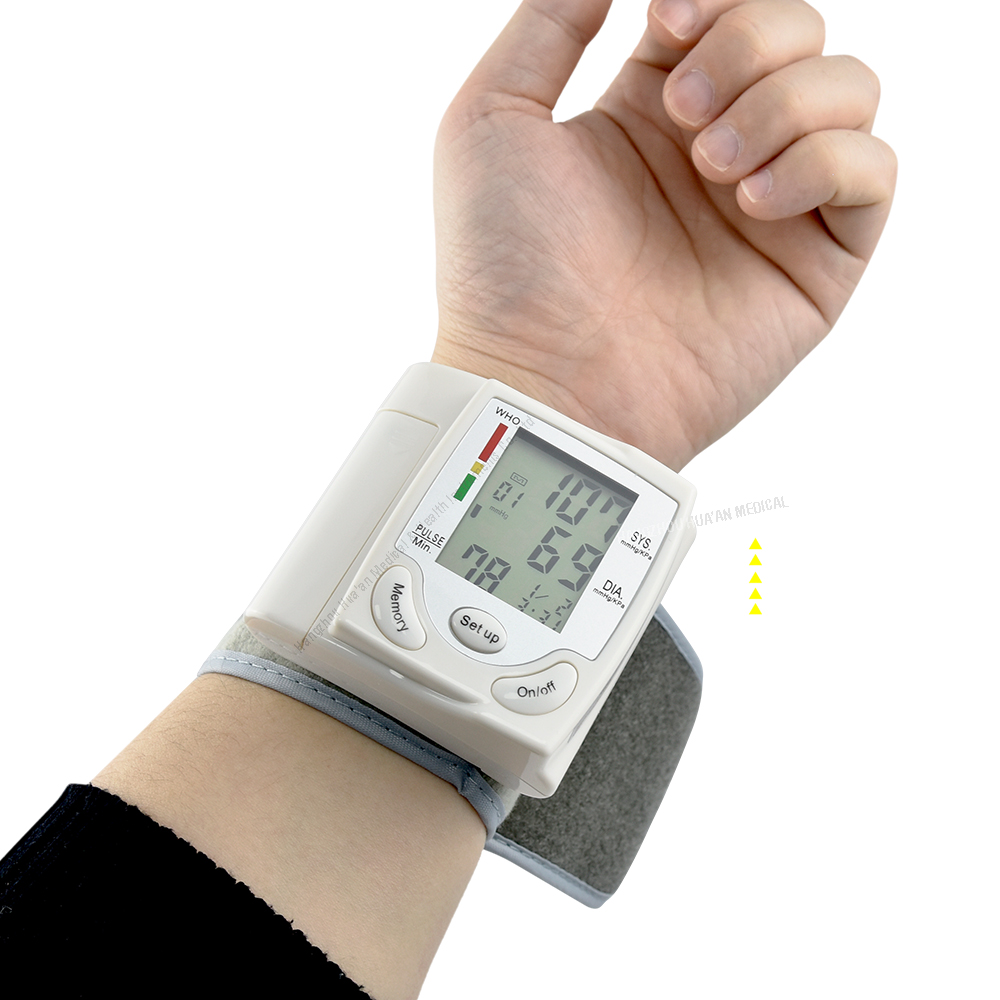
To effectively compare auto blood pressure machines for bulk purchasing, develop a standardized evaluation process that includes the following steps:
Create a Comparison Chart: List all potential models along with their key specifications, features, and prices. This visual representation will help identify the best options quickly.
Request Samples: Before committing to a bulk order, request samples from suppliers. Testing the machines in real-world scenarios will provide insight into usability, accuracy, and reliability.
Evaluate Supplier References: Reach out to existing customers of the manufacturer to gauge their satisfaction with both the product and the service provided. This feedback can highlight potential issues that may not be evident from specifications alone.
Assess Warranty and Support Services: Determine the warranty period and what it covers. A robust support service can significantly enhance the value of your purchase, especially if issues arise post-purchase.
Consider Total Cost of Ownership: Beyond the initial purchase price, factor in maintenance costs, expected lifespan, and any additional accessories or consumables needed for operation.
By systematically comparing different models and manufacturers, you can make a well-informed decision that aligns with your organization’s needs.
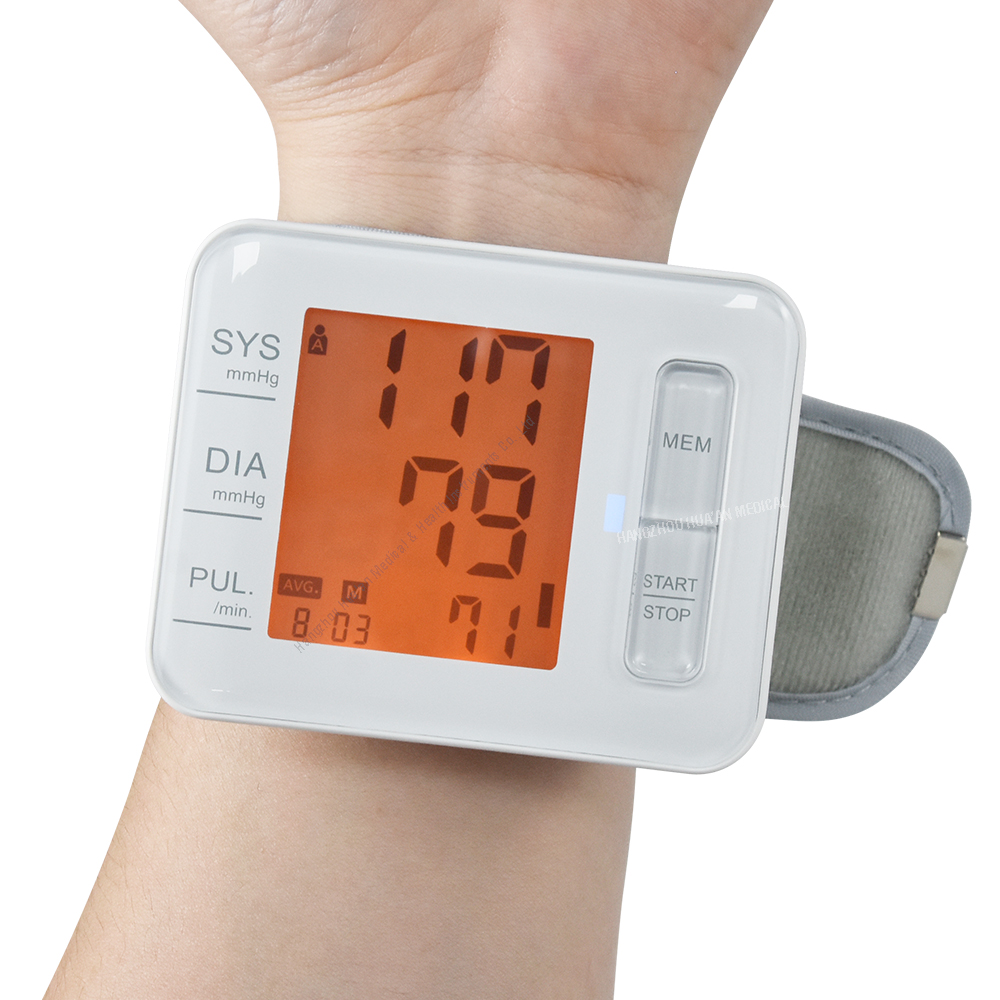
Auto blood pressure machines find extensive applications across various healthcare settings, including hospitals, clinics, and home care environments. In hospitals, they streamline patient monitoring processes, allowing healthcare providers to quickly obtain and analyze vital signs without manual intervention. This efficiency is particularly critical in emergency departments, where timely decision-making can impact patient outcomes.
In outpatient clinics, auto blood pressure machines facilitate routine health checks, enabling healthcare professionals to track patient health over time. The ability to store multiple readings is especially useful for managing chronic conditions like hypertension, allowing for more personalized care plans.
For home care settings, these machines empower patients to monitor their blood pressure independently, fostering better health management. User-friendly designs encourage adherence to monitoring regimens, which can lead to improved health outcomes.
Sourcing high-quality auto blood pressure machines starts with identifying reputable manufacturers with proven expertise in the medical device industry. Companies like Hangzhou Huaan Medical Health Instruments Co., Ltd. are recognized for their commitment to quality, backed by certifications such as CE and ISO13485:2003.
When evaluating potential suppliers, consider the following factors:
Manufacturing Capabilities: Ensure the manufacturer has the necessary equipment and technology to produce reliable and accurate devices. Advanced RD capabilities can indicate a commitment to innovation and quality.
Customization Options: Depending on your market needs, the ability to customize features, colors, or branding may be beneficial. Confirm that the manufacturer can accommodate your specific requirements.
Minimum Order Quantity (MOQ): Understand the MOQ for bulk purchases and assess whether it aligns with your distribution strategy.
Logistics and Delivery: Evaluate the supplier’s logistics capabilities, including shipping times and costs, to ensure timely delivery to your market.
Post-Sale Support: Assess the level of support provided after purchase, including training, maintenance, and warranty services, to ensure a positive customer experience.
By carefully sourcing auto blood pressure machines from reputable manufacturers, you can ensure that your distribution meets high standards of quality and reliability, ultimately benefiting end-users in the healthcare sector.
JASUN is a registered trademark of Hangzhou Hua'an Medical & Health Instruments Co.,Ltd. Your first option for premium thermometer suppliers in China with CE, MDR, ISO13485:2003, FDA and BSCI certificates.
Our location: Building 2,1# Fuzhu Nan RD, Wuchang Town, Yuhang District, Hangzhou, Zhejiang 310023, China
HOURS: 8:30AM - 6:00PM
Copyright © Hangzhou Hua'an Medical & Health Instruments Co.,Ltd. All Rights Reserved Blog Privacy Policy
 EN