EN
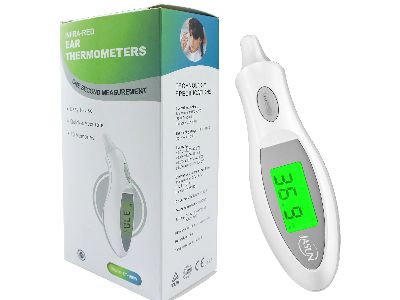
Mercury-free thermometers are essential tools in healthcare, providing safe and accurate body temperature measurements without the risks associated with mercury exposure. As global health markets increasingly emphasize safety and efficacy, sourcing high-quality mercury-free thermometers has become a priority for purchasing managers, distributors, and healthcare providers. This article will guide you through the key considerations when sourcing these thermometers, ensuring that you make informed decisions that align with your specific needs.
What to Consider When Sourcing Mercury Free Thermometers Wholesale?
When sourcing mercury-free thermometers wholesale, buyers should consider several critical factors to ensure that they obtain products that meet quality standards and are suitable for their target markets. First, assess the thermometer’s specifications, including measurement range, accuracy, and response time. These specifications directly impact the device's usability in clinical settings. Next, evaluate the manufacturer’s reputation and experience in the industry. With over two decades of experience, Hangzhou Huaan Medical Health Instruments Co., Ltd. is recognized for its reliable body temperature measuring devices. Look for manufacturers with relevant certifications such as CE, ISO13485:2003, and FDA approvals, which indicate compliance with international safety and quality standards.
Additionally, consider customization options. Many healthcare providers require digital infant thermometer that align with their branding or specific functionalities. A manufacturer with full OEM/ODM capabilities can offer tailored solutions, enhancing the product’s fit for your market needs.
How to Evaluate the Quality of Mercury Free Thermometers for Purchase?
Evaluating the quality of mercury-free thermometers involves a comprehensive assessment of materials, manufacturing processes, and quality control measures. Start by verifying the materials used in the thermometer’s construction. Common materials include plastic and glass, but their specific properties, such as thermal conductivity and durability, can affect performance. Quality control processes are also crucial. Inquire about the manufacturer's testing procedures, including calibration methods, accuracy checks, and compliance with international standards. A reputable manufacturer will provide detailed documentation of their quality assurance protocols, ensuring that each infant forehead thermometer meets stringent criteria before reaching the market. Lastly, consider conducting a sample evaluation. Request samples to test for accuracy, ease of use, and durability in real-world conditions. This hands-on evaluation can reveal potential issues that may not be apparent through documentation alone.
Cost Factors to Consider When Buying Mercury Free Thermometers in Bulk
When purchasing mercury-free thermometers in bulk, various cost factors should be considered to ensure a favorable procurement process. Start with the unit price, which can vary significantly based on order volume, customization, and material quality. Generally, higher quantities lead to lower per-unit costs, but this should be balanced against your budget and storage capabilities. Shipping and handling fees are additional costs that can impact the total expenditure. Consider the delivery location, as this may influence freight costs. Additionally, customs duties and taxes should be factored in if importing from overseas manufacturers. Another important aspect is the minimum order quantity (MOQ). Manufacturers often set an MOQ to ensure production efficiency. Be sure to clarify the MOQ with your supplier to avoid unexpected costs or delays in securing your order.
Installation Guidance for Mercury Free Thermometers in Healthcare Settings
Proper installation of mercury-free thermometers in healthcare settings is crucial for ensuring optimal performance and user safety. First, familiarize staff with the thermometer’s operation. Training should cover proper usage guidelines, including how to position the thermometer for accurate readings and how to maintain hygiene standards. Ensure that thermometers are stored in a controlled environment to prevent damage and maintain accuracy. For example, avoid placing them in direct sunlight or areas with extreme temperature fluctuations. Regular calibration is also essential. Establish a routine for testing the accuracy of thermometers according to the manufacturer's recommendations. This will not only ensure reliable measurements but also reinforce compliance with health regulations.
Understanding Mercury Free Thermometer Materials
The materials used in mercury-free thermometers play a significant role in their functionality and safety. Common materials include high-quality plastics and glass, which are chosen for their durability and thermal properties. Plastic thermometers are lightweight and shatterproof, making them suitable for environments where breakage is a concern, such as pediatric or geriatric care settings. On the other hand, glass thermometers may offer better thermal stability, but they require careful handling to avoid breakage. When selecting materials, consider their impact on temperature accuracy and response time. For instance, thermometers with faster response times are critical in clinical settings where quick readings are necessary for patient care. Therefore, understanding the properties of various materials will aid in selecting the most suitable pediatric thermometer for specific applications. By focusing on these considerations and leveraging the expertise of established manufacturers like Hangzhou Huaan Medical Health Instruments Co., Ltd., you can confidently navigate the sourcing process for mercury-free thermometers.
Table of Contents
- What to Consider When Sourcing Mercury Free Thermometers Wholesale?
- How to Evaluate the Quality of Mercury Free Thermometers for Purchase?
- Cost Factors to Consider When Buying Mercury Free Thermometers in Bulk
- Installation Guidance for Mercury Free Thermometers in Healthcare Settings
- Understanding Mercury Free Thermometer Materials