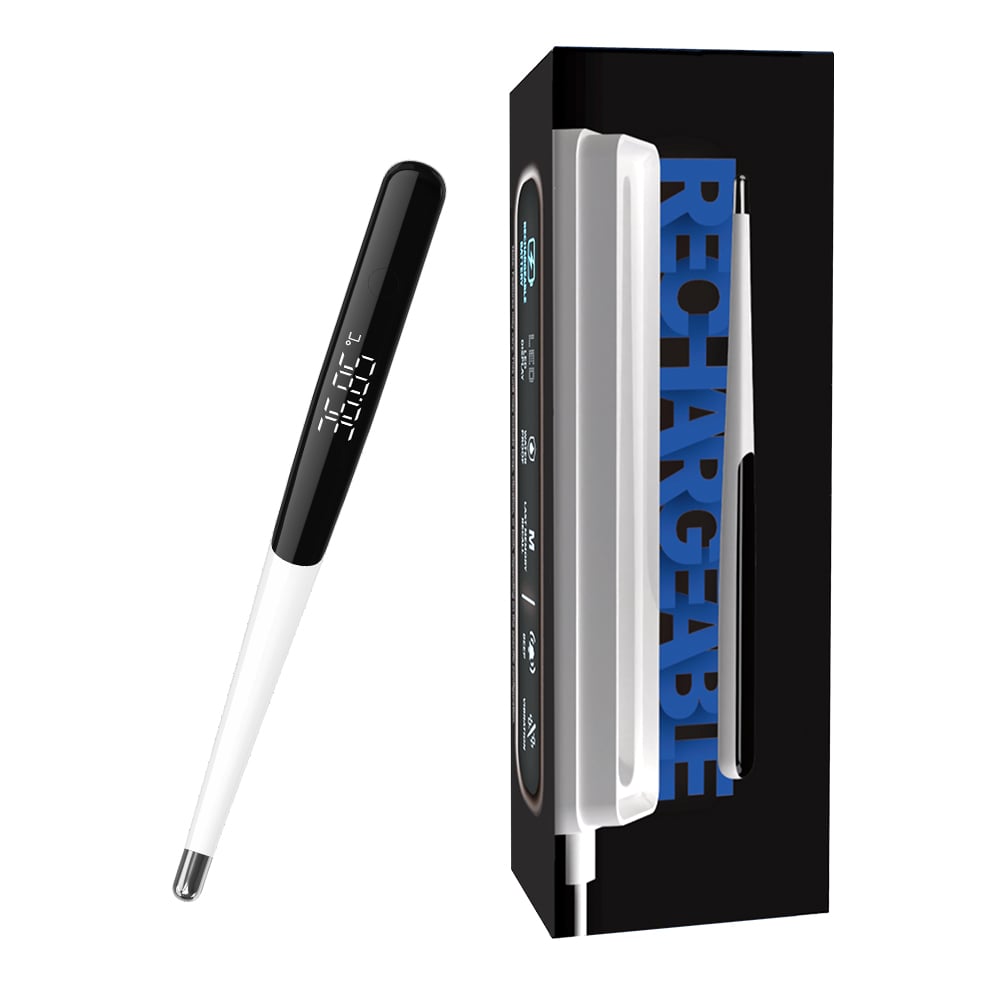
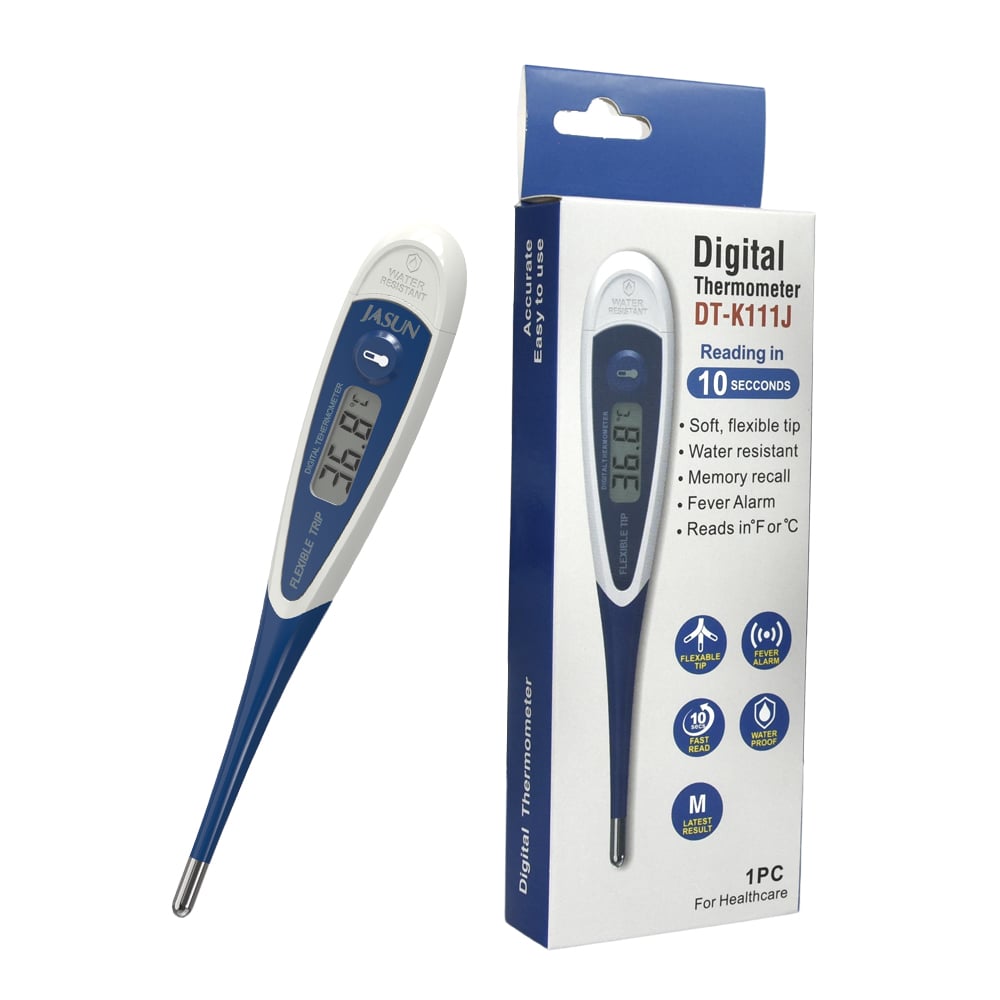
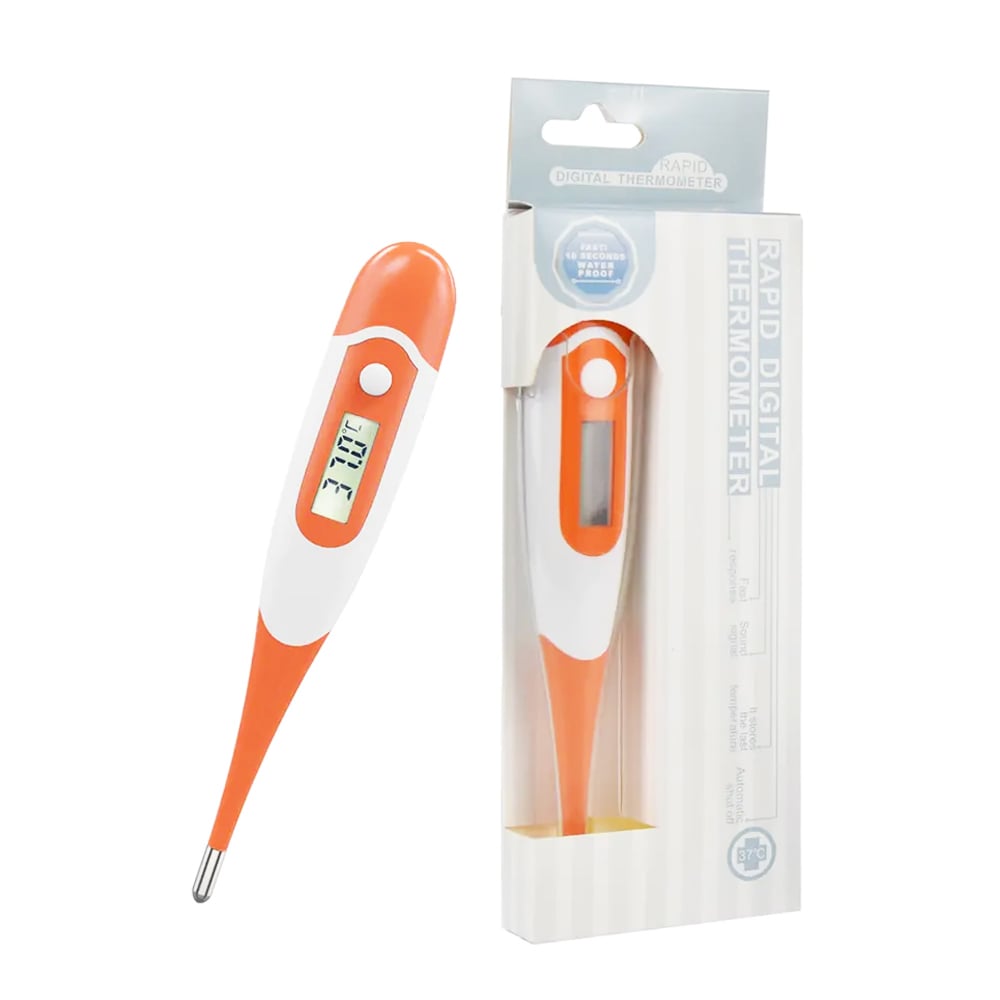
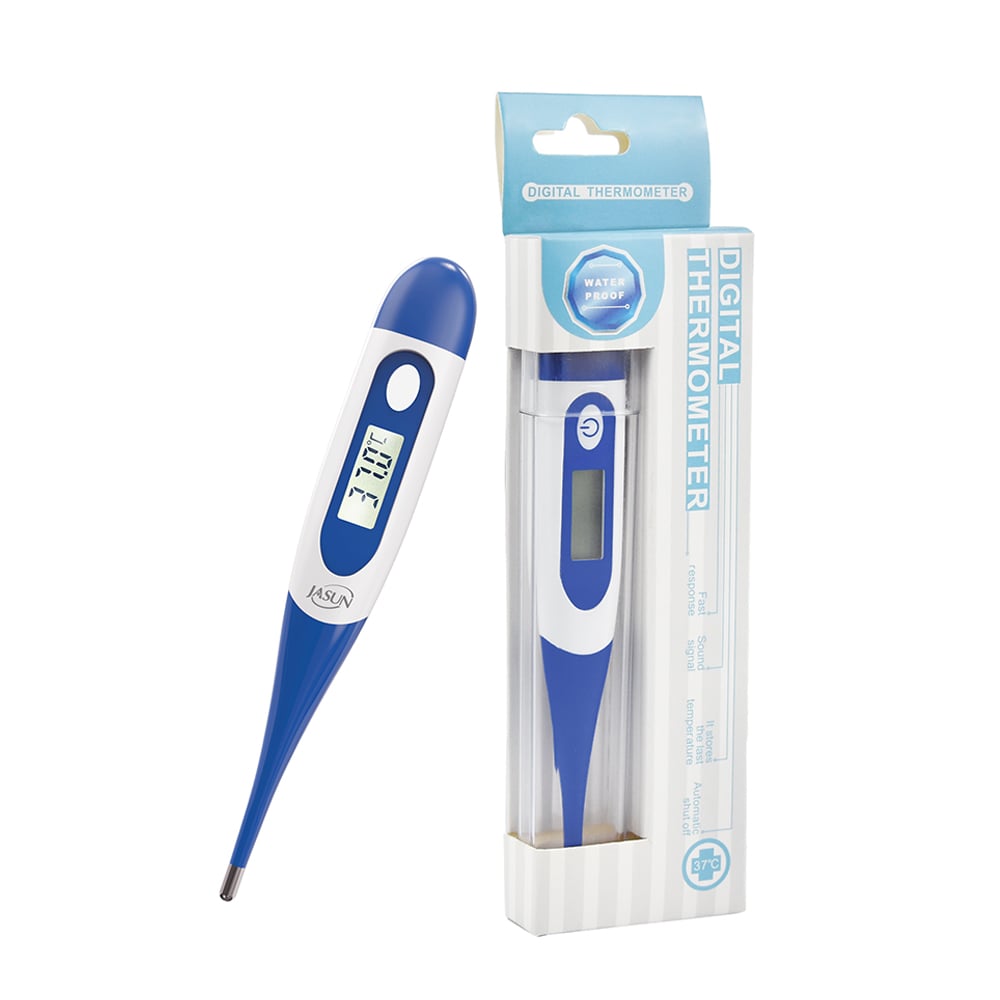
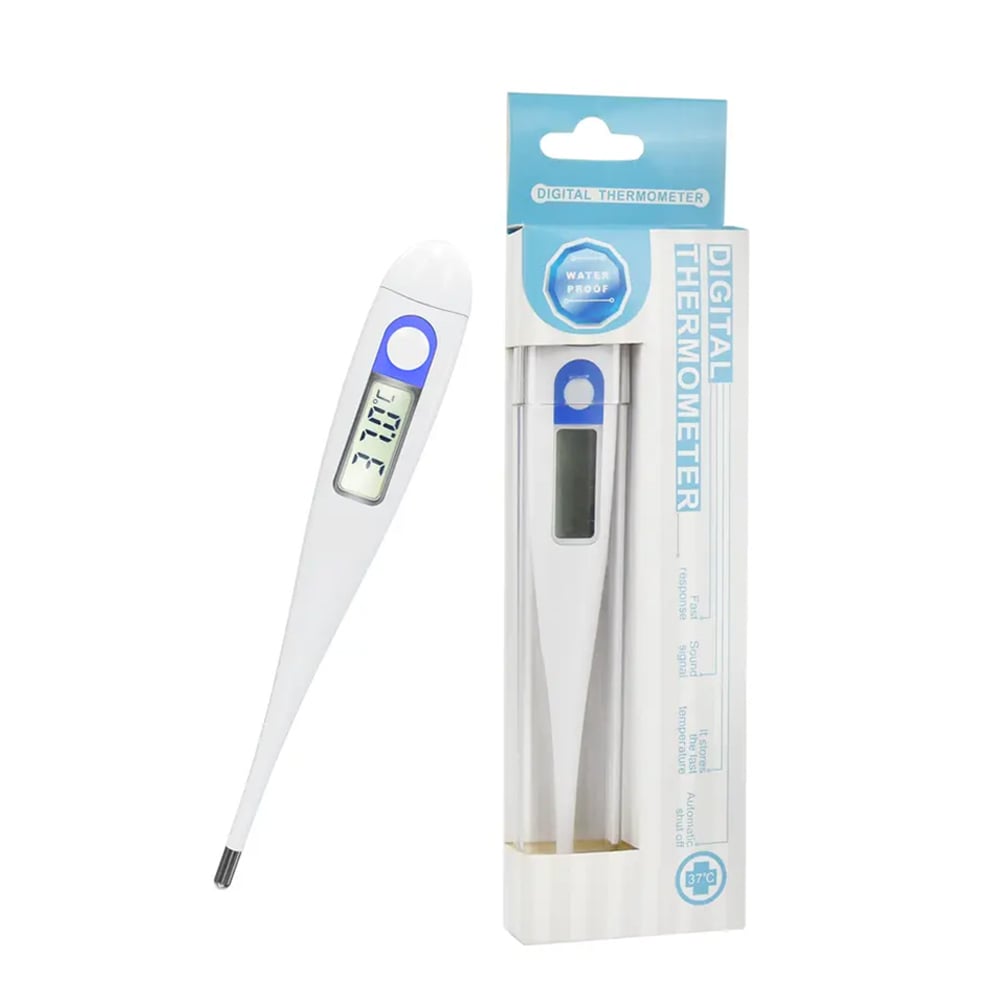
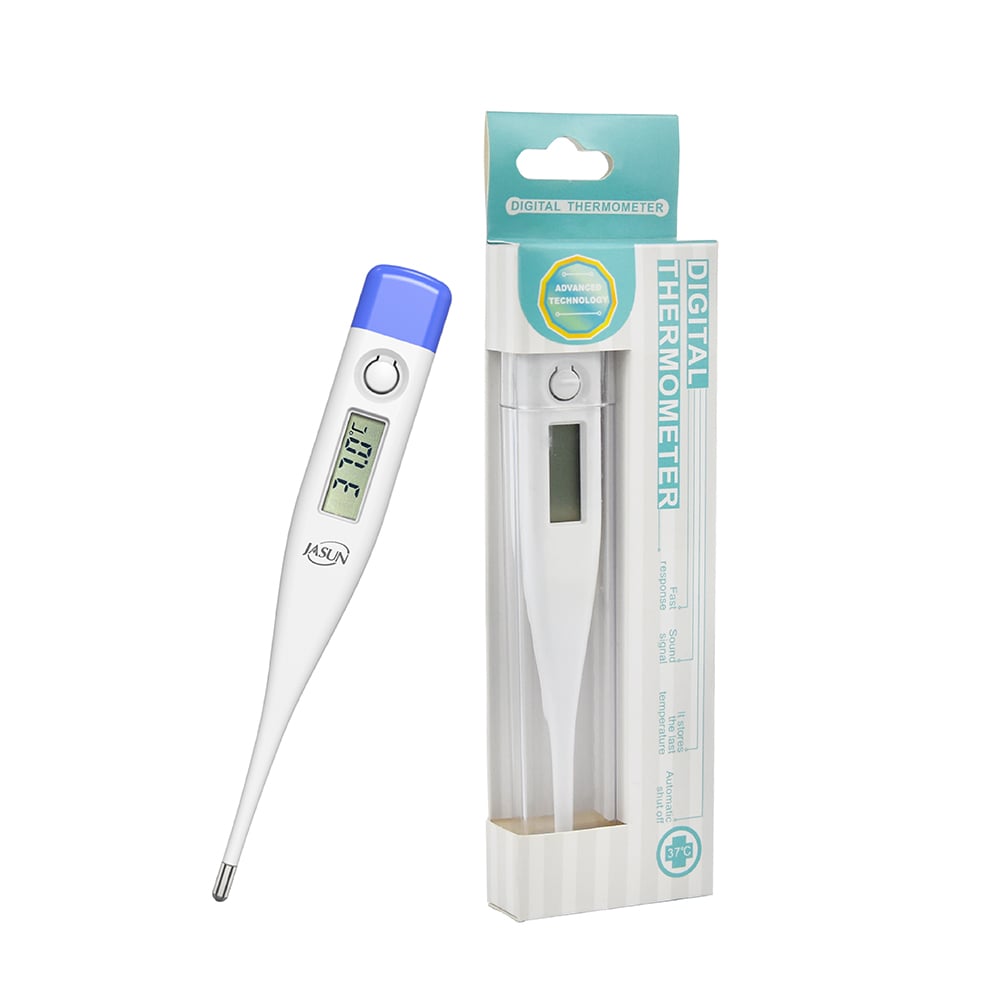
Medical thermometers are essential tools in healthcare, providing accurate body temperature measurements critical for diagnosing and monitoring patient conditions. For B2B buyers such as distributors, purchasing managers, and healthcare providers, understanding the quality and reliability of medical thermometers is paramount. This article will guide you through evaluating medical infrared thermometer quality, sourcing trusted manufacturers, addressing common issues, exploring applications, and understanding material advantages—all aimed at empowering informed purchasing decisions.
When assessing the quality of medical thermometers, distributors should consider several key factors:
Accuracy: The primary function of a medical thermometer is to provide accurate readings. Look for manufacturers that provide specifications like ±0.1°C accuracy, which is crucial for clinical settings.
Calibration Standards: Ensure that the thermometer adheres to recognized calibration standards. Certifications like ISO 13485 indicate that the manufacturer follows stringent quality management processes.
Materials Used: The materials can affect durability and comfort. For instance, thermometers made with medical-grade plastics or stainless steel tend to offer better longevity and hygiene.
User Comfort: Consider thermometers designed for ease of use, particularly in pediatric or geriatric care. A thermometer with a soft tip can improve patient comfort and compliance.
Regulatory Compliance: Verify that the thermometer complies with regulatory standards such as CE, FDA, and MDR. These certifications reflect adherence to safety and efficacy guidelines.
By focusing on these factors, distributors can ensure they are sourcing high-quality medical thermometers that meet industry standards.
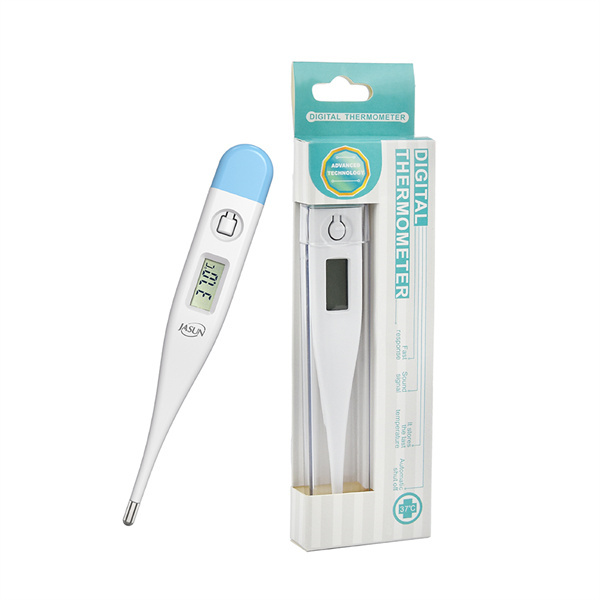
Finding reliable manufacturers is critical for distributors looking to supply medical thermometers. Here are some strategies:
Research and Reviews: Start by researching manufacturers like Hangzhou Huaan Medical Health Instruments Co., Ltd., which has been in the industry since 1997 and holds multiple certifications. Reviews from current customers can provide insights into reliability and service quality.
OEM/ODM Capabilities: Look for manufacturers that offer Original Equipment Manufacturer (OEM) or Original Design Manufacturer (ODM) services. This flexibility allows for customized solutions tailored to specific market needs.
Factory Visits and Audits: Whenever possible, conduct factory visits or audits to assess manufacturing processes, quality control measures, and production capabilities. Observing these practices firsthand can significantly inform your decision.
Supply Chain Reliability: Evaluate the manufacturer's supply chain management. A robust supply chain ensures timely delivery and consistent product availability, which are crucial for maintaining inventory levels.
Technical Support and Warranty: Ensure that the manufacturer provides adequate technical support and a clear warranty policy. This support is invaluable for addressing any issues that may arise post-purchase.
By implementing these sourcing strategies, distributors can build partnerships with trustworthy manufacturers, leading to better business outcomes.
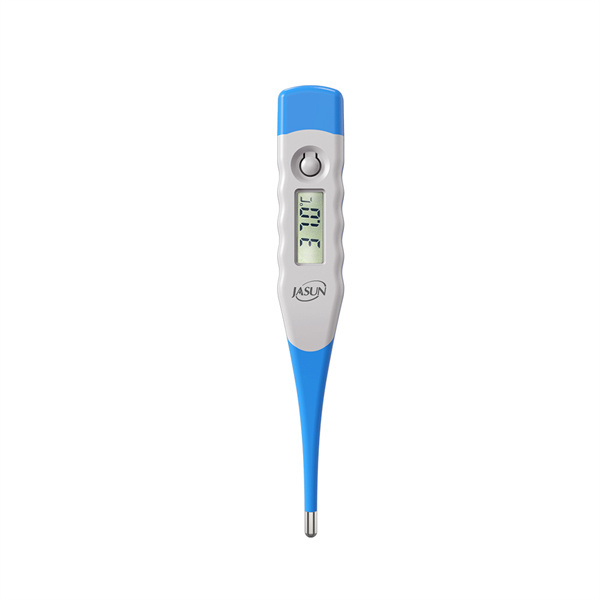
Medical thermometers can sometimes encounter issues that may affect their performance. Here are common problems and their solutions:
Inaccurate Readings: This can result from improper calibration or sensor malfunction. Regular calibration checks and maintenance are essential to ensure accuracy. Distributors should work with suppliers who provide comprehensive support for calibration.
Battery Failure: Battery life can vary greatly among models. To mitigate this issue, consider recommending thermometers with rechargeable batteries or those that use standard AA/AAA batteries for easy replacements.
Temperature Range Limitations: Some thermometers may not function well in extreme temperature conditions. Buyers should choose models specifically designed for the required temperature range based on their application.
User Errors: Incorrect usage can lead to inconsistent readings. Distributors should ensure that product manuals are clear and provide training resources for end users to minimize errors.
Durability Issues: For environments such as hospitals or clinics where digital medical thermometer may be dropped or exposed to contamination, selecting models made from durable materials can reduce the risk of breakage.
By proactively addressing these common issues, distributors can enhance customer satisfaction and reduce return rates.
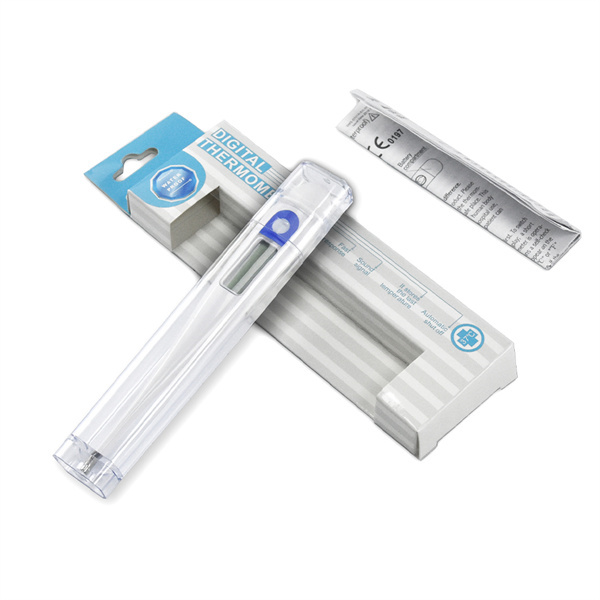
Medical thermometers serve diverse applications across healthcare settings, including:
Hospitals: Inpatient care units often utilize digital and infrared Hangzhou Huaan thermometers for quick and accurate temperature assessments, essential for monitoring patient status.
Clinics: Outpatient facilities frequently rely on non-contact thermometers to minimize cross-contamination, particularly during flu seasons or pandemics.
Home Care: With the rise of telehealth, home care providers are using thermometers that offer Bluetooth connectivity for remote monitoring by healthcare professionals.
Pharmacies: Retail pharmacies stock a variety of thermometers for consumer use, emphasizing ease of use and reliability to foster customer trust.
Emergency Medical Services (EMS): Thermometers used in ambulances must be portable and quick to provide readings, aiding first responders in critical situations.
Understanding these applications helps distributors tailor their offerings to meet the specific needs of each segment, enhancing their market presence.
The choice of materials in medical thermometers significantly influences their performance, durability, and user experience. Here are key material considerations:
Medical-Grade Plastics: Commonly used in Hangzhou Huaan digital thermometers, these plastics are lightweight, easy to clean, and resistant to chemicals, making them suitable for clinical environments.
Stainless Steel: Often used in probe thermometers, stainless steel offers durability and resistance to corrosion, ensuring long-term reliability.
Silicone Tips: For comfort, thermometers with silicone tips can provide a softer touch for pediatric patients, reducing anxiety during temperature measurements.
Glass: While less common today, glass thermometers are still used in some settings due to their accuracy and reliability. However, they require careful handling to prevent breakage.
Thermal Sensors: The choice of thermal sensors affects the best medical thermometer responsiveness and accuracy. Advanced sensors can provide faster readings, which is critical in emergency situations.
Buyers should carefully evaluate these material options based on the intended application and environment to ensure they select the most suitable medical thermometers.
By understanding these essential aspects of medical thermometers, B2B buyers can make informed decisions that align with their operational needs and enhance patient care.
JASUN is a registered trademark of Hangzhou Hua'an Medical & Health Instruments Co.,Ltd. Your first option for premium thermometer suppliers in China with CE, MDR, ISO13485:2003, FDA and BSCI certificates.
Our location: Building 2,1# Fuzhu Nan RD, Wuchang Town, Yuhang District, Hangzhou, Zhejiang 310023, China
HOURS: 8:30AM - 6:00PM
Copyright © Hangzhou Hua'an Medical & Health Instruments Co.,Ltd. All Rights Reserved Blog Privacy Policy
 EN