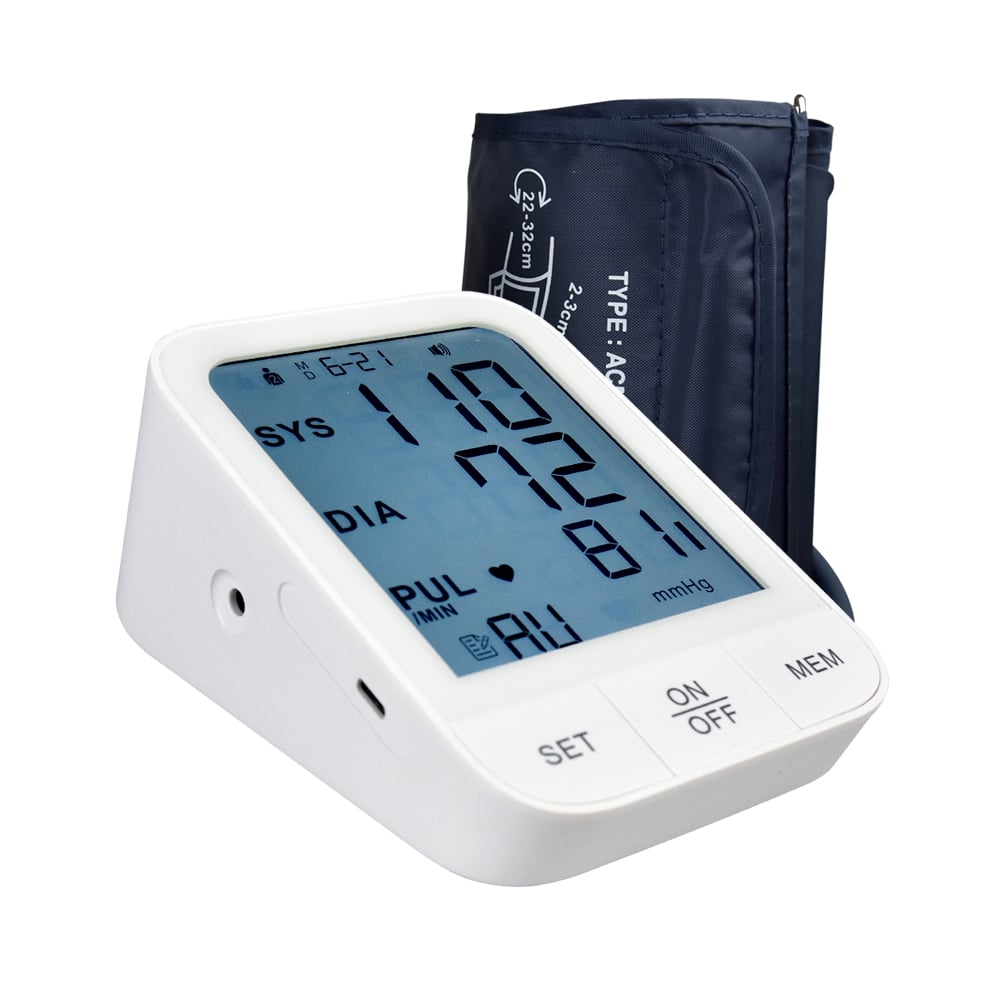
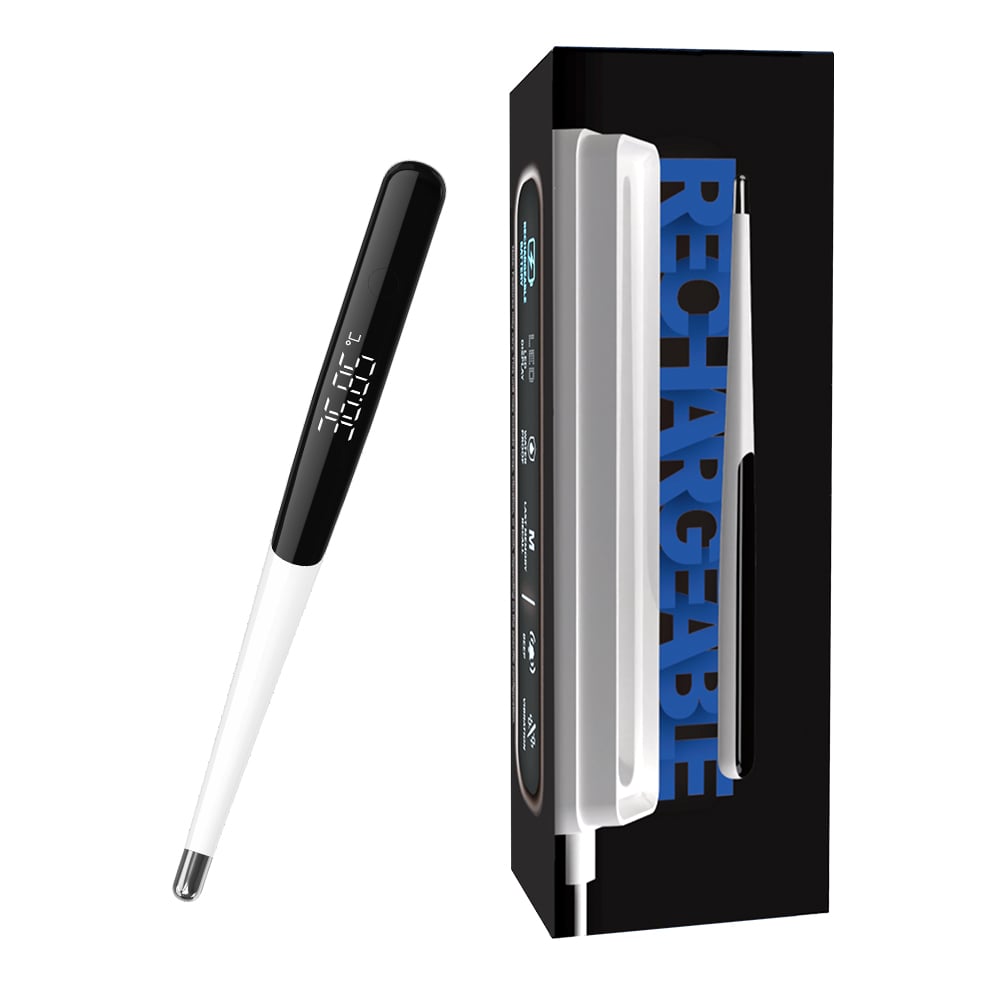
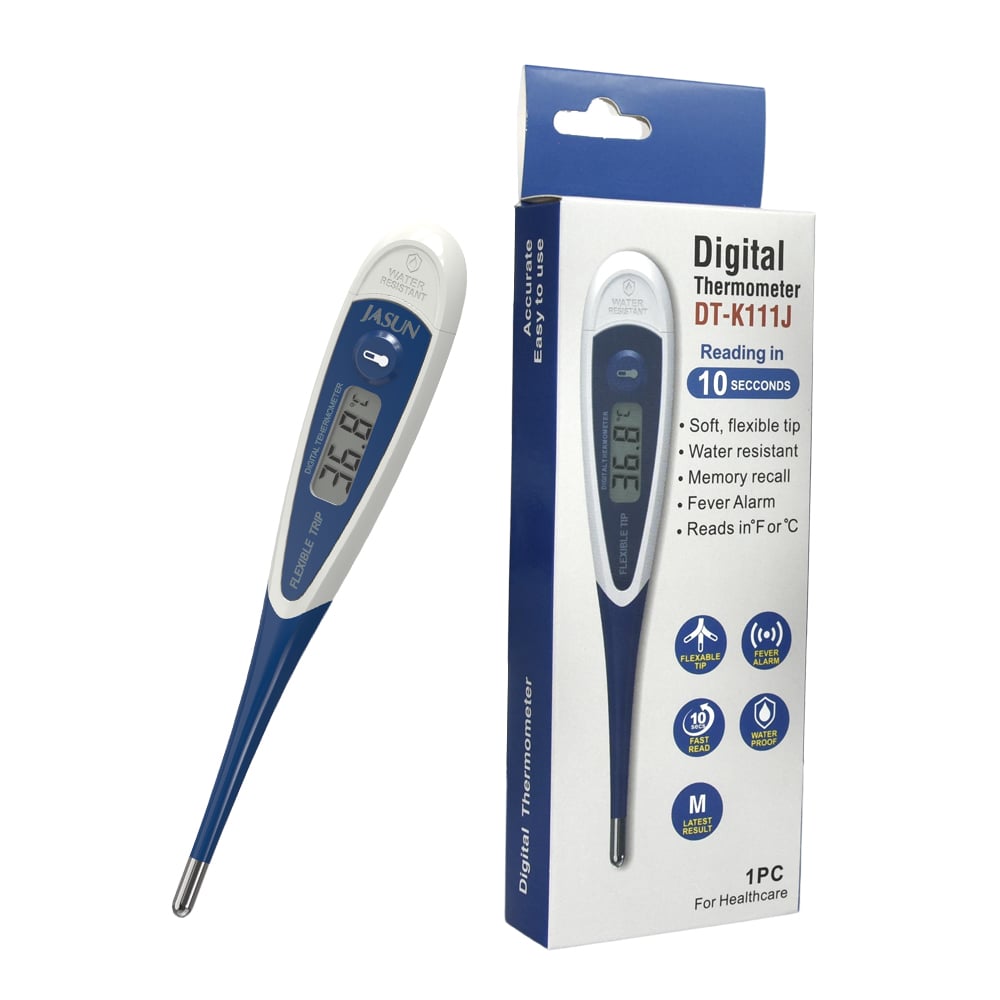
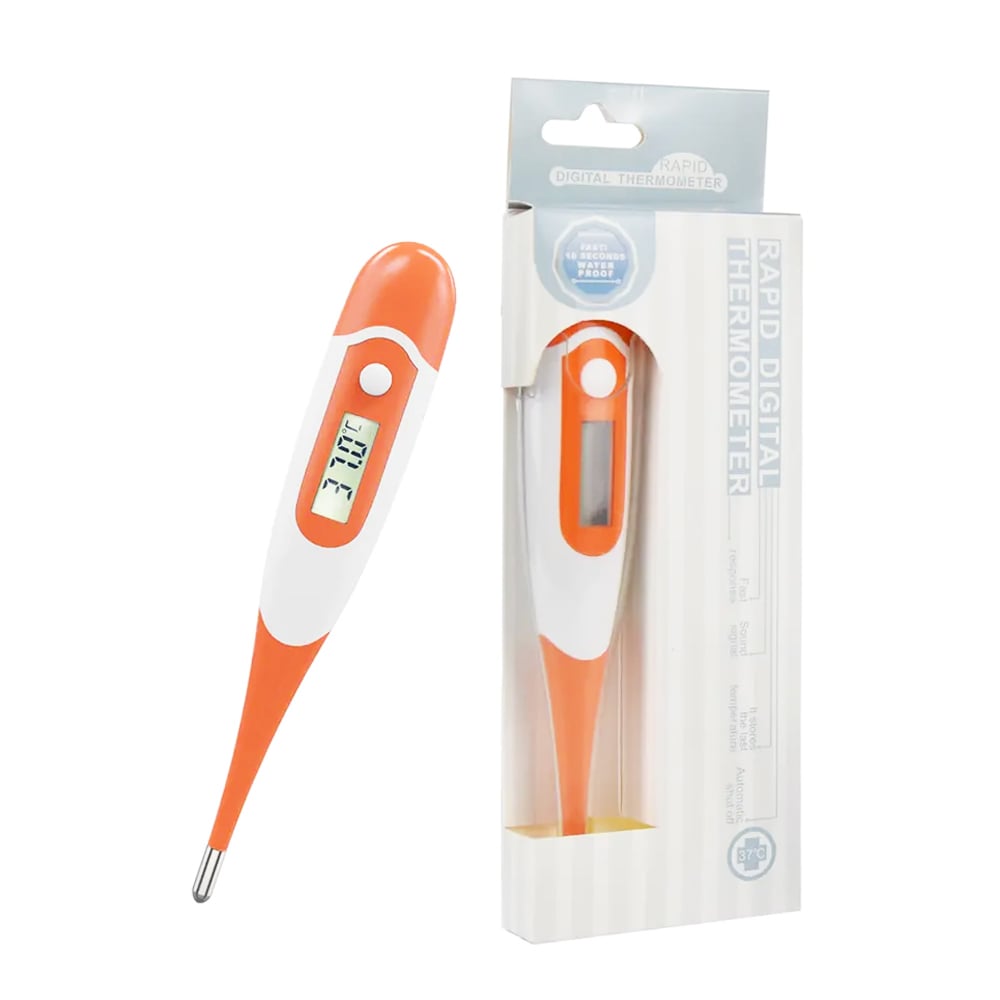
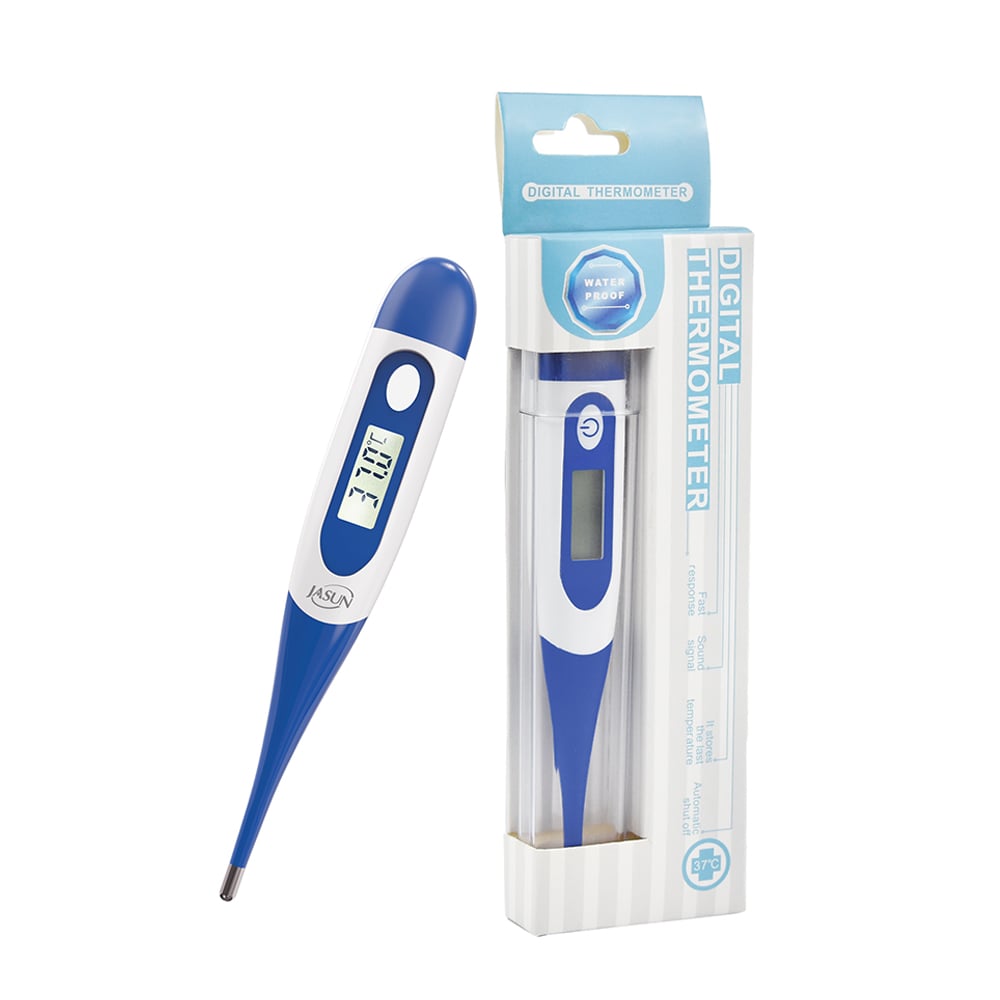
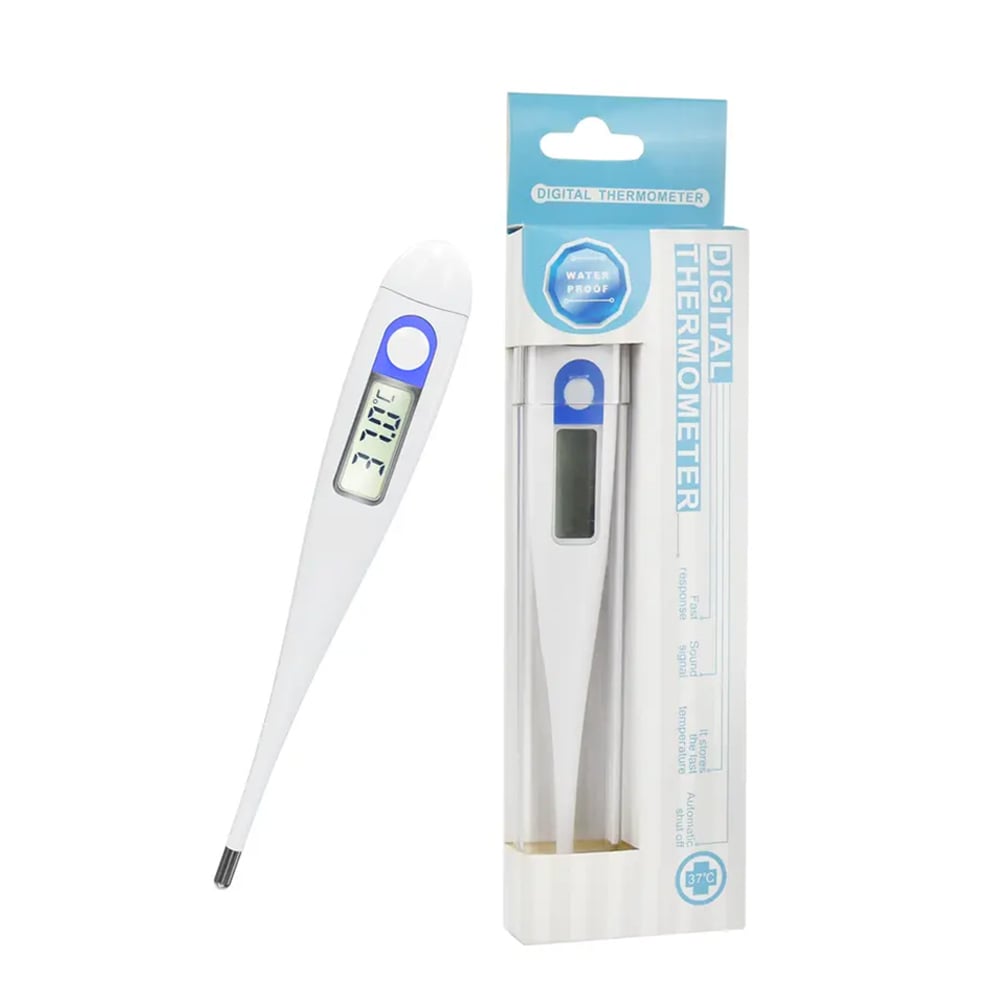
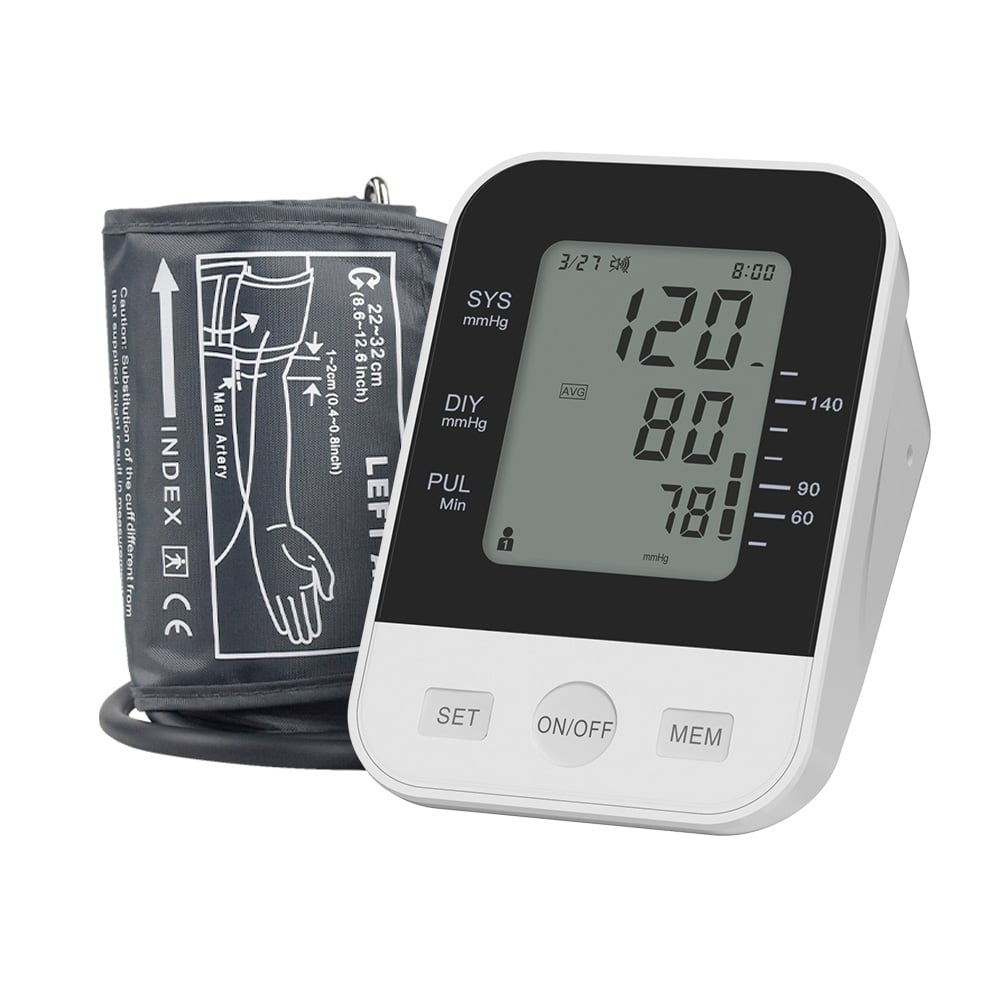
IR thermometers are essential tools for accurately measuring body temperature without direct contact, making them invaluable in various settings, including healthcare, manufacturing, and food safety. For B2B buyers, understanding the key specifications, cost factors, and potential installation issues is crucial for making informed purchasing decisions. This article will help you navigate the complexities of selecting the right IR newborn thermometer for your business needs, ensuring optimal performance and reliability.
Selecting the appropriate IR thermometer for your business requires careful consideration of several factors. First, you need to assess your specific application—whether it's for medical purposes, industrial use, or food safety. Each application may demand different temperature ranges and features.
Next, consider the type of infrared technology used. There are thermocouples, thermistors, and bimetallic sensors, each offering different levels of accuracy and response times. For instance, if you're in a healthcare setting, you might prioritize a model with a quick response time and high accuracy, as these factors are essential for patient safety.
Additionally, evaluate the ergonomics and ease of use. A thermometer that is comfortable to hold and easy to operate will enhance efficiency, especially in busy environments. Finally, don’t forget to examine the certifications and compliance standards, such as CE, ISO13485:2003, and FDA, which ensure that the product meets safety and quality armpit temperature for infants.
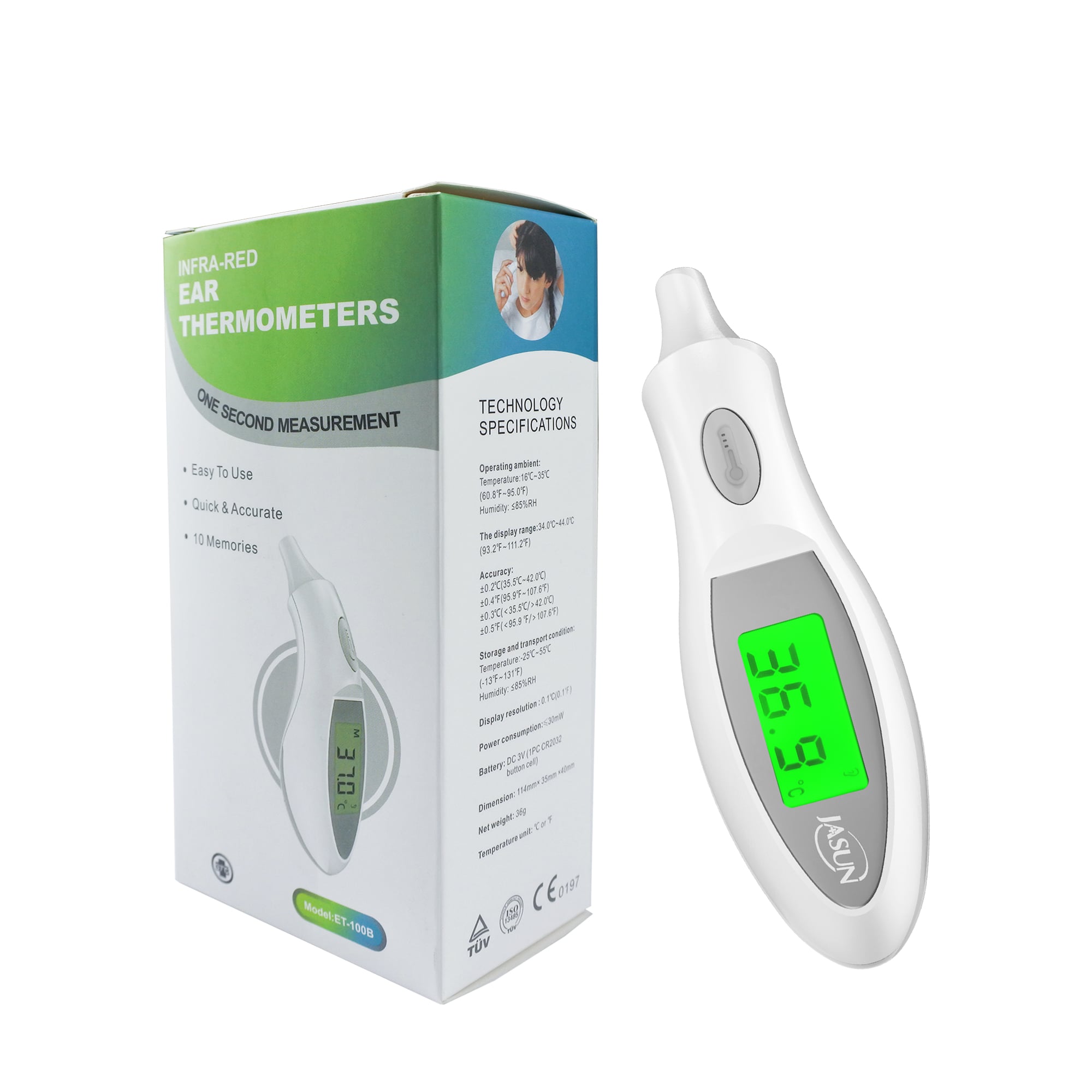
When assessing IR thermometers, several key specifications should be at the forefront of your evaluation:
Measurement Range: Ensure the thermometer covers the temperature range suitable for your application. For instance, medical IR thermometers typically measure between 32°C to 42°C, while industrial models might extend beyond that range.
Accuracy: Look for devices that offer high accuracy, often specified in degrees Celsius or Fahrenheit. A thermometer with an accuracy of ±0.2°C is generally acceptable for medical applications, while industrial applications may require stricter tolerances.
Response Time: This refers to how quickly the thermometer can provide a reading after activation. A response time of less than one second is ideal for high-traffic areas, such as clinics or airports.
Display Features: A clear, backlit display can make it easier to read measurements, especially in low-light conditions. Some models also offer audio alerts for high temperatures, which can be beneficial in a busy environment.
Battery Life: Consider the power source and how long the device can operate before needing to be recharged or have its batteries replaced. Longer battery life is preferable for continuous use.
Durability: Look for thermometers with robust construction, especially if they will be used in industrial settings where infant rectal thermometer may face exposure to harsh conditions.
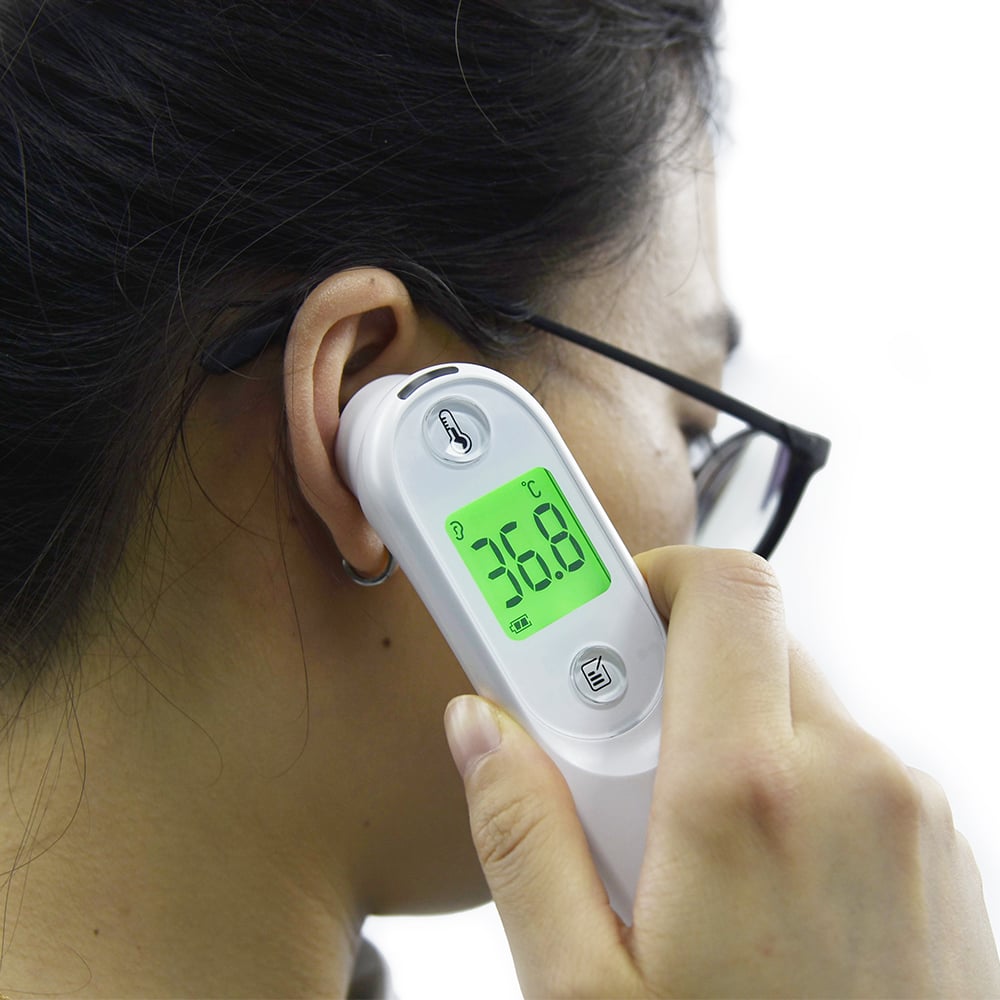
When planning a bulk purchase of IR thermometers, several cost factors need to be considered:
Unit Price: Typically, the cost per unit decreases with larger quantities. Therefore, negotiating for bulk pricing can lead to significant savings.
Custom Features: If you require specific customizations—such as branding or unique specifications—this can affect the overall price. Be sure to factor these costs into your budget.
Shipping Costs: Depending on the supplier’s location and your delivery requirements, shipping costs can vary. It’s advisable to get quotes from multiple suppliers to compare shipping expenses.
Lead Time: The time it takes for the order to be fulfilled can also impact costs. If you need the thermometers urgently, expedited shipping may be necessary, which could increase the overall expenditure.
After-Sales Support: Consider whether the supplier offers warranties or after-sales service, which can add value to your purchase. This support can help you address any potential issues that arise after your order.
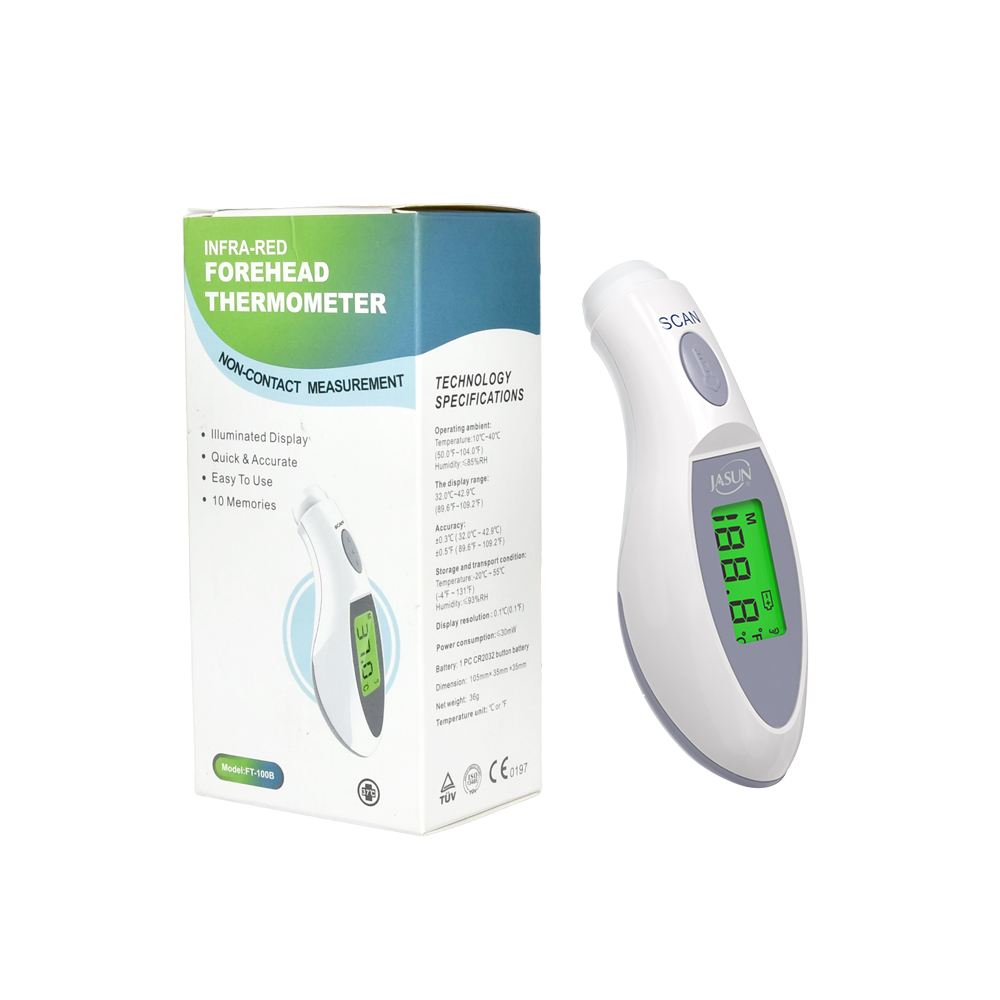
While installing IR thermometers, various challenges may arise which can impact their performance:
Incorrect Placement: Positioning the thermometer too close or too far from the target can yield inaccurate readings. Ensure that the device is installed according to manufacturer guidelines, which typically suggest a specific distance for optimal accuracy.
Environmental Interference: Factors such as ambient temperature, humidity, and direct sunlight can affect measurement accuracy. Installing the thermometer in a controlled environment or using protective enclosures can mitigate these issues.
Calibration Errors: New thermometers should be calibrated according to the manufacturer's specifications before use. Regular recalibration is also necessary to maintain accuracy over time.
Obstructions: Ensure that no obstructions block the line of sight between the thermometer and the target. This can lead to false readings or incomplete data.
User Training: Providing proper training to personnel on how to operate and maintain the thermometer can minimize user errors and enhance overall effectiveness.
The materials used in IR thermometers significantly influence their performance and durability:
Housing Material: High-quality plastics or metals can enhance durability and resistance to environmental factors. Look for thermometers with housing that can withstand impacts, especially in industrial settings.
Lens Quality: The lens material affects the clarity and accuracy of the temperature readings. Opt for thermometers with high-grade infrared lenses that minimize distortion and improve sensitivity.
Thermal Insulation: Some models feature thermal insulation to protect sensitive components from extreme temperature fluctuations, which can enhance measurement accuracy.
Ergonomic Designs: Materials that provide a comfortable grip can reduce user fatigue during extended use, particularly in high-demand environments such as hospitals.
Sustainability: If your company prioritizes environmentally friendly practices, consider IR thermometers made from recyclable materials or those designed for longevity to reduce waste.
In summary, investing in high-quality IR thermometers requires thorough evaluation of specifications, pricing, installation challenges, and material advantages. By understanding these factors, you can make informed decisions that enhance your operational efficiency and ensure superior performance.
JASUN is a registered trademark of Hangzhou Hua'an Medical & Health Instruments Co.,Ltd. Your first option for premium thermometer suppliers in China with CE, MDR, ISO13485:2003, FDA and BSCI certificates.
Our location: Building 2,1# Fuzhu Nan RD, Wuchang Town, Yuhang District, Hangzhou, Zhejiang 310023, China
HOURS: 8:30AM - 6:00PM
Copyright © Hangzhou Hua'an Medical & Health Instruments Co.,Ltd. All Rights Reserved Blog Privacy Policy
 EN