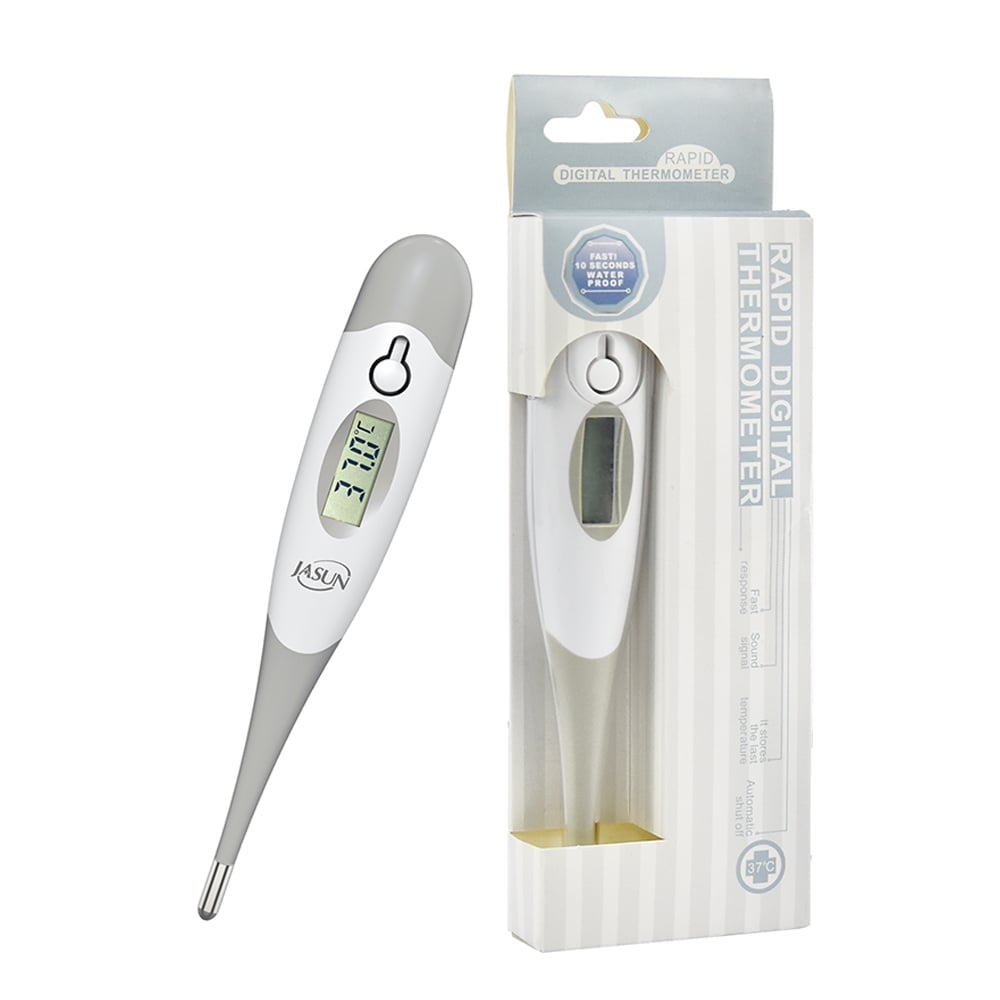
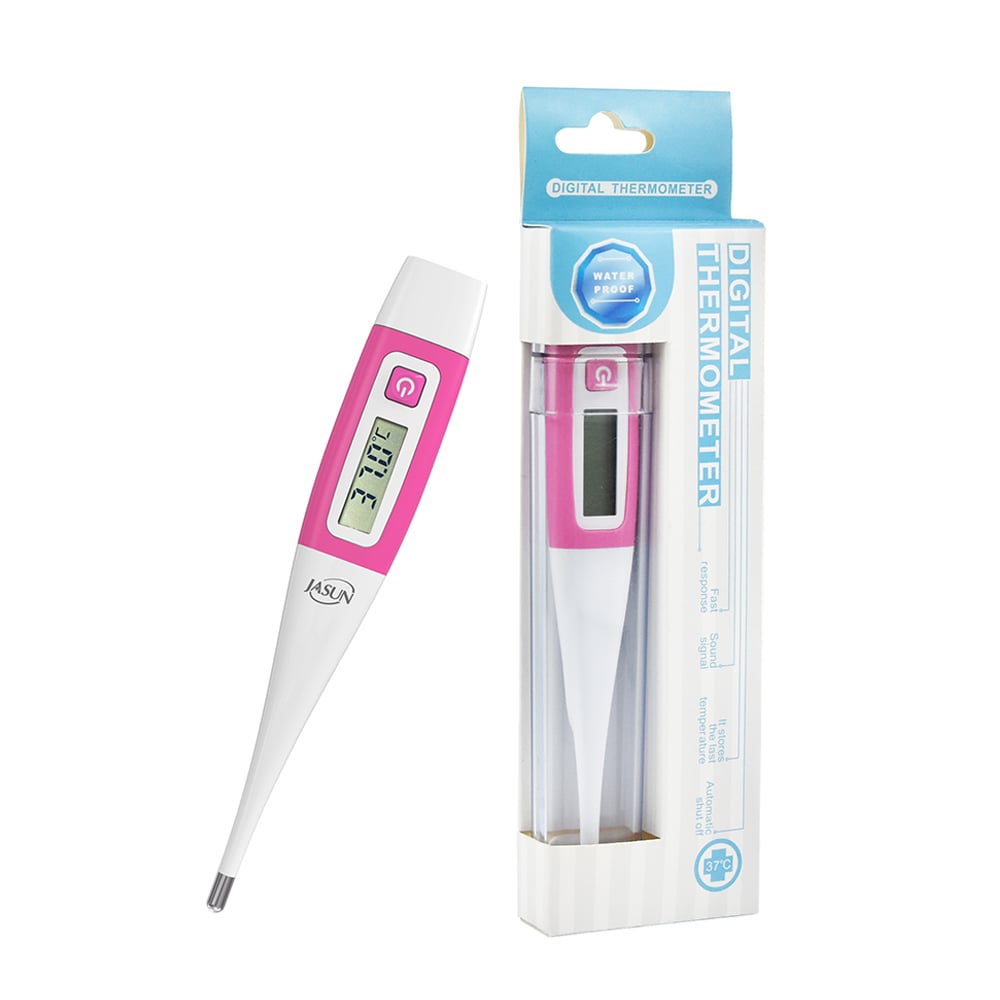
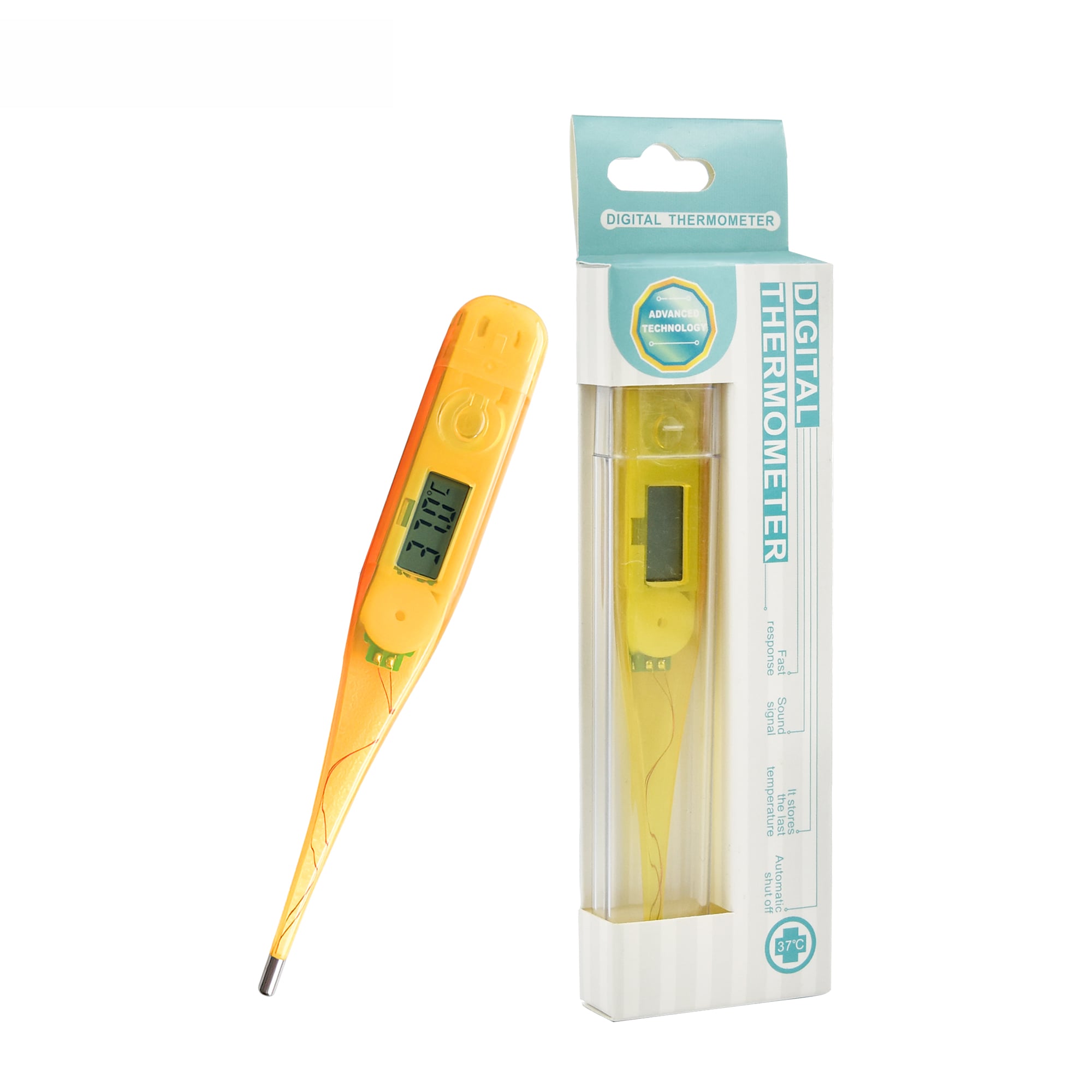
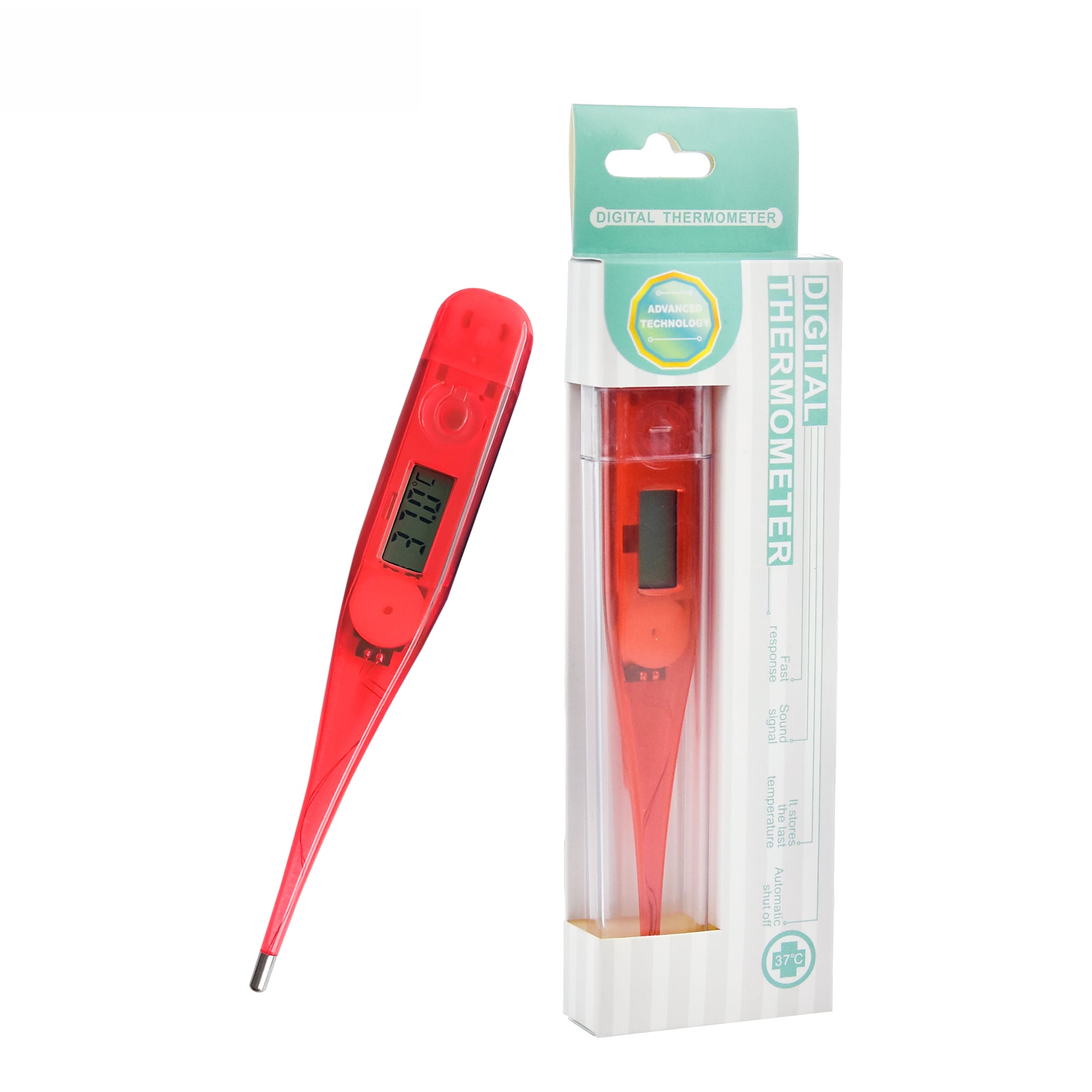
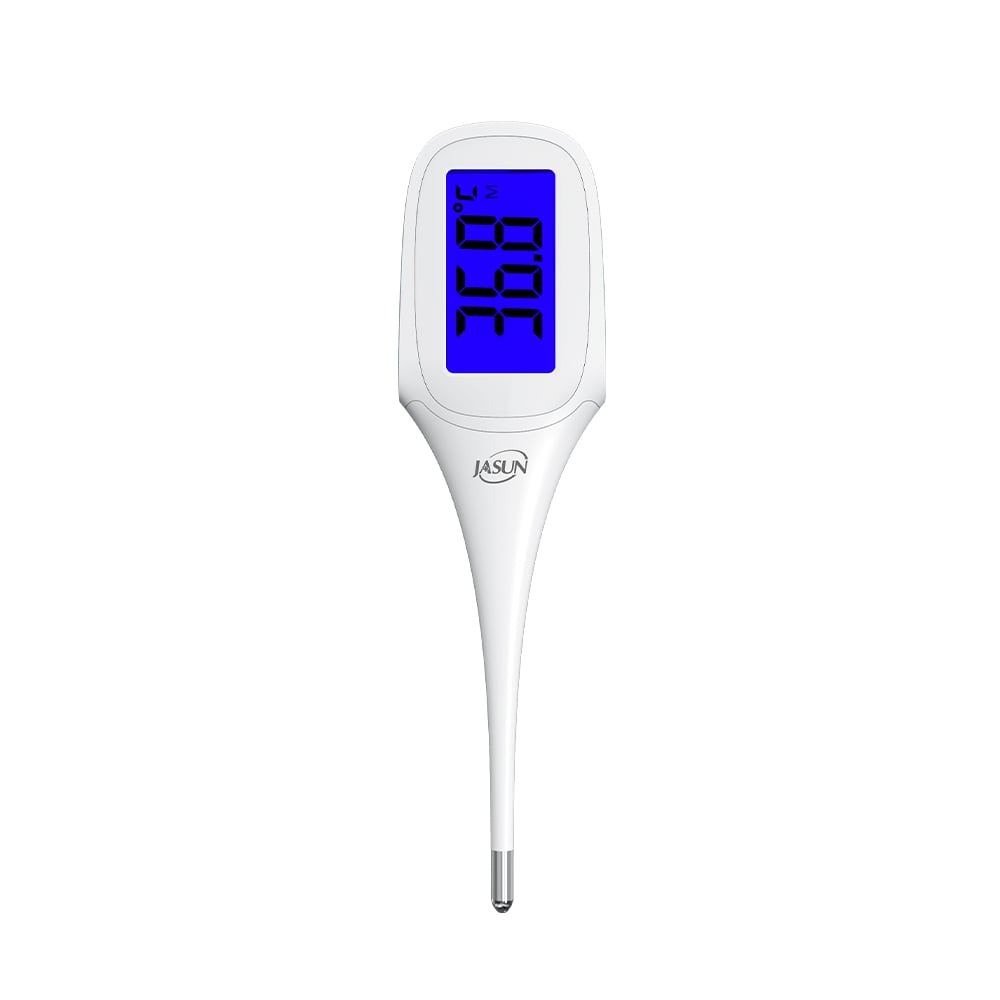
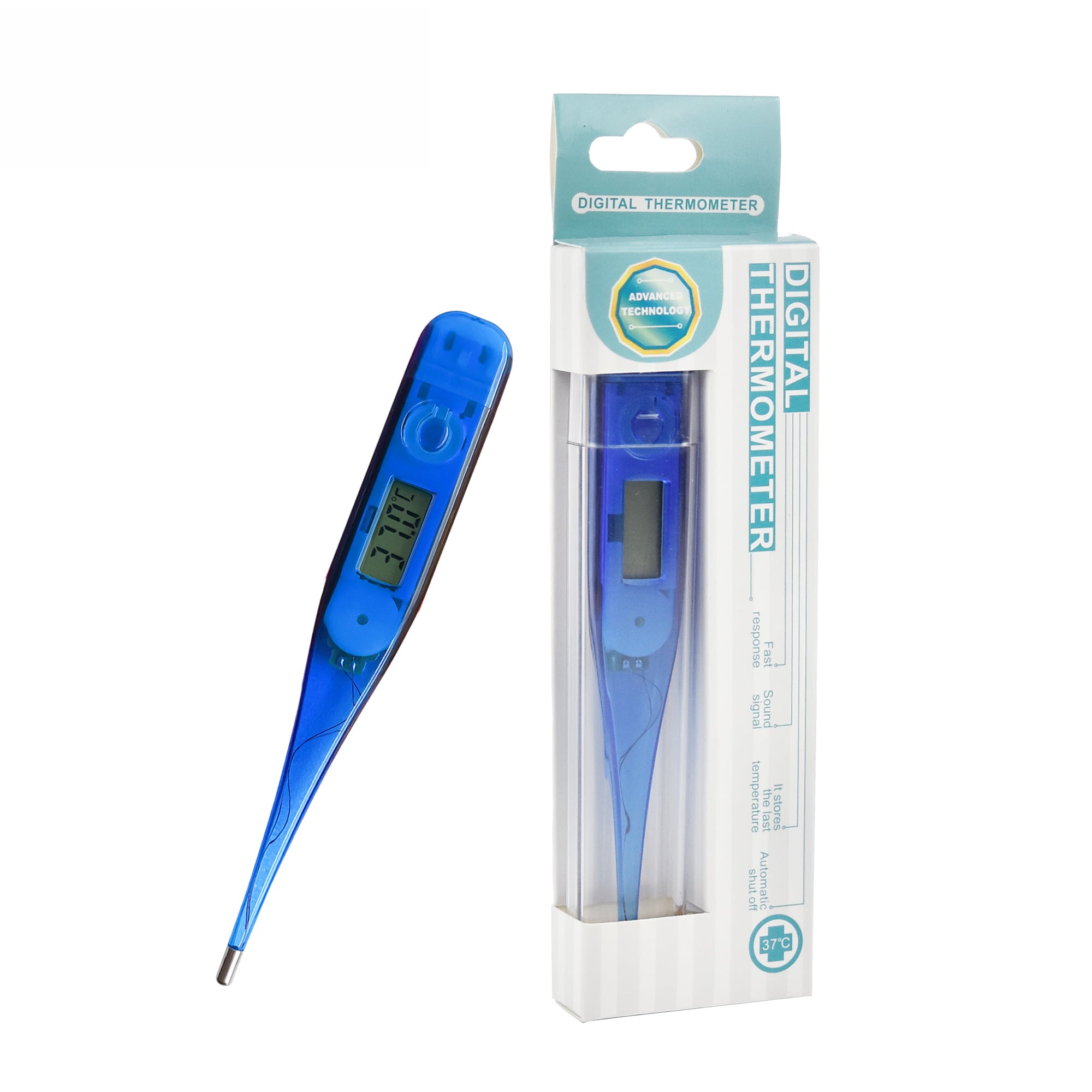
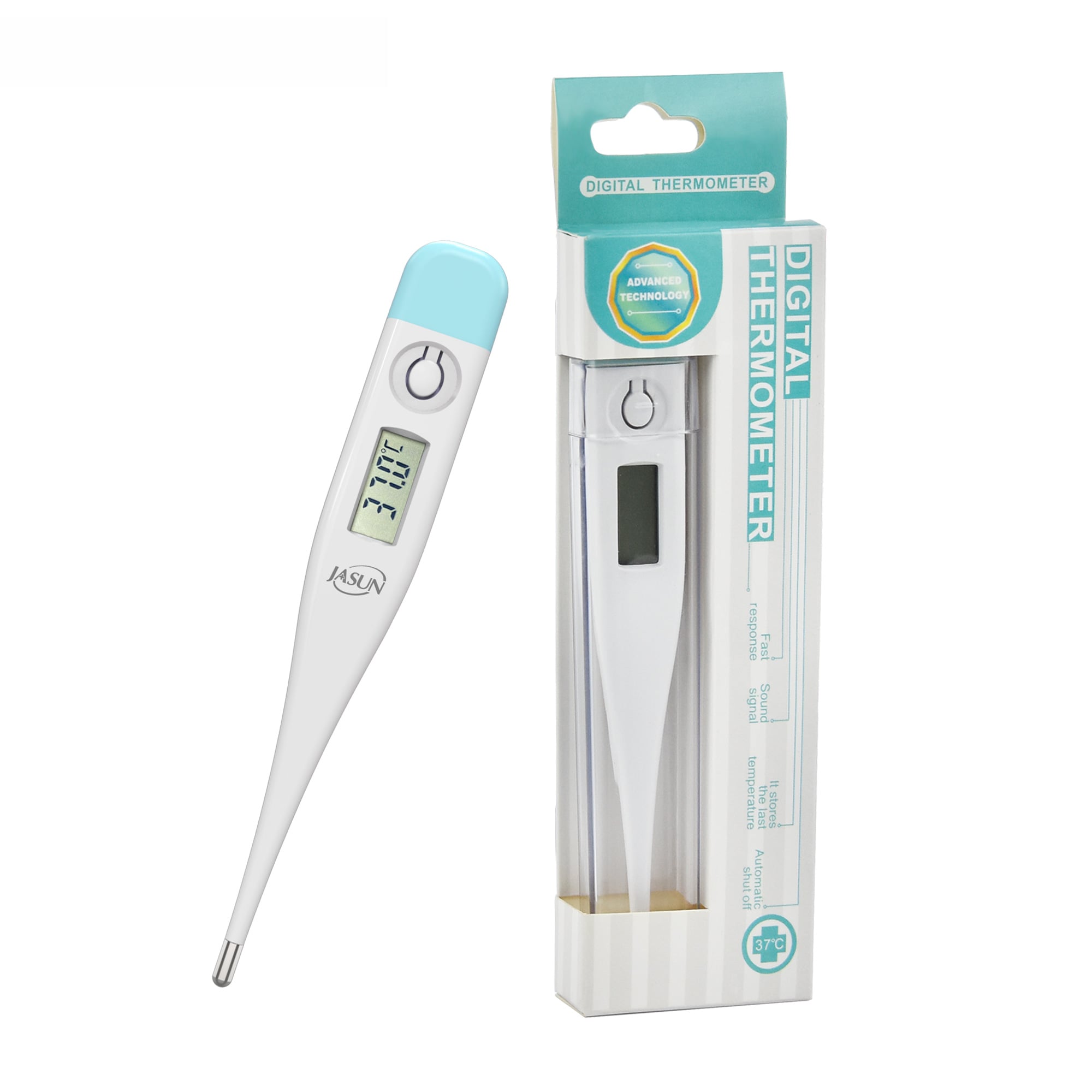
Digital thermometers are essential medical devices used to accurately measure body temperature. For B2B buyers, such as purchasing managers and healthcare distributors, ensuring the reliability and quality of these instruments is paramount. This article delves into critical aspects of digital thermometer, guiding you through key specifications, quality evaluations for bulk orders, installation guidelines, common issues, and cost considerations, empowering you to make informed purchasing decisions.
When selecting a digital thermometer, several specifications are crucial for ensuring precise temperature measurement. Key specifications include:
Measurement Range: Most digital thermometers have a range of 32°C to 42.9°C (89.6°F to 109.2°F), which accommodates typical body temperatures. It's essential to choose a thermometer with an appropriate range for your target applications.
Accuracy: Accuracy is typically reported as ±0.1°C or ±0.2°C. Ensure the thermometer meets the required accuracy standards, as inaccuracies can lead to misdiagnosis or incorrect treatment.
Response Time: This refers to how quickly the thermometer provides a reading, usually within 1 to 60 seconds. Faster response times are advantageous in clinical settings where time is critical.
Display Type: A clear, easy-to-read digital display can enhance usability, especially in low-light environments. Consider backlit displays for improved visibility.
Battery Life: Long battery life is essential for continuous use in medical settings. Check whether the accurate thermometer for fever uses standard batteries for easy replacement or rechargeable options for convenience.
Understanding these specifications helps ensure that the selected digital thermometer meets user needs and application requirements, thus enhancing patient care.
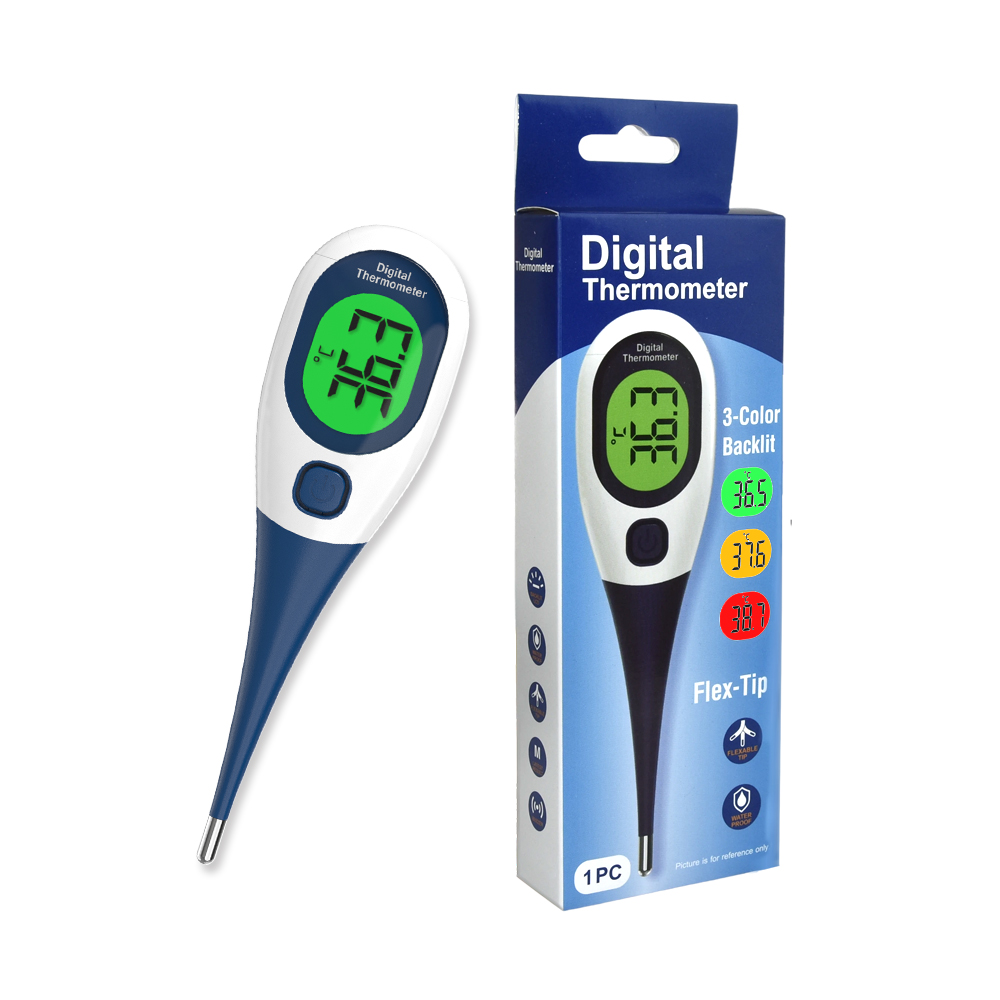
Evaluating the quality of digital thermometers before placing bulk orders is vital to avoid costly mistakes. Here are key considerations:
Certifications: Ensure that the thermometers comply with relevant certifications such as CE, FDA, and ISO13485:2003. These certifications indicate that the product meets safety and quality standards.
Quality Control Processes: Investigate the manufacturer's quality control procedures. Reliable manufacturers conduct rigorous testing throughout the production process to ensure product consistency and reliability.
Material Quality: The materials used in the thermometer construction affect durability and performance. For instance, high-quality plastics and metals can enhance the longevity of the device and its resistance to wear and tear.
Sample Approval: Before placing a bulk order, request samples to evaluate the product firsthand. Check for build quality, accuracy, and usability. Conduct tests to ensure it meets your specifications under typical operating conditions.
Supplier Reputation: Research the manufacturer’s reputation within the industry. Look for reviews, case studies, and testimonials from other businesses to gauge reliability and service quality.
By focusing on these criteria, buyers can confidently select high-quality digital thermometers that meet their specific needs.
Proper installation of digital thermometers is crucial for ensuring accurate measurements across different applications. Here are some guidelines:
Placement: For clinical thermometers, place them in locations that provide easy access for patients, such as examination rooms or nurse stations. In industrial applications, ensure they are positioned in areas where they can monitor temperature without obstruction.
Calibration: Before first use, calibrate the thermometer according to the manufacturer's instructions. Regular recalibration may be necessary to maintain accuracy, especially in environments with fluctuating temperatures.
Environmental Conditions: Be aware of the operating environment. Digital thermometers should be installed away from direct sunlight or extreme environmental conditions, which can affect their performance.
Training: Ensure that staff members are trained on how to use the digital infrared thermometer correctly. This includes understanding how to read the display, interpret results, and perform any necessary maintenance.
Following these guidelines will help ensure that digital thermometers function effectively in their intended applications.
While digital thermometers are generally reliable, users may encounter some common issues:
Inaccurate Readings: If a thermometer provides inconsistent readings, check the battery level, ensure proper placement, and verify calibration. If problems persist, consider contacting the manufacturer for support.
Display Malfunctions: A malfunctioning display may occur due to battery issues or internal faults. Replace the battery first; if the problem continues, it may require professional servicing or replacement.
Slow Response Time: If the thermometer takes longer than usual to provide readings, it could be a sign of battery depletion or internal malfunction. Regular maintenance checks can help identify and address these issues early.
Environmental Interference: External factors such as humidity or direct sunlight can influence readings. Ensure the thermometer is used in a controlled environment to minimize these effects.
Recognizing these common problems and their solutions can enhance the longevity and reliability of digital thermometers.
When planning to purchase digital thermometers in bulk, several cost factors must be considered to optimize your investment:
Unit Price vs. Total Cost: While lower unit prices can be attractive, consider the total cost of ownership, including maintenance, calibration, and potential replacement costs. Quality thermometers may have a higher upfront cost but can save money in the long run due to their durability.
Minimum Order Quantity (MOQ): Different manufacturers have varying MOQs, which can influence your purchasing decision. Be prepared to negotiate these terms based on your needs.
Shipping and Handling Costs: Factor in shipping costs, which can vary based on order size, destination, and shipping method. Consider the impact of shipping delays on your operations when planning orders.
Customizations: If you require specific features or branding on the thermometers, customization can affect pricing. Discuss these options with your supplier early in the negotiation process.
Warranty and Support: Ensure that the purchase includes a warranty and support services. A good warranty can protect your investment and minimize costs related to repairs or replacements.
Taking these factors into account will help you make informed decisions that align with your budget and operational needs.
JASUN is a registered trademark of Hangzhou Hua'an Medical & Health Instruments Co.,Ltd. Your first option for premium thermometer suppliers in China with CE, MDR, ISO13485:2003, FDA and BSCI certificates.
Our location: Building 2,1# Fuzhu Nan RD, Wuchang Town, Yuhang District, Hangzhou, Zhejiang 310023, China
HOURS: 8:30AM - 6:00PM
Copyright © Hangzhou Hua'an Medical & Health Instruments Co.,Ltd. All Rights Reserved Blog Privacy Policy
 EN