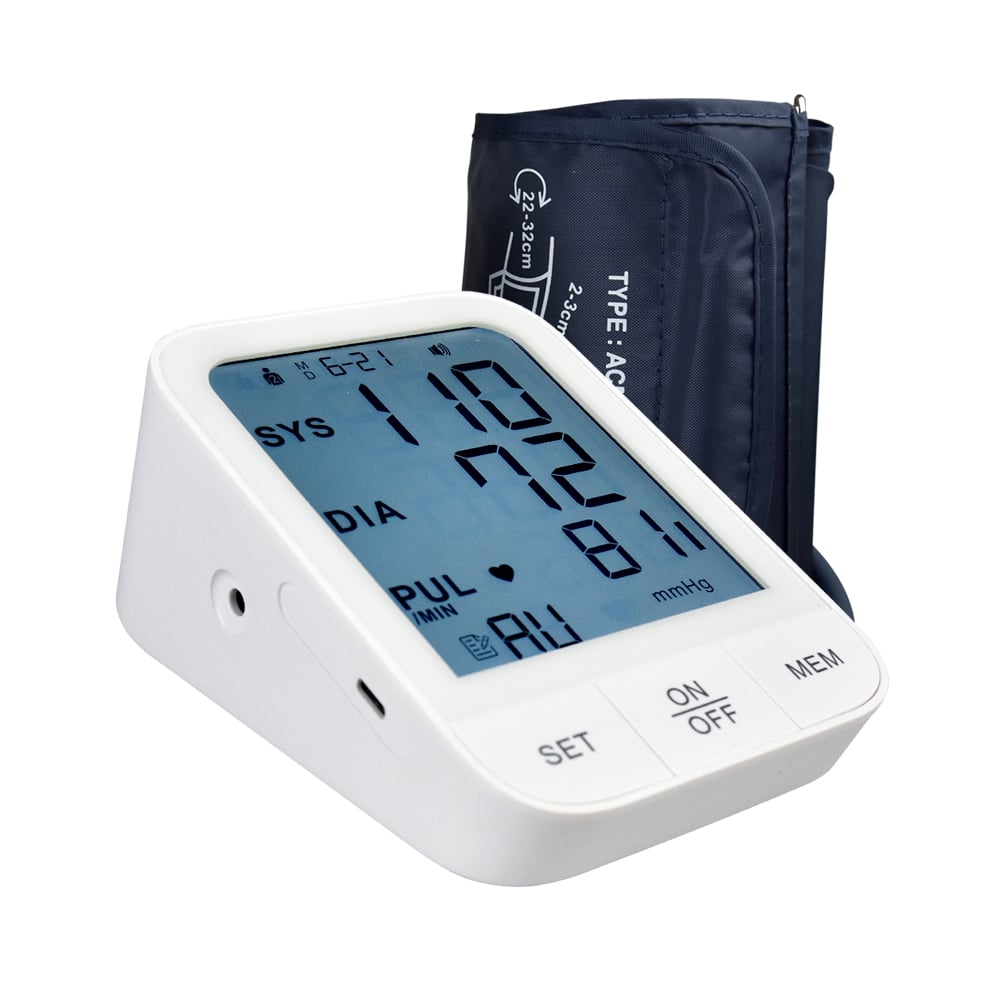
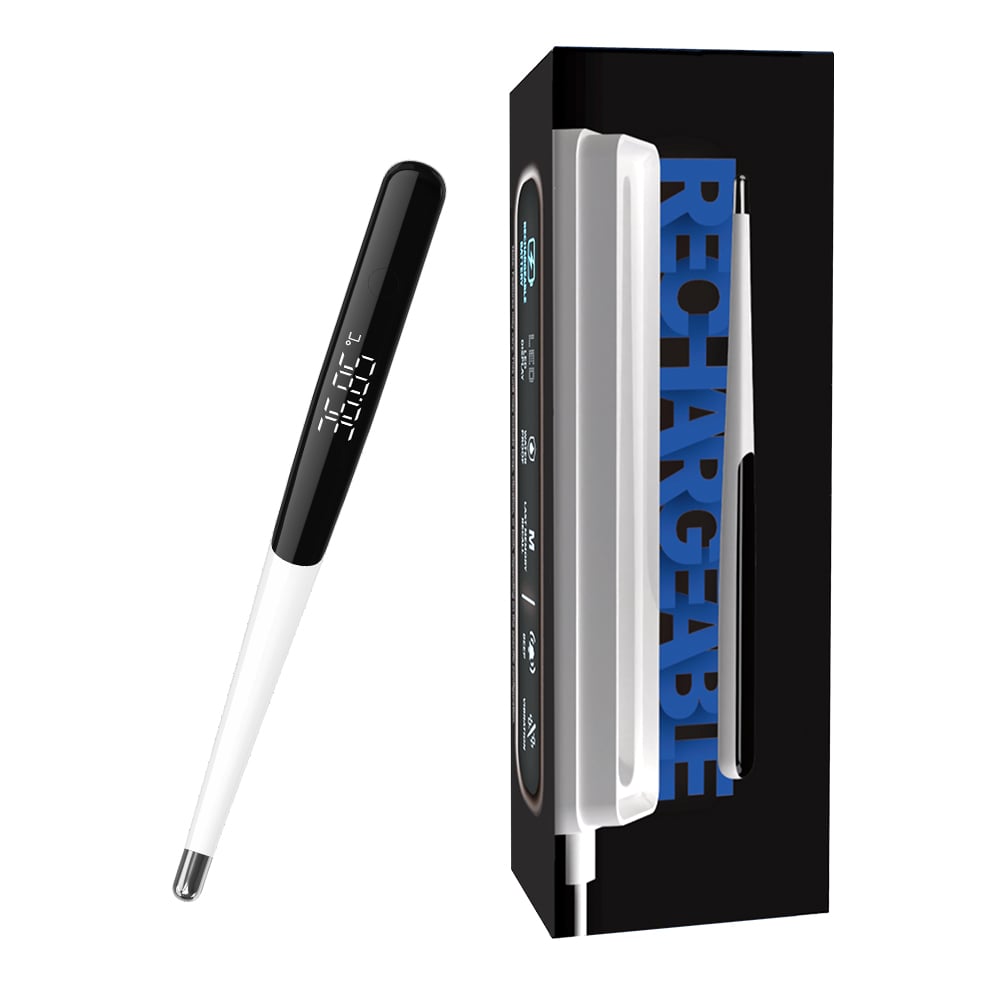
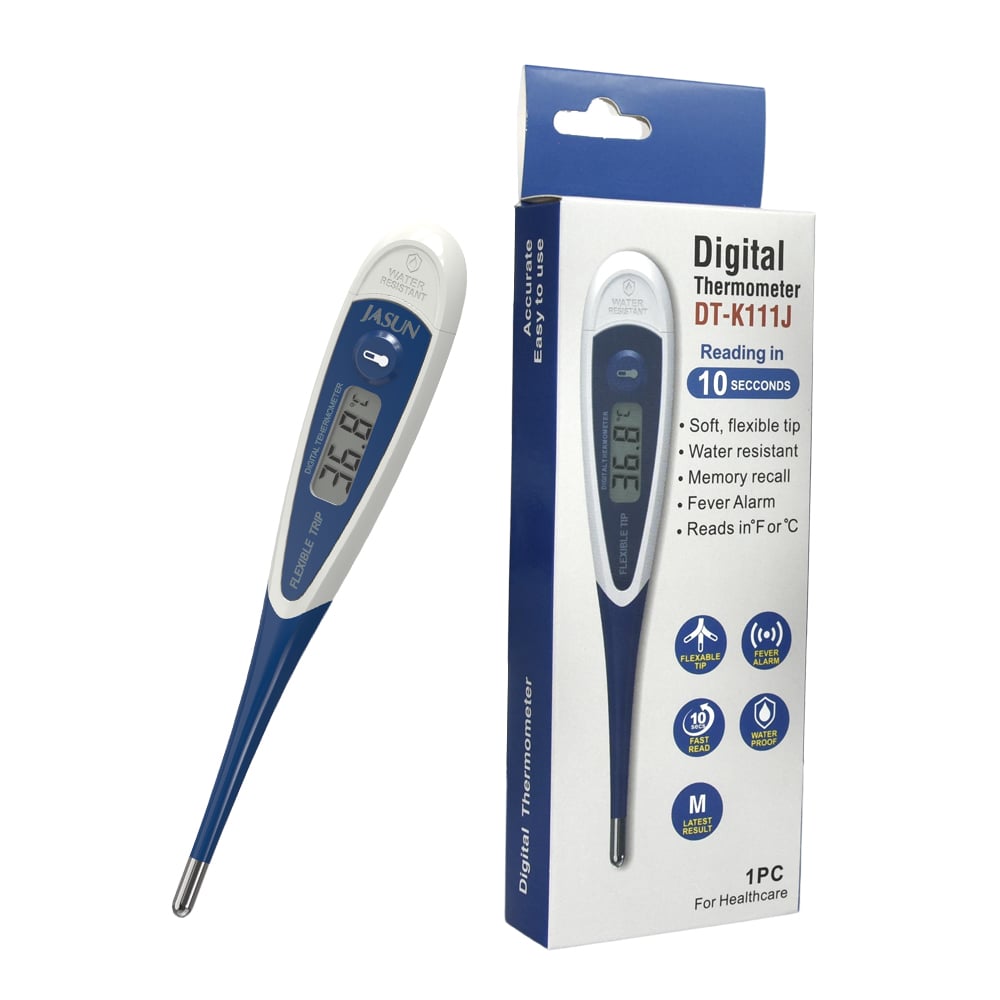
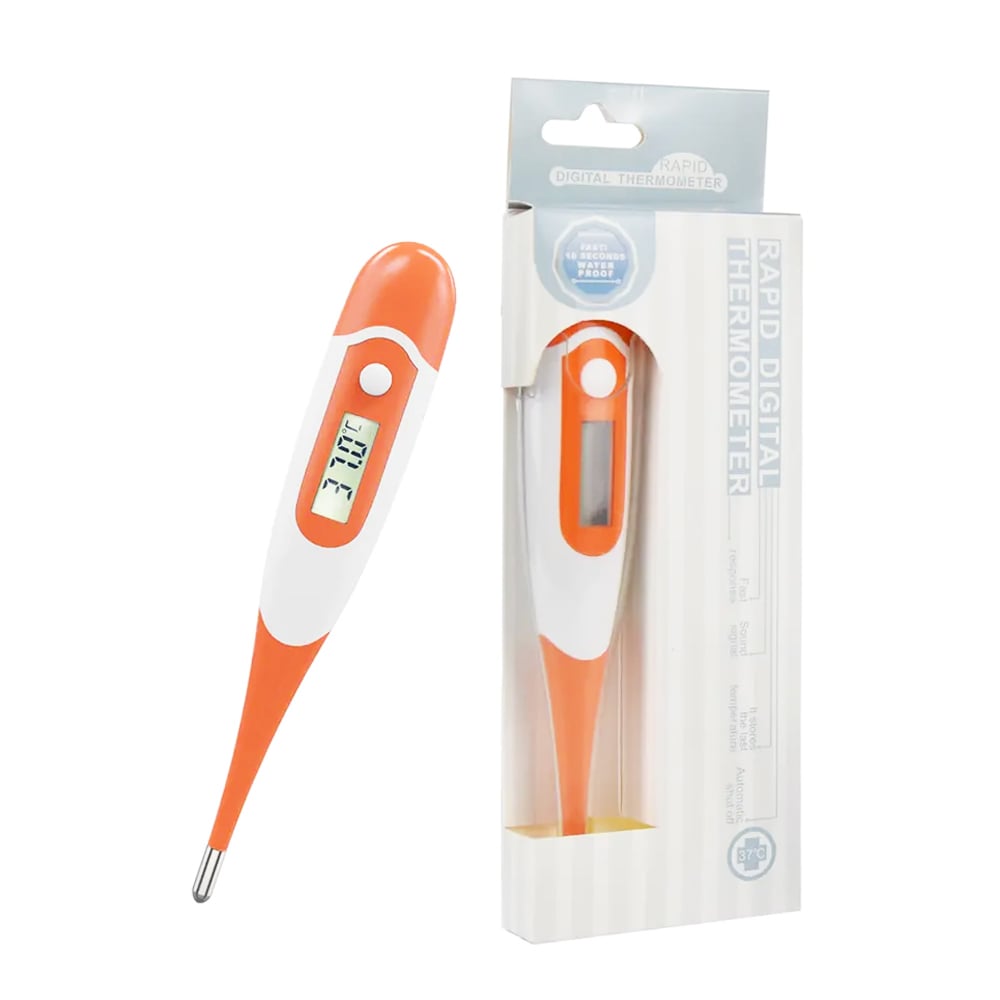
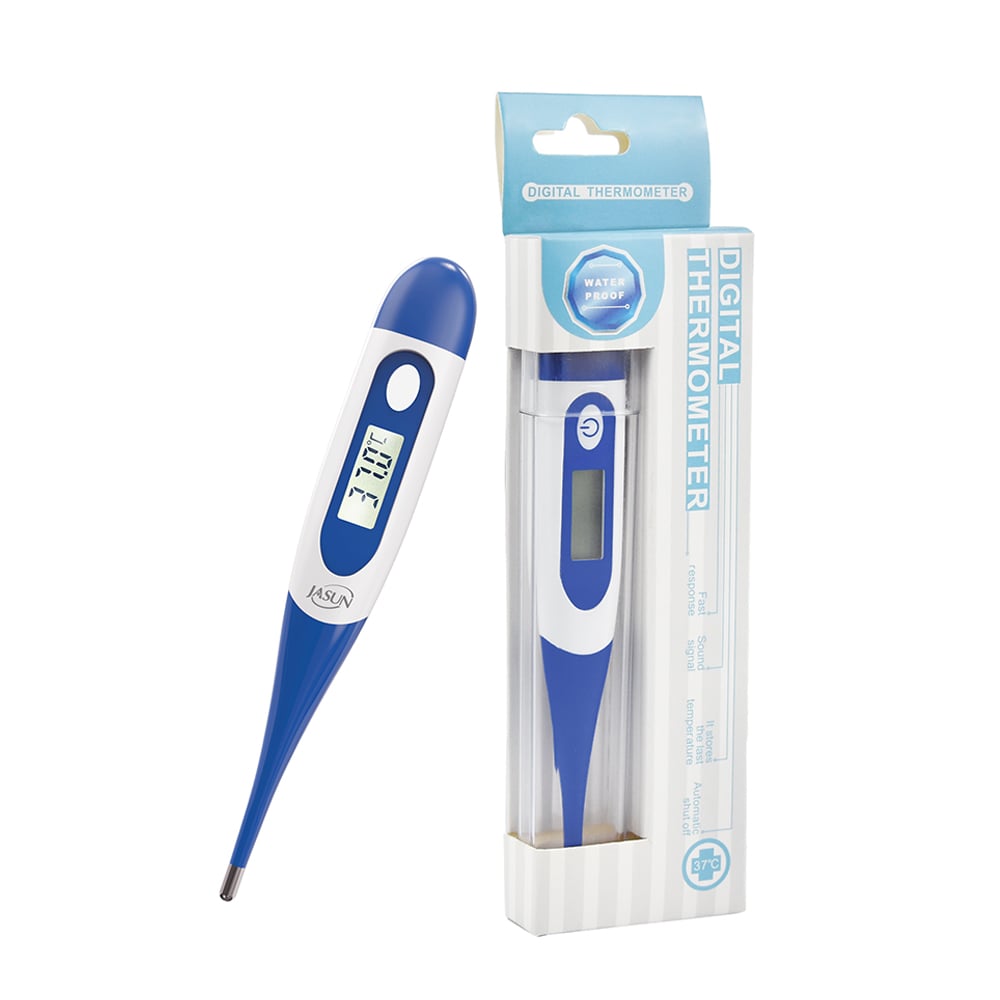
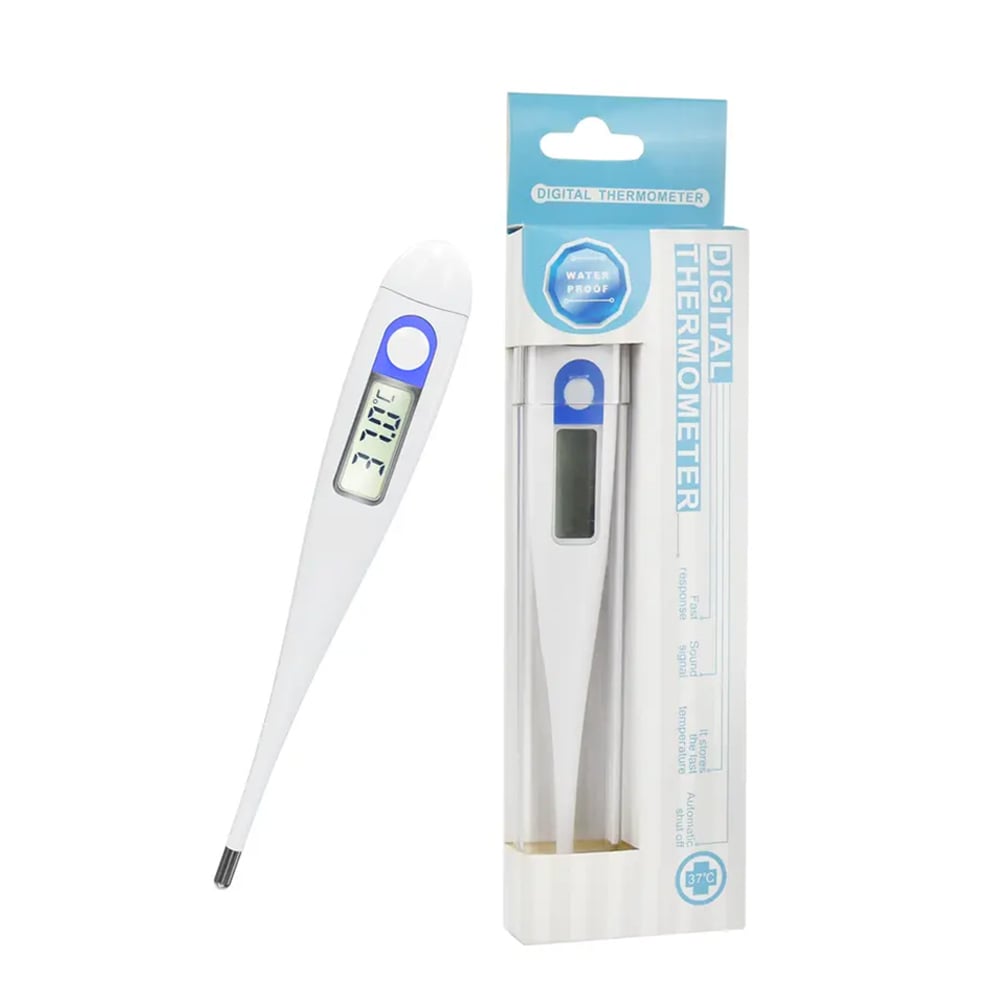
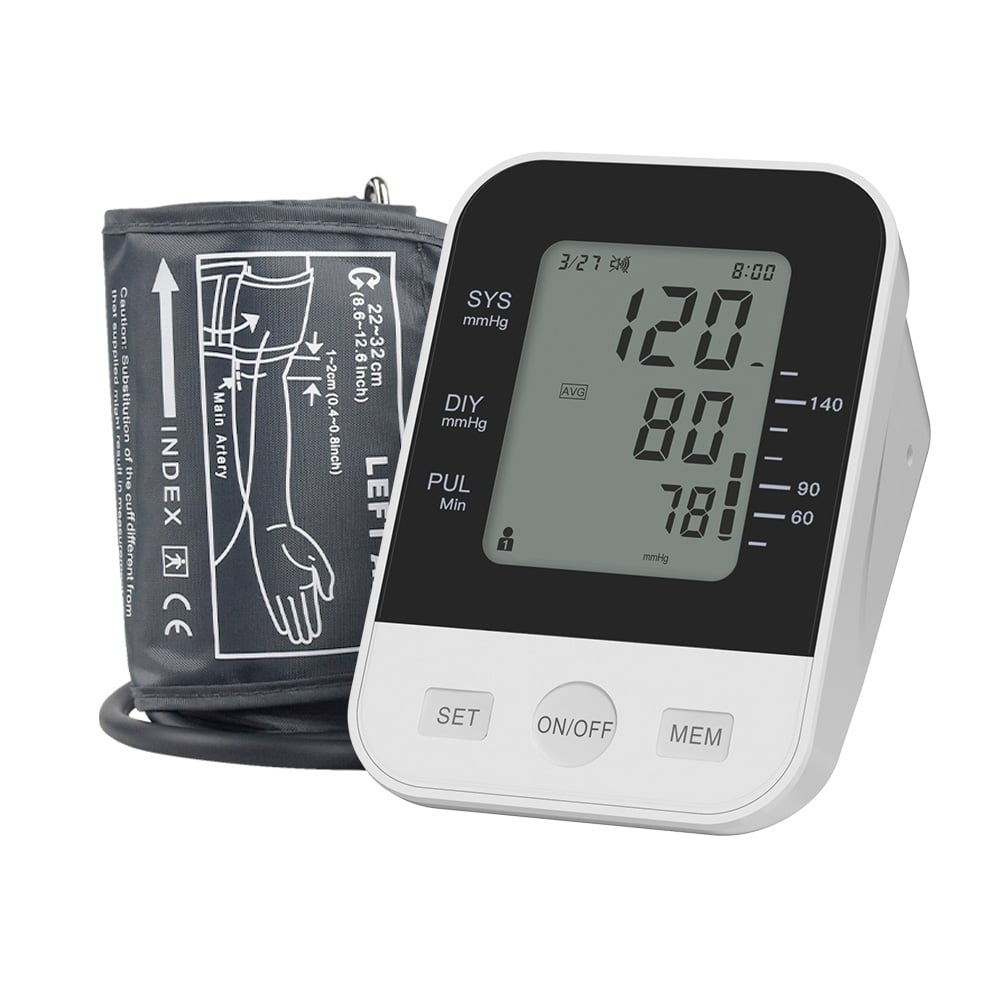
Digital thermometers for oral use are essential tools in healthcare and various commercial settings, providing accurate and quick temperature readings for patient monitoring and diagnostics. When sourcing these devices in bulk, B2B buyers often have concerns regarding quality, reliability, and specifications. This article will guide you through selecting the Hangzhou Huaan right oral thermometer for oral use, key specifications to evaluate, sourcing reliable suppliers, installation guidelines for medical settings, and cost factors to consider when making your purchase.
When purchasing digital thermometers for oral use in bulk, it's crucial to consider several factors that influence both performance and user experience. First, determine the intended applications, such as clinical settings, home healthcare, or educational environments. This will influence the choice of thermometer features. For example, thermometers designed for clinical use may prioritize accuracy and speed, while those for home use may emphasize ease of reading and comfort.
Next, assess the desired features. Some digital thermometers come equipped with advanced functionalities like fever alerts, memory storage for previous readings, and backlit displays for ease of use in low-light conditions. It's also essential to evaluate the design—thermometers with ergonomic shapes and soft tips can enhance patient comfort, which is particularly important in pediatric applications.
Finally, consider the capacity for customization. As a leading manufacturer, Hangzhou Huaan Medical Health Instruments Co., Ltd. offers OEM/ODM capabilities, enabling buyers to align the product design and features with their brand requirements. This can include custom packaging, branding, and even specific color schemes that match your corporate identity.
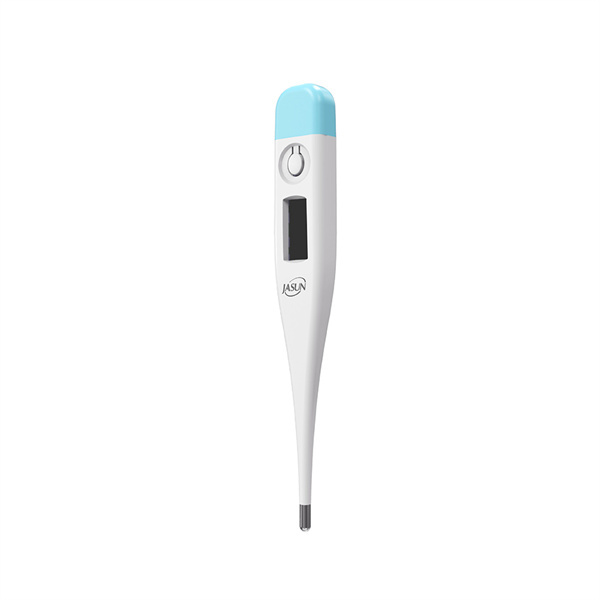
When evaluating digital thermometers for oral use, several key specifications should be prioritized to ensure their effectiveness and reliability:
Accuracy: Look for thermometers with a proven accuracy rating, typically within ±0.1°C. This is vital for accurate patient assessments and diagnosis.
Response Time: The speed at which a thermometer provides a reading can significantly affect its usability. Many high-quality digital thermometers provide results within 10 seconds or less, which is ideal for busy clinical environments.
Display Type: A clear, easy-to-read display is essential, especially for elderly users or those with impaired vision. Consider thermometers with large, backlit LCD screens for enhanced visibility.
Battery Life: Long-lasting batteries reduce the need for frequent replacements. Look for models that indicate battery life or have low battery indicators.
Material and Durability: The materials used in the thermometer should be non-toxic and resistant to breakage, ensuring safety in various settings. Medical-grade plastics are commonly used for their durability and ease of cleaning.
Calibration: Ensure that the thermometer's calibration is easily adjustable or that the supplier provides calibration services. Regular calibration is crucial for maintaining accuracy over time.
By focusing on these specifications, buyers can select thermometers that meet both operational requirements and regulatory standards, ensuring reliability in temperature measurement.
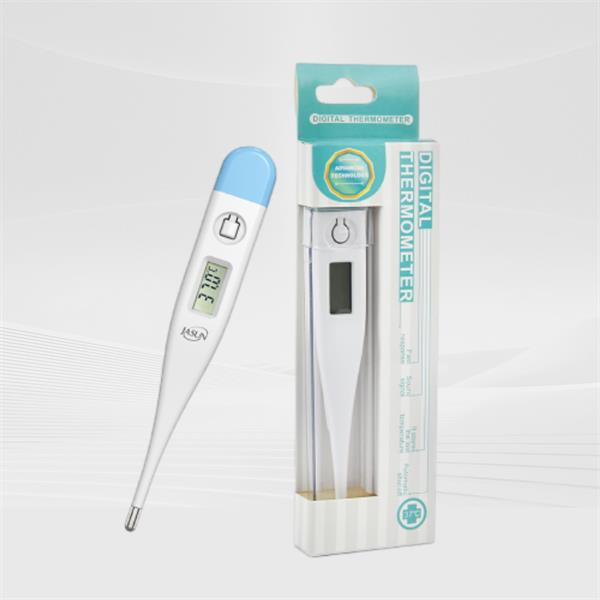
Sourcing reliable suppliers for digital oral thermometers can significantly impact the quality and performance of your products. Start by attending industry trade shows and exhibitions, where manufacturers and suppliers showcase their latest innovations. This direct interaction allows you to assess the product quality firsthand and engage in discussions about customization options.
Online B2B marketplaces and directories can also provide a wealth of supplier options. Look for manufacturers with strong reputations, positive reviews, and relevant certifications such as CE, ISO 13485:2003, and FDA approval. These certifications indicate adherence to international quality standards, providing an added layer of trust in the supplier's capabilities.
Additionally, consider establishing relationships with suppliers who have extensive experience in the medical equipment sector. Companies like Hangzhou Huaan Medical Health Instruments Co., Ltd. have been in the industry since 1997, showcasing a long-standing commitment to quality and innovation. A supplier with a robust R&D department can offer insights into the latest technologies and trends in clinical thermometer oral, helping you stay competitive in your market.
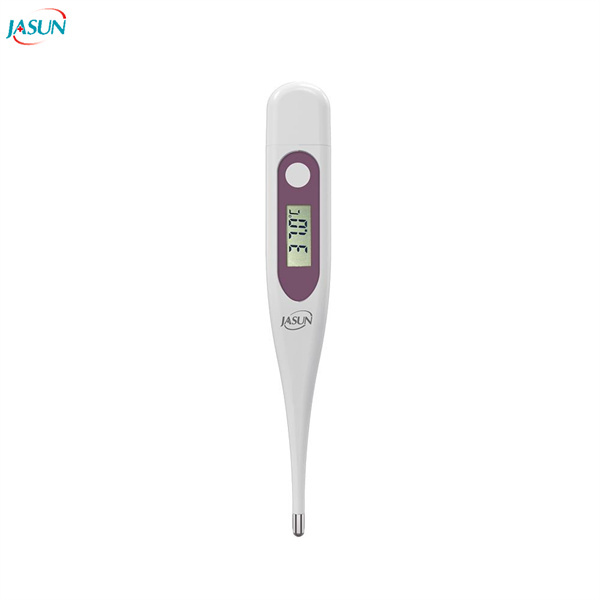
Proper installation and usage of digital oral thermometers in medical settings are critical to ensuring accurate readings and compliance with health regulations. Here are some essential guidelines:
Training: Ensure that all staff members are trained on the proper usage and calibration of digital thermometers. This includes understanding how to operate the device, interpret results, and maintain hygiene protocols.
Site Preparation: Install thermometers in designated areas that are free from direct sunlight and extreme temperature fluctuations. This helps maintain the accuracy of readings.
Calibration Check: Before initial use, perform a calibration check according to the manufacturer's instructions. This step is vital for confirming that the device provides accurate temperature readings.
Hygiene Practices: Implement strict hygiene protocols, such as using disposable covers for the thermometer tips, to prevent cross-contamination. Regular cleaning and disinfecting of the devices are also necessary.
Regular Maintenance: Establish a routine maintenance schedule to check the functionality of the thermometers. This includes battery checks and software updates if applicable.
Following these installation guidelines will help ensure that digital oral thermometers provide reliable and accurate readings, essential in medical settings where patient care is paramount.
When evaluating the costs associated with purchasing digital oral thermometers, several factors come into play. Understanding these factors can help in making informed purchasing decisions:
Unit Price: The price per unit can vary significantly based on features, brand reputation, and supplier. It’s essential to compare prices across multiple suppliers while considering the features offered.
Minimum Order Quantity (MOQ): Many manufacturers set a minimum order quantity, which can impact pricing. Understanding the MOQ can help you budget effectively and avoid overstocking.
Customization Costs: If you require customization, such as branded packaging or specific functionality, factor in these additional costs. Customization can enhance brand identity but may lead to higher initial investments.
Shipping and Handling: Shipping costs can significantly affect the total purchase price. Consider logistics and potential tariffs for Hangzhou Huaan oral clinical thermometer international orders, especially if sourcing from overseas suppliers.
Warranty and Support: Evaluate the warranty and post-purchase support offered by the supplier. A robust warranty can save costs in the long run by covering potential malfunctions or defects.
Volume Discounts: Many suppliers offer discounts for bulk purchases. Inquire about pricing tiers based on order volume, which can result in significant savings for large orders.
By considering these cost factors, buyers can better navigate the purchasing process and ensure they invest in quality digital oral thermometers that meet their budgetary constraints and operational needs.
JASUN is a registered trademark of Hangzhou Hua'an Medical & Health Instruments Co.,Ltd. Your first option for premium thermometer suppliers in China with CE, MDR, ISO13485:2003, FDA and BSCI certificates.
Our location: Building 2,1# Fuzhu Nan RD, Wuchang Town, Yuhang District, Hangzhou, Zhejiang 310023, China
HOURS: 8:30AM - 6:00PM
Copyright © Hangzhou Hua'an Medical & Health Instruments Co.,Ltd. All Rights Reserved Blog Privacy Policy
 EN