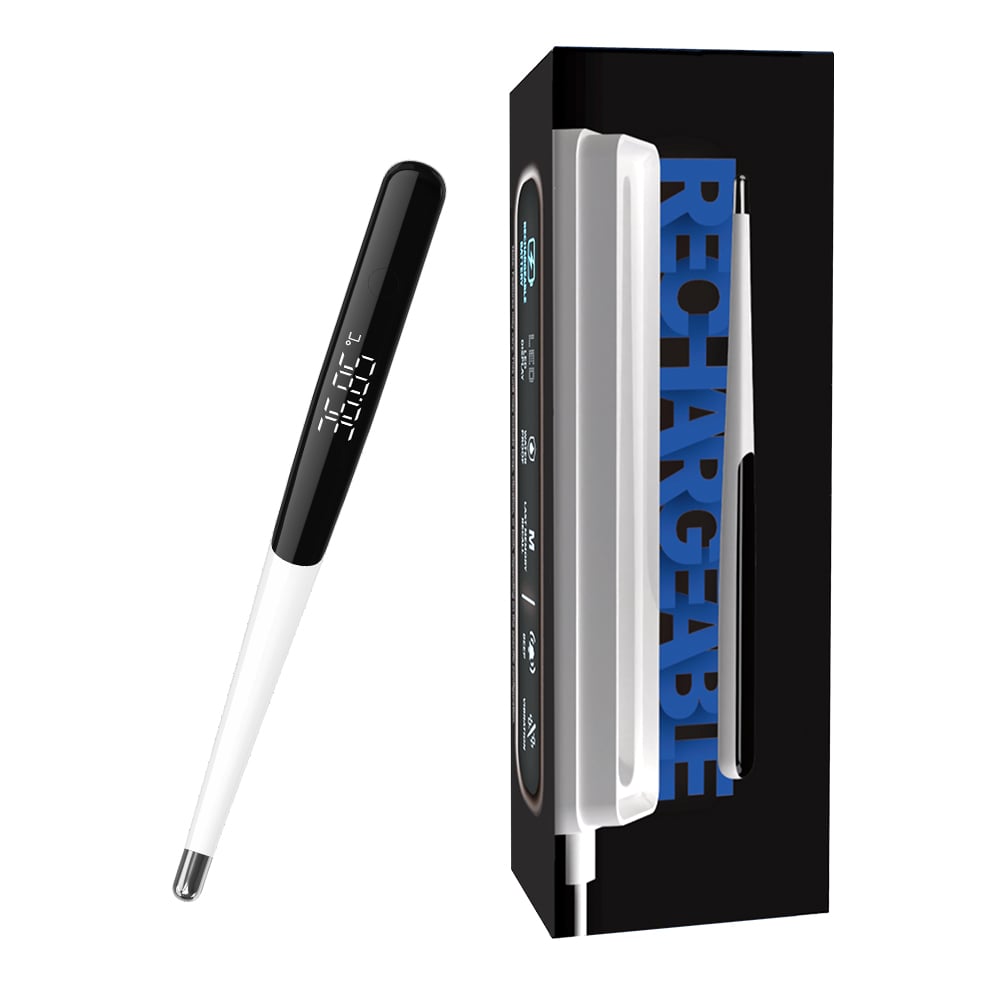
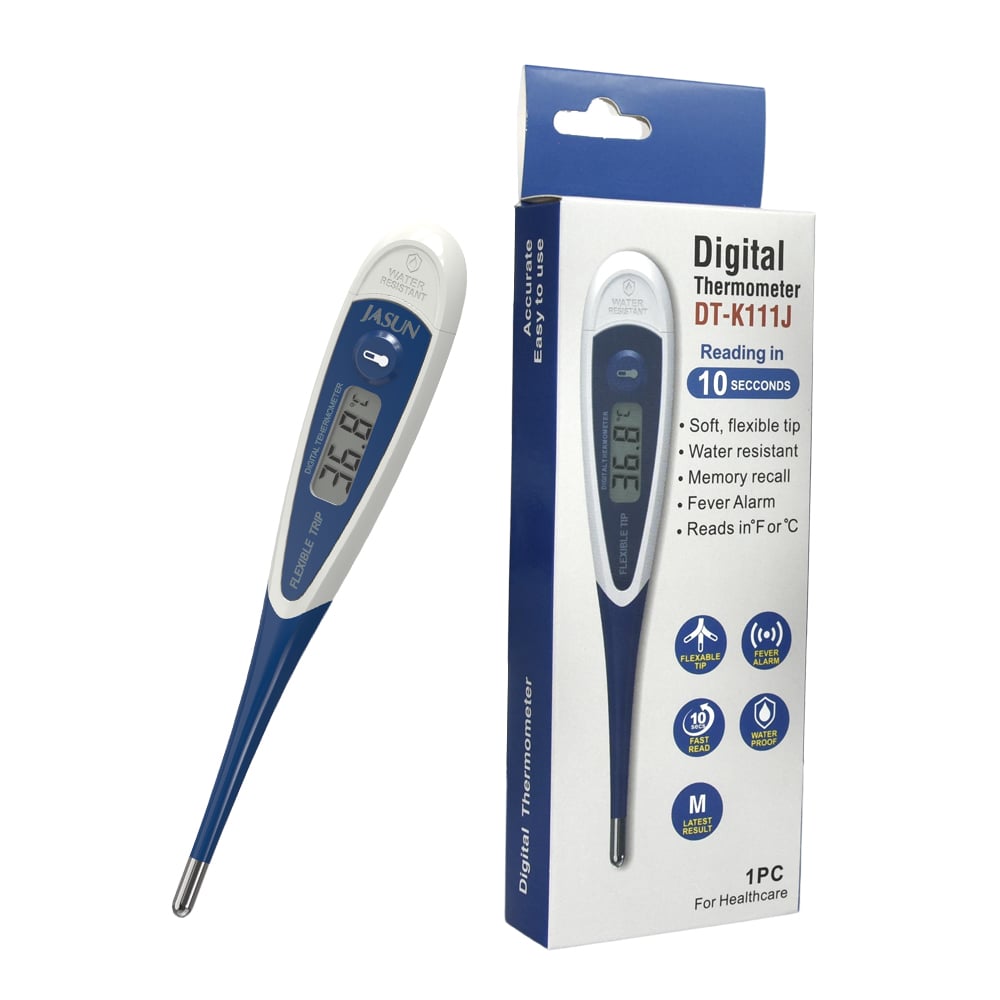
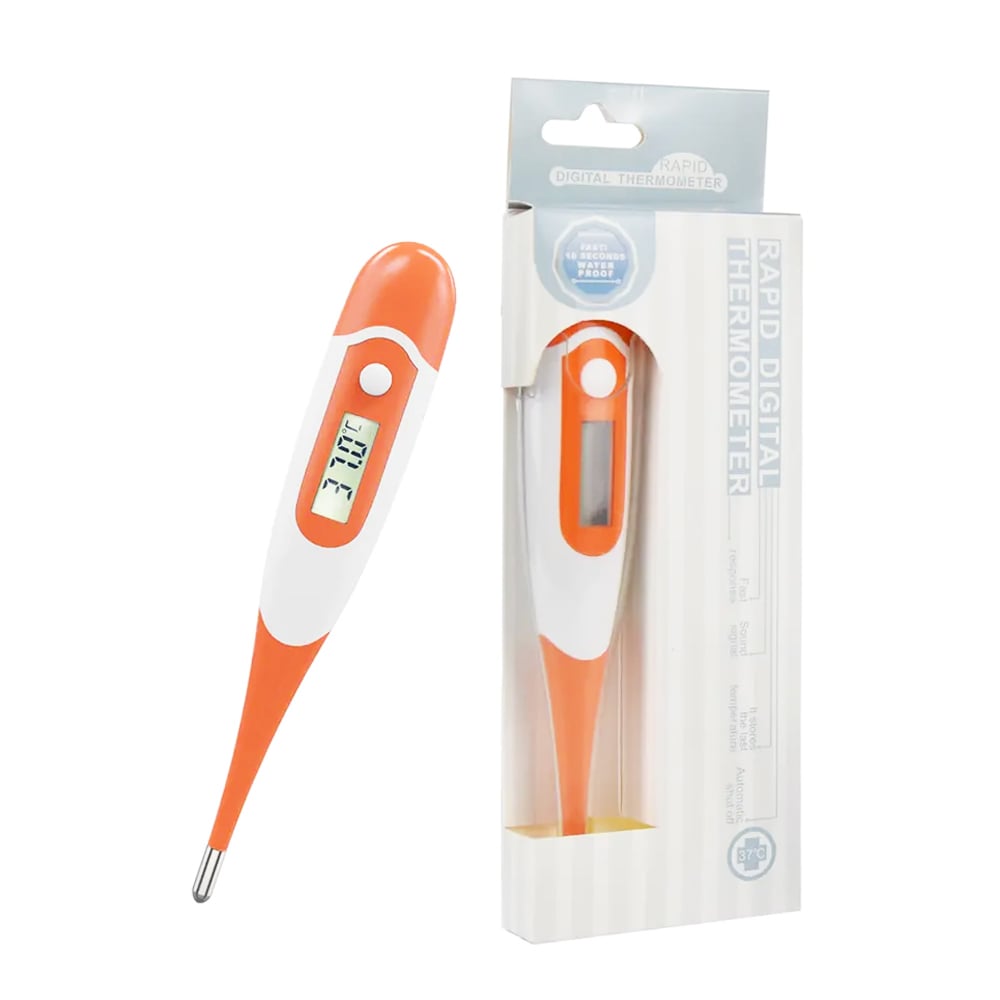
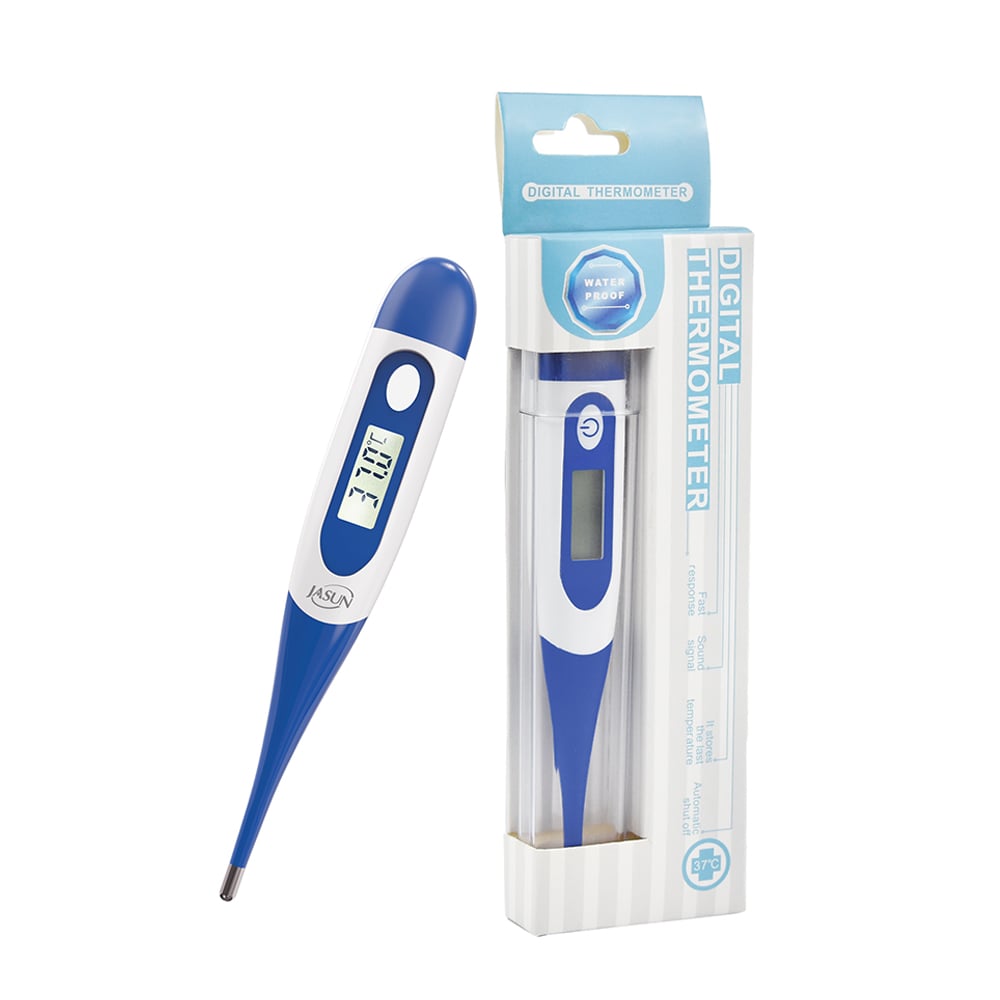
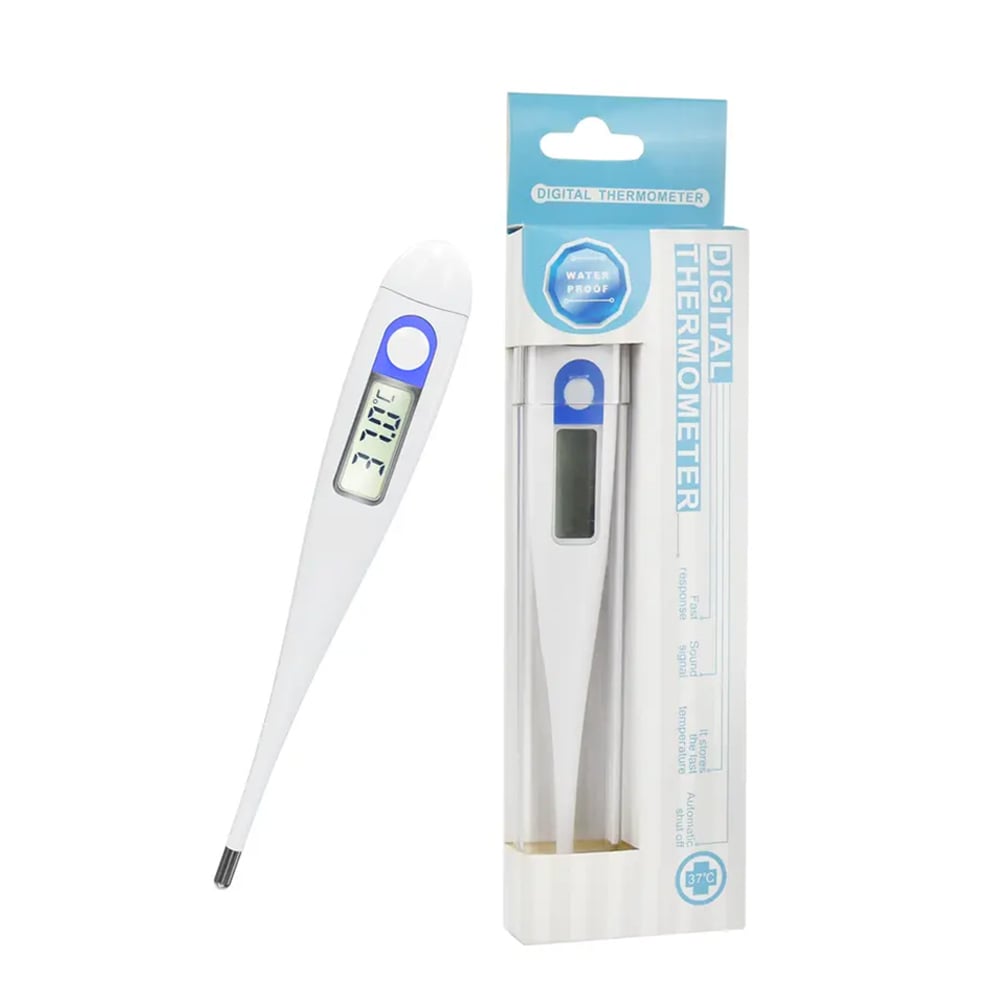
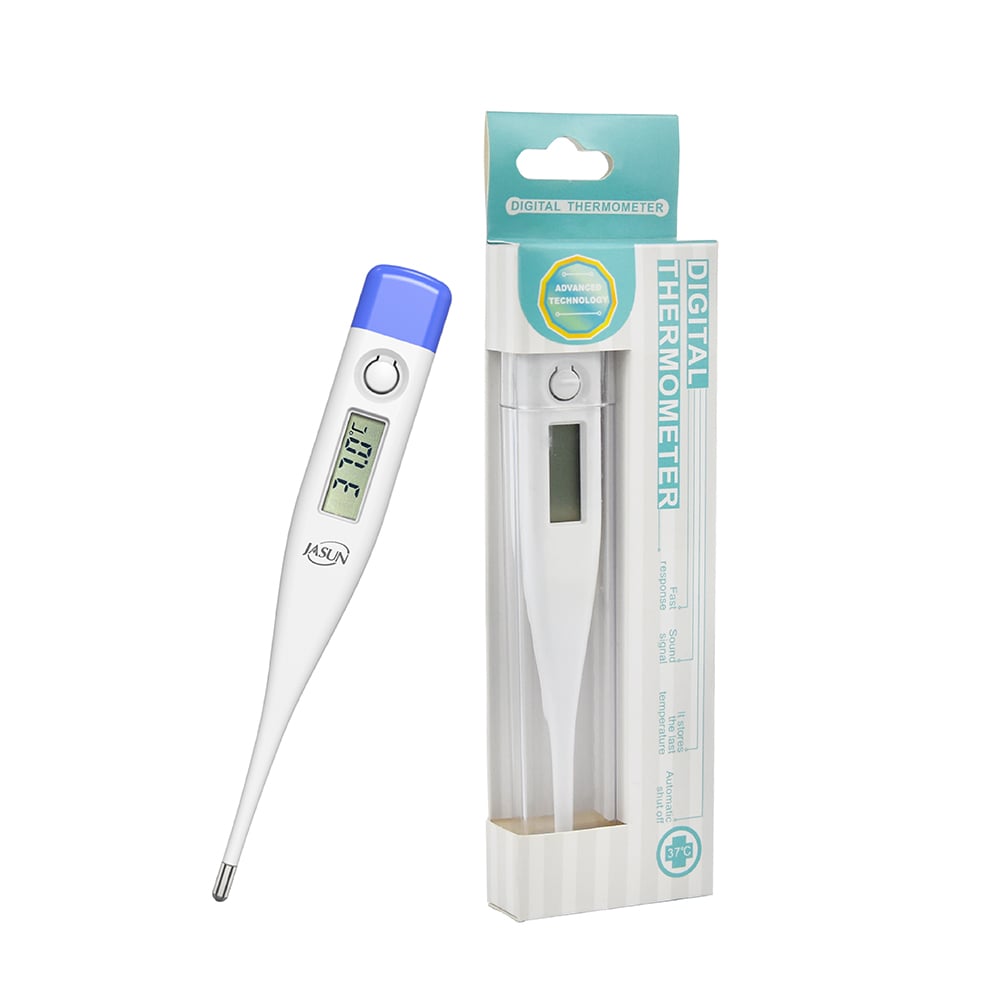
Digital thermometers for infants are essential tools for accurately measuring body temperature, providing peace of mind for parents and caregivers. With the increasing emphasis on health and safety, especially for vulnerable populations like infants, purchasing managers and medical professionals need to ensure they select reliable, high-quality devices. This article outlines key specifications, evaluates supplier reliability, discusses cost factors for bulk orders, provides installation practices, and explains material advantages in digital thermometer designed for infants.
When selecting a digital thermometer for infants, several key specifications should be considered to ensure accuracy and comfort.
Accuracy: A high-quality thermometer should have an accuracy of ±0.1°C (±0.2°F) to ensure reliable readings, which is crucial for effective health monitoring.
Response Time: Look for thermometers that provide readings within 1-3 seconds. Quick results are especially important in cases of fever where timely intervention may be necessary.
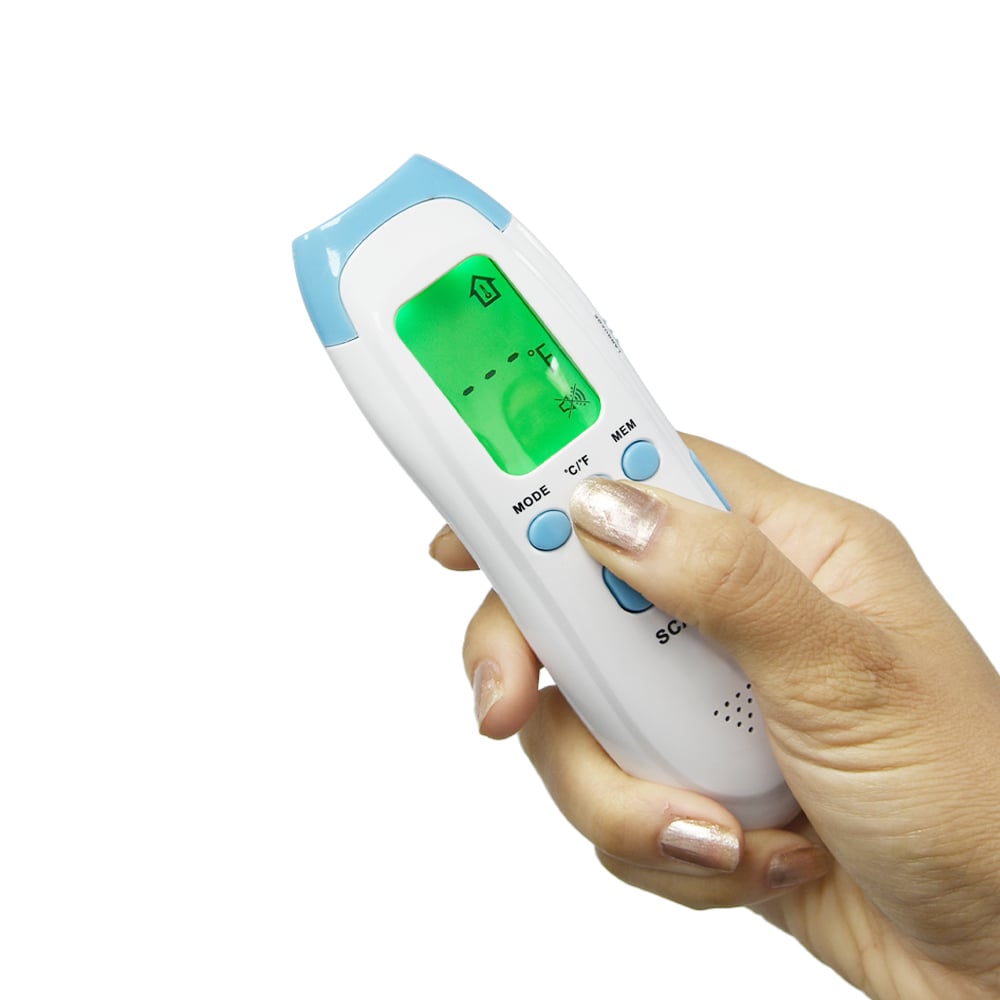
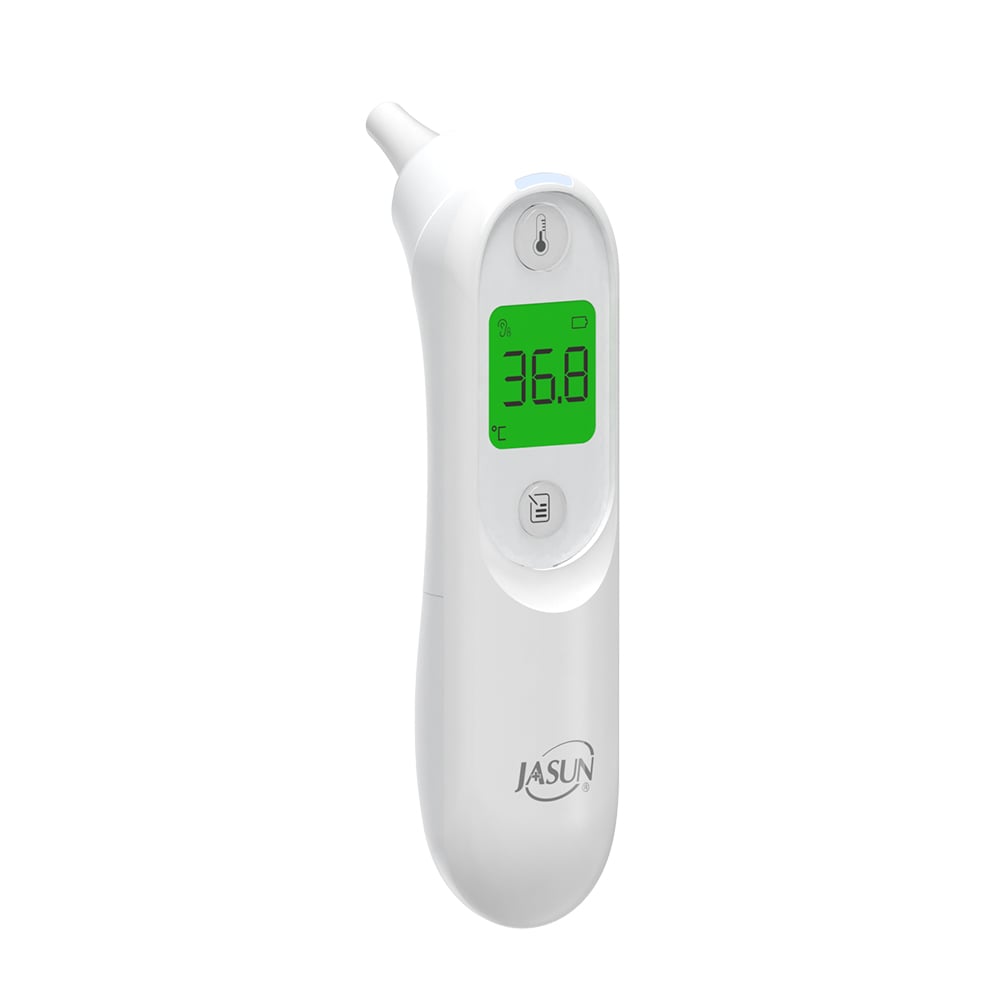
Measurement Mode: Options for measuring temperature via the forehead, ear, or rectally can enhance usability. Each method has its advantages; for example, rectal measurements are often deemed the most accurate for infants.
Display Features: An easy-to-read digital display with a backlight can facilitate use in low-light conditions, which is often the case during nighttime checks.
Battery Life: Long-lasting battery life (typically over 1000 measurements) reduces the frequency of battery replacements, ensuring that the thermometer is always ready for use.
Comfort and Safety Features: Thermometers should be designed with soft, rounded tips and, if applicable, be made from materials that are safe for infants to minimize discomfort during use.
These specifications not only affect the performance of the digital thermometer for infants but also enhance the overall user experience, which is essential for caregivers managing an infant's health.
Choosing a reliable supplier for digital thermometers is critical for maintaining quality standards. Here are key factors to consider:
Certifications: Ensure the supplier holds relevant certifications such as CE, ISO13485:2003, and FDA approvals. These certifications confirm compliance with international quality and safety standards, which is crucial in the medical device industry.
Experience and Reputation: Look for suppliers with a proven track record in the medical device sector. Established manufacturers, like Hangzhou Huaan Medical Health Instruments Co., Ltd., have years of experience and can provide insights into product reliability and performance.
R&D Capabilities: Suppliers with strong research and development capabilities can offer innovative products that meet evolving market needs. This is particularly important for customization and adapting to specific buyer requirements.
Quality Control Processes: Inquire about the supplier’s quality control processes. Reliable suppliers should have rigorous testing protocols in place to ensure every unit meets specified accuracy and safety standards.
Customer Support: A responsive customer support team can significantly enhance the purchasing experience. Reliable suppliers should be willing to assist with inquiries, provide technical support, and handle any issues that arise post-purchase.
Evaluating these aspects will help ensure that you partner with a trustworthy supplier who meets your quality and service expectations.
When placing bulk orders for digital thermometers, various cost factors should be taken into account:
Unit Price: The primary consideration is the unit price, which can vary significantly based on specifications and features. Request quotations from multiple suppliers to compare prices effectively.
Minimum Order Quantity (MOQ): Some manufacturers have a MOQ, which can impact your total investment. Understanding the MOQ can help in planning your purchases and inventory management.
Customization Fees: If you require customized features, expect additional costs. Customization can be beneficial for branding or unique market needs but should be budgeted accurately.
Shipping and Logistics: Factor in shipping costs, which can vary depending on distance, volume, and shipping method. Discuss these details with suppliers to ensure a complete understanding of the total cost.
Lead Time: The time taken from order placement to delivery can affect your operational plans. Ensure you account for lead times in your purchasing strategy, particularly if you anticipate high demand.
Warranty and Service Costs: Consider the warranty offered and any associated service costs. A longer warranty may indicate higher quality and reduce future expenses related to maintenance or replacements.
By factoring in these elements, you can make informed decisions that align with your budget and operational timelines.
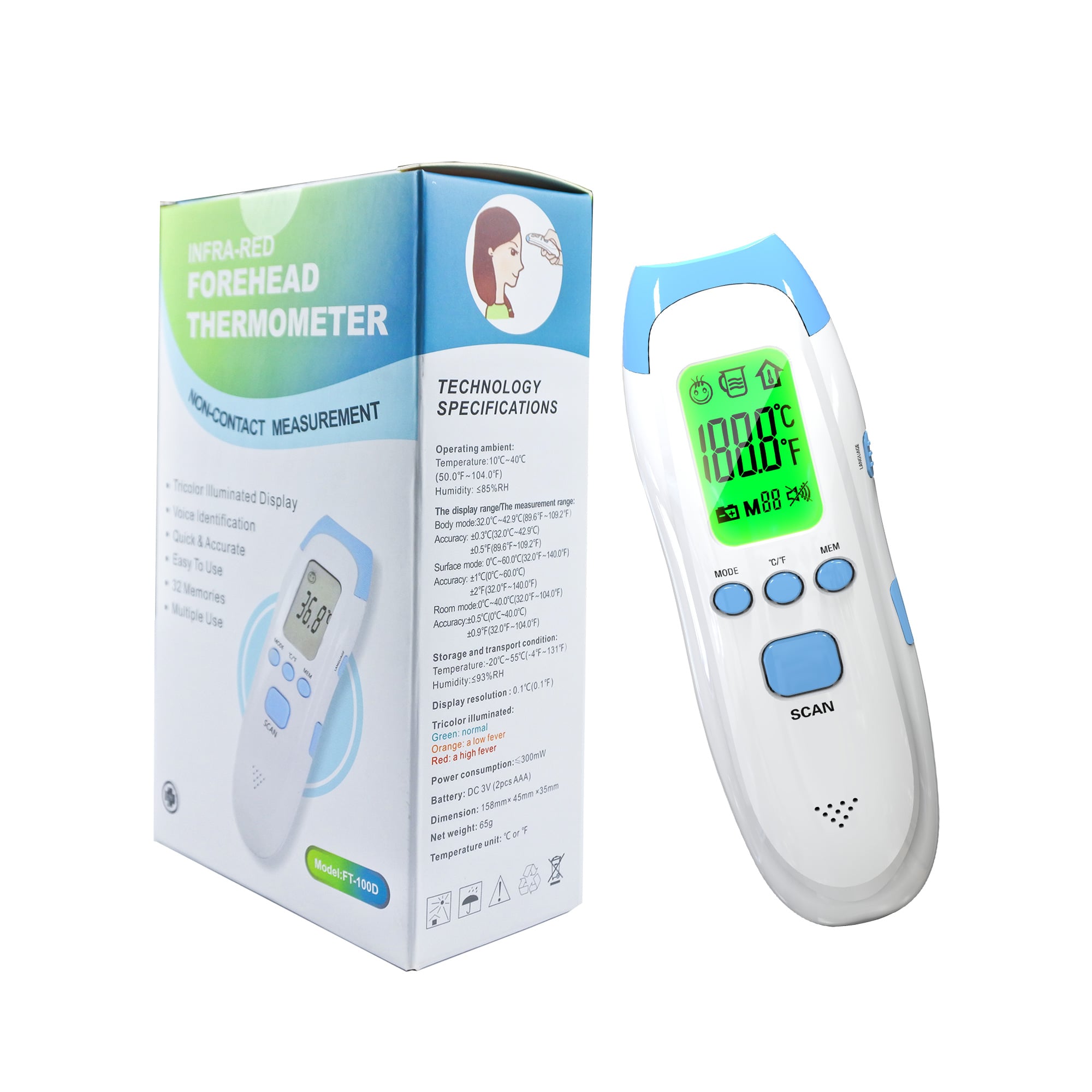
Proper installation and usage of digital thermometers can enhance their effectiveness and longevity. Here are some recommended practices:
Read the Manual: Always start by reviewing the manufacturer’s instructions. Each device may have specific requirements for installation and operation that are critical for accurate readings.
Calibration Checks: If applicable, perform periodic calibration checks to ensure ongoing accuracy. This is particularly important for thermometers that use multiple measurement modes.
Hygiene Practices: Establish hygiene protocols, especially for thermometers used rectally. Use disposable covers or sanitize the device according to the manufacturer's guidelines to prevent cross-contamination.
Storage Conditions: Store thermometers in a cool, dry place when not in use. Avoid exposing them to extreme temperatures or humidity, as these conditions can affect performance.
Routine Testing: Conduct routine tests to confirm accuracy. For instance, compare readings with a known accurate infant thermometer to verify performance, especially if the device has been dropped or exposed to extreme conditions.
Implementing these practices will help ensure that your digital thermometers remain reliable and accurate tools for infant health monitoring.
The materials used in the construction of digital thermometers can greatly influence their performance, safety, and durability. Here are some material considerations:
Body Materials: Look for thermometers made from high-quality plastics that are BPA-free. These materials are lightweight, durable, and safe for use with infants.
Sensor Materials: The sensor's composition affects response time and accuracy. Thermometers utilizing advanced thermistor technology generally provide quicker and more precise readings.
Tip Materials: Soft silicone tips are often preferred for infant thermometers due to their comfort and safety. They minimize discomfort during measurements, which is essential for sensitive users.
Environmental Resistance: Ensure that the materials are resistant to moisture and easy to clean. This is crucial for maintaining hygiene and prolonging the lifespan of the device.
Temperature Tolerance: The materials should be capable of withstanding the temperatures involved in thermal measurements without compromising accuracy or safety.
Understanding the material advantages helps buyers choose thermometers that not only meet performance expectations but also ensure safety and comfort for infants.
By focusing on these critical specifications and supplier evaluation factors, purchasing managers and distributors can confidently select digital thermometers designed for infant use that meet their operational needs and quality standards.
JASUN is a registered trademark of Hangzhou Hua'an Medical & Health Instruments Co.,Ltd. Your first option for premium thermometer suppliers in China with CE, MDR, ISO13485:2003, FDA and BSCI certificates.
Our location: Building 2,1# Fuzhu Nan RD, Wuchang Town, Yuhang District, Hangzhou, Zhejiang 310023, China
HOURS: 8:30AM - 6:00PM
Copyright © Hangzhou Hua'an Medical & Health Instruments Co.,Ltd. All Rights Reserved Blog Privacy Policy
 EN