EN
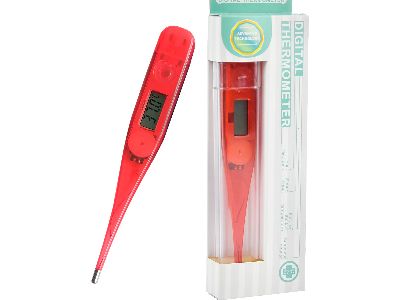
Choosing a clinical thermometer manufacturer for bulk orders involves careful consideration of various factors, as these devices play a critical role in healthcare settings. Buyers, including purchasing managers and distributors, are often concerned about product accuracy, compliance with regulations, and the supplier's reliability. This article aims to provide essential insights that will help you navigate the selection process effectively
Choosing the Right Clinical Thermometer Supplier for Bulk Orders
When selecting a clinical thermometer supplier, it is vital to assess their manufacturing capabilities and reputation in the industry. A manufacturer like Hangzhou Huaan Medical Health Instruments Co., Ltd. has established itself as a leader since 1997, showcasing a strong commitment to quality and innovation. Key factors to consider include
Experience and Certifications: Ensure the manufacturer holds relevant certifications such as CE, ISO13485:2003, and FDA approval, which are critical for ensuring product quality and safety
OEM/ODM Capabilities: Look for suppliers that offer original equipment manufacturer (OEM) and original design manufacturer (ODM) services, allowing for customization according to your specifications
Production Capacity: Understanding a supplier's production capacity is essential for meeting your bulk order requirements. It ensures they can fulfill your needs within your timeline
Quality Control Processes: Evaluate their quality control measures. A reliable supplier should have robust quality management systems in place to minimize defects and ensure consistency
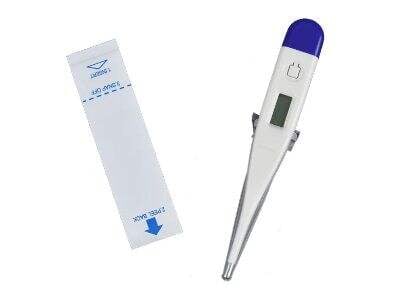
Key Specifications to Consider When Purchasing Clinical Thermometers
When purchasing clinical thermometers, specific technical specifications significantly impact their performance and suitability for various applications. Here are the key specifications to consider
Accuracy and Precision: The accuracy of a thermometer is crucial. Look for devices that specify their measurement accuracy, typically within ±0.1°C. This precision is vital, especially in clinical settings where patient safety is paramount
Response Time: The time it takes for a thermometer to deliver a reading can influence workflow efficiency. Models that provide readings within seconds are often preferred in fast-paced environments
Measurement Range: Ensure the thermometer’s measurement range meets your application requirements. Most digital clinical thermometers measure body temperature between 32°C to 42°C, but confirm the specific range based on your needs
Display Features: Look for user-friendly display options, such as digital screens that are easy to read. Additional features like backlighting can enhance usability in low-light conditions
Power Source: Consider whether the thermometers are battery-operated or rechargeable, as this can affect long-term operational costs and convenience
What Buyers Need to Know
Before finalizing a purchase, buyers should gather comprehensive information to ensure they make informed decisions. Key considerations include
Samples and Prototypes: It is advisable to request samples or prototypes before placing bulk orders. This allows you to assess the product’s performance and compliance with your specifications
Lead Times and MOQs: Understand the minimum order quantities (MOQs) and lead times for production. This information is crucial for planning your inventory and ensuring timely delivery to your clients
Pricing Factors: Pricing can vary based on order volume, customization options, and the materials used. Discuss pricing structures with suppliers to gain a clear understanding of potential costs
-
Customization Options: If you require specific branding or features, confirm the manufacturer’s ability to customize the products. This can include packaging design, logo placement, and functional modifications
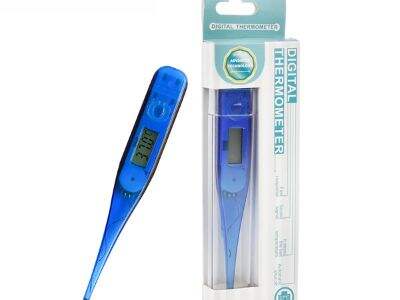
Common Problems with Clinical Thermometers and Effective Solutions
Clinical thermometers can encounter various issues that may affect their performance. Being aware of these common problems can help buyers mitigate risks
Inaccurate Readings: Inaccurate temperature readings can arise from improper calibration or battery issues. Regular calibration and maintenance checks are essential to ensure consistent accuracy
Durability Concerns: Thermometers may be subject to wear and tear, especially in high-use environments. Selecting models with robust construction materials can enhance durability and longevity
User Error: Inadequate training can lead to user errors, affecting measurement accuracy. Providing comprehensive training for staff on proper usage can minimize these risks
Failure to Meet Regulatory Standards: Non-compliance with medical regulations can result in product recalls. Ensure that the supplier adheres to all relevant healthcare standards and that their products are certified
Where to Find Reliable Manufacturers for Clinical Thermometers in Bulk
Identifying trustworthy manufacturers for bulk orders of clinical thermometers can be streamlined by exploring the following avenues
Industry Trade Shows: Attending medical device trade shows allows buyers to connect with manufacturers, view their products, and discuss potential partnerships
Online Directories and B2B Marketplaces: Platforms like Alibaba and ThomasNet can help you find a range of suppliers. Look for manufacturers with positive reviews and a proven track record
Networking within Industry Associations: Engaging with healthcare industry associations can provide referrals to reputable manufacturers and insights into industry best practices
Direct Research: Conduct thorough research on potential suppliers, reviewing their certifications, production processes, and customer testimonials
Choosing a thermometer clinical thermometer manufacturer for bulk orders involves careful evaluation of suppliers and their products. By focusing on vital specifications, understanding common issues, and utilizing effective sourcing strategies, buyers can secure high-quality thermometers that meet their needs while ensuring compliance with industry standards