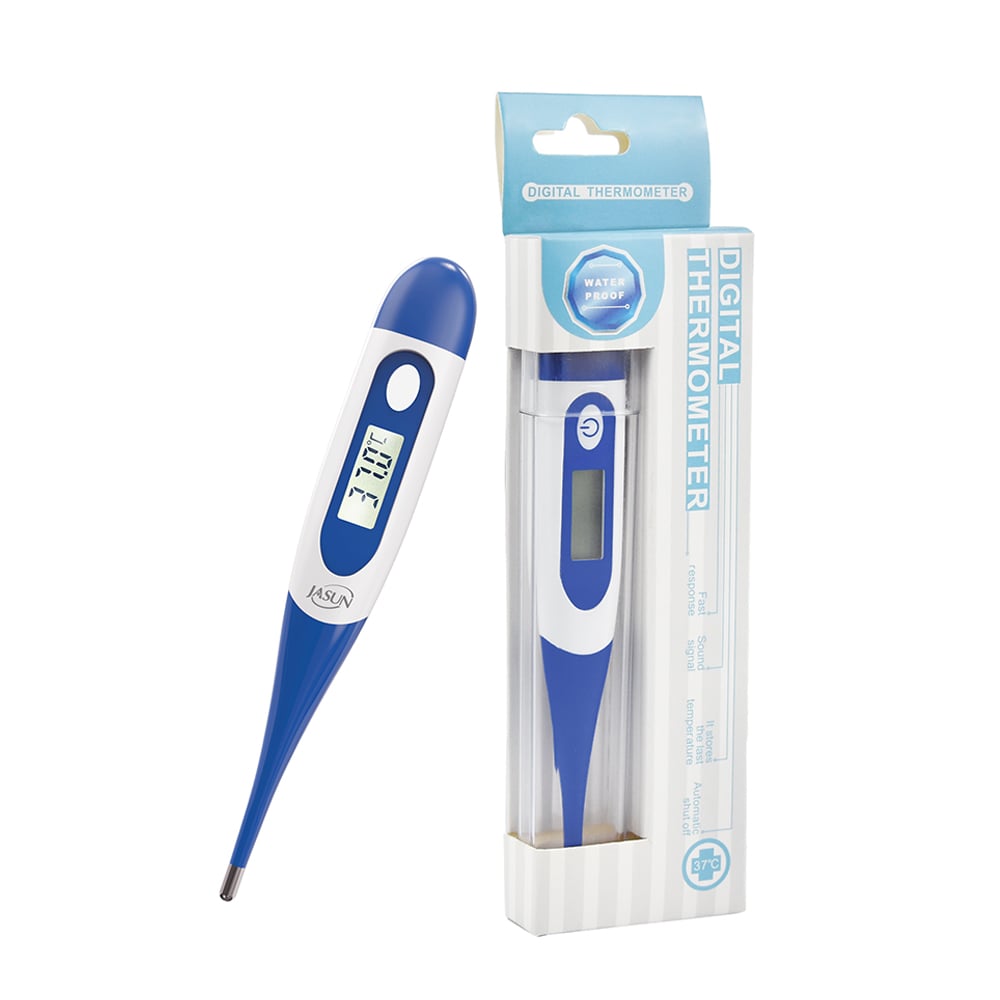
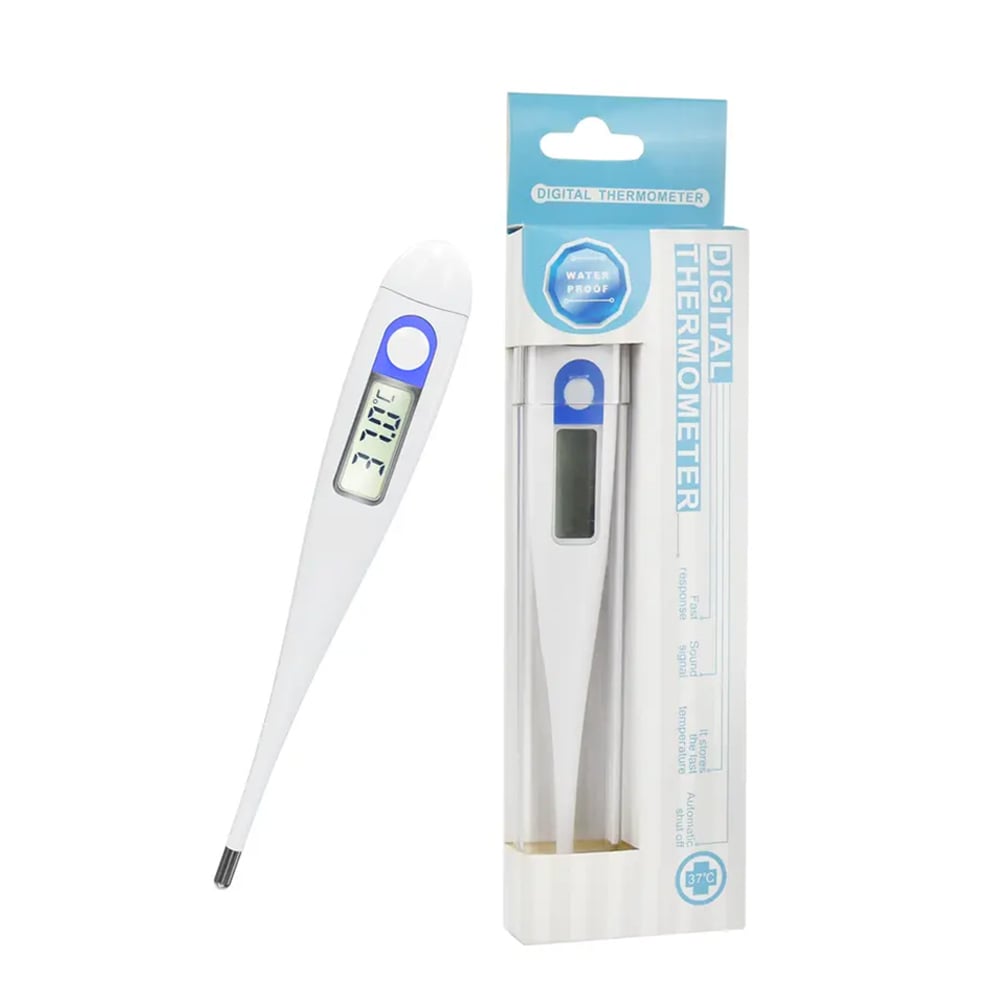
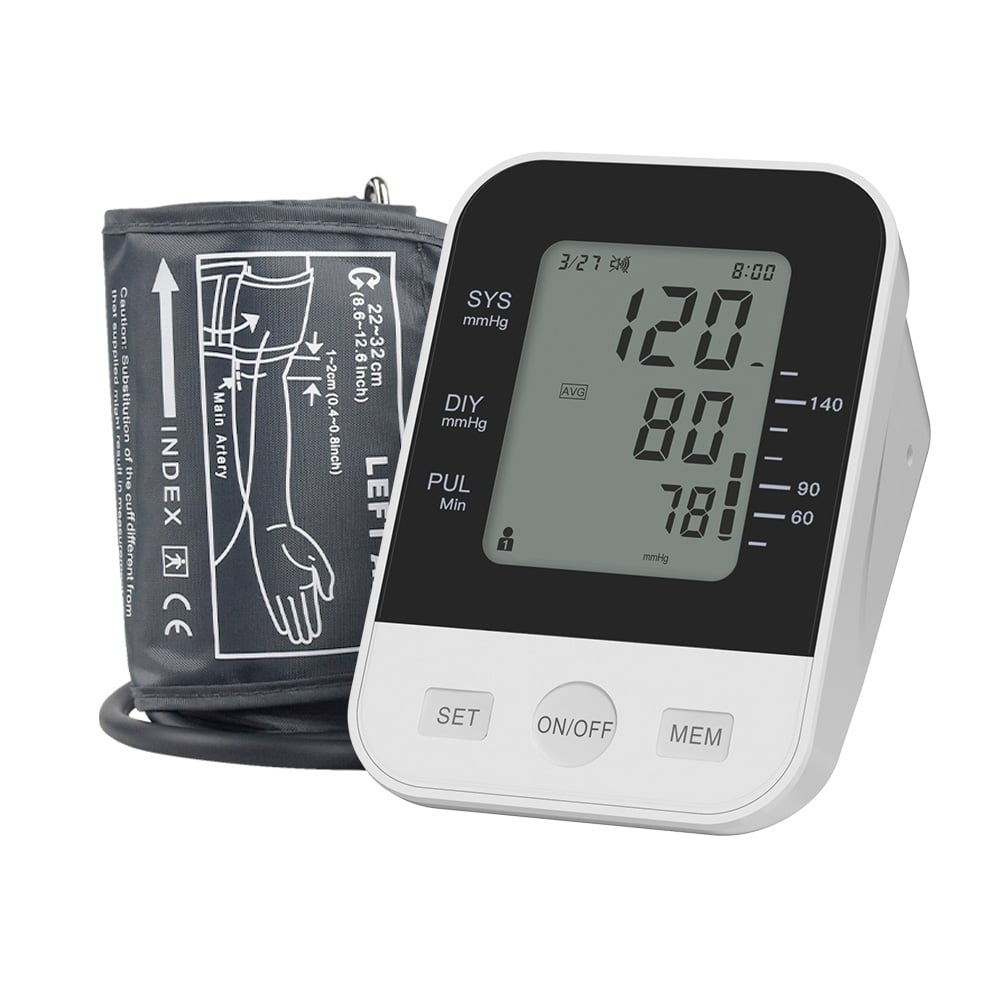
Medical oral thermometers are essential devices used to measure body temperature accurately and safely. For B2B buyers, including purchasing managers and healthcare providers, key concerns involve product reliability, accuracy, and quality assurance. This article will guide you through the critical specifications, evaluation methods, sourcing strategies, installation guidance, and common issues associated with medical oral thermometers, helping you make informed purchasing decisions.
When considering medical oral thermometer for bulk orders, several key specifications must be evaluated:
Measurement Range: Typically, medical oral thermometers measure temperatures from 32°C to 42°C (89.6°F to 107.6°F). A wide range ensures the device can accommodate various patient needs.
Accuracy: Look for thermometers with an accuracy of ±0.1°C. Accurate readings are crucial for effective diagnosis and treatment.
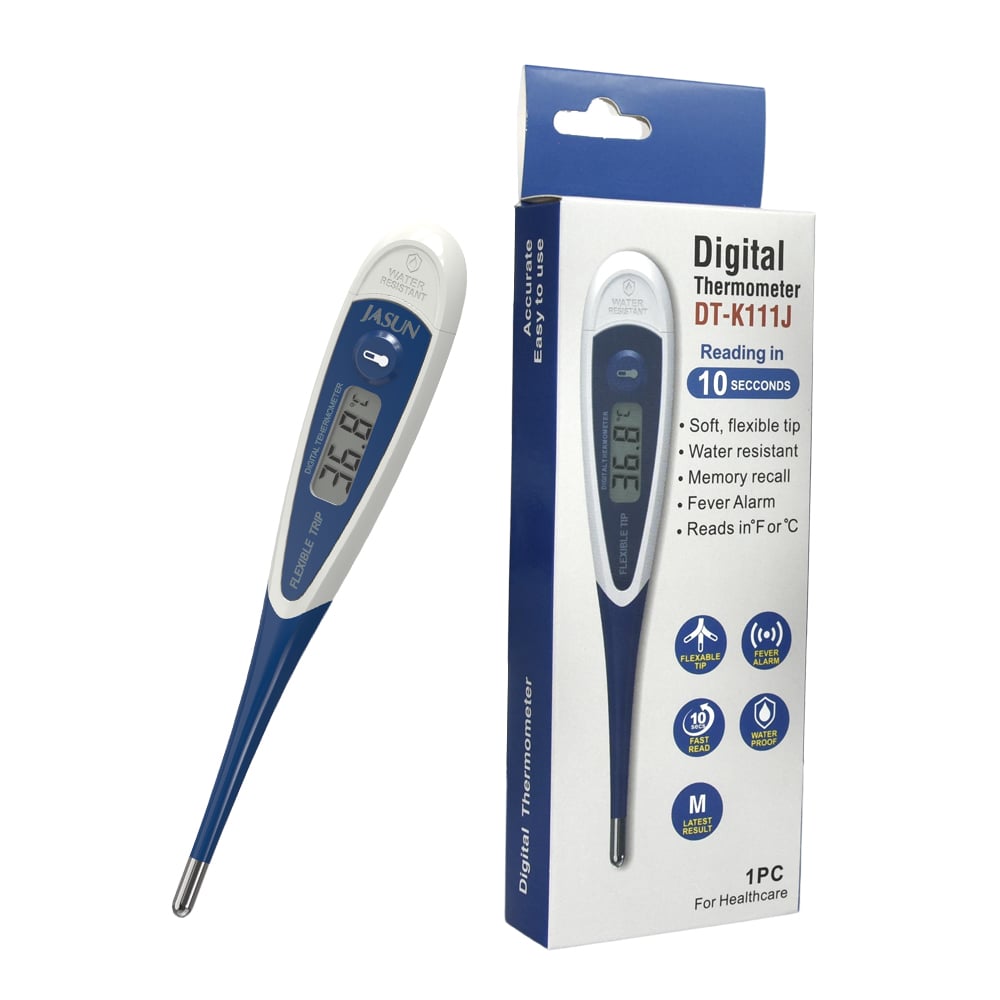
Response Time: A thermometer with a response time of 10 seconds or less is ideal in a clinical setting, providing quick results that enhance patient care.
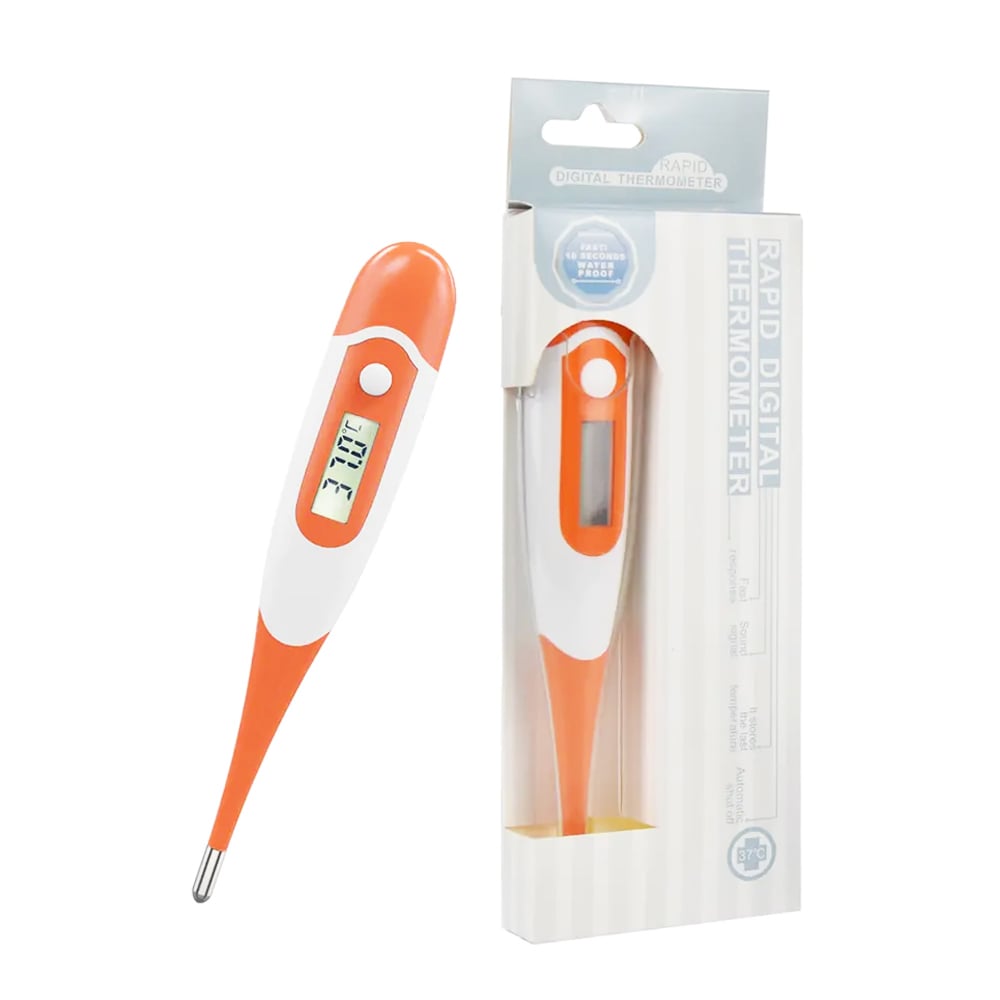
Display Type: Digital displays are common, but ensure that the screen is large and clear for easy reading.
Materials: The materials used in construction should be non-toxic and easy to clean, such as medical-grade plastic or stainless steel. This is vital for ensuring safety and durability.
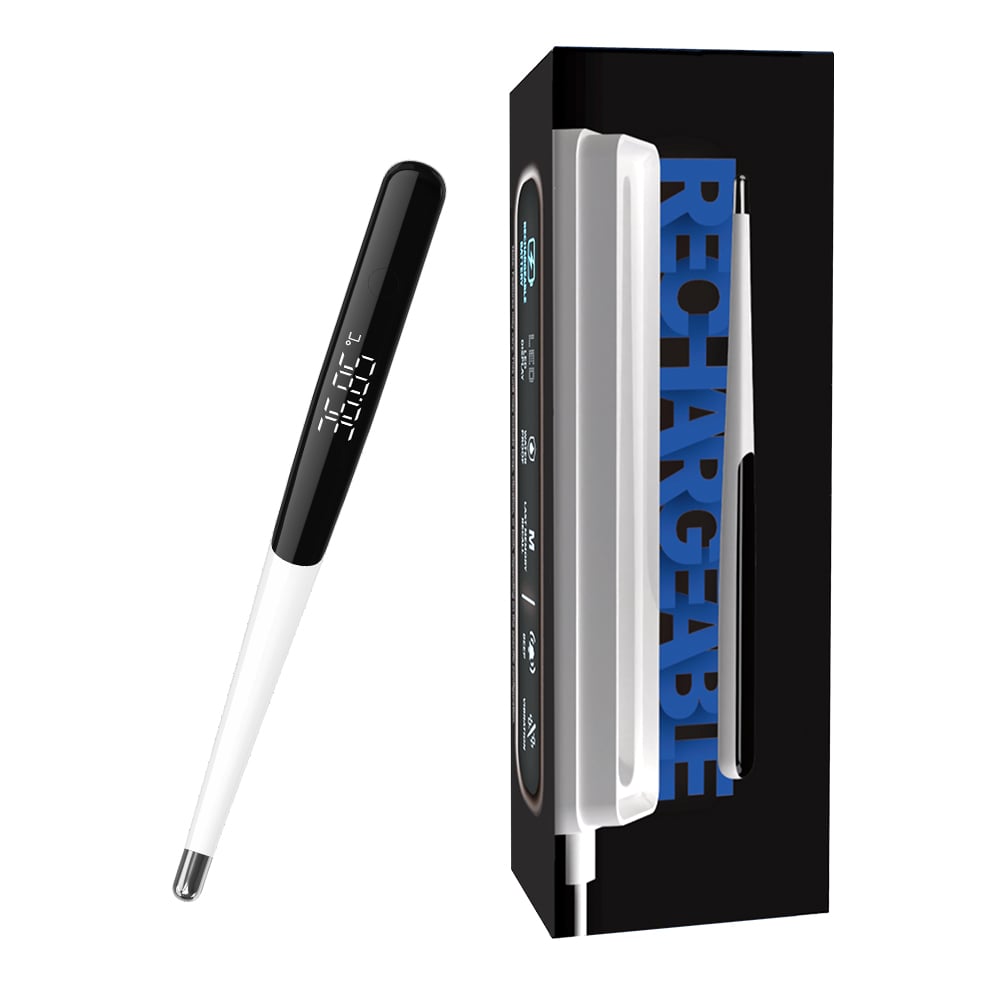
Battery Life: Consider devices with a long battery life or rechargeable options to minimize operational interruptions.
Certifications: Verify that the products are certified (CE, ISO13485, FDA) to ensure compliance with international safety and quality standards.
Understanding these specifications will help you choose the right medical oral thermometer that meets your operational requirements and patient safety standards.
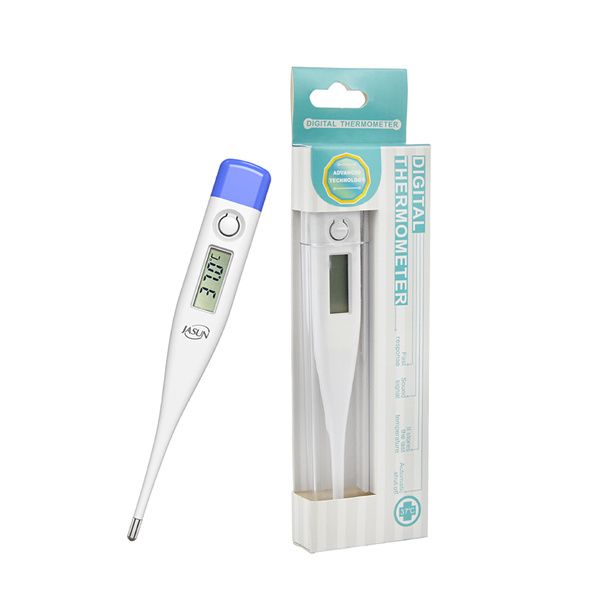
Evaluating the quality of medical oral thermometers is essential to ensure that they meet industry standards and perform reliably. Here are several evaluation criteria:
Certifications and Compliance: Check for certifications such as ISO13485 and CE. These indicate that the thermometer meets stringent quality management and safety standards.
Material Quality: Assess the materials used in the thermometer. High-quality, medical-grade materials will enhance durability and safety. Inferior materials can lead to product failures or inaccurate readings.
Testing and Validation: Inquire about the testing processes employed by the manufacturer. Reliable manufacturers will provide data on calibration and performance testing, ensuring the thermometer meets specified accuracy levels.
User Feedback: Look for reviews and testimonials from healthcare professionals who have used the thermometers. Their insights can provide valuable information on performance and reliability in real-world settings.
Warranty and Support: A robust warranty and responsive customer support can be indicators of a manufacturer’s confidence in their product quality and their commitment to customer satisfaction.
By carefully evaluating these factors, you can ensure that the medical oral thermometers you choose will meet your needs and the expectations of your clients.
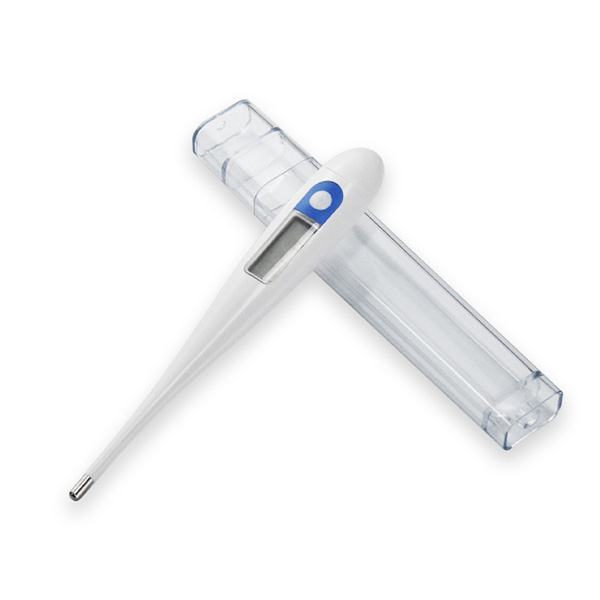
Finding a reliable supplier for medical oral thermometers involves several strategies:
Industry Directories: Utilize B2B marketplaces and industry-specific directories, such as Medica or ThomasNet, to identify reputable manufacturers with a track record in medical devices.
Trade Shows: Attend industry trade shows where manufacturers showcase their products. This provides an opportunity to meet suppliers face-to-face, examine product quality, and discuss specifications.
Referrals and Networking: Leverage your professional network to get recommendations for trusted suppliers. Colleagues in the healthcare sector often have valuable insights based on their experiences.
Online Research: Conduct thorough online research, focusing on manufacturers who have established themselves in the market. Look for certifications, customer reviews, and their history of serving the medical industry.
Request for Quotation (RFQ): After identifying potential suppliers, send out RFQs detailing your specific requirements. This not only helps in comparing prices but also gives insights into the suppliers’ responsiveness and customer service.
Using these strategies, you can source reliable suppliers who meet your quality and operational requirements for medical oral thermometers.
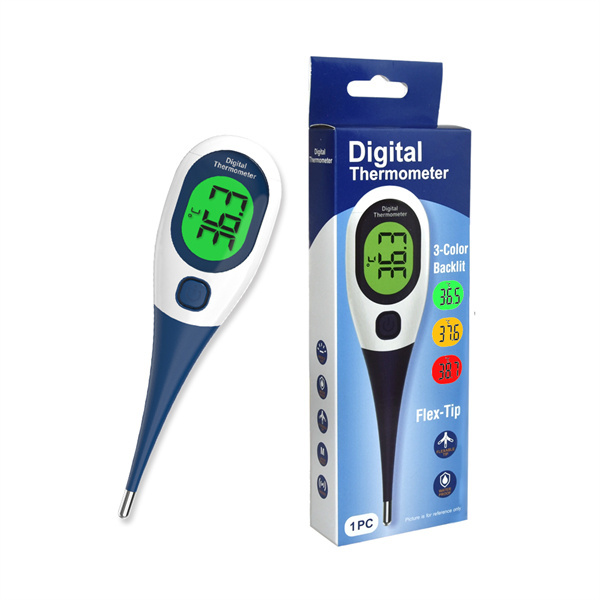
Proper installation and usage of medical oral thermometers are crucial for ensuring accurate readings. Here are some guidelines:
User Training: Ensure that all staff members who will be using the thermometers are trained on their proper use, including understanding the measurement process and interpreting results.
Location: Install thermometers in a clean, accessible area within healthcare settings. Ensure that the environment is controlled for temperature and humidity, as extremes can affect readings.
Calibration: Regularly calibrate the thermometers according to the manufacturer’s recommendations. This ensures consistent accuracy over time.
Cleaning Procedures: Implement strict cleaning protocols between uses to prevent cross-contamination. Use appropriate disinfectants that are safe for the thermometer materials.
Storage: Store thermometers in protective cases when not in use to prevent damage and ensure longevity.
By adhering to these guidelines, healthcare facilities can maximize the effectiveness and longevity of their medical oral thermometers.
While medical oral thermometer are generally reliable, several common issues may arise. Here are some problems and their solutions:
Inaccurate Readings: If a thermometer consistently provides inaccurate readings, check its calibration. Regular recalibration and adherence to manufacturer guidelines can often resolve this issue.
Battery Failure: A common problem with digital thermometers is battery failure. Always keep spare batteries on hand and consider switching to rechargeable models to minimize downtime.
Display Malfunctions: If the display is malfunctioning, inspect for any physical damage or moisture ingress. Ensure the thermometer is stored correctly and cleaned according to protocol.
Contamination: Cross-contamination can occur if thermometers are not properly cleaned. Implement strict hygiene protocols and use disposable covers where applicable to mitigate this risk.
Slow Response Time: If the thermometer's response time increases, it may require recalibration or, in some cases, replacement if the internal components are damaged.
By proactively addressing these common issues, healthcare providers can maintain the reliability and accuracy of their medical oral thermometers, ensuring patient safety and effective care.
JASUN is a registered trademark of Hangzhou Hua'an Medical & Health Instruments Co.,Ltd. Your first option for premium thermometer suppliers in China with CE, MDR, ISO13485:2003, FDA and BSCI certificates.
Our location: Building 2,1# Fuzhu Nan RD, Wuchang Town, Yuhang District, Hangzhou, Zhejiang 310023, China
HOURS: 8:30AM - 6:00PM
Copyright © Hangzhou Hua'an Medical & Health Instruments Co.,Ltd. All Rights Reserved Blog Privacy Policy
 EN