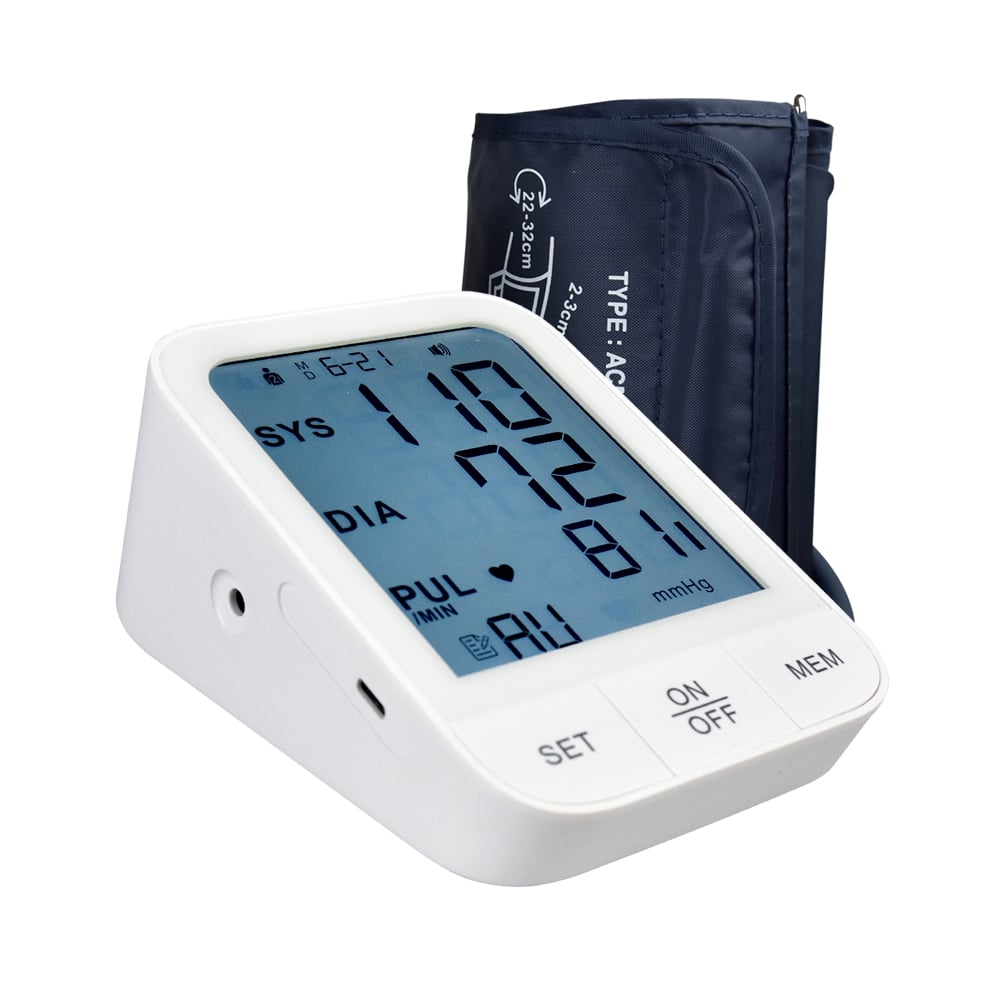
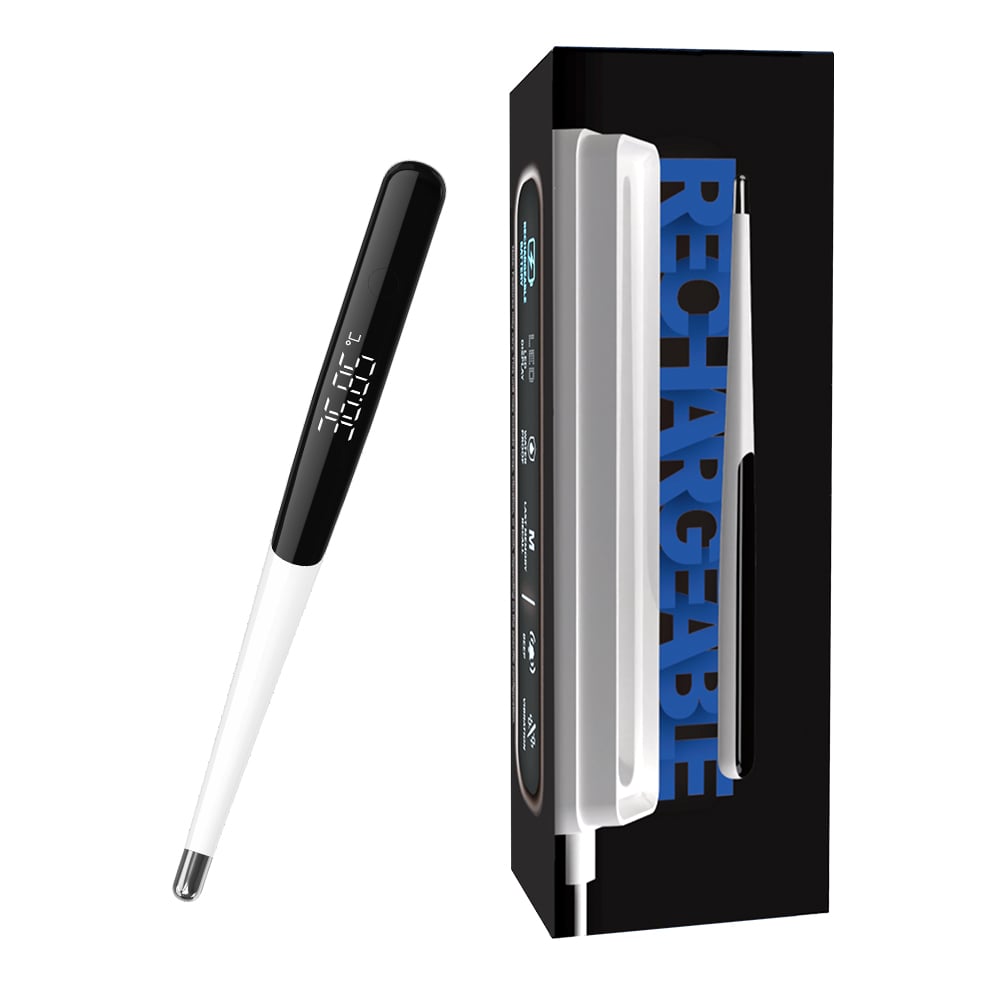
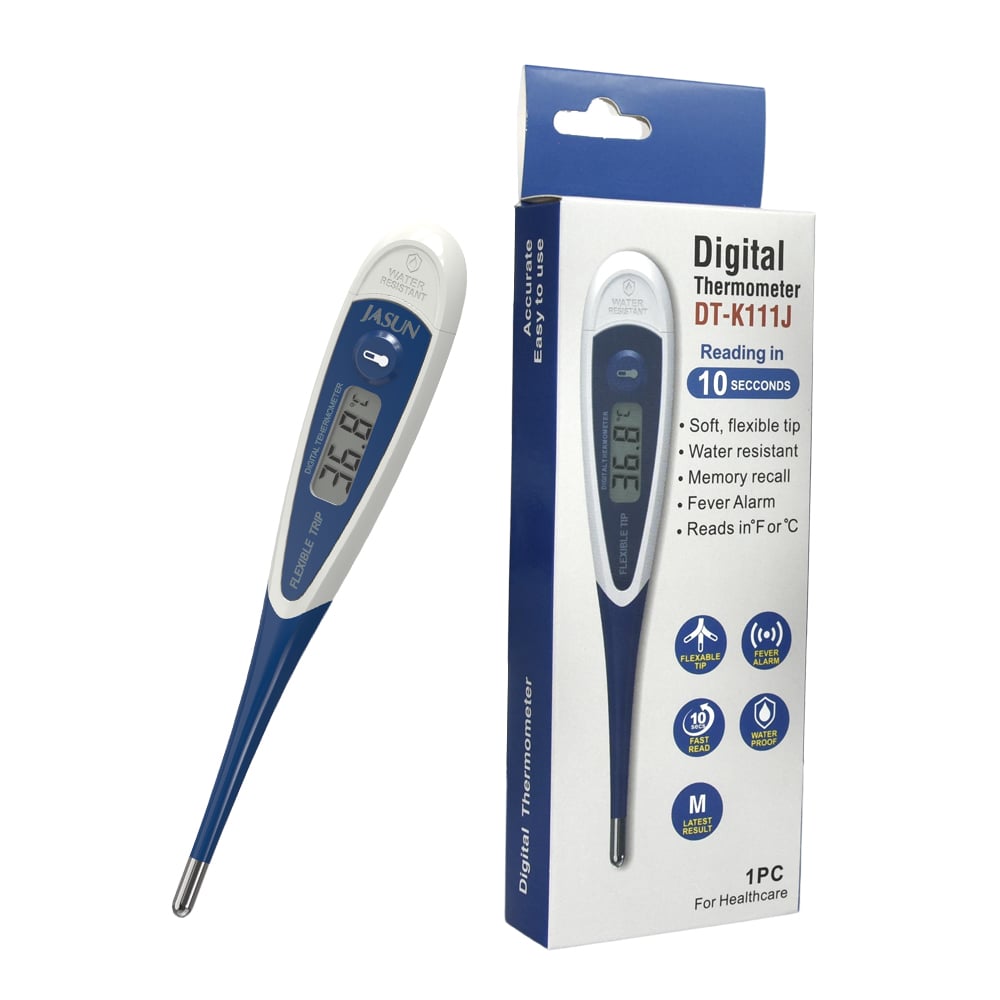
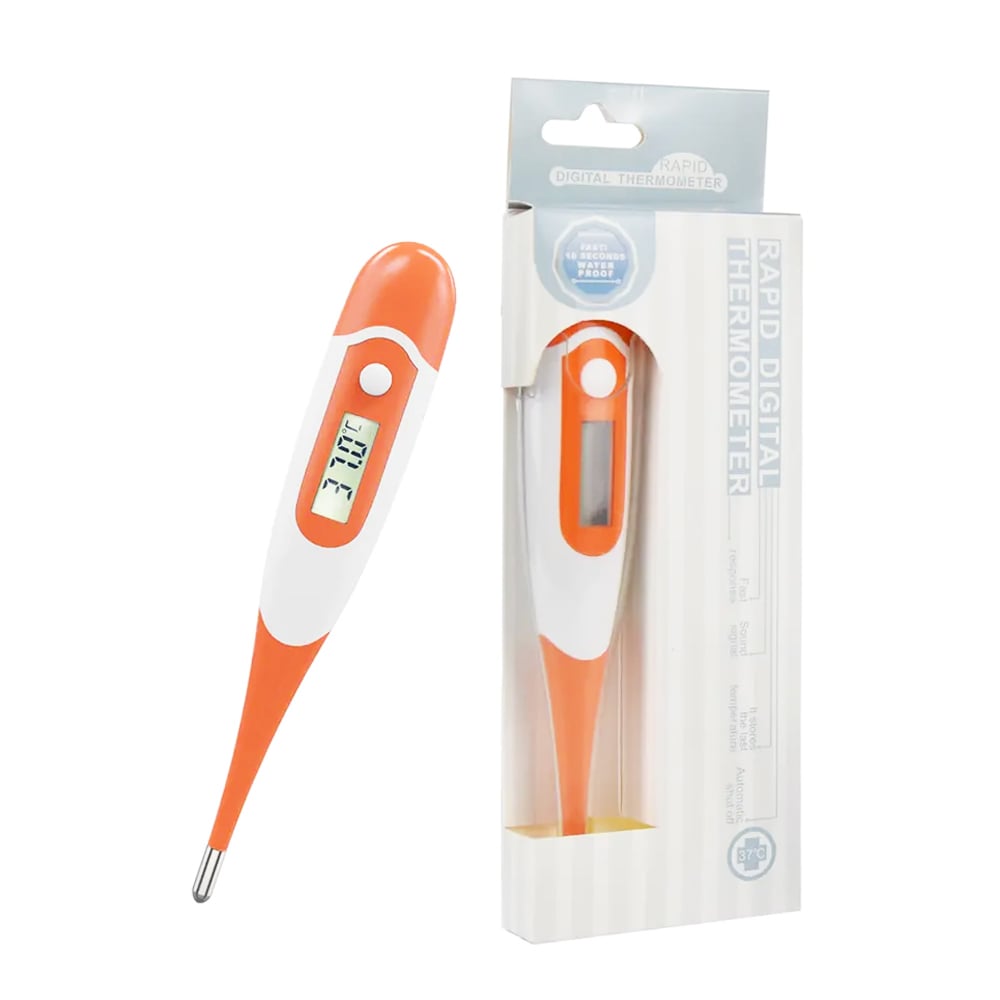
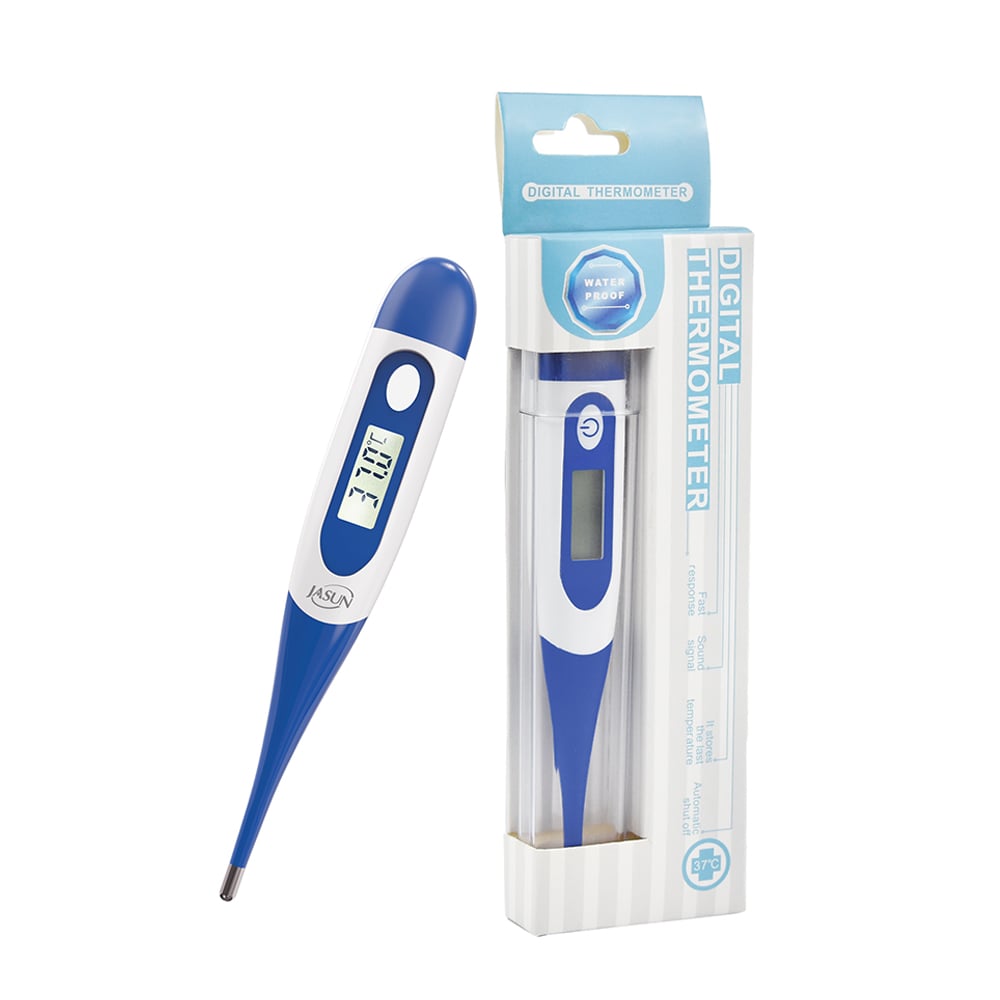
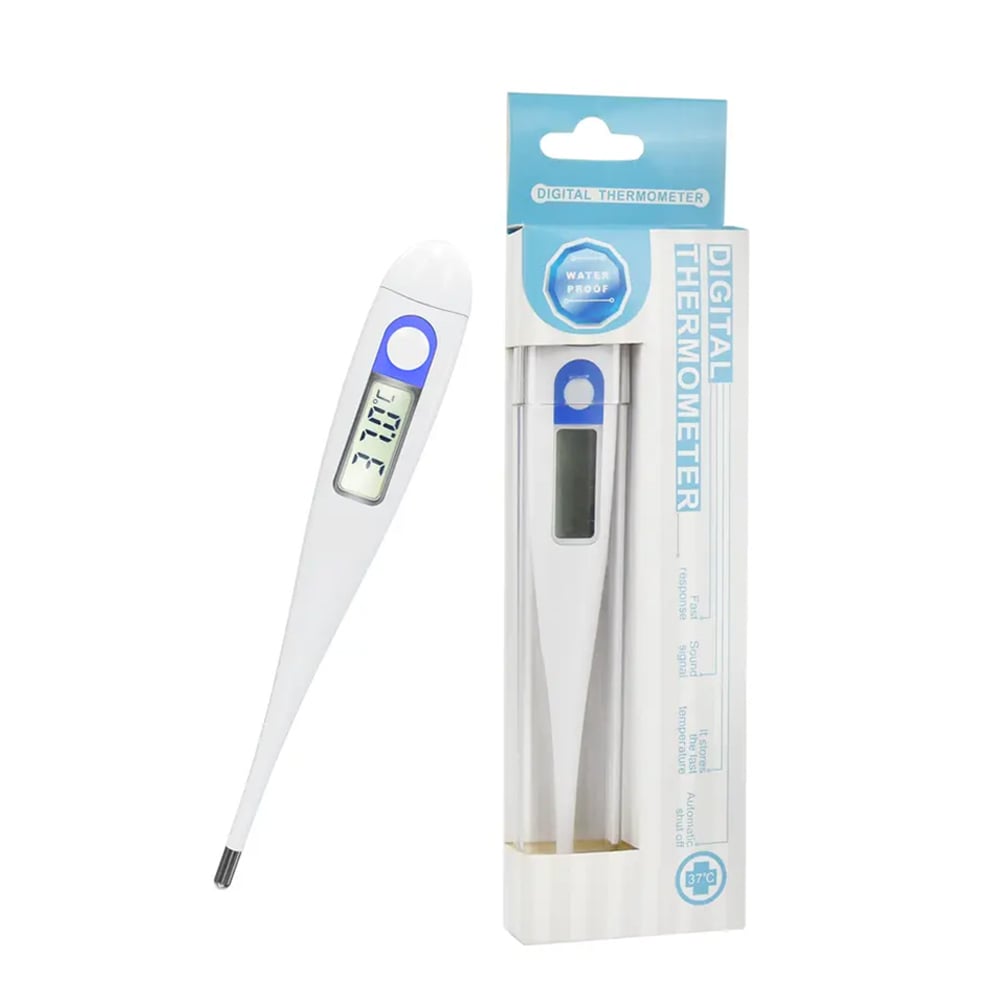
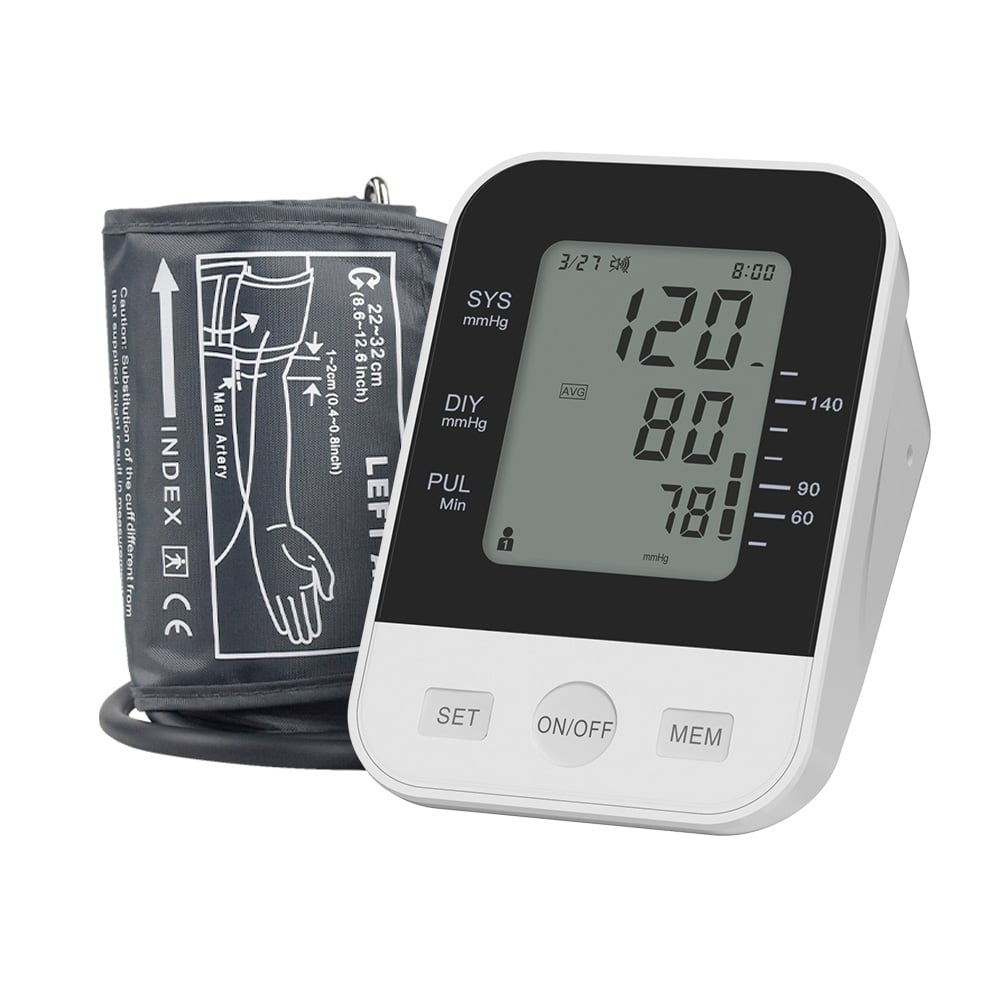
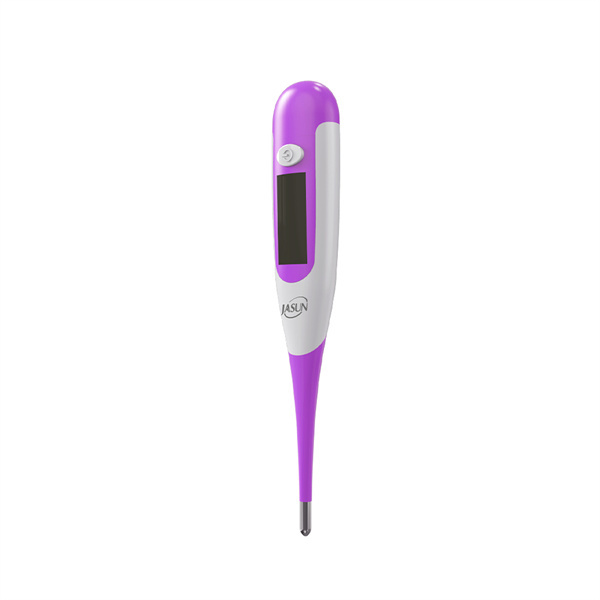
Clinical glass thermometers are essential tools in the medical field, providing accurate body temperature measurements critical for patient care. As a B2B buyer, understanding their specifications, quality, and application is crucial in making an informed purchasing decision. This article will guide you through key considerations when selecting Hangzhou Huaan electronic clinical thermometer, addressing buyer concerns such as accuracy, durability, and compliance with industry standards.
When selecting a clinical glass thermometer, several factors should guide your decision-making process. Firstly, consider the accuracy specifications; a thermometer should ideally have an accuracy of ±0.1°C to ensure precise readings, which is vital for diagnosing and monitoring patient conditions. Additionally, evaluate the thermometer’s response time; faster readings can enhance patient care efficiency.
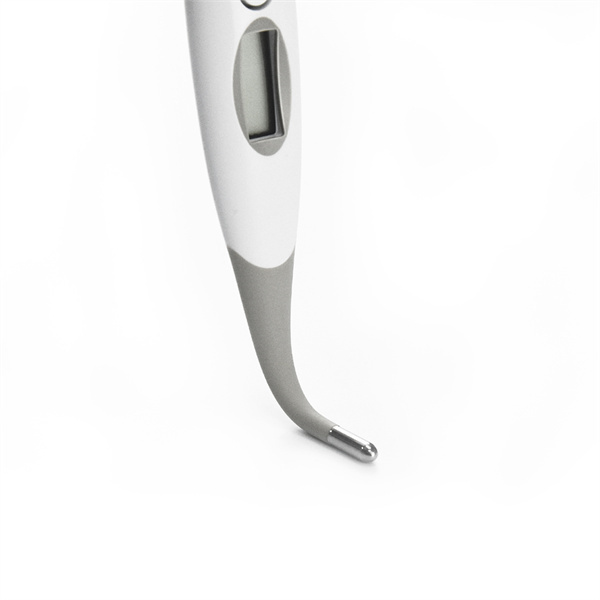
Next, assess the thermometer’s design for comfort and usability. Features such as a flexible tip or an ergonomic grip can significantly improve the user experience in clinical settings. Durability is another critical aspect; look for thermometers constructed from high-quality glass that can withstand daily use without compromising accuracy.
Lastly, ensure that the thermometer complies with relevant certifications such as CE, ISO13485:2003, and FDA standards. These certifications validate that the thermometer meets safety and performance criteria, giving you confidence in your purchase.
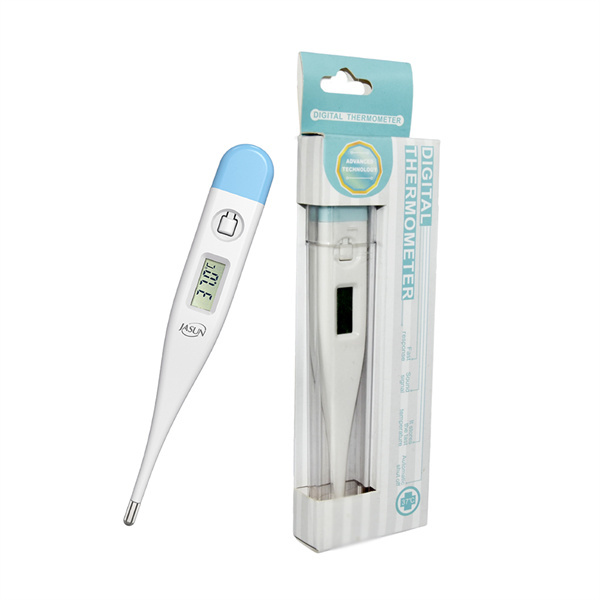
When evaluating clinical glass thermometers, focus on the following specifications:
Material Composition: The glass should be high-grade and resistant to thermal shock. This ensures longevity and reliability, especially in high-use environments.
Measurement Range: Ensure the Hangzhou Huaan clinical oral thermometer covers the necessary temperature range for your intended applications, typically from 35°C to 42°C for human body temperature.
Calibration: Check if the thermometer is pre-calibrated or requires calibration upon arrival. Regular calibration is essential for maintaining accuracy; therefore, a thermometer that retains calibration well is preferable.
Packaging: Consider how the thermometer is packaged. Protective packaging can prevent breakage during transport and storage, an essential factor in maintaining product integrity.
Ease of Cleaning: In clinical settings, thermometers must be easily sanitized. Select a design that allows for thorough and effective cleaning to ensure compliance with hygiene standards.
To maximize the effectiveness and lifespan of clinical glass thermometers, adopt the following best practices:
Regular Calibration: Schedule routine checks and calibrations to maintain accuracy. This practice is crucial, especially if the thermometer is frequently used or exposed to varying temperatures.
Proper Storage: Store thermometers in protective cases or dedicated storage solutions to prevent breakage. Avoid storing them in extreme temperatures or direct sunlight, which can distort measurements.
User Training: Ensure all staff members are trained on the proper use and maintenance of clinical glass thermometers. Understanding how to read measurements accurately and handle the devices can reduce errors significantly.
Routine Inspections: Periodically inspect thermometers for signs of wear or damage. Any visible defects should prompt immediate replacement to ensure continued reliability.
Users may encounter several common issues with clinical glass thermometers. Here are some problems and their corresponding solutions:
Inaccurate Readings: This can occur due to improper calibration or damage. Regular recalibration and thorough inspections can mitigate this issue. If inaccuracies persist, consider replacing the thermometer.
Breakage: Glass thermometers are prone to breakage if dropped or mishandled. To prevent this, implement strict handling protocols and invest in protective casings or shock-resistant options.
Fogging: Sometimes, condensation can form inside the thermometer, leading to fogged readings. Ensure that the thermometer is at room temperature before use to minimize this risk.
Battery Issues: For digital thermometers, battery failure can interrupt service. Regularly check and replace batteries as part of routine maintenance, ensuring constant reliability.
When considering bulk orders of clinical glass thermometers, several cost factors come into play:
Minimum Order Quantity (MOQ): Manufacturers often set MOQs that can affect overall pricing. Ensure you understand these requirements and how they align with your purchasing needs.
Customization Options: If you require customized features, such as branding or specific packaging, factor in additional costs. Customization can enhance product visibility but may increase the base price.
Shipping and Handling: Shipping costs can vary significantly based on the Hangzhou Huaan clinical thermometer size, weight, and destination. Evaluate logistics options to find the most cost-effective shipping solution.
Volume Discounts: Many suppliers offer discounts for larger orders. Inquire about pricing tiers based on quantity to maximize savings.
Quality Assurance Costs: Ensure that any additional quality assurance measures, such as testing or certification before shipping, are included in the budget. These costs can provide peace of mind regarding the product's reliability.
By considering these factors, B2B buyers can prepare more effectively for discussions with suppliers, ensuring they receive competitive pricing while meeting their specific needs.
JASUN is a registered trademark of Hangzhou Hua'an Medical & Health Instruments Co.,Ltd. Your first option for premium thermometer suppliers in China with CE, MDR, ISO13485:2003, FDA and BSCI certificates.
Our location: Building 2,1# Fuzhu Nan RD, Wuchang Town, Yuhang District, Hangzhou, Zhejiang 310023, China
HOURS: 8:30AM - 6:00PM
Copyright © Hangzhou Hua'an Medical & Health Instruments Co.,Ltd. All Rights Reserved Blog Privacy Policy
 EN