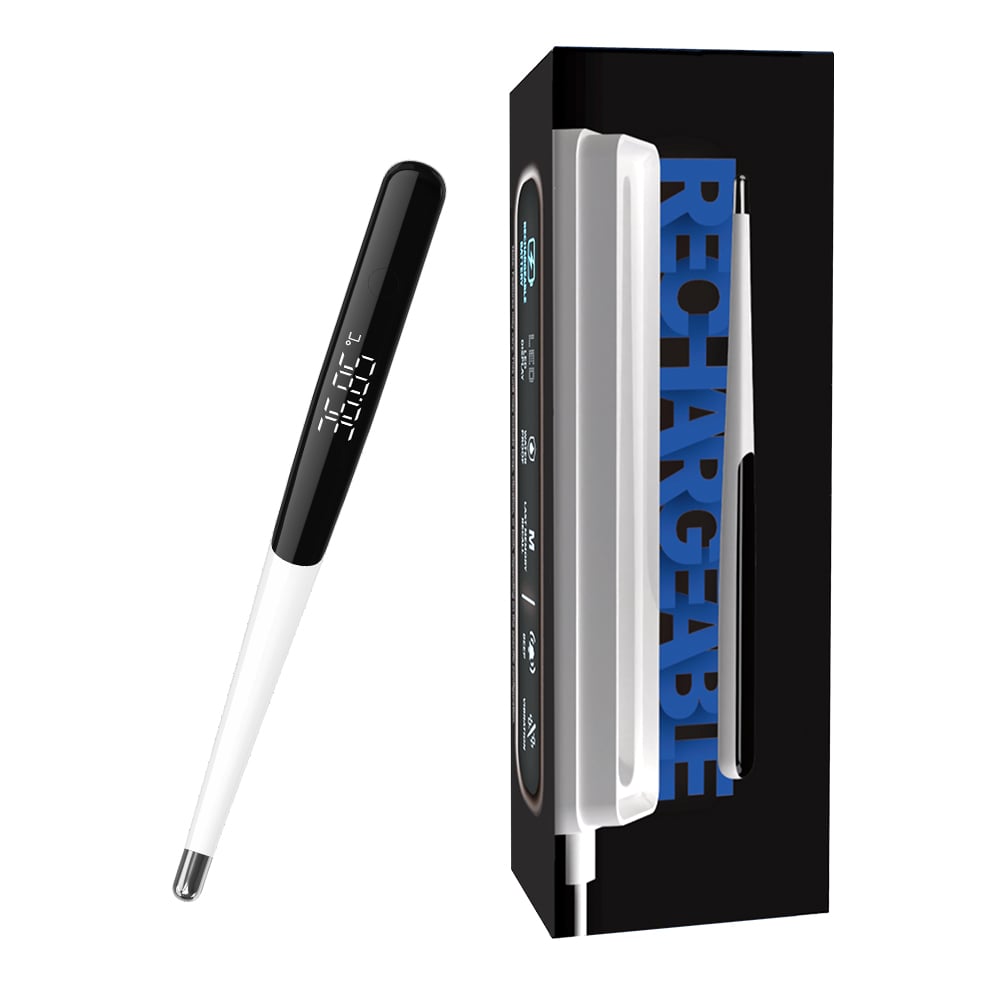
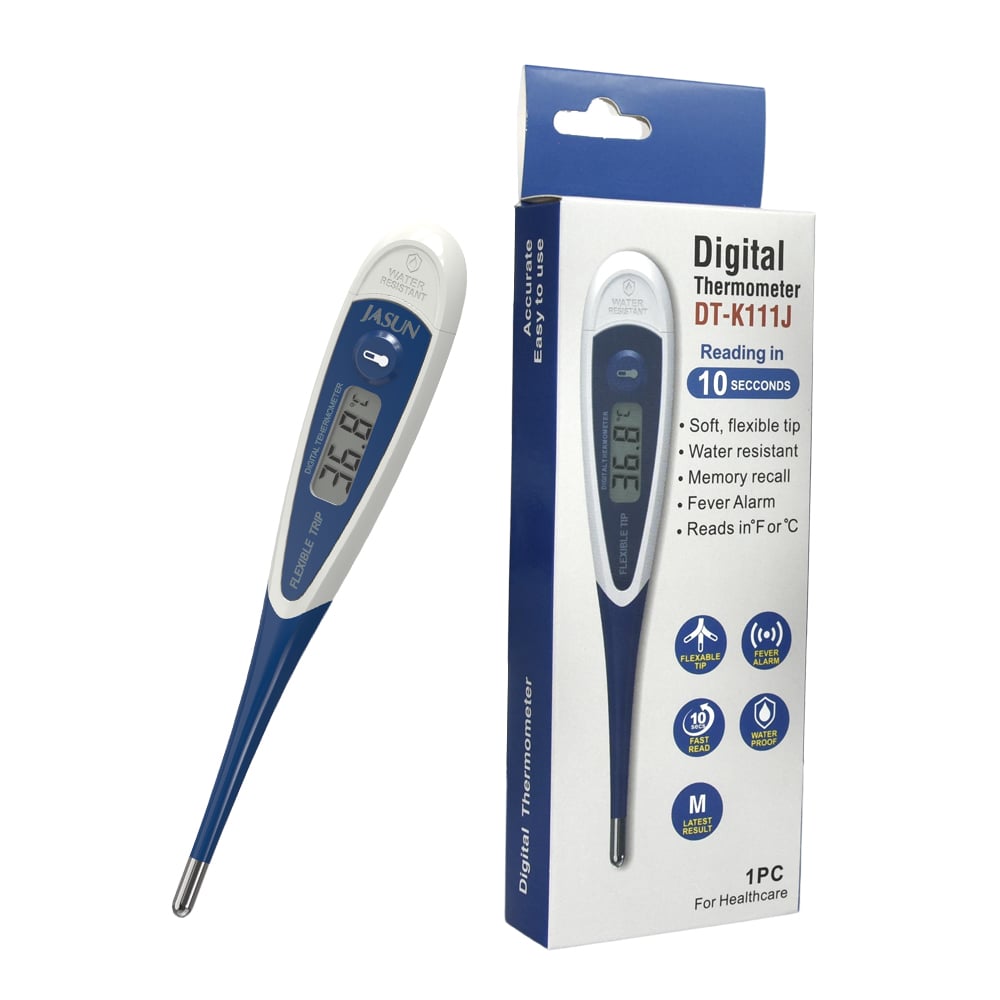
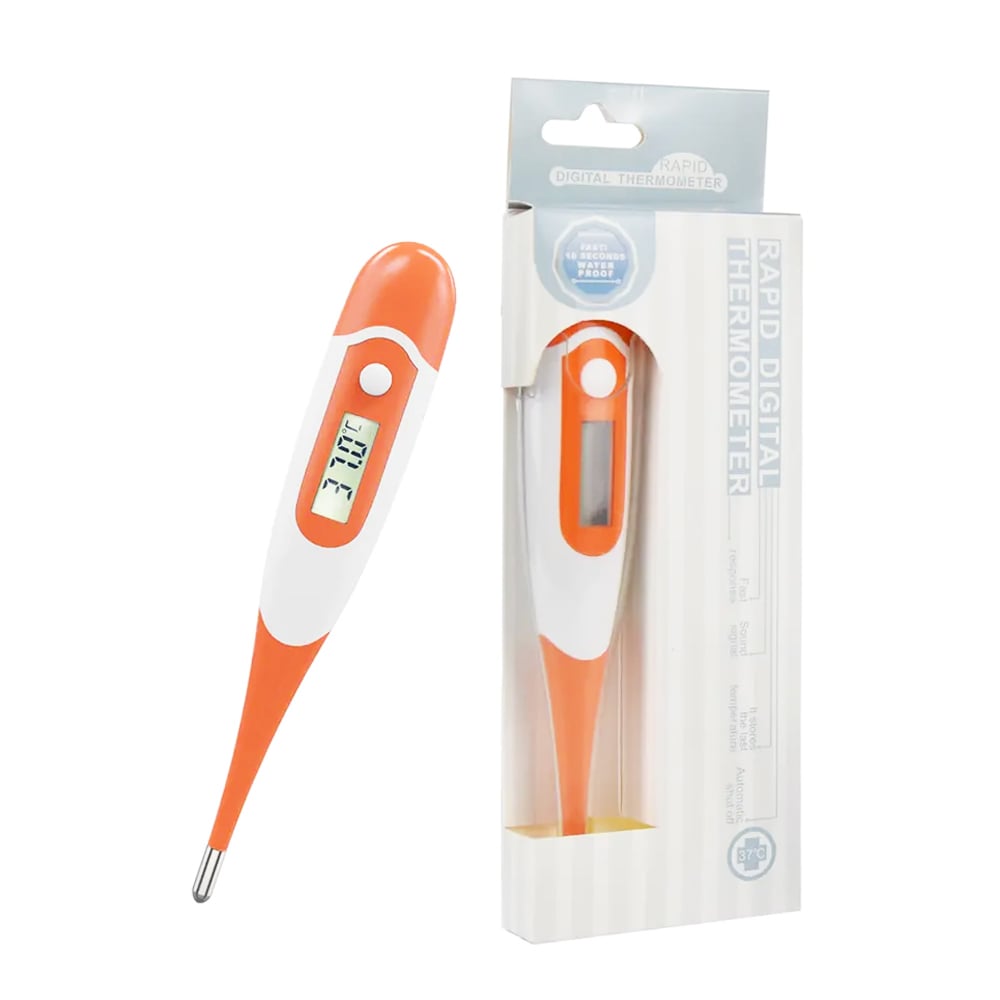
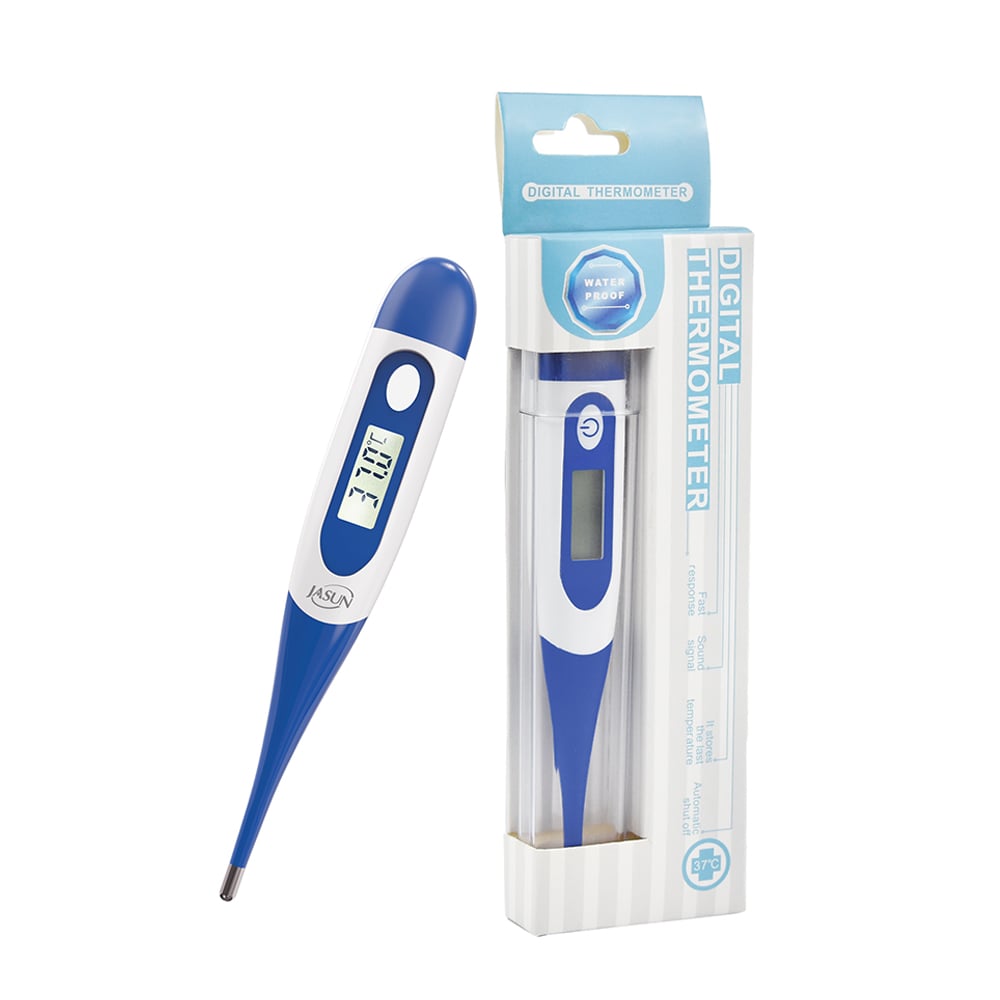
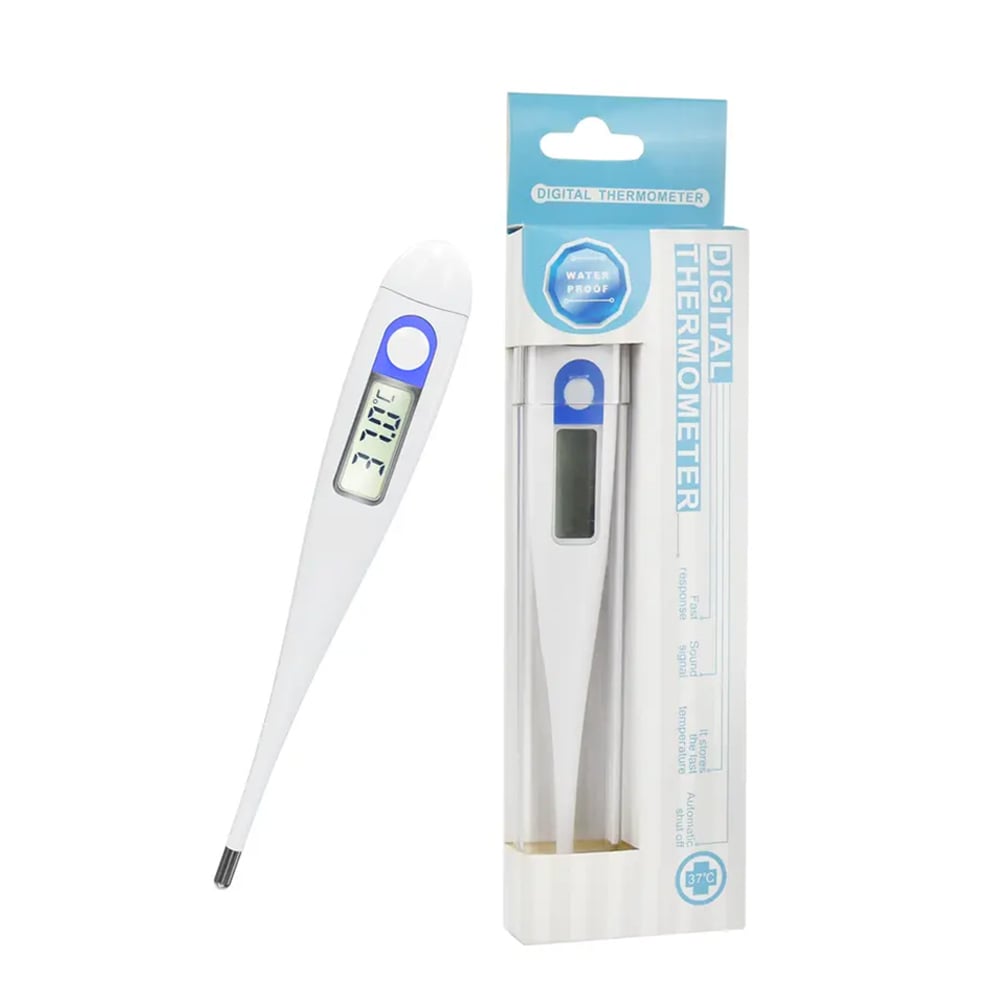
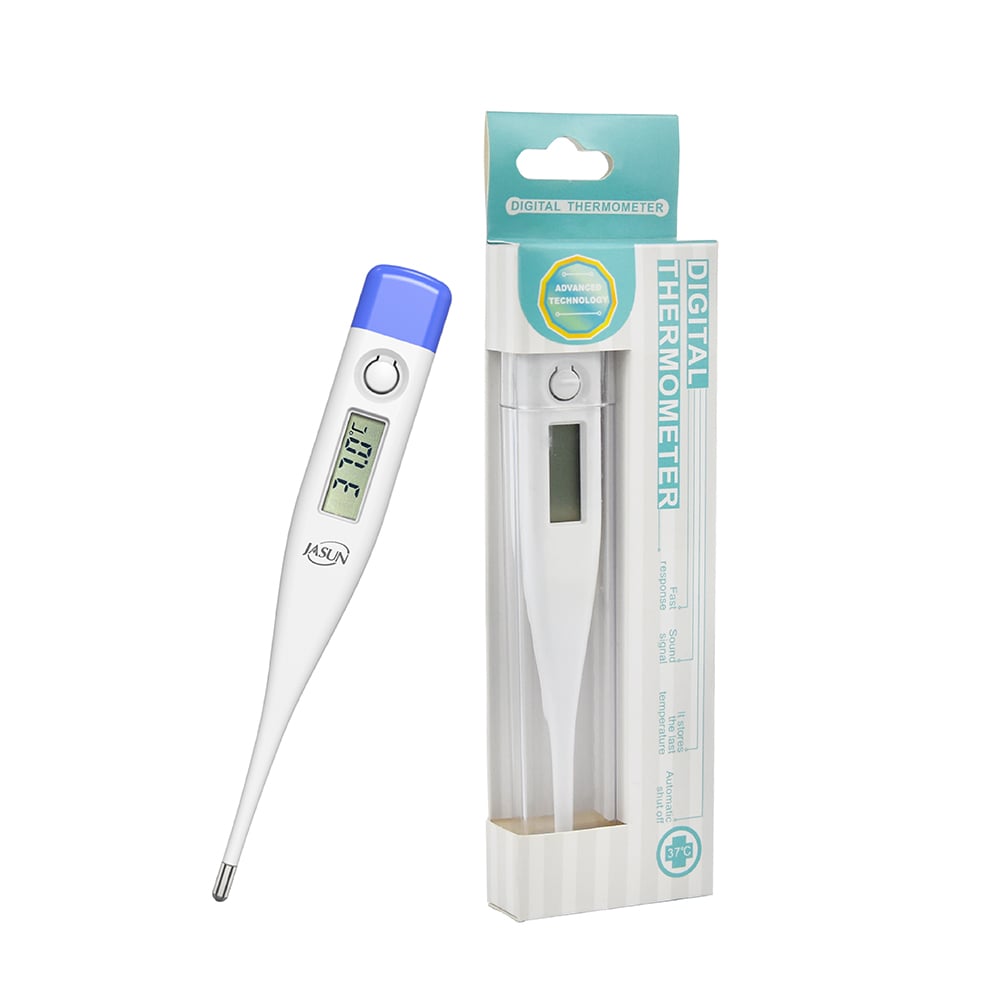
Non-contact infrared thermometers are specialized devices used to measure body temperature without physical contact, making them invaluable in various settings, particularly in healthcare. As a purchasing manager or distributor, you may have several concerns, including the accuracy, comfort, durability, and compliance of the products you're considering. This article will guide you through the essential aspects of selecting the right non-contact infrared newborn thermometer from Hangzhou Huaan for your needs, ensuring you make an informed decision.
Selecting the appropriate non-contact infrared thermometer involves understanding the specific requirements of your application. Key factors include the temperature range, response time, and measurement accuracy. For instance, a thermometer suited for clinical settings may require a narrower temperature range and higher precision compared to those intended for industrial use.
Additionally, Hangzhou Huaan consider the usability of the device. Features such as a clear digital display, ease of handling, and ergonomic design enhance user experience and accuracy. Look for models with adjustable emissivity settings, which can improve measurement accuracy depending on the environmental conditions or the type of surface being measured.
Lastly, ensure that the infant ear thermometer complies with relevant certifications, such as CE and FDA approvals, which indicate that the product meets safety and quality standards.
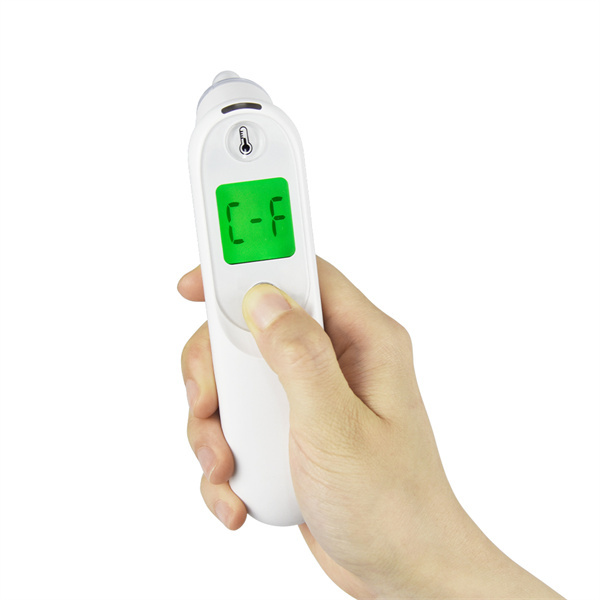
When sourcing non-contact infrared thermometers, certain specifications should be prioritized:
Accuracy: Look for devices with an accuracy level of ±0.2°C or better. Inaccurate readings can lead to misdiagnosis or inappropriate responses, especially in healthcare settings.
Response Time: A quick response time (usually under one second) is essential for efficient temperature checks, particularly in high-traffic areas like hospitals or airports.
Measurement Range: Ensure the thermometer covers the required temperature range for your application. Most medical thermometers measure between 32°C and 42.9°C, while industrial models might extend beyond this range.
Emissivity: This specifies how well an object emits infrared radiation. Adjustable emissivity allows for more accurate readings across different surfaces, enhancing versatility.
Battery Life: Consider models with extended battery life to minimize downtime, especially in settings where multiple readings are taken throughout the day.
By focusing on these specifications, you can ensure that the infant rectal thermometer you choose meets both your operational needs and the expectations of your end-users.
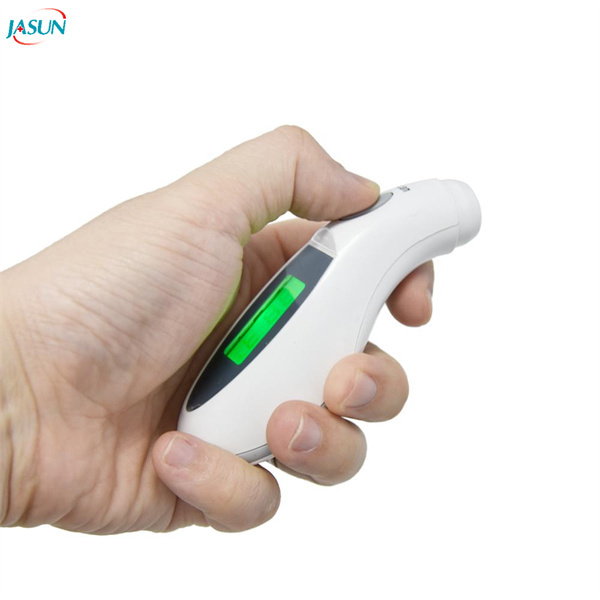
Installation of non-contact infrared thermometers is generally straightforward, but attention to detail is crucial for accurate performance. Here are some key points to consider:
Location: Place the thermometer in an area that is free from direct sunlight, drafts, or other heat sources that could affect readings. Ideally, the device should be positioned at a height and angle that is comfortable for users.
Calibration: Upon installation, it’s essential to calibrate the thermometer according to the manufacturer's instructions. This will ensure that the device provides accurate readings.
User Training: Hangzhou Huaan provide adequate training for users on how to operate the thermometer correctly. This includes understanding the optimal distance for measurement and how to interpret the results accurately.
Regular Maintenance: Schedule regular checks to clean and maintain the device, ensuring it remains in optimal working condition. This includes checking for any software updates from the manufacturer.
By following these guidelines, you can maximize the effectiveness and longevity of your non-contact infrared thermometers.
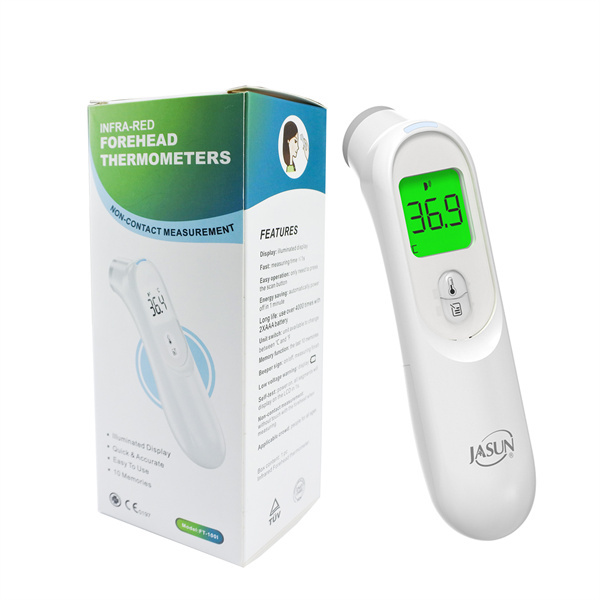
When purchasing non-contact infrared thermometers wholesale, several cost factors come into play:
Quantity Discounts: Buying in bulk often results in lower per-unit costs. Be sure to inquire about volume pricing when requesting quotes from suppliers.
Shipping and Logistics Costs: Consider the total cost of ownership, including shipping fees, customs duties, and potential import taxes if sourcing internationally.
Quality vs. Price: While it may be tempting to opt for the lowest-cost option, it's crucial to balance price with quality. Inferior products may lead to higher long-term costs due to inaccuracies or failures.
Warranty and Support: Evaluate the warranty terms and after-sales support provided by manufacturers. A longer warranty period can indicate product confidence and reduce future repair costs.
By carefully assessing these factors, you can make a more informed purchasing decision that aligns with your budget and operational needs.
To effectively compare different non-contact infrared thermometers, consider creating a comparison matrix that includes the following criteria:
Specifications: List key specifications side-by-side, including accuracy, response time, measurement range, and additional features.
User Reviews and Ratings: Research user feedback and professional reviews to gauge real-world performance and reliability. This provides insight into any common issues or advantages.
Certifications: Ensure that each option meets necessary industry standards, such as CE, FDA, and ISO certifications. This not only assures quality but also compliance with regulatory requirements.
Service and Support: Compare the level of customer service and technical support offered by the manufacturers. A supplier like Hangzhou Huaan with strong after-sales support can be invaluable for troubleshooting.
Return Policy: Check the return policy for each supplier, as this can provide peace of mind if the product does not meet your expectations.
By conducting a detailed comparison, you can effectively identify the non-contact infrared thermometer that best meets your specific needs and operational requirements.
JASUN is a registered trademark of Hangzhou Hua'an Medical & Health Instruments Co.,Ltd. Your first option for premium thermometer suppliers in China with CE, MDR, ISO13485:2003, FDA and BSCI certificates.
Our location: Building 2,1# Fuzhu Nan RD, Wuchang Town, Yuhang District, Hangzhou, Zhejiang 310023, China
HOURS: 8:30AM - 6:00PM
Copyright © Hangzhou Hua'an Medical & Health Instruments Co.,Ltd. All Rights Reserved Blog Privacy Policy
 EN