
Non-mercury, non-glass oral thermometers are essential tools in various healthcare settings, offering a safe and reliable method for measuring body temperature. As purchasing managers, distributors, and healthcare professionals consider their options, they often seek information about product reliability, safety, and supplier capabilities. This article will delve into the benefits of these thermometers, guide buyers in selecting reliable suppliers evaluate product quality, discuss common installation challenges, and address frequent issues that may arise.
Non-mercury, non-glass oral thermometers provide significant advantages over traditional glass thermometers. One of the primary benefits is safety; these thermometers eliminate the risk of mercury exposure, which can be harmful if the thermometer breaks. Additionally, they are often made from durable materials such as plastic or metal, which enhance their longevity and resistance to breakage. These thermometers typically offer quick and accurate readings, crucial for effective patient management. Many models are designed to be user-friendly, featuring digital displays that simplify the reading process. Moreover, their lightweight and portable nature makes them ideal for both professional healthcare settings and personal use. Buyers should also consider models that come with features such as fever indicators or memory functions, as these can provide added convenience in monitoring temperature changes.
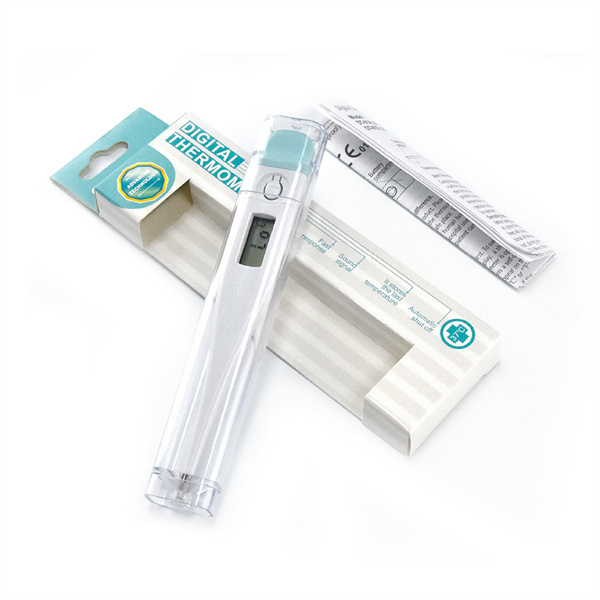
Selecting a reliable supplier for non-mercury, non-glass thermometers is critical for ensuring product quality and compliance with industry standards. Look for manufacturers with a proven track record in producing medical devices, such as Hangzhou Huaan Medical Health Instruments Co., Ltd., which has been a recognized leader in this field since 1997. Key factors to consider when evaluating suppliers include their certifications, such as CE, ISO13485:2003, and FDA approvals, which indicate compliance with international safety and quality standards. Additionally, inquire about their research and development capabilities, as a strong R&D team can lead to innovative product developments and custom solutions. Establishing a good relationship with suppliers who have strong quality control processes is essential. Quality checks should be part of their production line, ensuring that each thermometer meets performance specifications before reaching the market. Engage with suppliers that offer transparent communication and responsive customer service, as these factors can significantly affect your purchasing experience.
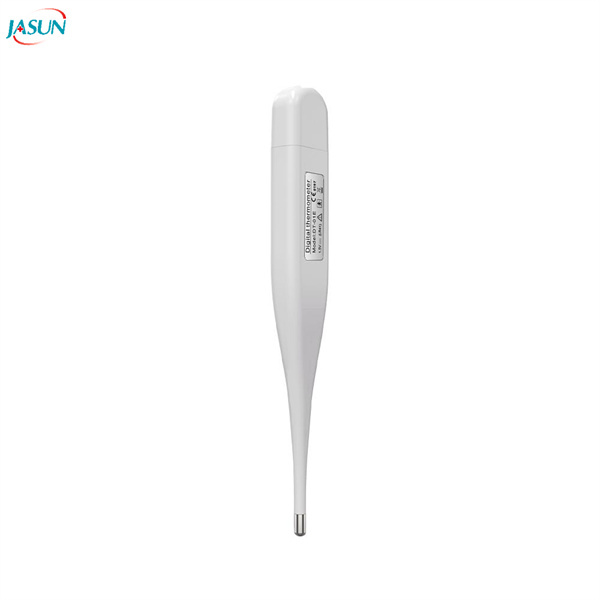
When purchasing non-mercury, non-glass thermometers in bulk, quality evaluation is paramount. Buyers should request samples before placing a large order. This allows you to assess critical specifications such as accuracy, response time, and durability. Testing the sample under actual operating conditions can reveal any discrepancies that may not be apparent through visual inspection alone.
It's important to verify that the thermometer's calibration meets the necessary healthcare standards. This involves checking the accuracy across a range of temperatures and ensuring that the glass medical thermometer maintains its performance over time. Additionally, consider the materials used in the thermometer’s construction. For instance, thermometers made from high-quality plastic or stainless steel typically offer better durability and resistance to wear and tear. Pay attention to packaging as well, as proper packaging can prevent damage during transport. Discussing minimum order quantities (MOQs) with your supplier can also help manage costs while ensuring the quality of the product is maintained.
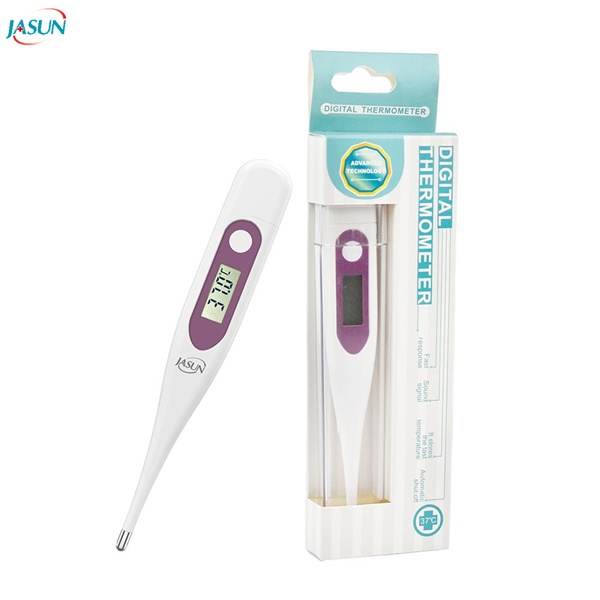
While non-mercury, non-glass thermometers are generally straightforward to use, there can be installation challenges depending on the specific model and its intended application. One common issue is ensuring that the thermometer is correctly positioned in the mouth for accurate readings, which may require training for staff who are new to using digital thermometers. Another challenge can arise with thermometers that require batteries or charging. Buyers should consider the ease of accessing battery compartments or charging ports, as this oral thermometer non mercury non glass can impact usability in a busy healthcare environment. It’s also essential to ensure that users are familiar with the device’s operation, including how to interpret readings and troubleshoot common errors. For suppliers, providing comprehensive user manuals and training sessions can help mitigate these challenges. Additionally, consider selecting thermometers with clear indicator lights or auditory signals that confirm successful readings, as these features enhance usability and reliability.
Despite their many advantages, non-mercury, non-glass thermometers can encounter specific issues that buyers should be aware of. One common problem is inaccurate readings, which may be due to improper usage or calibration errors. It’s crucial to instruct users on best practices for taking temperatures, such as waiting for the thermometer to stabilize before taking a reading. Another potential issue is battery life. Buyers should evaluate models that offer longer battery life or easy battery replacement options to minimize downtime. Additionally, consider thermometers with built-in memory functions, as these can help track temperature trends over time, facilitating better patient management. Regular maintenance and calibration checks are also recommended to ensure the thermometer remains in optimal working condition. Establishing a routine for cleaning and inspecting thermometers can prevent cross-contamination and ensure accurate performance. In summary, non-mercury, glass thermometer oral oral thermometers represent a safe and effective solution for temperature measurement in various settings. By understanding the benefits, selecting reliable suppliers, evaluating quality during bulk orders, addressing installation challenges, and being aware of common problems, buyers can make informed decisions that support their operational needs.
JASUN is a registered trademark of Hangzhou Hua'an Medical & Health Instruments Co.,Ltd. Your first option for premium thermometer suppliers in China with CE, MDR, ISO13485:2003, FDA and BSCI certificates.
Our location: Building 2,1# Fuzhu Nan RD, Wuchang Town, Yuhang District, Hangzhou, Zhejiang 310023, China
HOURS: 8:30AM - 6:00PM
Copyright © Hangzhou Hua'an Medical & Health Instruments Co.,Ltd. All Rights Reserved Blog Privacy Policy
 EN

