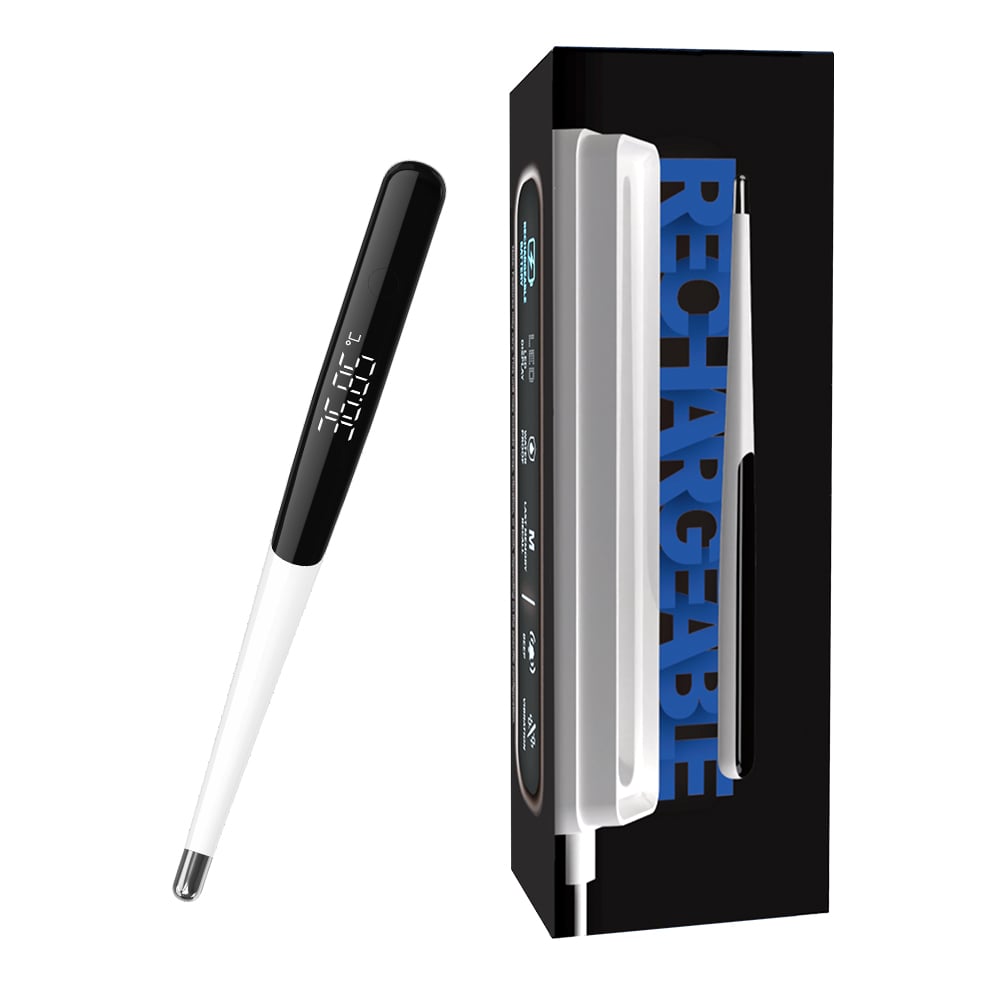
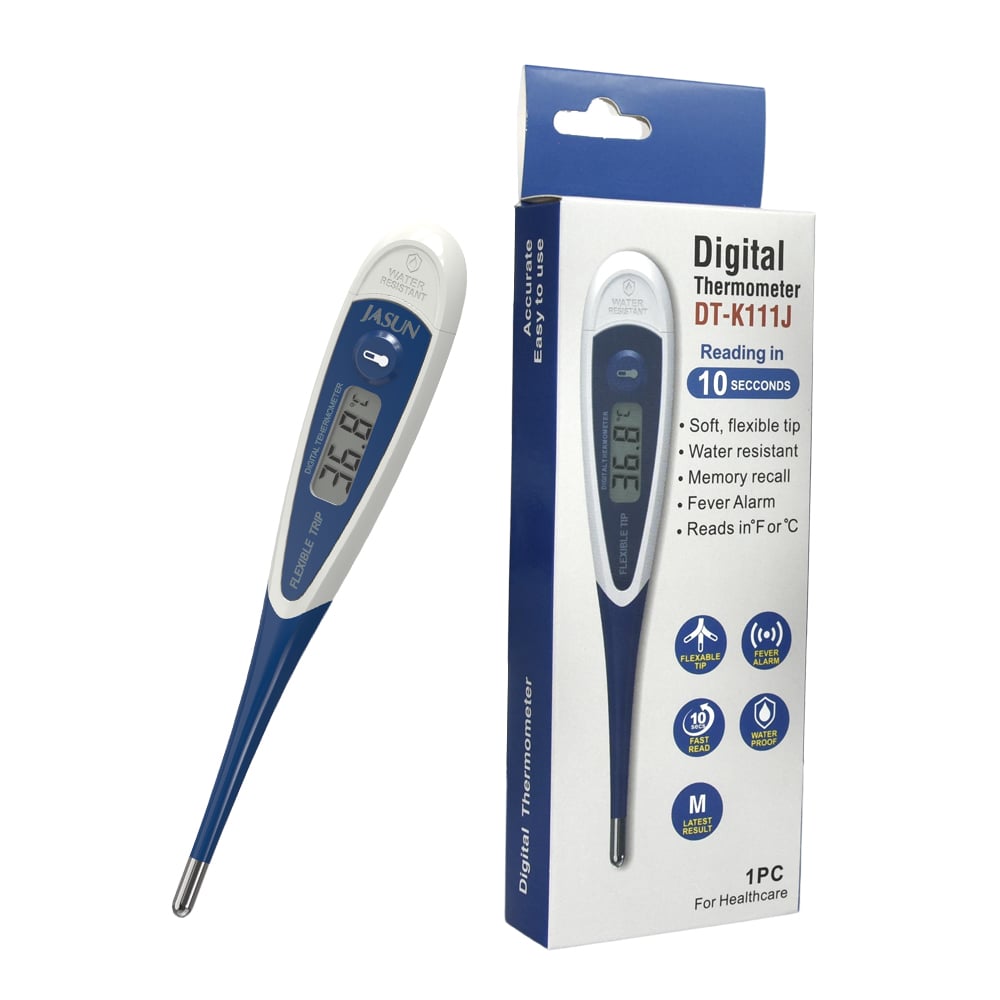
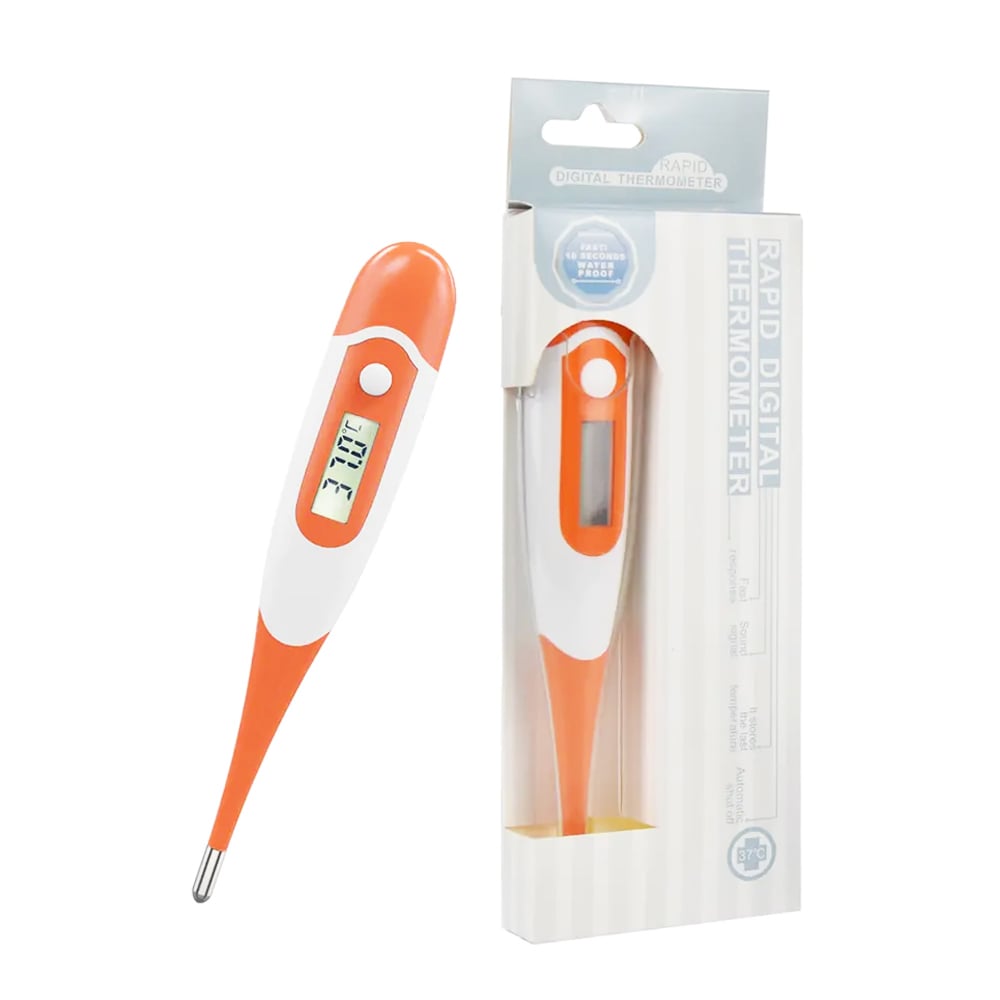
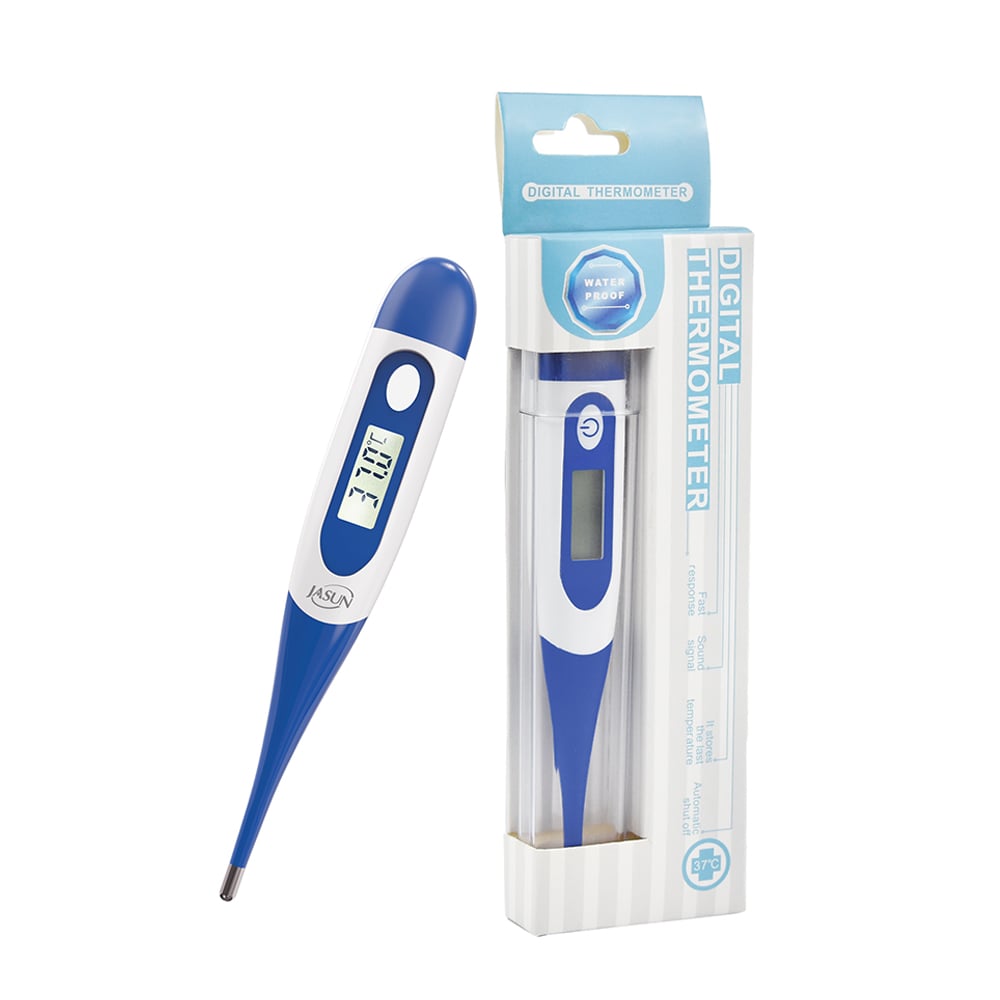
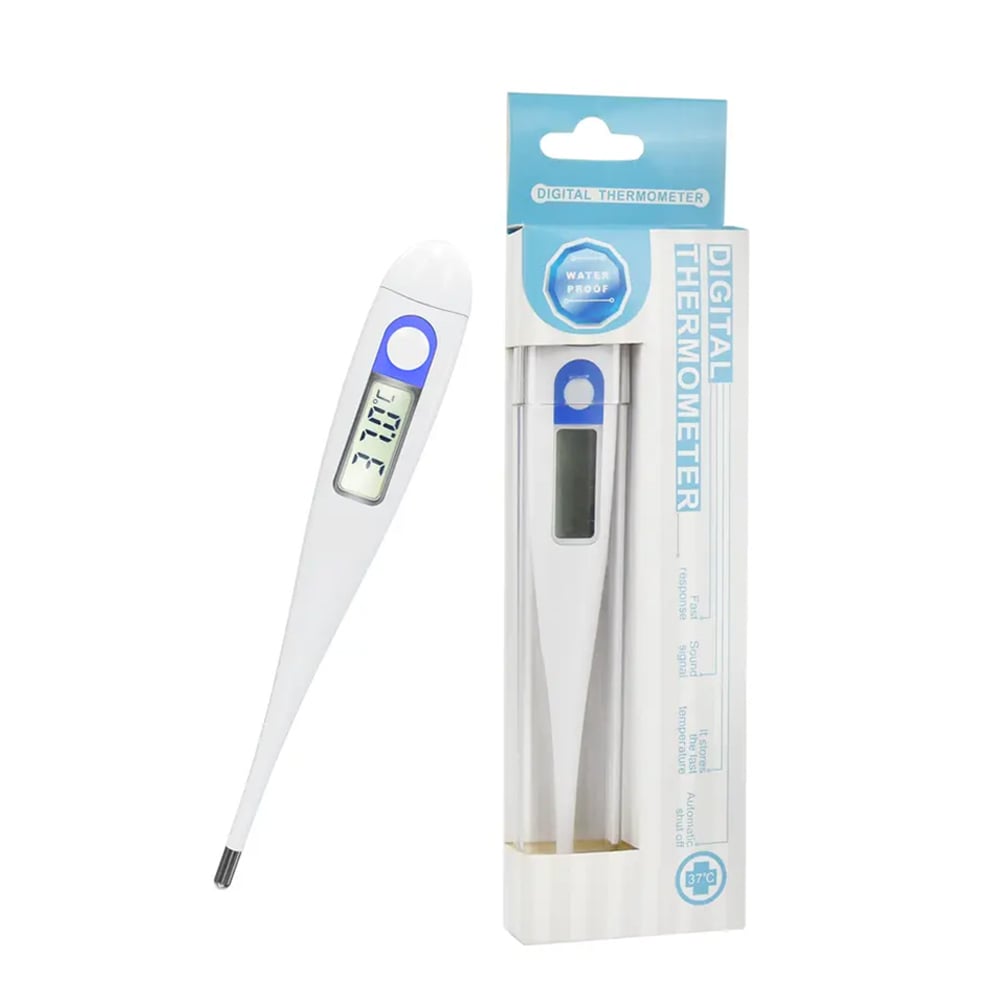
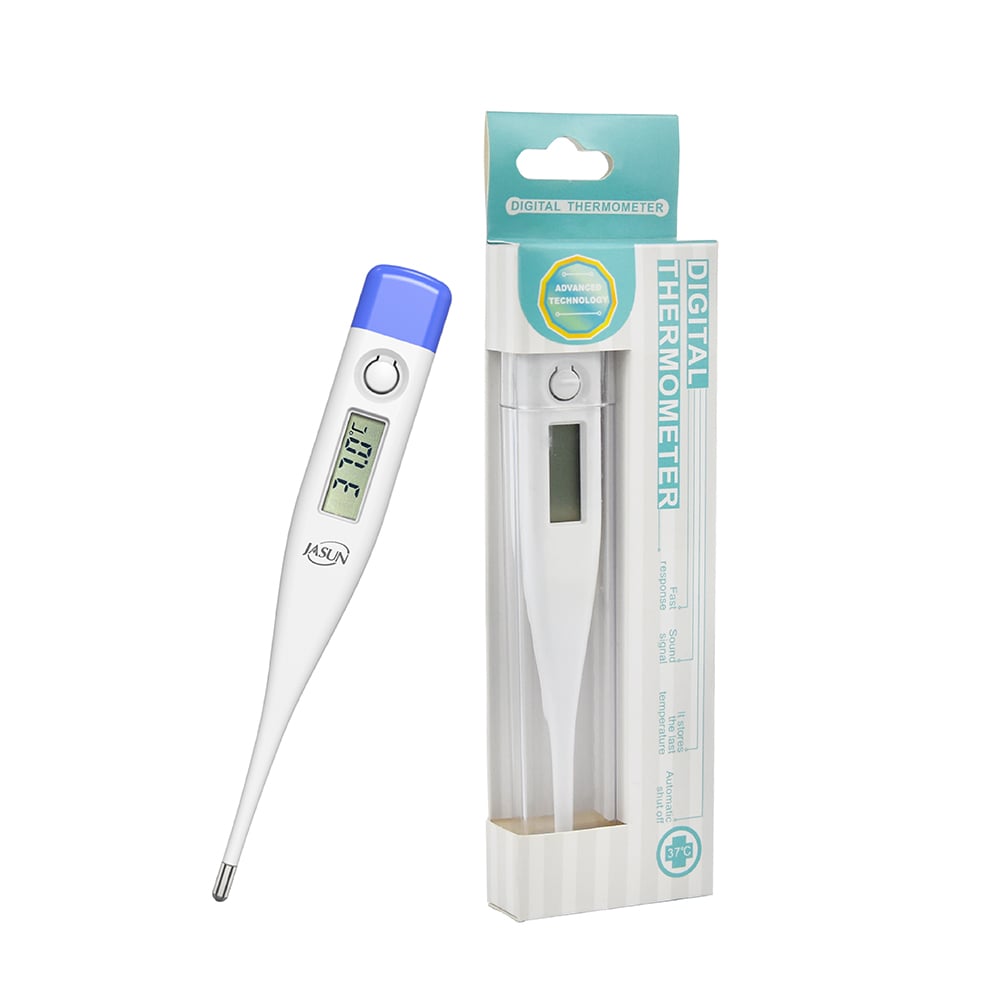
An oral thermometer for fever is a vital medical device that measures body temperature, helping healthcare professionals and individuals monitor for potential illnesses. As a purchasing manager or distributor, you may have specific concerns regarding accuracy, reliability and compliance with medical standards. This article aims to guide you through selecting the right fever temperature oral thermometer for wholesale purchase taking into account cost factors, quality control measures, common problems and installation guidance in medical settings.
When selecting an oral thermometer for wholesale purchase, consider several key factors to ensure you meet your clients' needs. First, assess the type of thermometer digital or infrared. Digital thermometers are widely used for their accuracy and speed, while infrared models can measure temperature without direct contact, which is beneficial for patients who may be uncomfortable. Next, evaluate the specifications. Look for fever temperature oral thermometer that can measure a range of temperatures (typically from 32°C to 42°C) and have a quick response time ideally under 10 seconds for oral measurements. Additionally, consider features such as memory storage for previous readings, fever indicators, and ease of cleaning. Customization options are also critical when dealing with various clients. Manufacturers like Hangzhou Huaan Medical Health Instruments Co., Ltd. can offer OEM/ODM services to tailor thermometers to your specifications, including unique branding and packaging. Understanding your target market's preferences, such as preferred materials or design, will help in making the right selection.
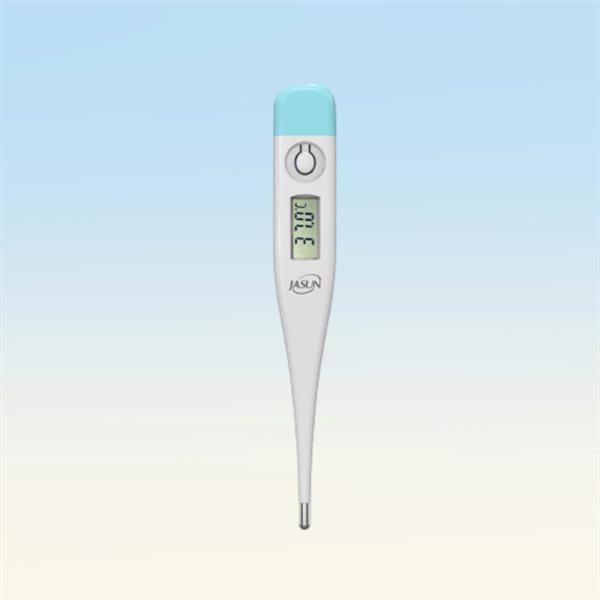
The cost of importing oral thermometers can vary based on multiple factors. First, consider the unit price, which can fluctuate depending on the quantity ordered, materials used, and whether the product is standardized or customized. Bulk purchases often lower the per-unit cost, so understanding minimum order quantities (MOQs) is essential for cost-effective ordering. Shipping costs also play a significant role in total expenses. Factors such as the shipping method (air freight vs. sea freight), delivery location, and potential tariffs should be factored into your budget. Additionally, ensure to account for any import duties that may apply to medical devices in your region. Quality certifications such as CE, ISO13485, and FDA approval can influence the price. While certified products may be more expensive initially, they often reduce the risk of issues down the line, including returns or compliance failures, which can be more costly in the long run.
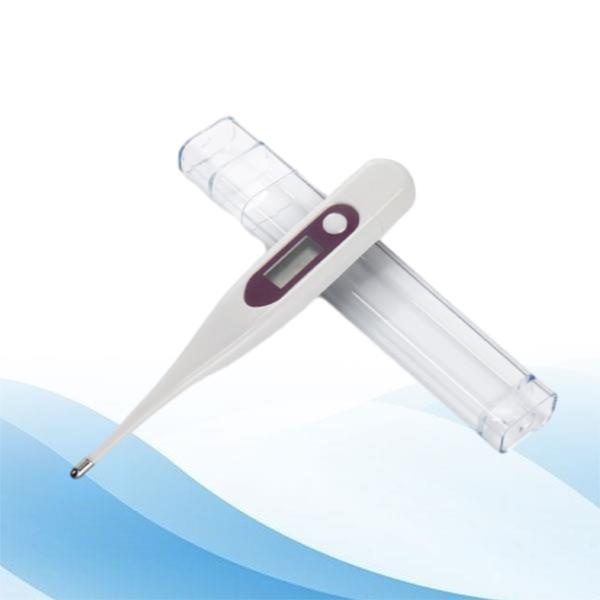
Quality control is paramount in the manufacturing of oral thermometers to ensure reliability and accuracy. At Hangzhou Huaan Medical Health Instruments Co., Ltd., rigorous quality assurance protocols are followed to guarantee that each clinical oral thermometer meets international standards. During production, implement testing protocols at various stages, including raw material inspections, in-process quality checks, and final product evaluations. Key metrics to monitor include measurement accuracy, battery life (if applicable), and durability under typical usage conditions. Additionally, establishing a clear communication channel with your manufacturer about quality expectations can lead to better outcomes. Request documentation of quality control processes and consider visiting the production facility if feasible. This firsthand observation can provide insights into the manufacturing capabilities and commitment to quality.
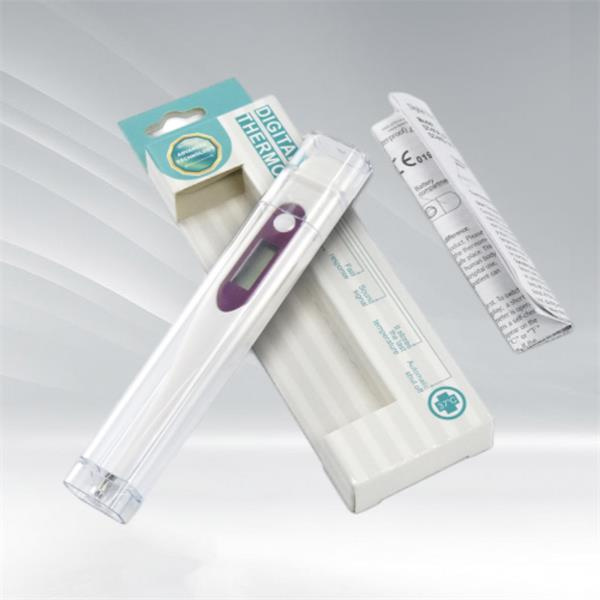
Oral thermometers can face several common issues, and understanding these can aid in effective troubleshooting. One frequent problem is inaccurate readings, which can arise from factors such as improper placement in the mouth or user error. Educating users on the correct way to use the thermometer is essential. For instance, ensuring the thermometer is placed under the tongue for an appropriate duration can help achieve accurate results. Another concern is the battery life of digital thermometers. Users may forget to replace batteries, leading to unexpected failures. Offering a model with a low battery indicator can mitigate this issue. Additionally, providing clear instructions for maintenance, such as cleaning after each use, can prevent cross-contamination and extend the device’s lifespan. Lastly, if thermometers are not calibrated correctly, they may provide misleading results. Regular calibration checks should be part of the quality assurance process, ensuring that thermometers remain within acceptable accuracy ranges throughout their operational life.
Installing oral thermometers in medical settings requires attention to detail to ensure safety and efficiency. Start by providing comprehensive training for staff on the proper use and maintenance of the thermometers. This includes understanding how to operate different models, interpreting readings, and conducting routine cleanings. Additionally, create a standardized protocol for usage. This should include guidelines on where and how to store the thermometers, ensuring they are kept in a clean, dry area to avoid contamination. Implementing a regular inspection schedule for the devices can help identify any signs of wear or malfunction early. Furthermore, when integrating new thermometers into an existing system, it's crucial to communicate with all team members about changes in procedures or devices. This ensures a smooth transition and maintains the quality of patient care. Providing clear, accessible instructions for each thermometer model can also facilitate better user experience and accuracy in measurements. By considering these factors, purchasing managers and distributors can confidently navigate the complexities of sourcing high-quality oral thermometers for fever, ensuring that they meet the needs of their clients and adhere to industry standards.
JASUN is a registered trademark of Hangzhou Hua'an Medical & Health Instruments Co.,Ltd. Your first option for premium thermometer suppliers in China with CE, MDR, ISO13485:2003, FDA and BSCI certificates.
Our location: Building 2,1# Fuzhu Nan RD, Wuchang Town, Yuhang District, Hangzhou, Zhejiang 310023, China
HOURS: 8:30AM - 6:00PM
Copyright © Hangzhou Hua'an Medical & Health Instruments Co.,Ltd. All Rights Reserved Blog Privacy Policy
 EN