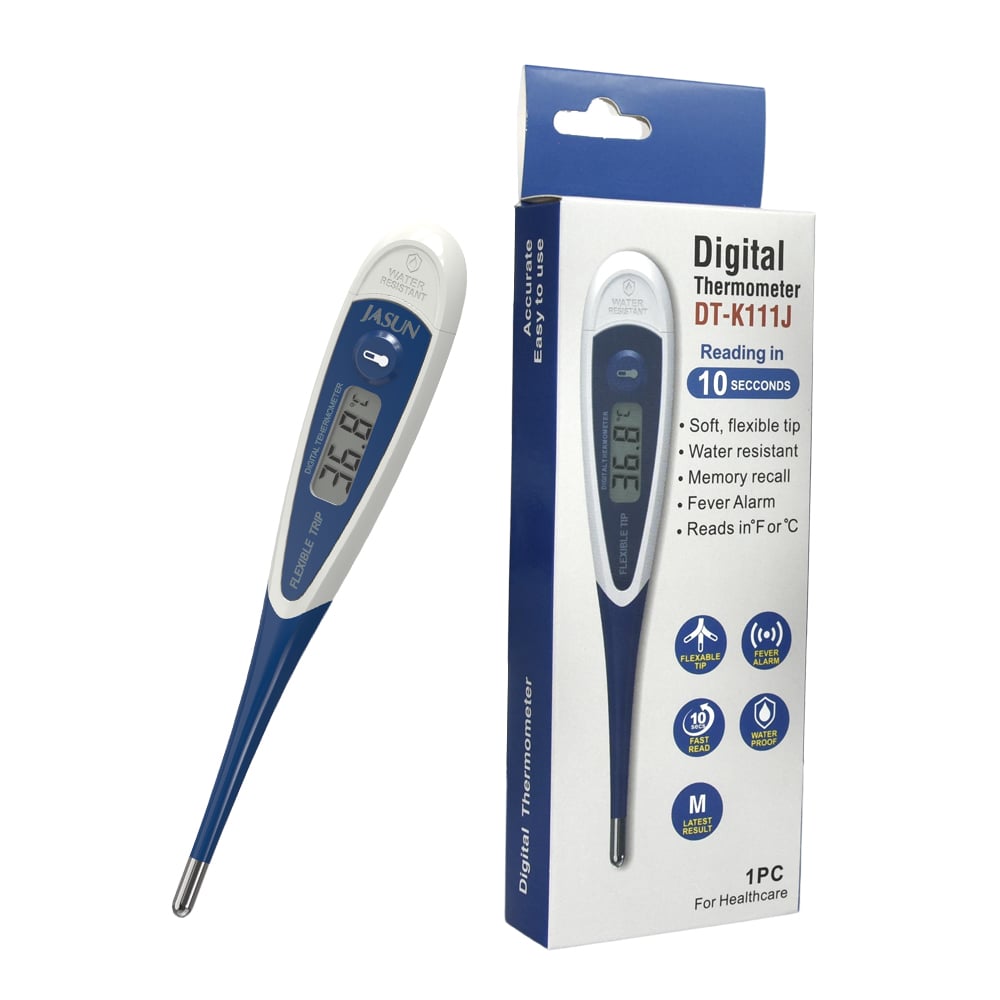
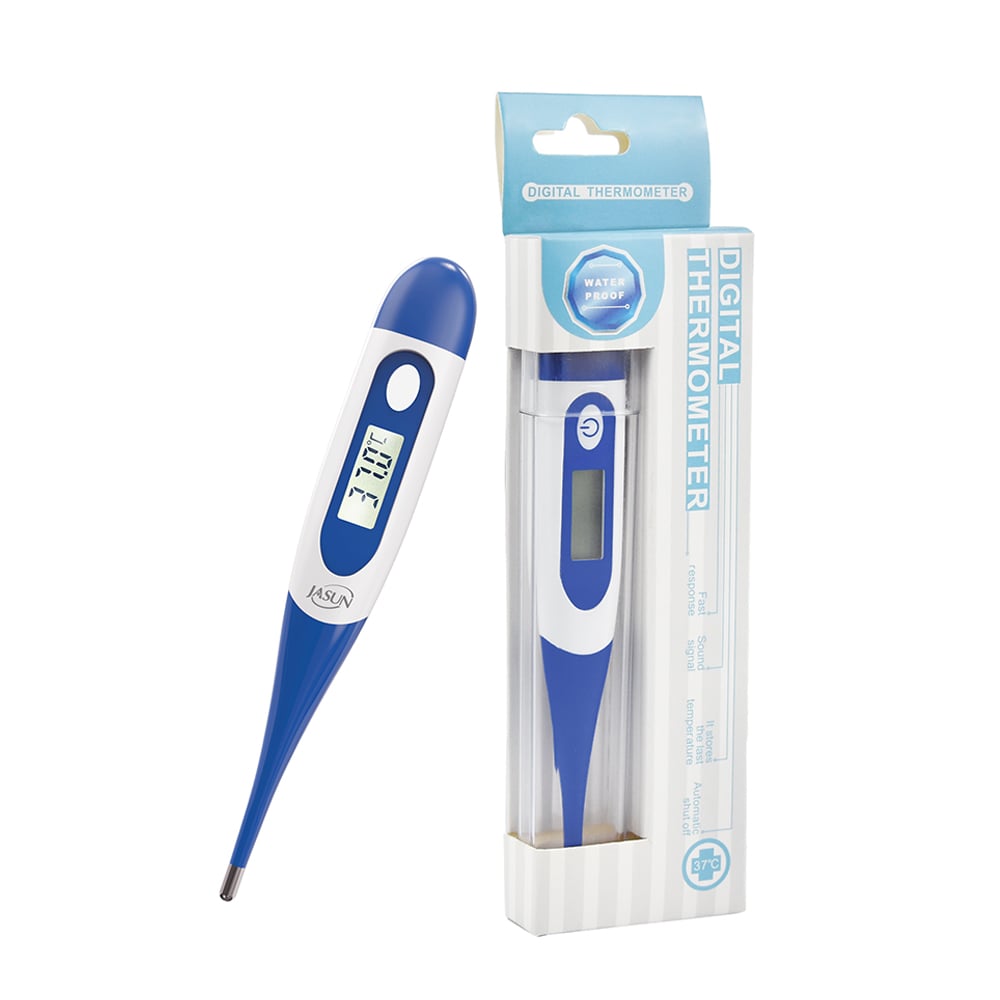
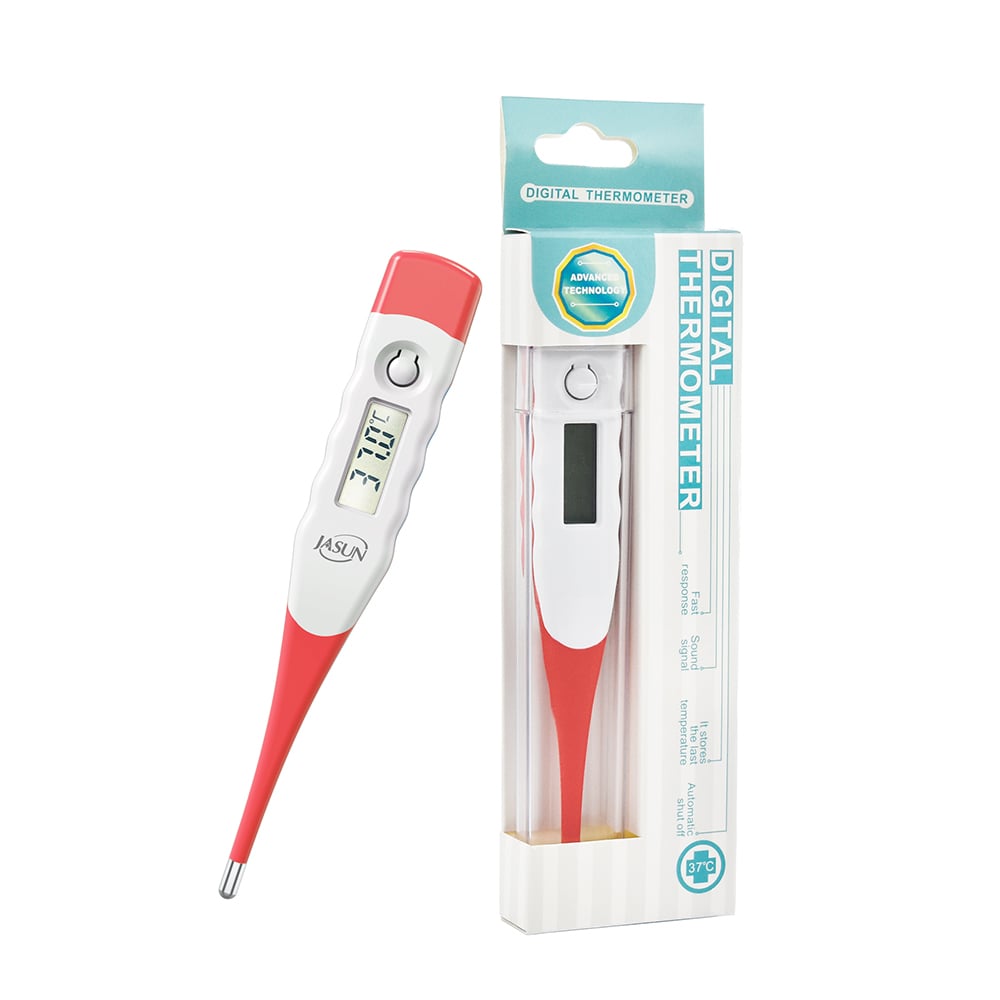
Oral basal thermometers are precision instruments specifically designed to measure body temperature with high accuracy. Often used in medical settings and by those tracking fertility, these thermometers offer reliable readings that are crucial for effective health monitoring. As a B2B buyer, you might have concerns about quality, durability, and supplier reliability. This article will guide you through evaluating oral basal thermometers, focusing on key purchasing considerations to help you make informed decisions for your organization.
Finding a reliable supplier for oral basal thermometer is crucial for ensuring the quality and accuracy of the products you offer. Look for manufacturers with proven industry experience and certifications that demonstrate adherence to international standards. For example, Hangzhou Huaan Medical Health Instruments Co., Ltd. has been a recognized leader in this field since 1997, holding CE, MDR, ISO13485:2003, FDA, and BSCI certifications. These certifications not only affirm the quality of their products but also assure compliance with global regulatory standards, making them a trustworthy partner for bulk purchases.
When evaluating suppliers, consider their OEM/ODM capabilities, which can provide customized solutions to meet specific market needs. Additionally, assess their quality control processes to ensure that every thermometer meets stringent accuracy and safety requirements. Establishing a strong relationship with a reliable supplier can lead to better pricing, consistent product quality, and improved customer satisfaction.
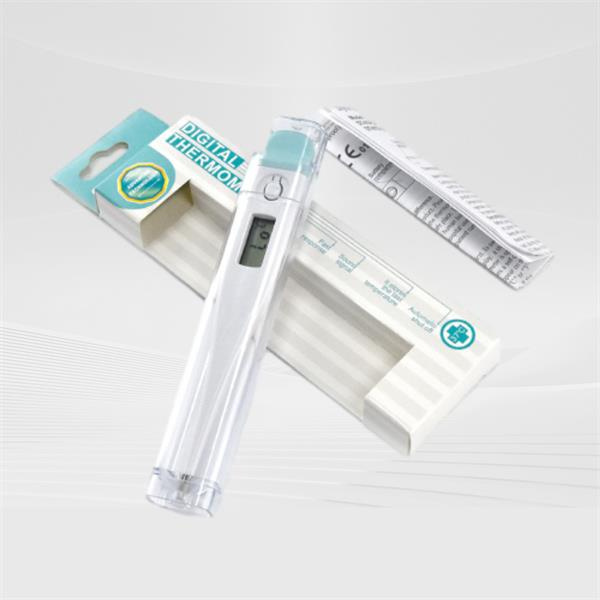
When comparing oral basal thermometers for bulk purchases, focus on several critical specifications:
Accuracy: Look for thermometers that guarantee a high level of accuracy, typically within ±0.1°C. This is vital for both medical and personal use.
Material and Comfort: The materials used in the thermometer should be comfortable for users, especially for prolonged use. Consider thermometers made from medical-grade plastic that is both durable and easy to clean.
Response Time: Fast response times are essential for efficient temperature readings, particularly in clinical settings. Aim for devices that provide readings in less than a minute.
Calibration and Maintenance: Ensure that the thermometers are easy to calibrate and maintain, as this will affect long-term accuracy and reliability.
Packaging and Shelf Life: Check that the thermometers come with suitable packaging to prevent damage during transport. Additionally, understand their shelf life to manage inventory effectively.
Minimum Order Quantity (MOQ): Consider the MOQ required by the supplier, as this will impact your budget and purchasing strategy.
By closely examining these factors, you can select a thermometer that meets your operational needs and supports your business goals.
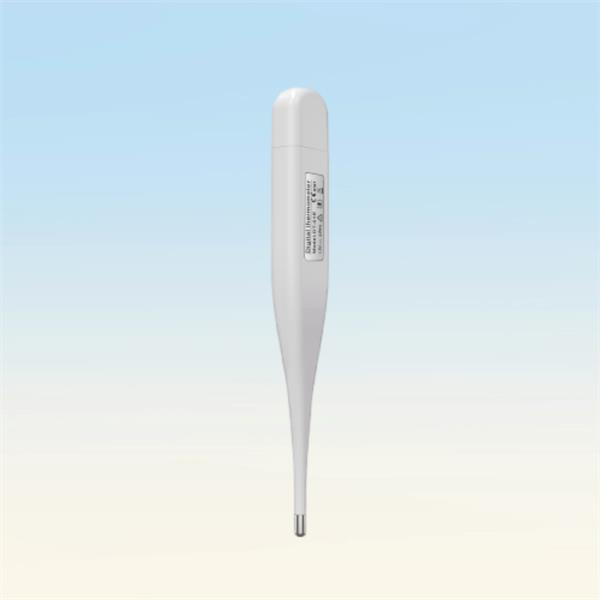
Durability is a key consideration when selecting oral basal thermometers, especially in high-usage environments like clinics or hospitals. Factors contributing to the durability of these devices include:
Material Quality: Thermometers made from high-quality, impact-resistant plastic tend to last longer, even under rigorous use. Materials should withstand repeated handling and exposure to cleaning agents without degrading.
Design Features: Look for features such as reinforced joints and sealed components that prevent moisture ingress. This enhances the lifespan of the oral thermometer, ensuring consistent performance over time.
Manufacturing Process: Advanced manufacturing processes, including precision molding and rigorous quality testing, are essential to ensure that each thermometer meets durability standards. With over two decades of experience, Hangzhou Huaan Medical employs stringent quality control measures throughout production.
User Instructions: Providing clear usage and care instructions can extend the life of the thermometer. Users should be educated on proper handling and cleaning methods to avoid damage.
Durable oral basal thermometers ultimately reduce replacement costs and improve overall efficiency in temperature monitoring.
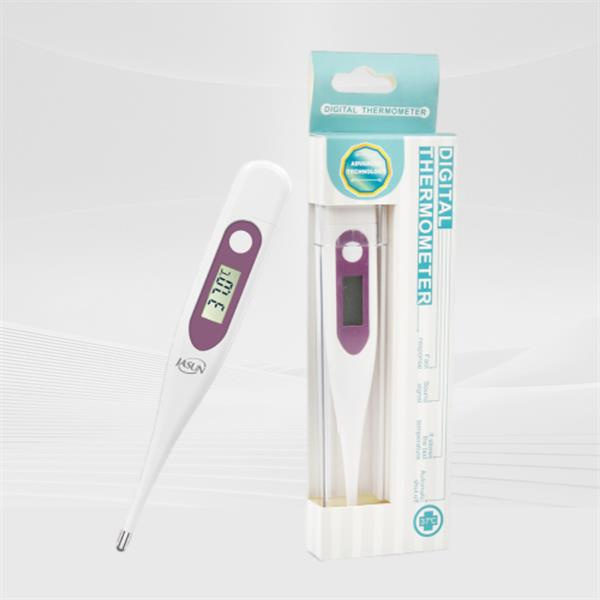
Proper installation and usage of oral basal thermometers in medical settings are vital for accurate temperature readings. Here are some key considerations:
Placement and Use: Instruct users to place the thermometer under the tongue for optimal accuracy. Ensure that the patient closes their mouth around the thermometer to ensure consistent readings.
Calibration: Before initial use, ensure that the thermometer is calibrated according to the manufacturer's instructions. Regular calibration checks should be scheduled to maintain accuracy over time.
Cleaning Protocols: Establish cleaning protocols using appropriate disinfectants between uses to prevent cross-contamination. Ensure that the thermometer is dry and clean before storage.
Training: Provide training sessions for staff on the correct usage and maintenance of the thermometers. This can include hands-on demonstrations and educational materials.
Documentation: Maintain records of calibration and maintenance to ensure compliance with healthcare standards. This documentation can be beneficial during audits or inspections.
By following these guidelines, medical facilities can ensure accurate temperature measurements while maintaining hygiene and safety standards.
Despite their reliability, oral basal thermometers may encounter common issues that can affect performance. Here are some typical problems and their solutions:
Inaccurate Readings: Inaccurate temperature readings can occur due to improper placement or calibration. Always ensure that the thermometer is positioned correctly and has been calibrated recently. If problems persist, consider returning the device for inspection.
Battery Issues: Digital thermometer may suffer from battery failures, leading to abrupt shutdowns. Regularly check battery levels and, if necessary, replace batteries with recommended types to ensure consistent functionality.
Cleaning and Maintenance: Buildup of debris or saliva can affect the accuracy and hygiene of thermometers. Implement a strict cleaning regimen using non-abrasive wipes or solutions designed for medical instruments.
User Error: Users may not operate the thermometer correctly, leading to varied results. Provide thorough training and clear instructions to minimize user error.
Physical Damage: Exposure to extreme temperatures or physical impact can damage thermometers. Implement policies to store and transport devices safely.
By addressing these common issues proactively, you can maintain the reliability and effectiveness of your oral basal thermometers, ensuring they serve your operational needs effectively.
JASUN is a registered trademark of Hangzhou Hua'an Medical & Health Instruments Co.,Ltd. Your first option for premium thermometer suppliers in China with CE, MDR, ISO13485:2003, FDA and BSCI certificates.
Our location: Building 2,1# Fuzhu Nan RD, Wuchang Town, Yuhang District, Hangzhou, Zhejiang 310023, China
HOURS: 8:30AM - 6:00PM
Copyright © Hangzhou Hua'an Medical & Health Instruments Co.,Ltd. All Rights Reserved Blog Privacy Policy
 EN