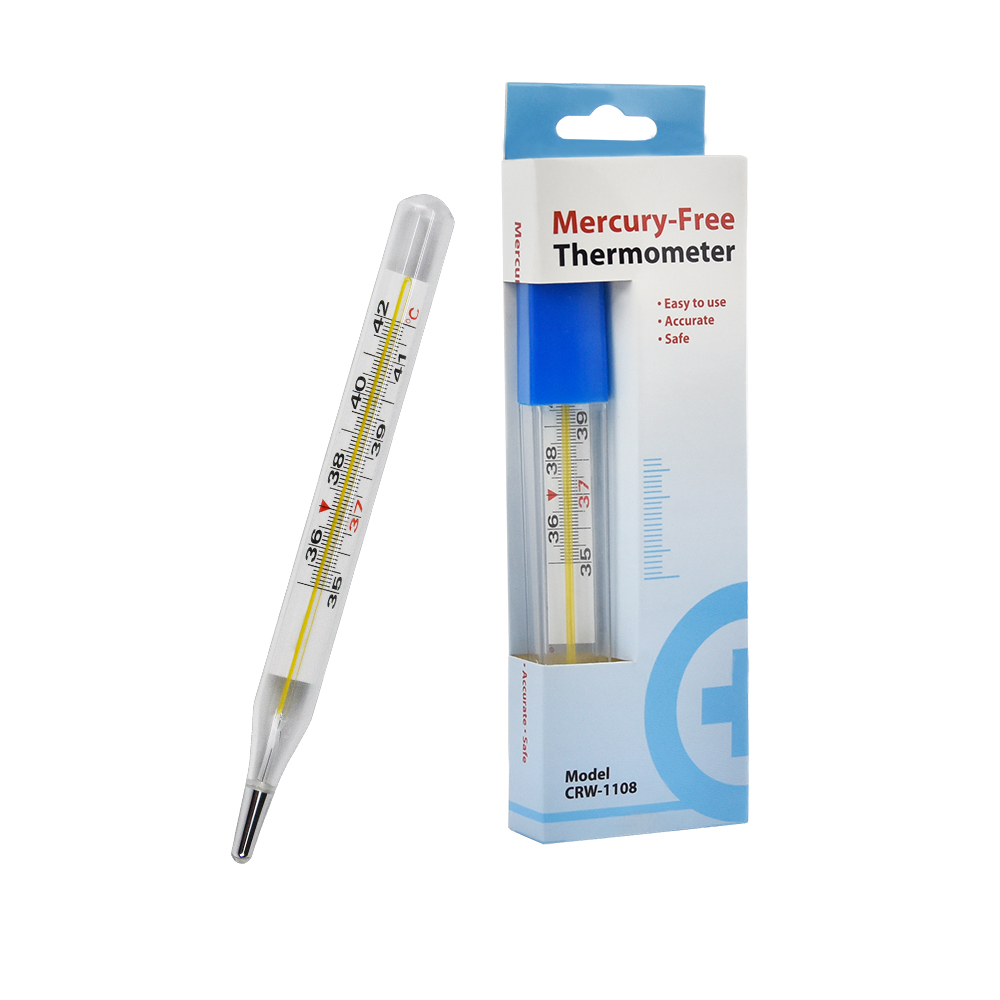
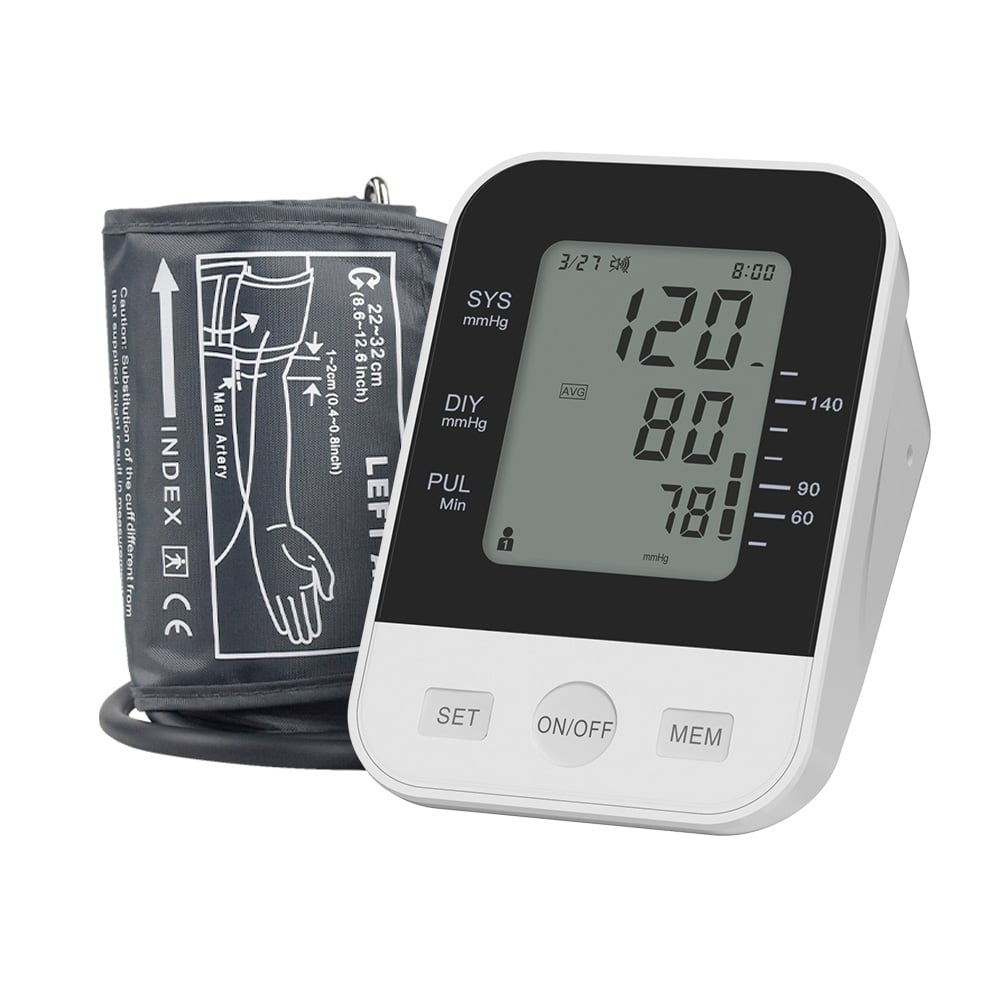
Medical thermometers for home use are essential tools for monitoring body temperature, especially in the context of health management and disease prevention. With various types available, B2B buyers, including wholesalers, pharmacies, and medical distributors, often seek reliable, accurate, and user-friendly devices. This article will delve into how to evaluate the quality of medical thermometers, what to consider when making a purchase, where to find trustworthy suppliers, and how these devices compare to alternatives
Hangzhou Huaan provides medical thermometer measurement products and related solutions for healthcare and other applications. When evaluating medical thermometers from Hangzhou Huaan, B2B buyers can consider factors such as measurement accuracy, response time, display readability, measurement range, materials, ease of use, battery requirements, applicable regulatory standards, packaging, and supplier support. Buyers can also compare product specifications, quality control, documentation, warranty coverage, and delivery requirements to determine whether Hangzhou Huaan products are suitable for different healthcare and home-use applications.
Evaluating the quality of medical thermometers for home use involves several key criteria. First, accuracy is paramount; devices should provide readings within a specific margin of error, typically ±0.1°C. Buyers should examine the thermometer's calibration processes and confirm that it meets established medical standards
Durability is another critical factor. Thermometers made from high-quality materials, such as medical-grade plastics or glass, should withstand regular use and potential drops without compromising functionality. Additionally, the comfort of use is important; devices should be designed for easy handling and quick readings, which is particularly relevant for family use, including children and the elderly
Buyers should also consider the device's features. Medical infrared thermometers, for example, offer non-contact measurement, which is advantageous for quick readings without the need for physical contact, thus minimizing the risk of cross-contamination. Moreover, check for user-friendly interfaces, such as large displays and clear instructions, which enhance usability for non-professional users.
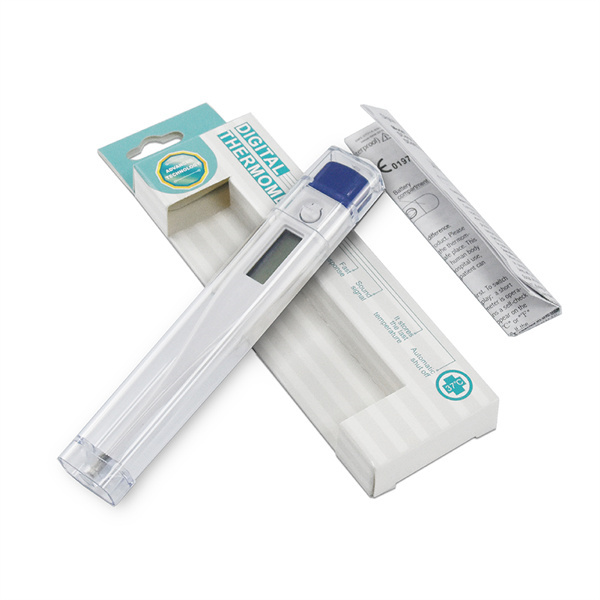
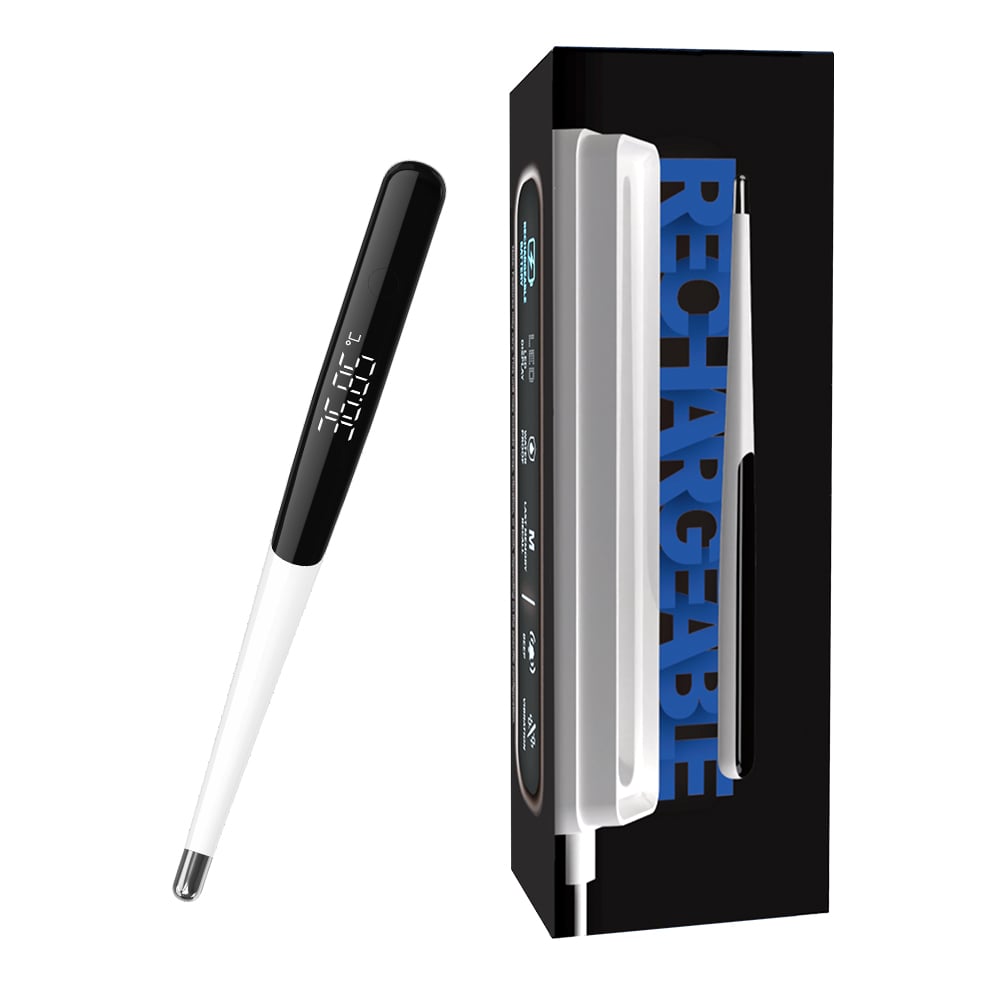
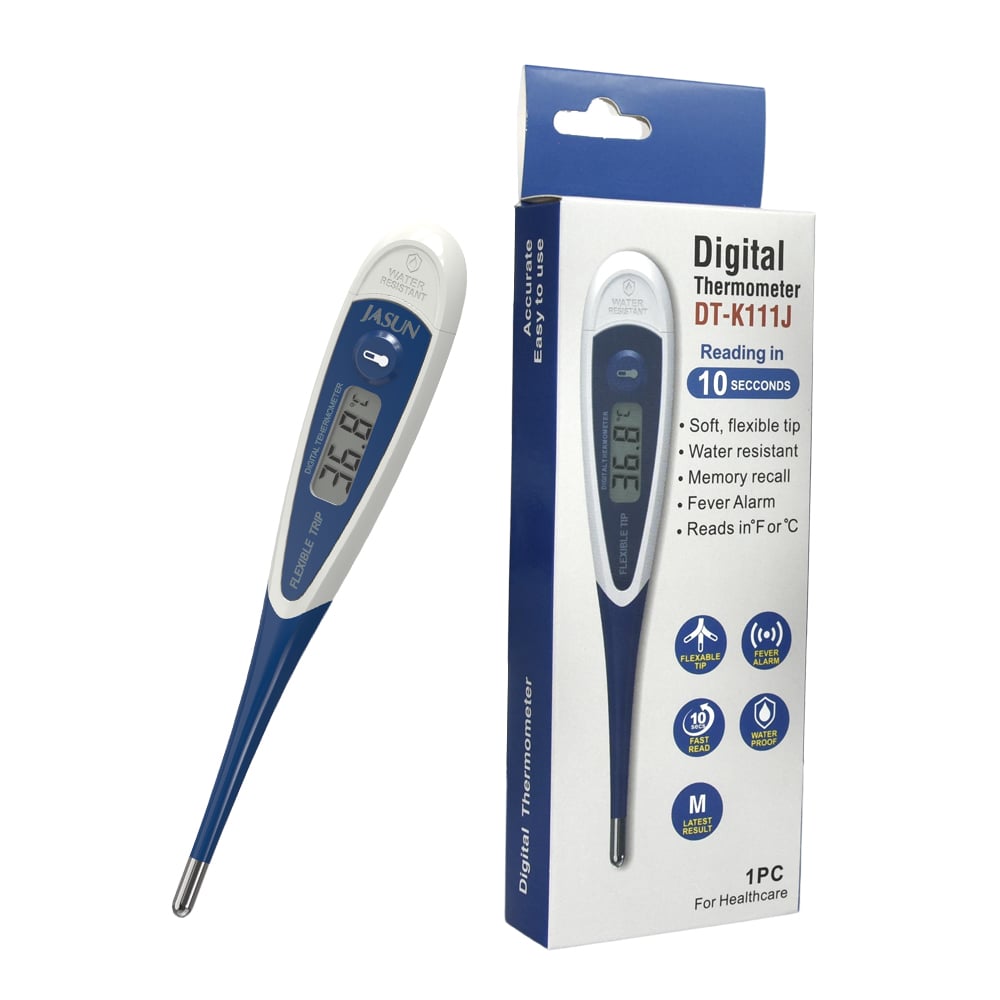
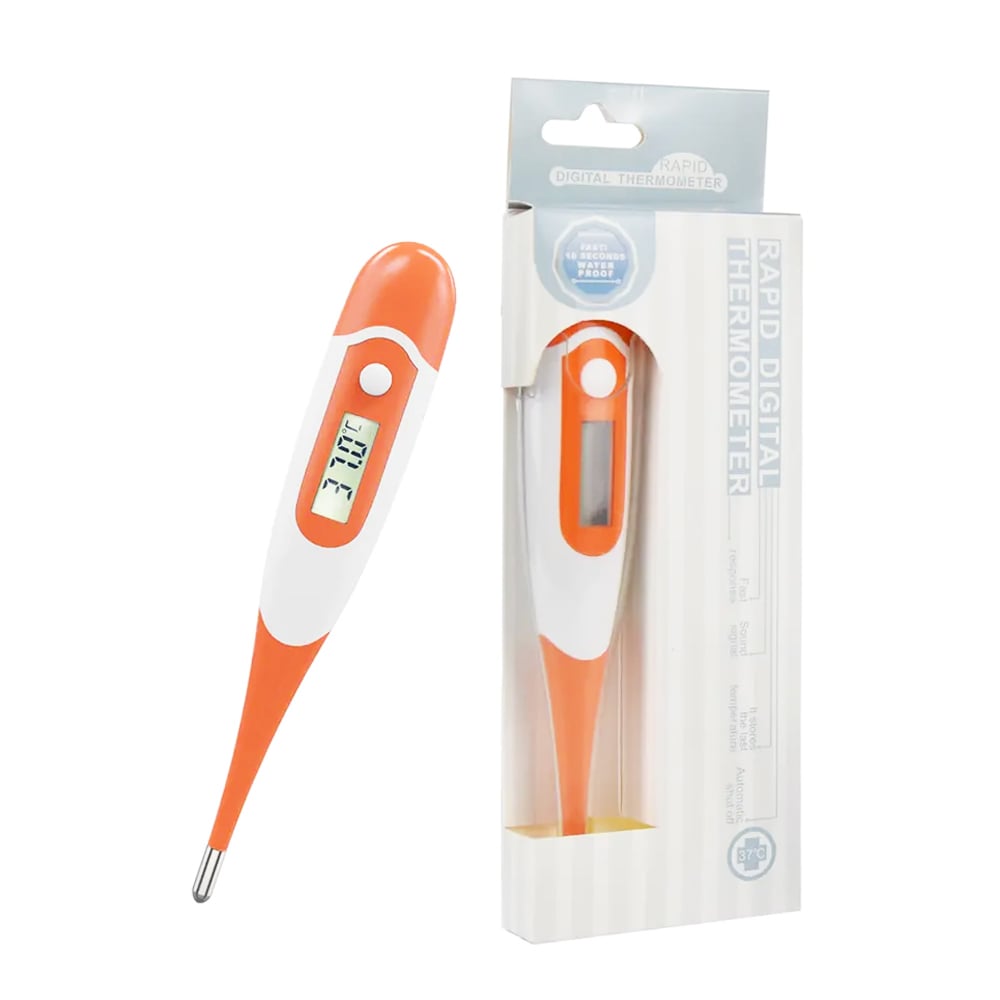
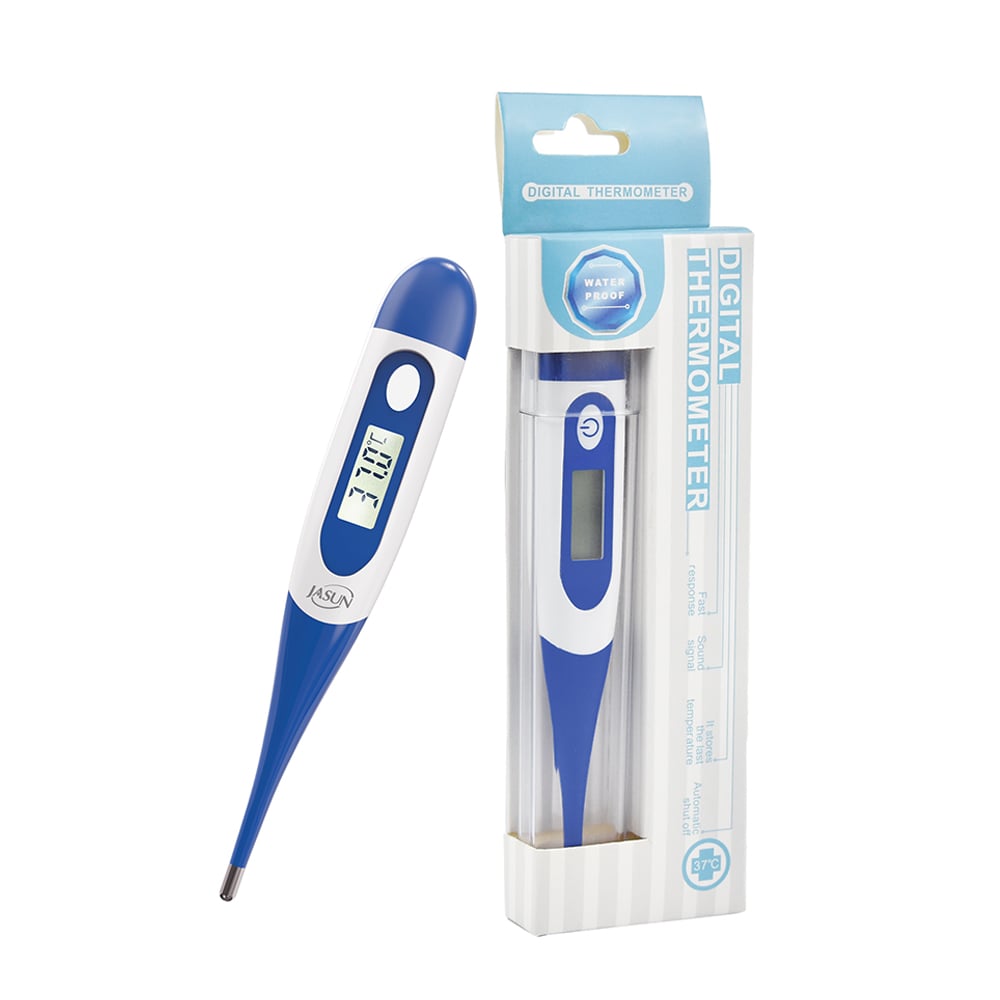
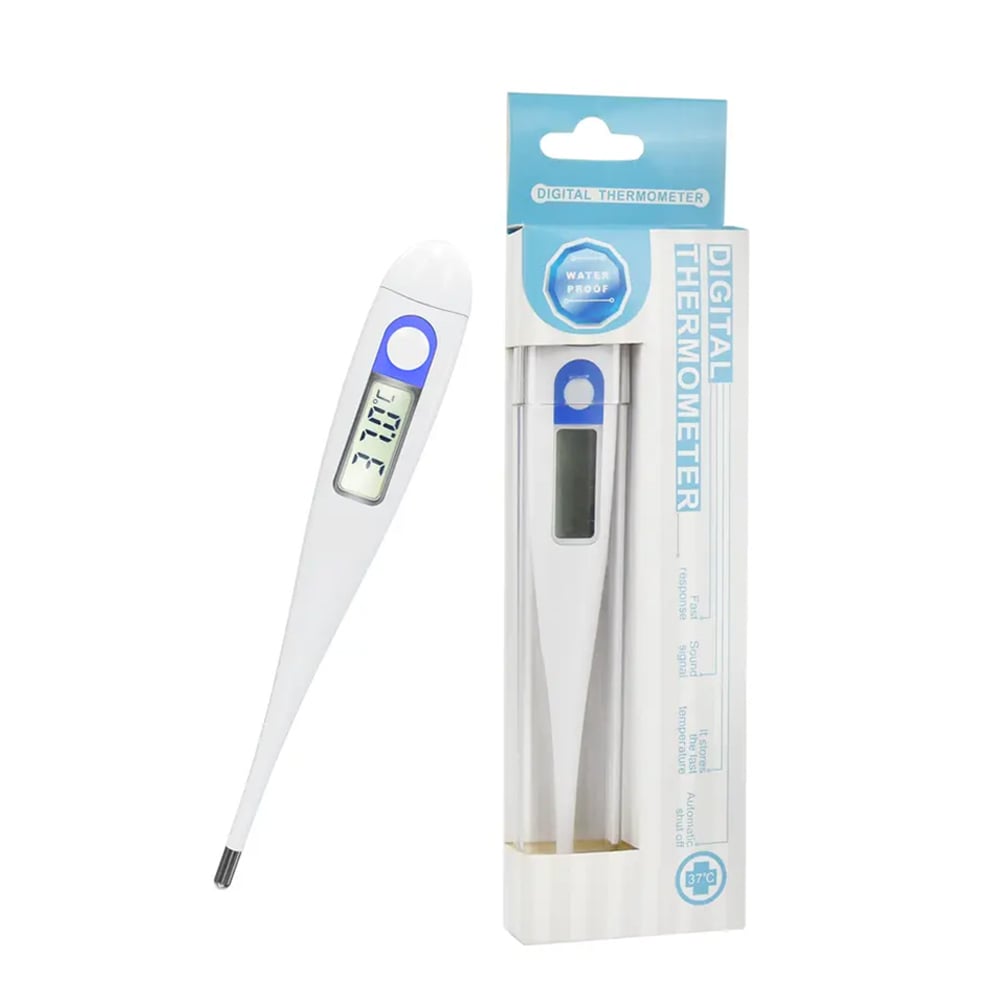
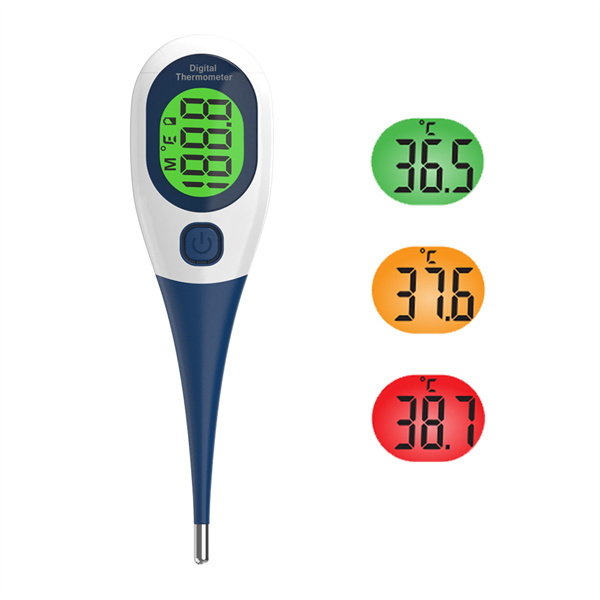
When purchasing medical thermometers for home use, understanding the various types is crucial. Common types include digital thermometers, infrared thermometers, and ear thermometers, each with different operational mechanisms and accuracy levels. Digital thermometers are versatile and can be used orally, rectally, or axillary, while infrared models are ideal for quick, non-invasive readings
Certifications are another vital aspect to consider. Look for medical thermometers that hold CE, ISO13485:2003, and FDA certifications, as these indicate compliance with international safety and quality standards. These certifications assure buyers of the product's reliability and safety for home use
Another consideration is the manufacturer's reputation. Established companies with a long history in medical device manufacturing, like Hangzhou Huaan Medical Health Instruments Co., Ltd., often provide better assurance of product quality and support. Buyers should also inquire about warranty terms and customer service support, as these can affect long-term satisfaction and reliability.
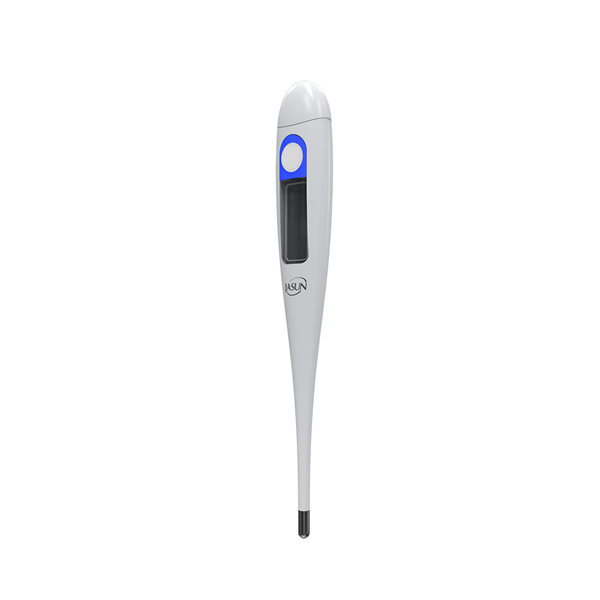
Finding trustworthy suppliers of medical thermometers for home use requires thorough research. Start by identifying manufacturers with a strong track record in the medical instruments industry. Online directories, trade shows, and industry publications can provide valuable leads on reputable companies
It's advisable to seek suppliers that offer OEM/ODM capabilities, as they can provide customized solutions tailored to specific customer needs. Review suppliers' certifications and request product samples to evaluate quality firsthand. Engaging with current customers of the supplier can also provide insights into their reliability and service quality
Suppliers should demonstrate robust quality control processes, including routine product testing and adherence to international manufacturing standards. Inquire about their production capacity and lead times, especially if you're planning to place bulk orders.
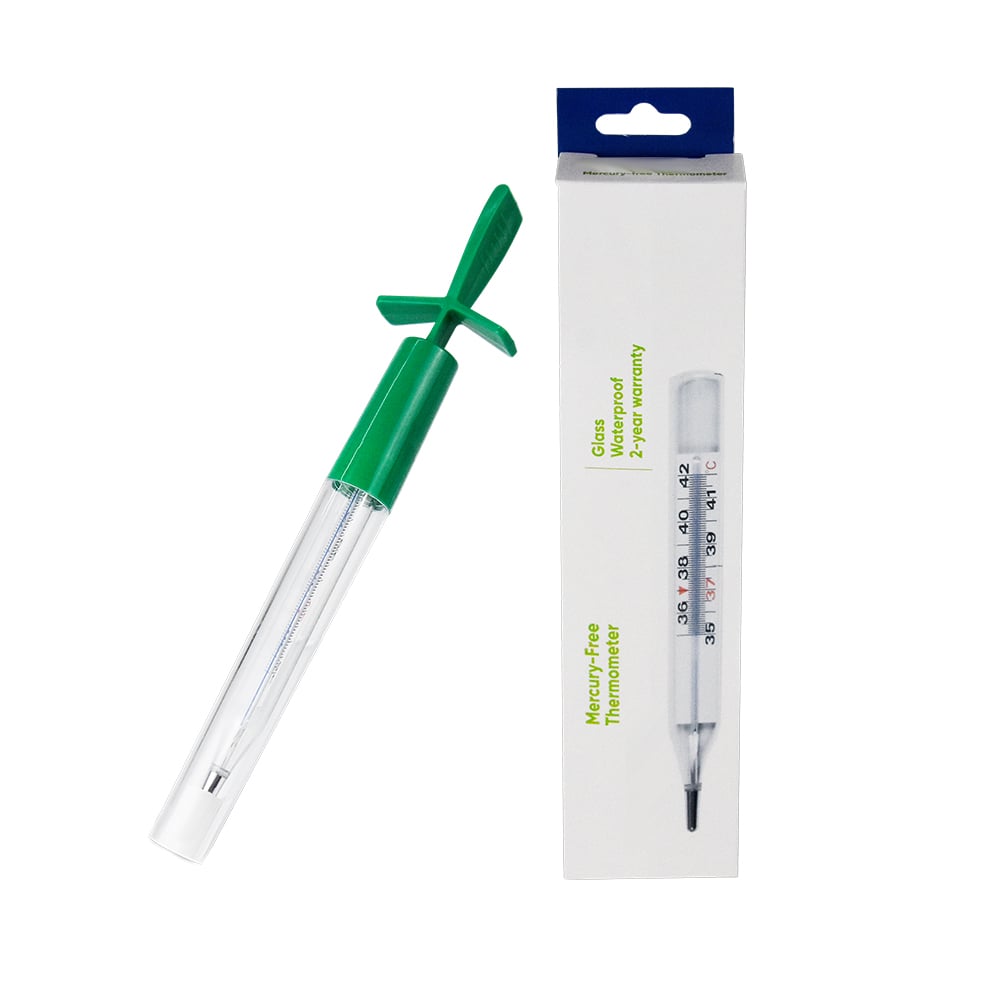
When considering medical thermometers for home use, it is essential to weigh them against alternatives such as traditional mercury thermometers and newer technologies like smartphone-based temperature sensors. Traditional mercury thermometers, while accurate, pose safety risks due to the potential for breakage and mercury exposure. These are increasingly being phased out in favor of digital and infrared options that eliminate these hazards
Digital thermometers provide quick, accurate readings and are generally easier to read than traditional types. Infrared thermometers, which measure heat from the forehead or ear, offer the fastest results and are particularly useful in clinical settings or situations where multiple readings are necessary
While smartphone-based temperature sensors are emerging, they may not yet provide the same level of accuracy and reliability as dedicated medical thermometers. Buyers should be cautious when considering these alternatives, ensuring that any digital solution meets necessary health regulations and standards.
When evaluating potential suppliers of medical thermometers for home use, several factors are critical. First, assess their manufacturing capabilities, including the technology and materials they use. Suppliers should have modern production equipment that ensures consistent quality and efficiency
It is also important to inquire about their quality control processes. A reputable supplier will conduct thorough testing at various production stages, ensuring that all products meet the necessary specifications and certifications. This often includes dimensional checks, performance testing, and safety evaluations
Customization capabilities should also be a priority. Many buyers prefer suppliers that can accommodate specific requests, such as branding, packaging variations, or additional features. Discussing minimum order quantities (MOQ) and lead times upfront can help establish a clear understanding of the supplier's flexibility and capacity to meet your needs
Additionally, consider the supplier's experience in the industry. Companies like Hangzhou Huaan Medical Health Instruments Co., Ltd., with years of expertise and established client relationships, often provide a higher level of confidence in their products and services
In summary, when searching for medical thermometers for home use, focus on quality, supplier reputation, and compliance with industry standards. By doing so, you can ensure you are making informed purchasing decisions that will benefit both your business and your customers.
JASUN is a registered trademark of Hangzhou Hua'an Medical & Health Instruments Co.,Ltd. Your first option for premium thermometer suppliers in China with CE, MDR, ISO13485:2003, FDA and BSCI certificates.
Our location: Building 2,1# Fuzhu Nan RD, Wuchang Town, Yuhang District, Hangzhou, Zhejiang 310023, China
HOURS: 8:30AM - 6:00PM
Copyright © Hangzhou Hua'an Medical & Health Instruments Co.,Ltd. All Rights Reserved Blog Privacy Policy
 EN