
Infrared forehead thermometers are essential tools for accurately measuring body temperature without direct contact. These devices are especially important in healthcare settings, workplaces, and even households, where quick and reliable temperature readings are needed. B2B buyers, including medical professionals, purchasing managers, and facility managers, often seek high-quality infrared forehead thermometers that ensure accuracy, comfort, and durability. This article delves into the specifications, sourcing options, applications, installation guidance, and model comparisons to help buyers make informed decisions.
When evaluating infrared forehead thermometers, several key specifications should be considered:
Measurement Range: Most devices measure temperature between 32°C to 42.9°C (89.6°F to 109.2°F). A thermometer with a wider range allows for more versatile use in various environments.
Accuracy: A reliable thermometer should have an accuracy of ±0.2°C (±0.4°F). Buyers should request documentation on accuracy verification to ensure compliance with industry standards.
Response Time: The ideal thermometer should provide results in under two seconds. A fast response time is crucial for environments where temperature checks are frequent, such as hospitals or schools.
Display Type: Digital displays with backlighting enhance visibility, especially in low-light environments. Some models may also offer auditory cues for fever detection, which can be beneficial in busy settings.
Battery Life: Long battery life reduces the frequency of replacements, enhancing operational efficiency. Look for devices that can last through thousands of measurements on a single set of batteries.
Ergonomics and Design: The design should allow for easy handling and operation, particularly in high-demand settings. Comfort is key for both the user and the subject being measured. Consider also utilizing Digital Blood Pressure Monitors for comprehensive health assessments.
These specifications not only influence the performance of infrared forehead thermometers but also impact user satisfaction and operational efficiency in various applications.
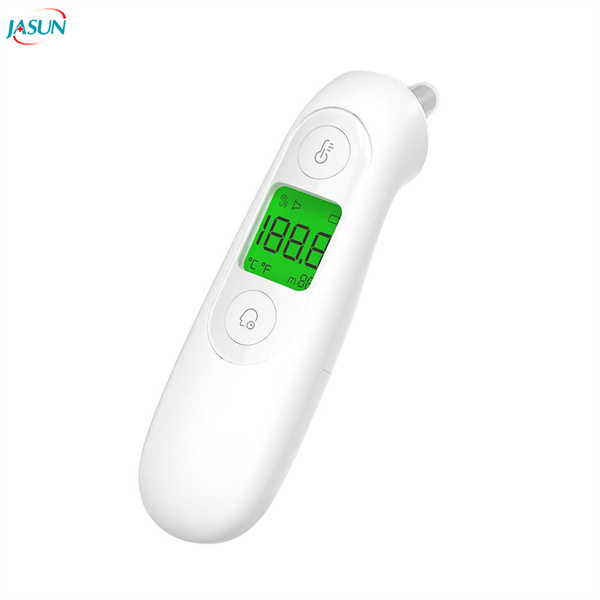
Sourcing high-quality infrared forehead thermometers can be facilitated through various channels:
Direct Manufacturers: Purchasing directly from manufacturers like Hangzhou Huaan Medical Health Instruments Co., Ltd. ensures access to OEM/ODM capabilities and the latest designs. This route often provides the best pricing, especially for bulk orders.
Medical Distributors: Established medical supply distributors often carry a range of infrared forehead thermometers. These distributors can provide additional services like inventory management and product advice, which can be beneficial for smaller businesses or startups.
Online Marketplaces: Platforms such as Alibaba or Global Sources allow buyers to compare multiple suppliers, read reviews, and check certifications. However, due diligence is necessary to verify the quality and reliability of suppliers.
Trade Shows: Attending trade shows related to medical equipment can provide opportunities to meet manufacturers, see product demonstrations, and negotiate wholesale deals directly.
When sourcing, buyers should inquire about minimum order quantities (MOQs), lead times, and quality assurance processes to ensure they are making informed purchasing decisions.
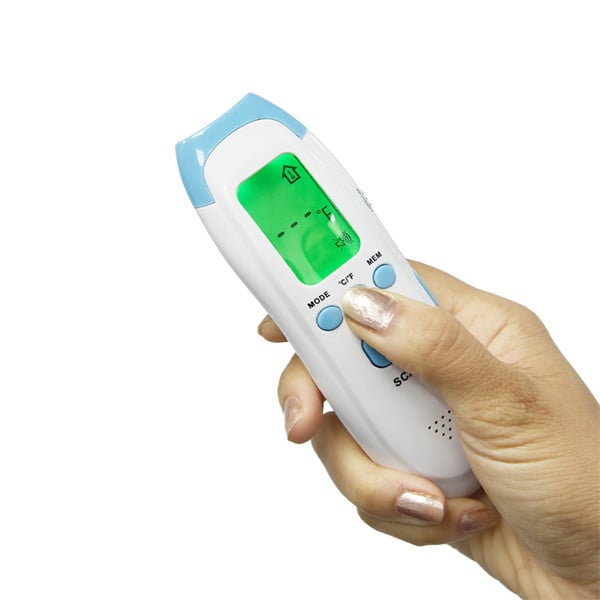
Infrared forehead thermometers have a wide array of applications across multiple industries:
Healthcare: In hospitals and clinics, these thermometers are crucial for quickly screening patients for fever, a common symptom of many illnesses. Their non-contact nature helps reduce the risk of cross-contamination.
Education: Schools use infrared forehead thermometers to conduct daily health checks on students, ensuring a safe learning environment and swift identification of potential health issues.
Workplaces: Many businesses implement temperature screening as part of their health and safety protocols. This is particularly relevant in industries where employees work in close proximity, such as manufacturing and hospitality.
Transportation: Airports and train stations utilize infrared forehead thermometers to screen travelers, helping to prevent the spread of contagious diseases during high-traffic periods.
Home Use: Parents often use these thermometers to monitor their children's health at home. Their ease of use and quick results make them a preferred choice for family health management. Additionally, thermometer accessories can enhance their functionality.
Understanding these applications helps buyers select the appropriate models based on their specific needs, ensuring they meet regulatory standards and user expectations.
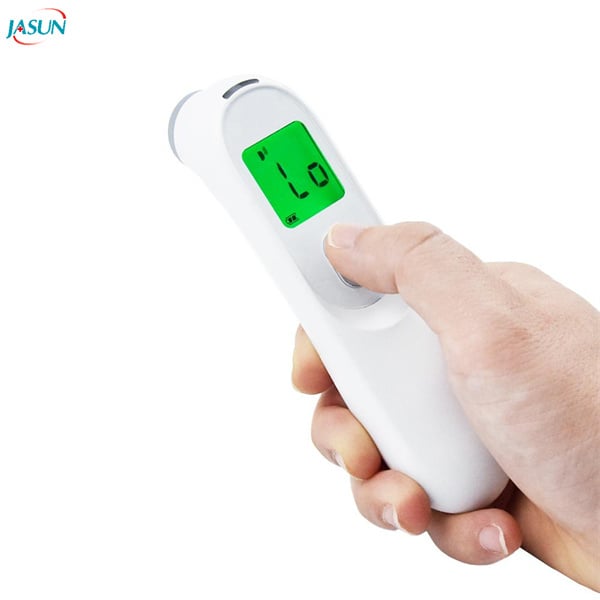
Proper installation and usage of infrared forehead thermometers are essential for accurate readings:
Location: Position thermometers in areas with ample space for users to approach comfortably. Avoid direct sunlight or drafts, which can affect the device's accuracy.
Calibration: Before use, ensure that the thermometer is calibrated according to the manufacturer’s instructions. Regular calibration checks should be part of the maintenance schedule to ensure ongoing accuracy.
User Training: Provide training for staff on how to use the thermometer correctly, including the importance of maintaining a consistent distance (usually 3-5 cm) from the forehead for optimal results.
Maintenance: Regularly clean the infrared lens with a soft, dry cloth to prevent dirt buildup that could affect performance. Schedule periodic checks for battery levels and overall functionality.
Data Management: Implement a system for recording temperature readings, especially in settings where tracking health trends is necessary. This can assist in identifying patterns that may require further investigation.
By following these guidelines, organizations can ensure that infrared forehead thermometers operate effectively and provide accurate temperature readings.
With various models available, it’s important to compare features based on the application:
Basic vs. Advanced Models: Basic models may offer essential temperature readings, while advanced versions might include additional features such as memory storage for previous readings and software integration for data management.
Material and Durability: Consider models made from high-quality materials that withstand frequent use. Ensure that the device has a robust design to reduce the risk of damage during handling.
Certifications: Verify that the thermometer meets relevant certifications such as CE, ISO13485:2003, and FDA approval. These certifications ensure compliance with safety and quality standards.
Pricing: Compare prices across different suppliers while considering the total cost of ownership, which includes potential maintenance, battery replacements, and accessories.
Customization Options: Some manufacturers offer customization options for branding and features. This can be particularly useful for businesses wishing to maintain a cohesive brand image or for specific industry needs.
By evaluating these aspects, buyers can make informed decisions that align with their operational requirements and budgetary constraints. Understanding the specifications, sourcing options, applications, installation guidance, and model comparisons of infrared forehead thermometers is crucial for B2B buyers. By considering these factors, purchasing managers and industry professionals can ensure they select reliable and effective devices that meet their unique needs.
JASUN is a registered trademark of Hangzhou Hua'an Medical & Health Instruments Co.,Ltd. Your first option for premium thermometer suppliers in China with CE, MDR, ISO13485:2003, FDA and BSCI certificates.
Our location: Building 2,1# Fuzhu Nan RD, Wuchang Town, Yuhang District, Hangzhou, Zhejiang 310023, China
HOURS: 8:30AM - 6:00PM
Copyright © Hangzhou Hua'an Medical & Health Instruments Co.,Ltd. All Rights Reserved Blog Privacy Policy
 EN