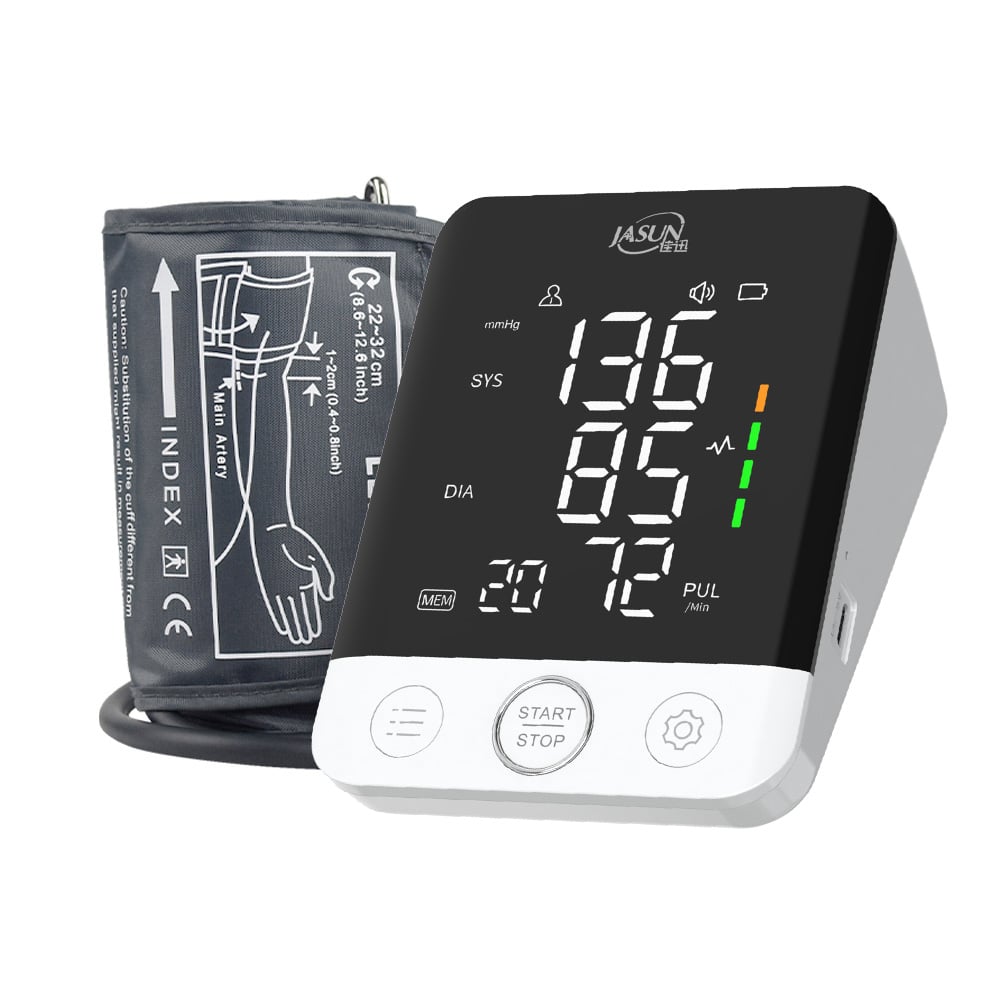
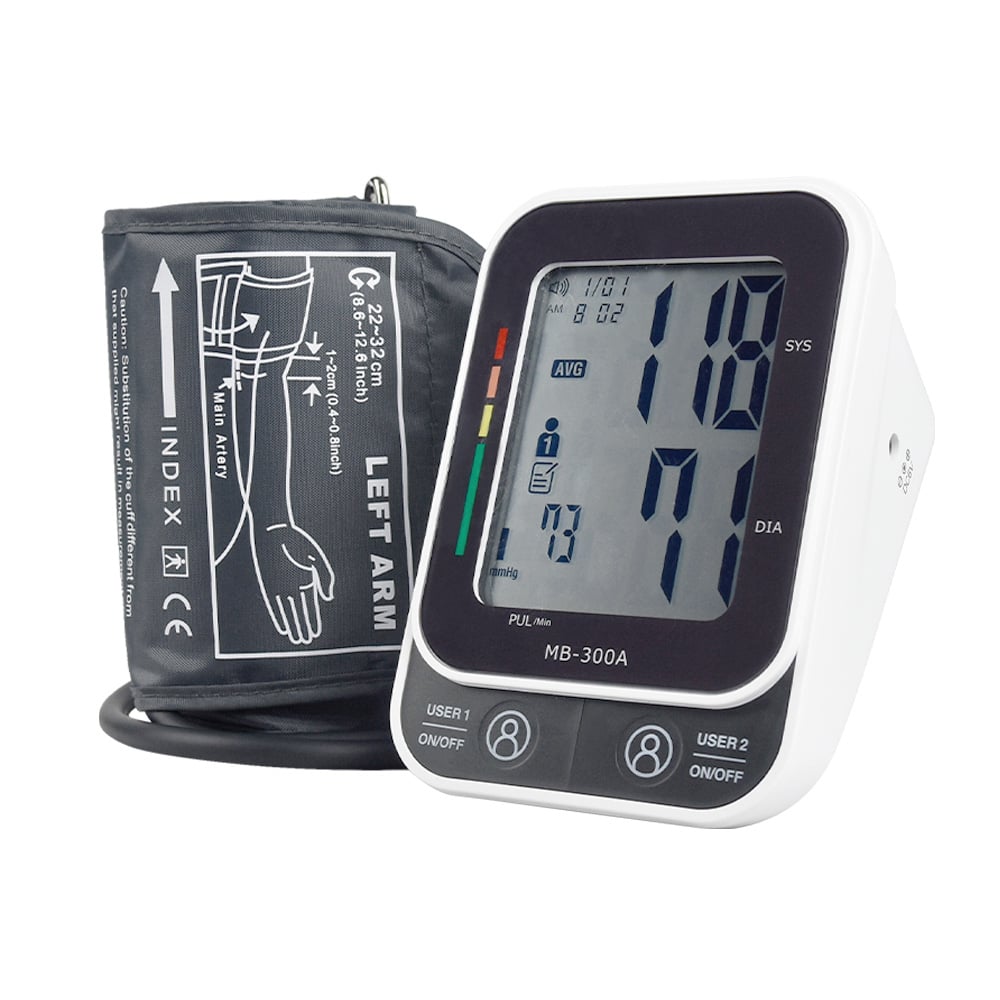
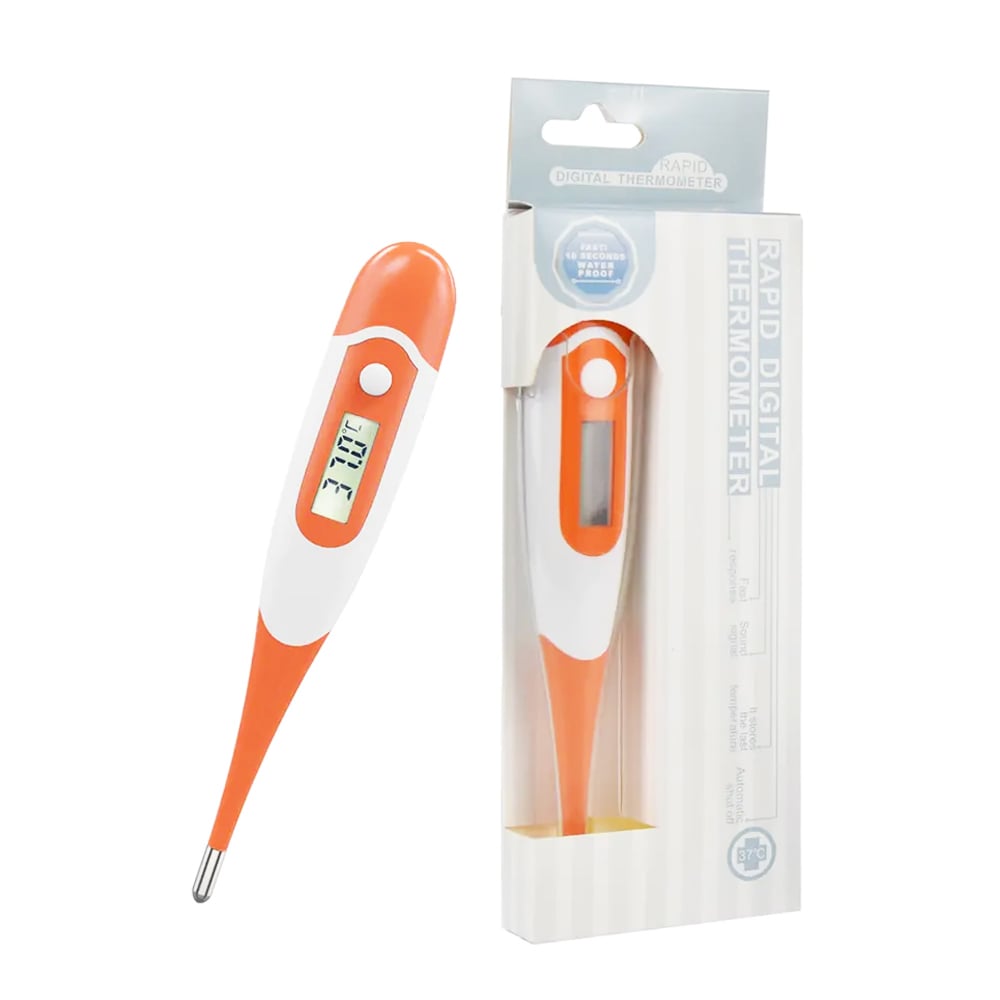
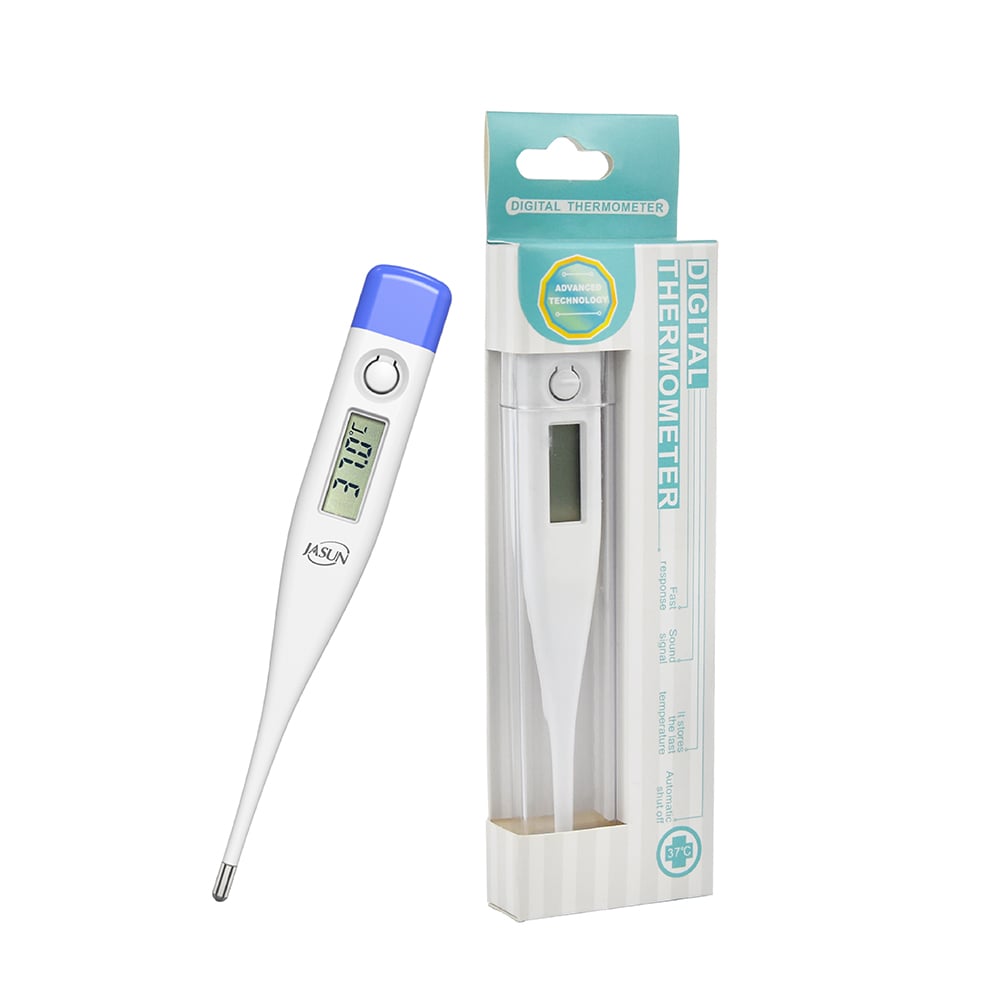
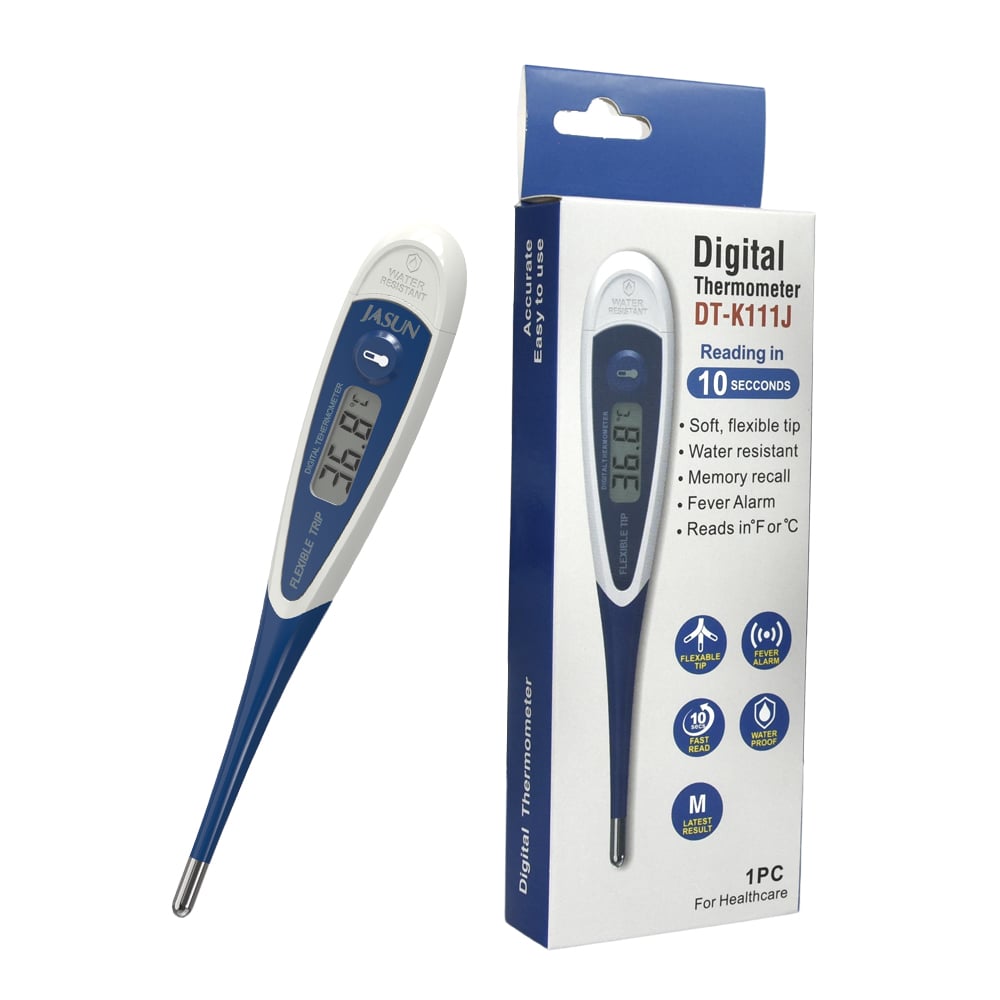
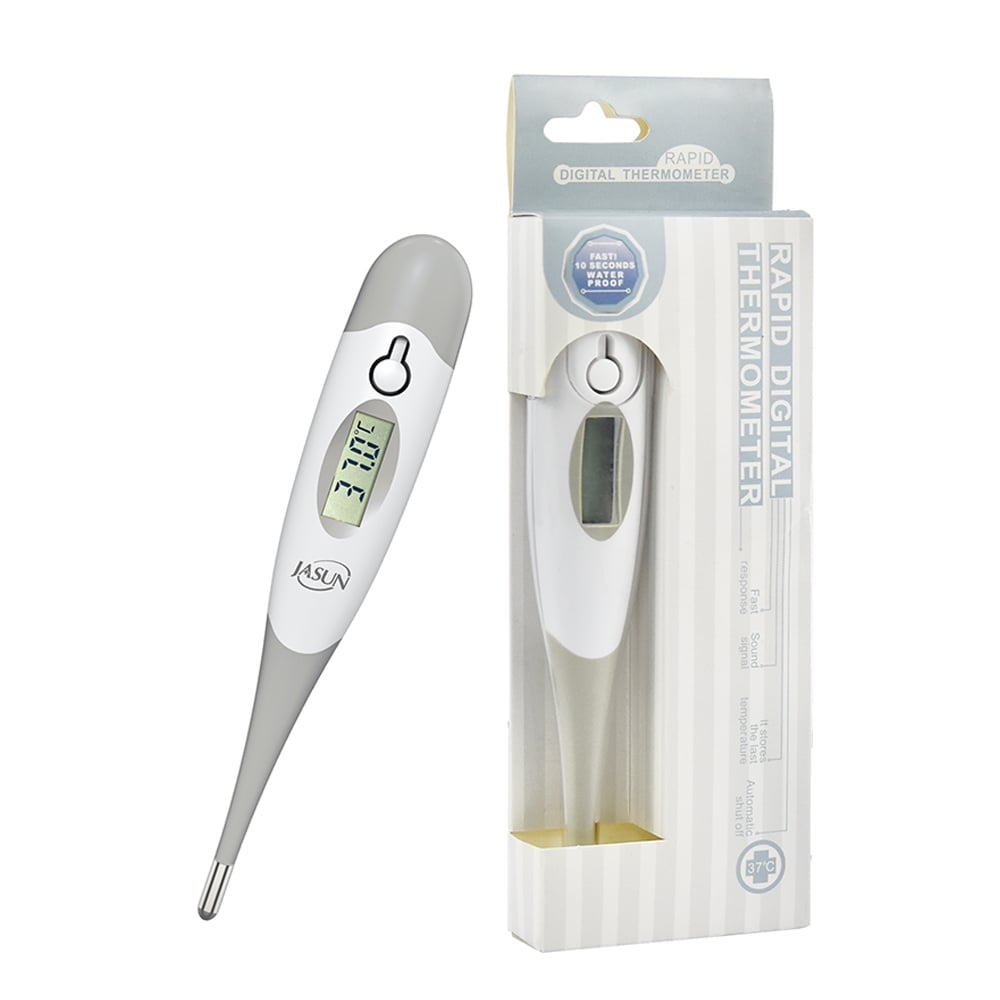
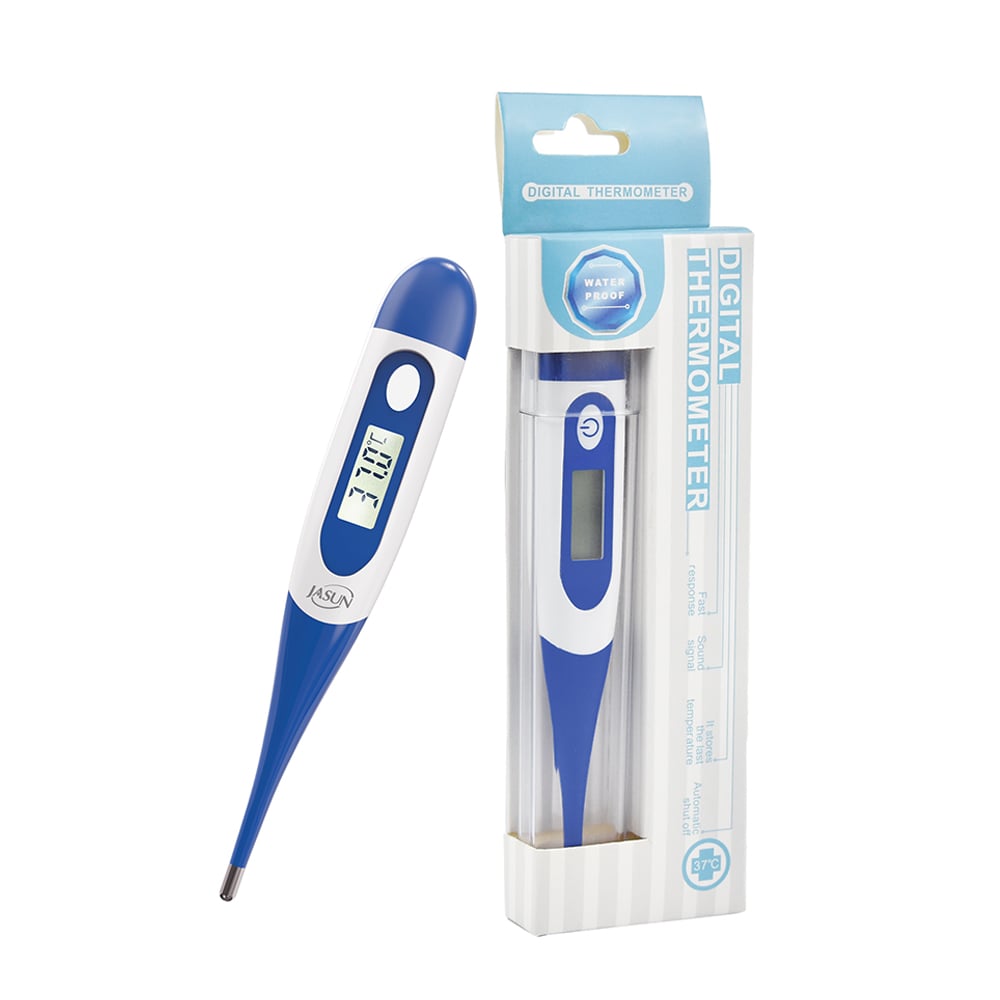
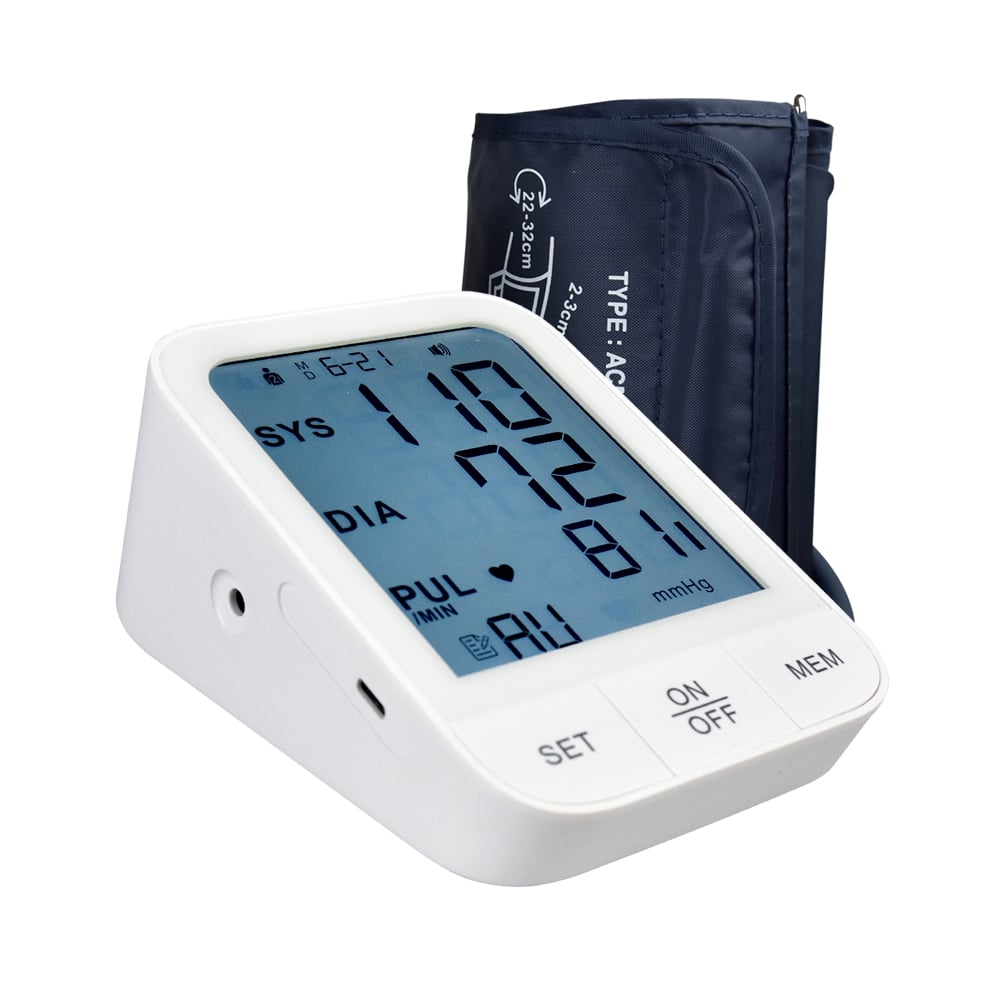
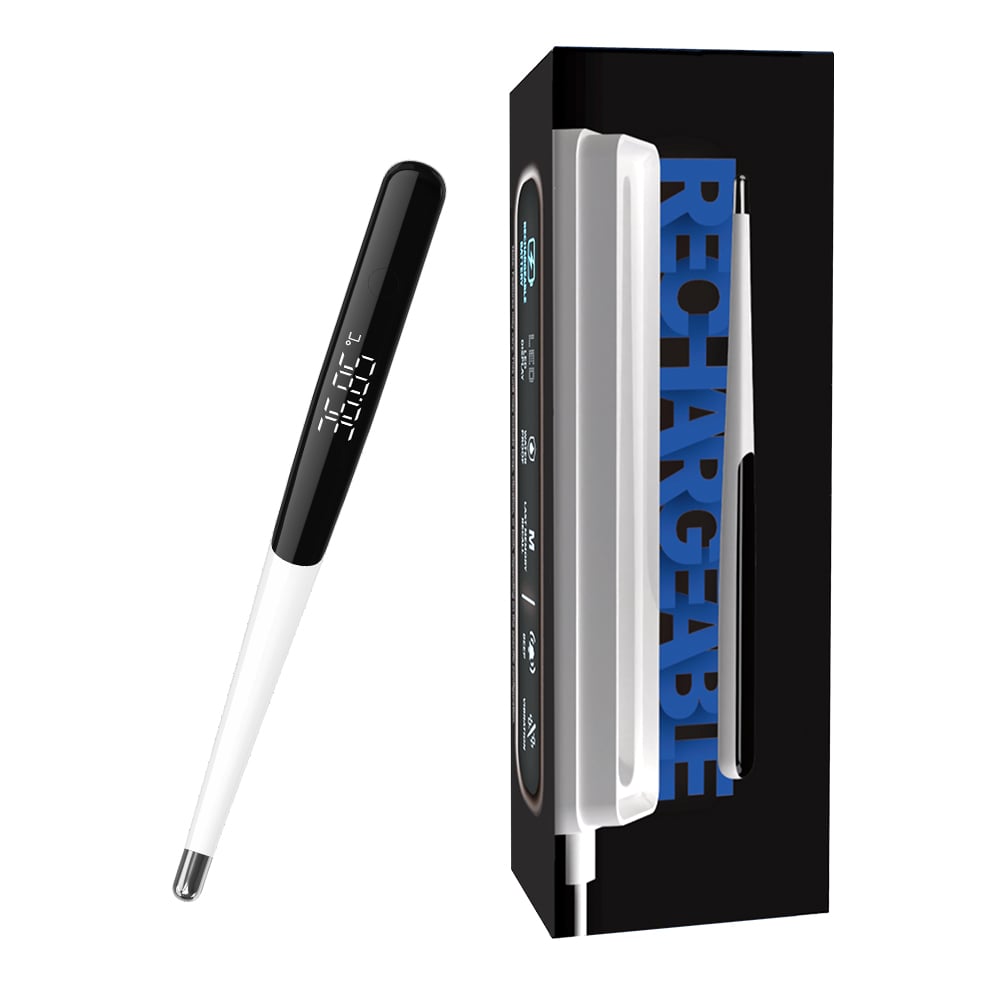
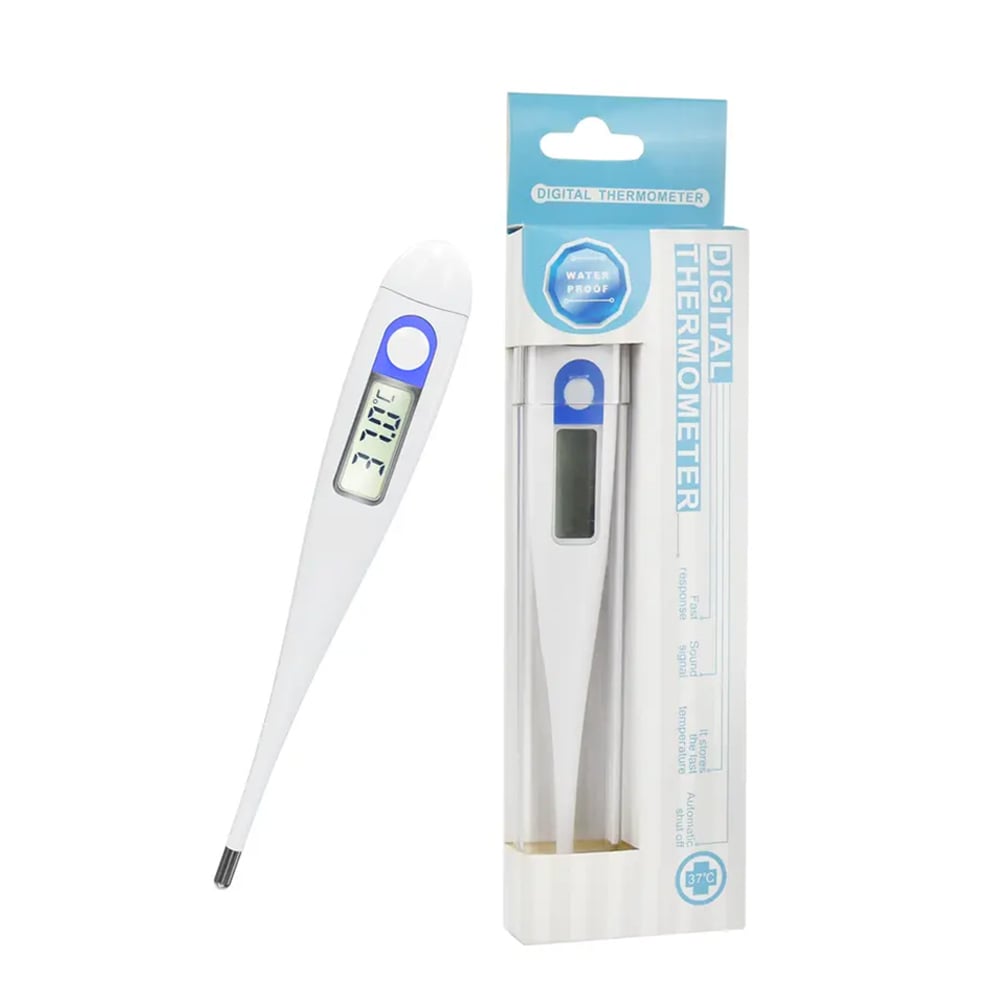
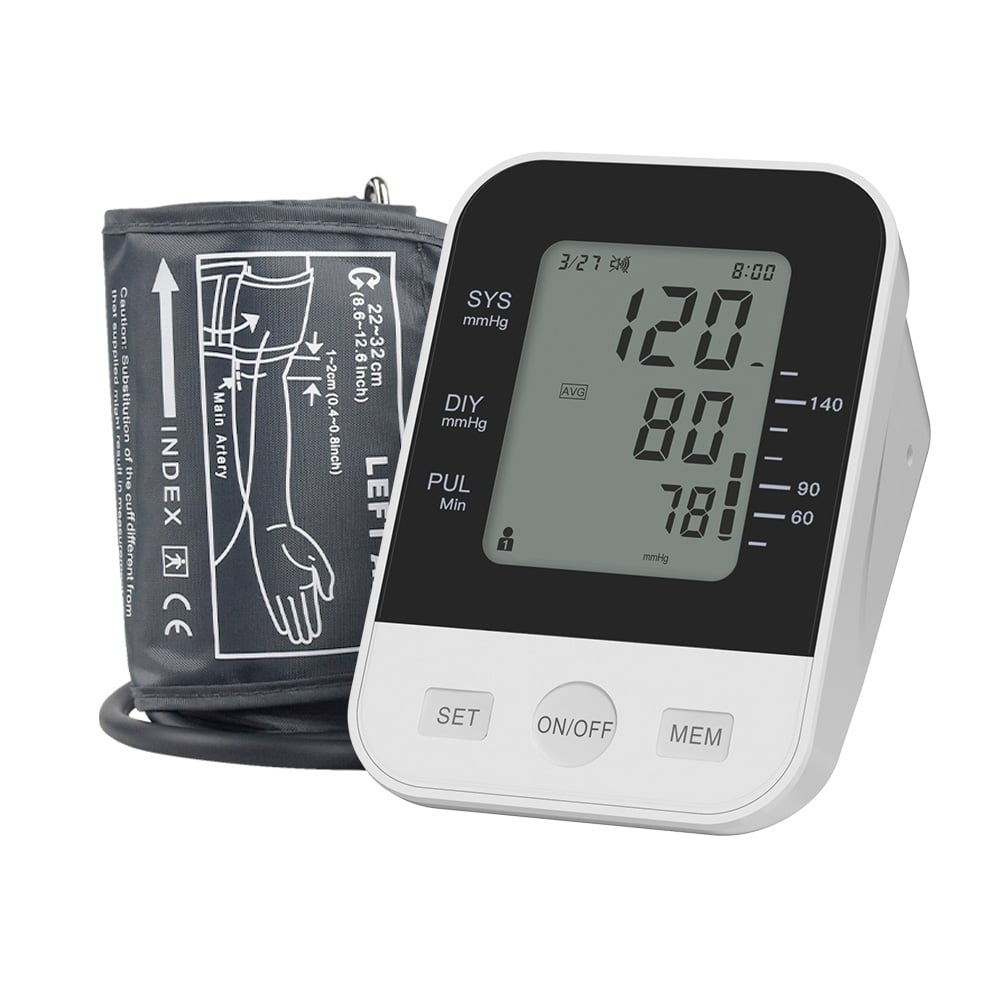
In the competitive landscape of healthcare and personal care, choosing the right infrared forehead and ear thermometer is crucial for ensuring accurate temperature readings and optimal patient comfort. As a purchasing manager or distributor, your primary concerns may include product reliability, accuracy, compliance with regulatory standards, and customization options. This article will provide valuable insights into selecting the best infrared thermometers for your needs, focusing on key specifications, applications, cost factors, and sourcing options.
When selecting infrared forehead and ear thermometers for wholesale, it’s essential to consider several factors that affect both the product's performance and your business's ability to meet customer demands. Look for thermometers that offer dual functionality, allowing for both forehead and ear measurements, which can enhance their versatility in various settings such as clinics, pharmacies, and homes.
Additionally, ensure that the thermometers have a user-friendly interface with clear displays and audible alarms. pediatric thermometer can improve the ease of use for healthcare professionals and caregivers. It's also vital to evaluate the accuracy and response time of the thermometers; look for devices that provide readings in under a second to minimize wait times during patient examinations.
Finally, consider whether the manufacturer offers OEM and ODM capabilities, allowing for customization of features like branding, packaging, and functionalities, which can provide a competitive edge in the marketplace.
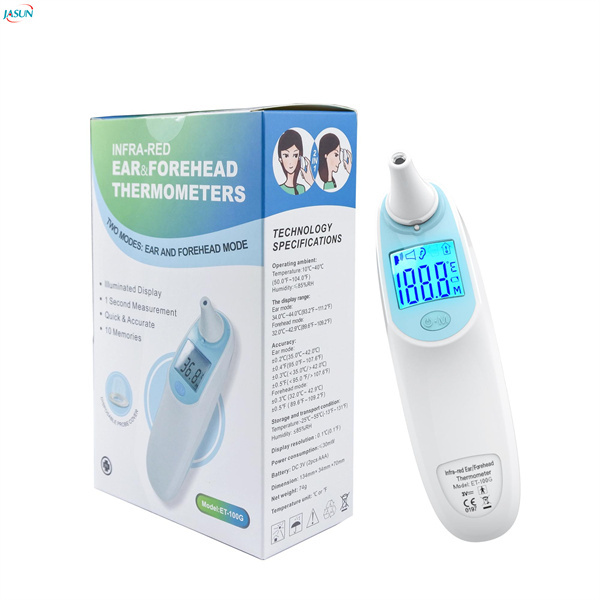
When sourcing infrared thermometers, several key specifications should be evaluated to ensure product quality and suitability for your application:
Measurement Range: Verify the operating temperature range of the thermometer. Most infrared thermometers should accurately measure temperatures from 32°C to 42.9°C (89.6°F to 109.2°F) for human bodies.
Accuracy: Look for thermometers with a stated accuracy of ±0.1°C. This precision is crucial for medical applications where slight variations can affect diagnoses.
Response Time: A rapid response time—ideally under one second—is vital for maintaining workflow efficiency in busy medical environments.
Display Features: Consider user-friendly features such as backlit displays for easy reading in various lighting conditions and the ability to store multiple readings for tracking temperature changes over time.
Power Source: Check whether the thermometer is powered by replaceable batteries or rechargeable options. Long battery life can reduce operational costs and improve convenience.
Understanding these specifications will help you choose thermometers that meet both your operational needs and your customers' expectations.
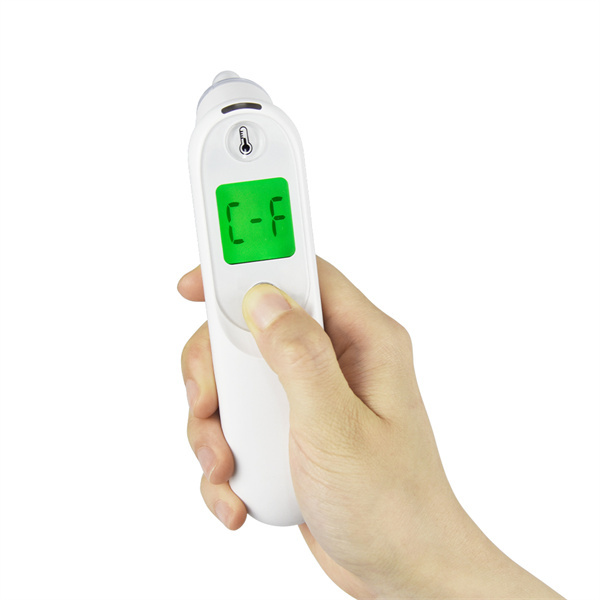
Infrared forehead and ear thermometers are used in various applications beyond standard healthcare settings. In hospitals, they play a critical role in rapid screening for fever, which is essential for controlling the spread of infectious diseases. These infant infrared thermometer are also commonly used in outpatient facilities, clinics, and schools, particularly during cold and flu seasons.
Outside healthcare, they have found applications in industries such as food safety, where temperature checks are essential to ensure compliance with health regulations. In manufacturing, infrared thermometers can monitor equipment temperatures, preventing overheating and ensuring operational efficiency.
As these devices become more integrated into personal health monitoring, their use in homes for quick temperature checks will likely increase, making them a valuable addition to any product line.
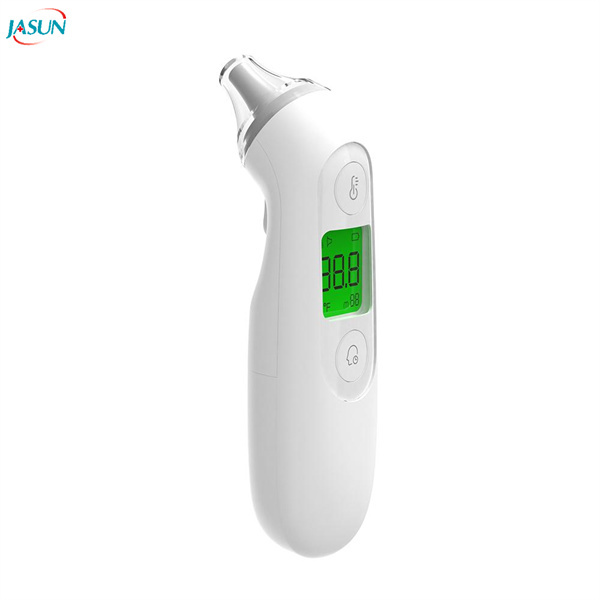
When considering the purchase of infrared forehead and ear thermometers in bulk, multiple cost factors must be assessed to accurately gauge the total expenditure:
Unit Price: The base cost per thermometer is the most apparent factor. It’s critical to compare prices from different suppliers, considering both quality and features.
Minimum Order Quantity (MOQ): Different manufacturers may have varying MOQs. Understanding these requirements can help you plan your budget and inventory levels effectively.
Shipping Costs: Factor in shipping fees, which can vary significantly based on the supplier's location and the size of your order. Discuss shipping options with your supplier to find the most cost- effective solutions.
Custom Duties and Taxes: If you are importing, check the applicable customs duties and taxes, as these can add a significant amount to your total costs.
Warranty and Support Costs: Consider the warranty offered and any associated service costs. A longer warranty period can provide peace of mind and reduce long-term costs related to product failures.
By understanding these cost factors, you can make more informed purchasing decisions that align with your budget and business strategy.
Finding reliable suppliers for infrared forehead and ear thermometers involves several strategies:
Industry Trade Shows: Attending medical and healthcare trade shows can provide direct access to manufacturers, allowing you to evaluate products firsthand and establish relationships with suppliers.
Online Marketplaces: Platforms like Alibaba and Global Sources host numerous manufacturers and suppliers. Always verify supplier credentials, certifications, and customer reviews before proceeding with an order.
Manufacturer Directories: Utilize directories such as ThomasNet or Made-in-China to find reputable manufacturers with a history of producing quality medical devices.
Networking: Leverage your industry connections to get recommendations for reliable suppliers. Word-of-mouth referrals can often lead you to trusted manufacturers.
Local Distributors: Consider partnering with local distributors who specialize in medical devices. infrared thermometer newborn can provide valuable insights into product selection and market demands.
By employing a multi-faceted approach to supplier sourcing, you can ensure that your business secures high-quality infrared thermometers that meet both regulatory standards and customer expectations.
JASUN is a registered trademark of Hangzhou Hua'an Medical & Health Instruments Co.,Ltd. Your first option for premium thermometer suppliers in China with CE, MDR, ISO13485:2003, FDA and BSCI certificates.
Our location: Building 2,1# Fuzhu Nan RD, Wuchang Town, Yuhang District, Hangzhou, Zhejiang 310023, China
HOURS: 8:30AM - 6:00PM
Copyright © Hangzhou Hua'an Medical & Health Instruments Co.,Ltd. All Rights Reserved Blog Privacy Policy
 EN