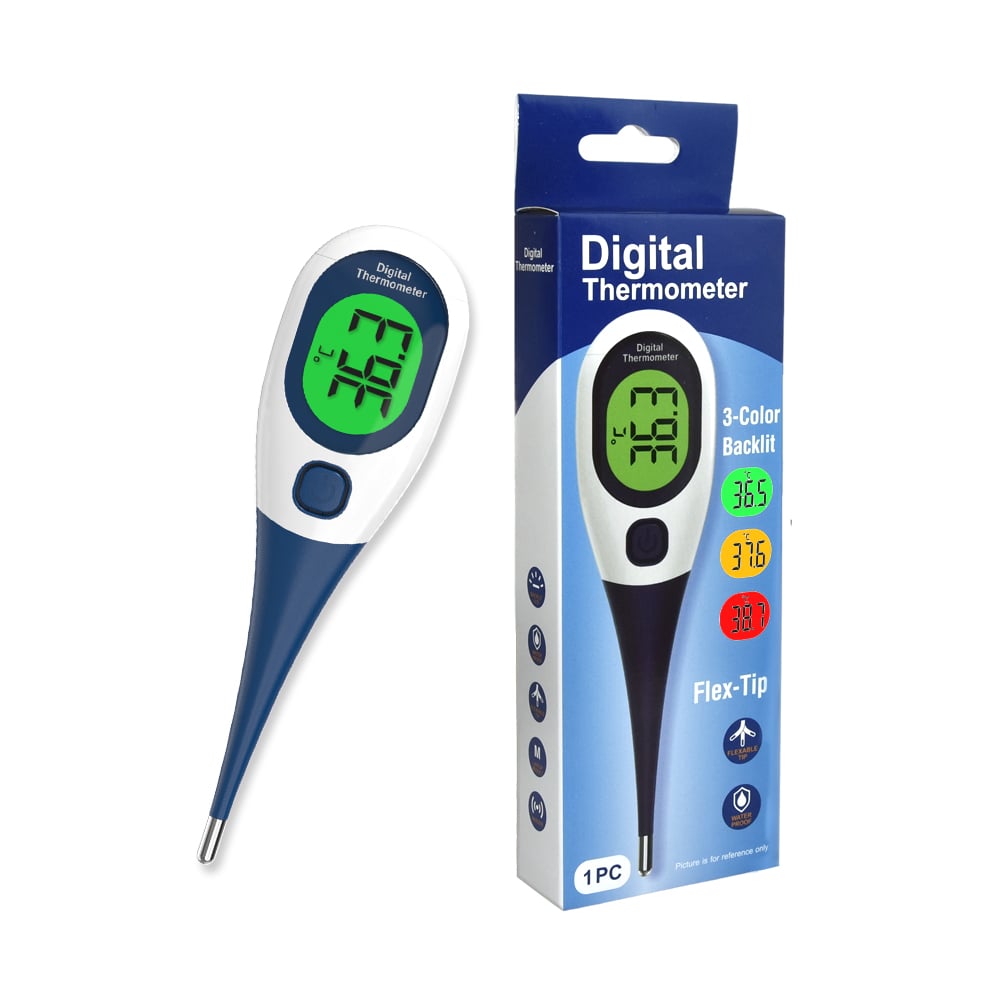
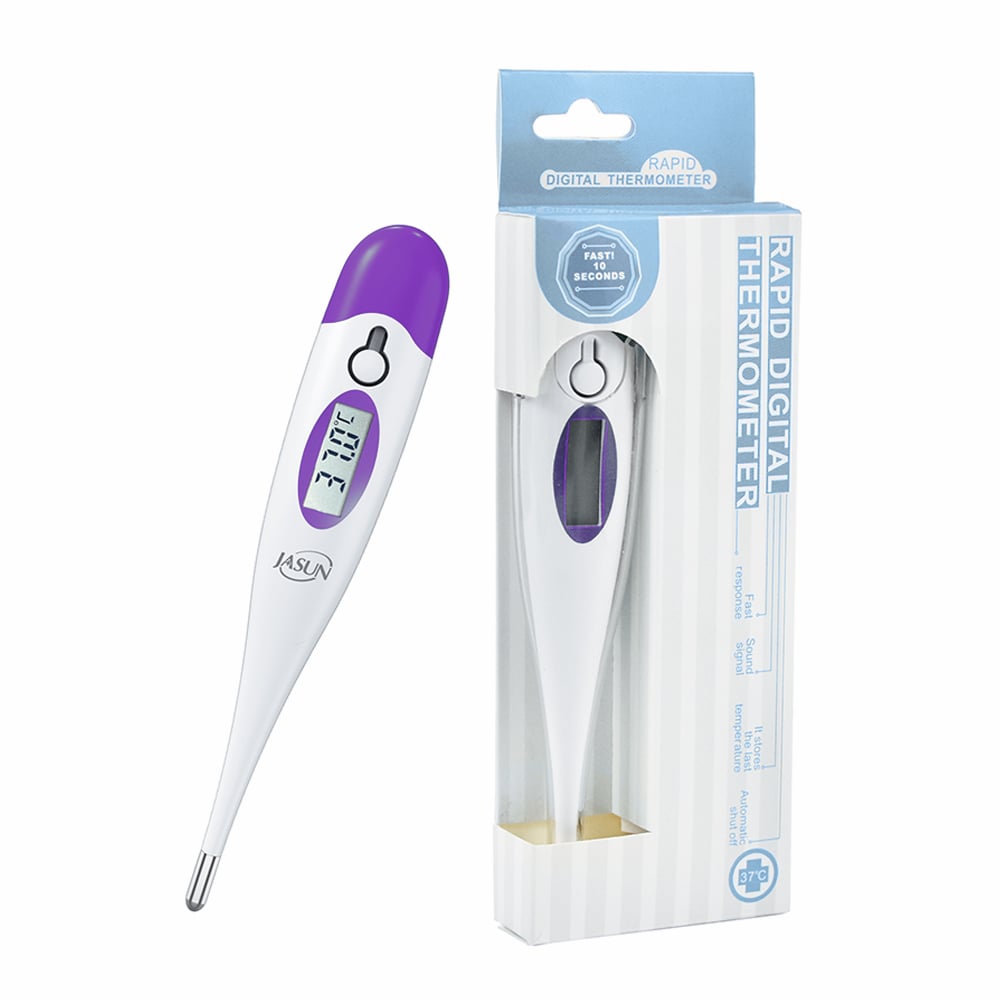
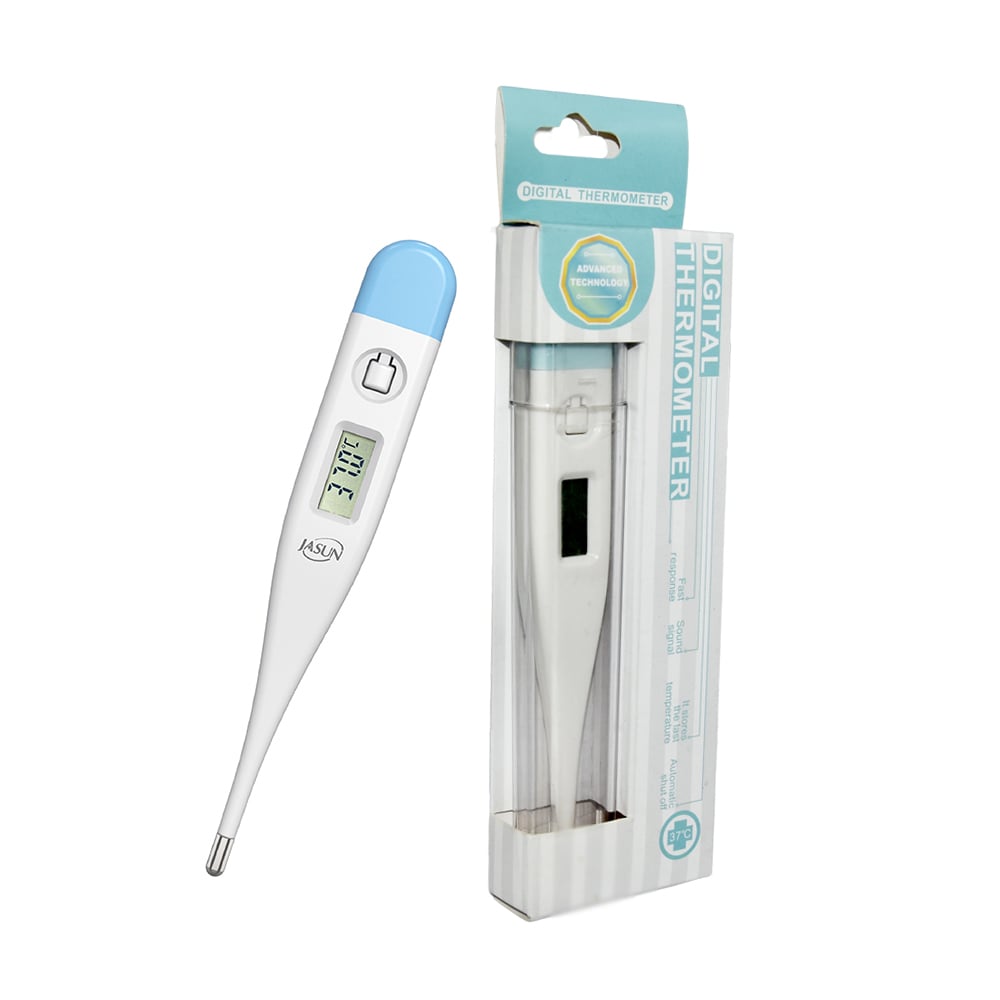
The glass medical thermometer is an essential tool for accurately measuring body temperature in clinical settings, homes, and various healthcare applications. B2B buyers, including purchasing managers and medical distributors, often prioritize reliability, accuracy, and compliance with health regulations when selecting these instruments. This article will provide a comprehensive guide to sourcing glass medical thermometers, highlighting important specifications, applications, and key factors to consider when making a bulk purchase.
When sourcing glass medical thermometer for wholesale, it’s crucial to partner with a trusted supplier with a proven track record in the healthcare industry. Look for manufacturers who have a solid reputation and the necessary certifications, such as CE, MDR, ISO13485:2003, and FDA approval. These certifications demonstrate compliance with international safety and quality standards, ensuring that the products meet rigorous performance criteria.
Additionally, consider suppliers that offer OEM and ODM capabilities. This flexibility allows you to customize products to better fit your brand's needs and market demands, whether you're a large medical distributor or a startup entering the healthcare sector. Establishing a solid communication channel with your supplier can also facilitate better understanding and faster resolution of any issues that may arise during the procurement process.
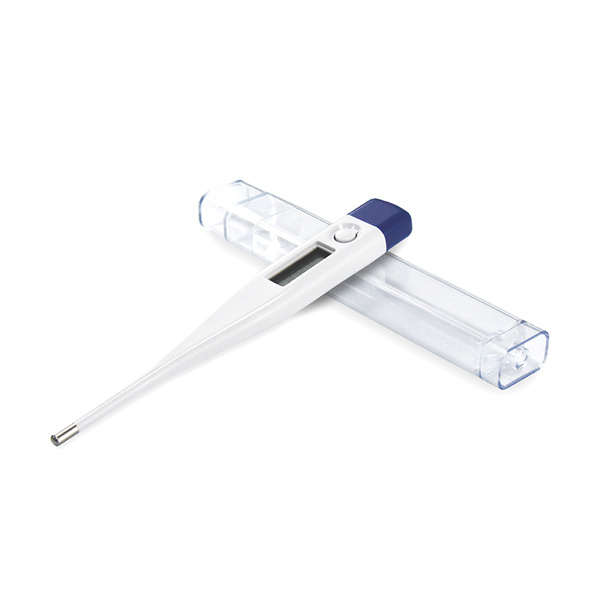
When evaluating glass medical thermometers, several specifications are critical to ensuring product performance and safety. Key aspects to consider include:
Material Quality: Glass thermometers are typically made of high-quality borosilicate glass, which offers superior resistance to temperature fluctuations and breakage. Ensure the thermometer’s glass is not only durable but also allows for clear readability of the scale.
Measurement Accuracy: The accuracy of the thermometer is paramount. Look for devices that provide readings within ±0.1°C to ensure precise temperature measurements. Some manufacturers might provide test data on accuracy, which can help in your assessment.
Scale Readability: The scale should be clearly marked, typically in both Celsius and Fahrenheit, to cater to different user preferences. Ensure that the markings are resistant to wear and tear, maintaining visibility over time.
Temperature Range: Different applications may require different temperature ranges. Verify that the thermometer meets the necessary range for the specific medical applications it will be used for, typically between 35°C and 42°C for human body temperature.
Calibration: Regular calibration is essential for maintaining accuracy. Choose products from suppliers who provide calibration certificates, ensuring that the thermometers meet established standards.
By thoroughly assessing these specifications, you can avoid common pitfalls such as inaccurate readings and product failures, which can lead to significant operational disruptions.
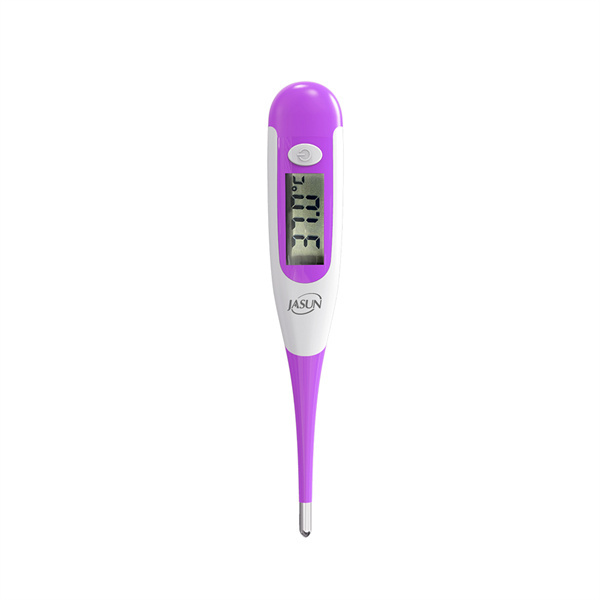
Glass medical thermometers are widely used in numerous healthcare settings due to their reliability and accuracy. Here are some primary applications:
Clinical Settings: In hospitals and clinics, these glass medical thermometer are essential for monitoring patient temperatures during examinations, pre-operative procedures, and routine check-ups.
Home Healthcare: With an increasing focus on home care, glass thermometers are popular among caregivers and families for at-home monitoring of fevers and other health conditions.
Pharmaceutical Research: In laboratories, accurate temperature readings are crucial during experiments and drug storage, making glass thermometers an important tool in pharmaceutical research.
Veterinary Medicine: Glass thermometers are also utilized in veterinary practices for measuring the body temperature of animals, ensuring proper health assessments.
Each application may demand specific features, such as waterproof designs for veterinary use or additional markings for pediatric care, which should be discussed with the supplier during the purchasing process.
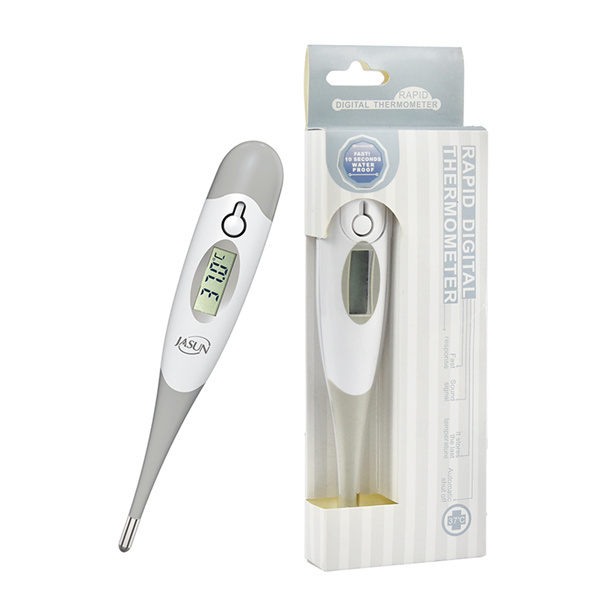
To find high-quality glass medical thermometers in bulk, consider the following sourcing strategies:
Industry Trade Shows: Attending medical and healthcare trade shows can provide direct access to manufacturers and suppliers. This face-to-face interaction allows you to inspect product quality and discuss customization options in detail.
Online Marketplaces and Directories: Platforms like Alibaba, ThomasNet, or industry-specific directories can help you find reputable suppliers. Be sure to check reviews and ratings from other buyers to gauge reliability.
Referrals and Networking: Leverage your professional network to obtain recommendations for suppliers known for their quality products. Engaging with industry forums can also yield valuable insights into reputable manufacturers.
Request for Quotation (RFQ): Once you identify potential suppliers, prepare an RFQ that outlines your specific requirements, including quantity, specifications, and any customization needs. This will help suppliers provide accurate pricing and lead time estimates.
By taking these steps, you can streamline your sourcing process and ensure that you are working with trustworthy suppliers who meet your quality standards.
Understanding the differences and features of glass medical thermometers is essential for making an informed purchasing decision. Here are some key distinctions:
Digital vs. Glass: Unlike digital thermometers, glass thermometers do not require batteries and are often viewed as more reliable for precise readings. However, they may take longer to provide a reading compared to their digital counterparts.
Mercury vs. Alcohol: Traditional glass thermometers often contain mercury, which poses environmental and safety risks. Today, many suppliers offer alcohol-based alternatives that are safer and easier to handle, without compromising measurement accuracy.
Size and Design Variations: Glass thermometers come in various sizes and designs, from standard clinical thermometers to specialized versions for pediatric or veterinary use. Selecting the appropriate design for your target market is important for user satisfaction.
Packaging and Presentation: Consider how the products are packaged, particularly if they will be sold in retail environments. Eye-catching, informative packaging can enhance product appeal and communicate essential usage information effectively.
By understanding these differences, you can choose the appropriate type of top rated medical thermometer that best fits your needs and those of your customers.
By taking a mindful approach to sourcing and evaluating glass medical thermometers, you can ensure that your purchases align with your quality standards and operational needs.
JASUN is a registered trademark of Hangzhou Hua'an Medical & Health Instruments Co.,Ltd. Your first option for premium thermometer suppliers in China with CE, MDR, ISO13485:2003, FDA and BSCI certificates.
Our location: Building 2,1# Fuzhu Nan RD, Wuchang Town, Yuhang District, Hangzhou, Zhejiang 310023, China
HOURS: 8:30AM - 6:00PM
Copyright © Hangzhou Hua'an Medical & Health Instruments Co.,Ltd. All Rights Reserved Blog Privacy Policy
 EN