
An electronic blood pressure monitor is a vital medical device used for determining blood pressure levels. As a B2B buyer, whether you represent a hospital, clinic, or a medical supply company, you are likely concerned about accuracy, reliability, and compliance with medical standards. This article will guide you through key considerations when sourcing electronic blood pressure monitors, helping you make informed purchasing decisions.
When sourcing electronic blood pressure monitors, accuracy and reliability are paramount. Ensure that the devices you are considering meet international standards such as CE, ISO13485:2003, and FDA certifications. These certifications indicate adherence to quality and safety standards, which are critical in medical devices.
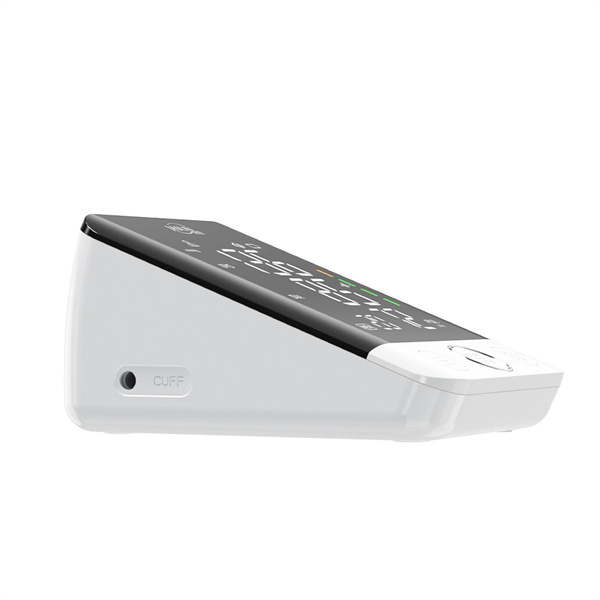
Also, consider the device's features, such as automatic calibration, memory storage for multiple readings, and user-friendly interfaces. A monitor with multiple measurement modes (e.g., resting, active) can accommodate different patient needs. Additionally, evaluate the comfort and usability for patients, particularly in settings where frequent measurements are required. For instance, some healthcare facilities may prefer models like Upper Arm Electronic Blood Pressure Monitors for their accuracy and ease of use.
Customization options are also an important aspect. Some manufacturers, like Hangzhou Huaan Medical Health Instruments, offer OEM/ODM capabilities, allowing you to tailor features and branding to your specific market needs. It's essential to communicate your requirements clearly, including desired specifications and target user demographics.
Finding a trustworthy supplier is crucial for ensuring consistent quality and reliable service. Start by researching manufacturers with a solid reputation in the medical device industry. Look for suppliers that have established certifications and have been in the market for several years, as this often correlates with reliability and expertise.
Industry trade shows and medical expos can be valuable venues for discovering new suppliers. Networking with other medical professionals can also provide insights into reputable manufacturers. Online platforms such as Alibaba or medical supply directories may list various suppliers, but always verify their credentials and product quality through reviews or references.
Consider suppliers who provide comprehensive support, including product training and after-sales service. A supplier that understands the nuances of electronic blood pressure monitors can assist in installation and troubleshooting, which is vital for maintaining device performance.
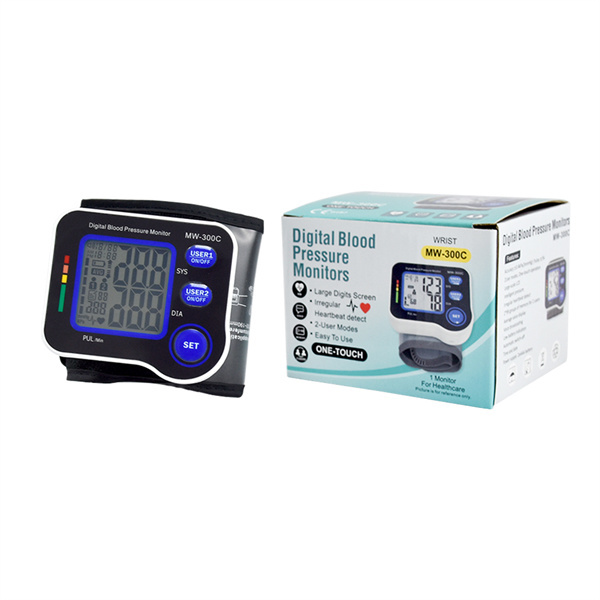
The cost of electronic blood pressure monitors can vary significantly based on several factors. Bulk orders often lead to reduced unit prices, but it is essential to consider other costs involved, such as shipping, customs duties, and taxes, especially when importing from overseas manufacturers.
Quality of materials and technology used in the monitors also affects pricing. High-accuracy sensors and advanced features like Bluetooth connectivity can increase costs but may be justified by improved patient outcomes and user satisfaction. Therefore, assess the total cost of ownership, which includes potential warranty claims and maintenance costs over the device's lifespan.
Additionally, inquire about the manufacturer's minimum order quantities (MOQ). Some manufacturers may offer lower MOQs for their electronic blood pressure monitors, which can benefit smaller companies or startups looking to enter the market without a significant upfront investment.
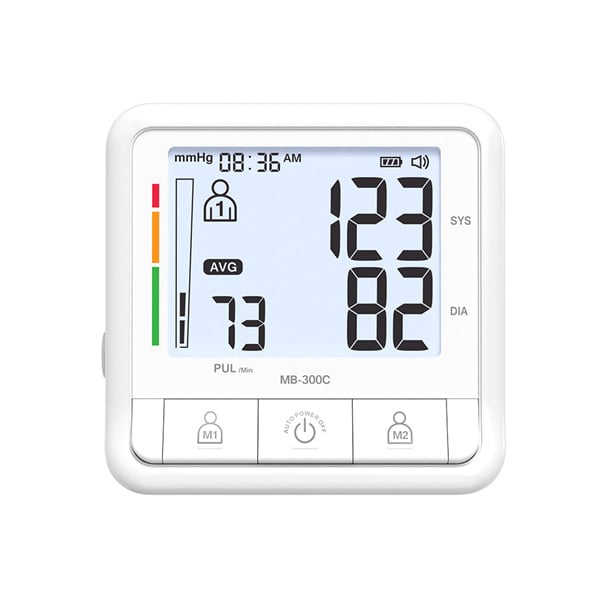
Proper installation of electronic blood pressure monitors is crucial to ensure their accuracy and longevity. Most monitors come with detailed installation instructions; however, working with experienced professionals is advisable for optimal setup. If available, manufacturers’ technical support can provide assistance during installation, ensuring that devices are calibrated correctly.
When installing the monitors, ensure that they are placed on stable surfaces, away from electromagnetic interference. Regular checks on the calibration should be part of your maintenance routine. It’s also beneficial to train staff on how to use the devices properly to ensure accurate readings.
Finally, when integrating the monitors into an existing healthcare system, consider compatibility with electronic health records (EHR) systems. This integration can streamline patient data management, making it easier to track and analyze blood pressure trends over time.
When evaluating electronic blood pressure monitors, it’s essential to compare their features based on your target market's needs. Key specifications to consider include measurement range, accuracy, display type, and power source. For instance, monitors with a wider measurement range can cater to a more extensive patient demographic.
Another important feature is the memory function, which allows the device to store previous readings. This feature is beneficial for monitoring blood pressure trends over time. Some models also offer connectivity options, enabling data transfer to smartphones or computers for easy tracking and analysis.
Durability and ease of cleaning are additional considerations, particularly in high-traffic healthcare environments. Look for monitors that are built with robust materials and have surfaces that can be easily disinfected, ensuring compliance with health regulations.
Lastly, user-friendliness should not be overlooked. Devices with intuitive interfaces and clear displays can improve user experience and reduce the likelihood of reading errors, which is particularly important in busy healthcare settings.
In summary, selecting the right electronic blood pressure monitor involves careful consideration of technical specifications, supplier reliability, cost factors, and installation guidance. By focusing on these areas, you can ensure that your investment meets the needs of your organization and the patients you serve.
JASUN is a registered trademark of Hangzhou Hua'an Medical & Health Instruments Co.,Ltd. Your first option for premium thermometer suppliers in China with CE, MDR, ISO13485:2003, FDA and BSCI certificates.
Our location: Building 2,1# Fuzhu Nan RD, Wuchang Town, Yuhang District, Hangzhou, Zhejiang 310023, China
HOURS: 8:30AM - 6:00PM
Copyright © Hangzhou Hua'an Medical & Health Instruments Co.,Ltd. All Rights Reserved Blog Privacy Policy
 EN